Intermediate
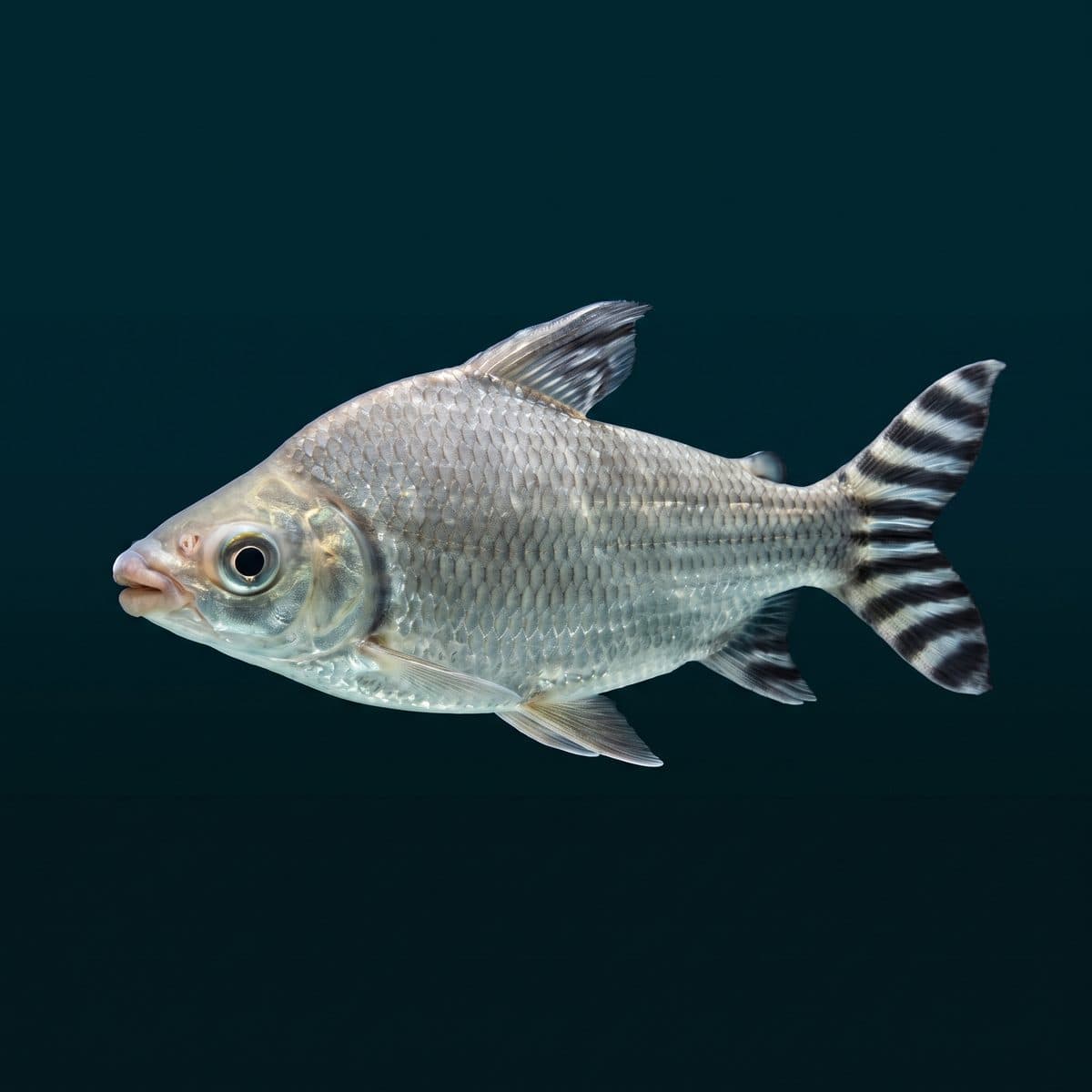
Flagtail Prochilodus
Semaprochilodus taeniurus
desde 36,80 €Get a quote
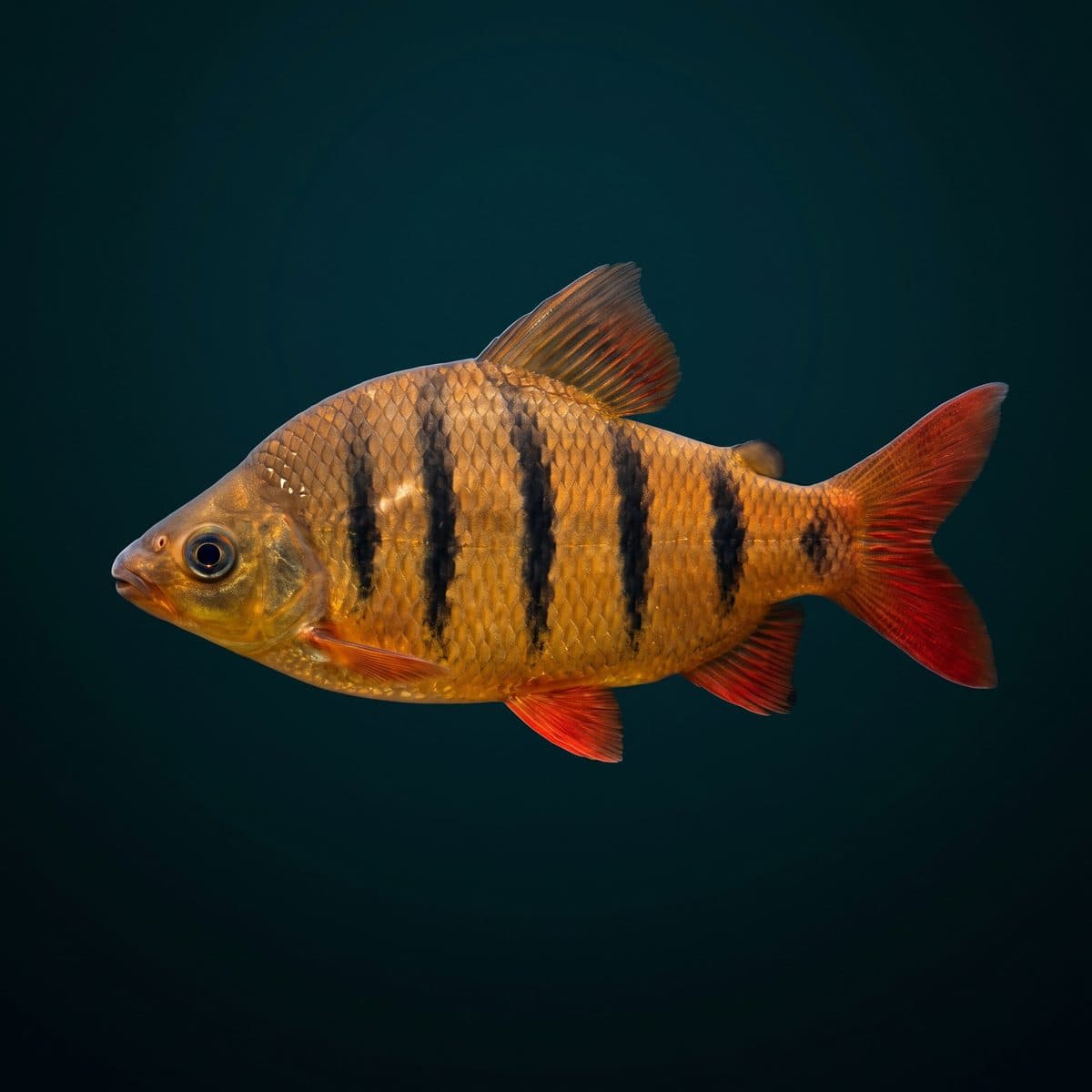
Distichodus sexfasciatus
The Six-Barred Distichodus is one of the most visually commanding large-bodied characins available to freshwater aquarists — a powerfully built, deep-bodied fish adorned with six bold vertical black bars over a warm orange-red base that intensifies dramatically as the fish matures. Distichodus sexfasciatus is native to the Congo River basin, where it inhabits large rivers, floodplains, and lake margins, feeding primarily on aquatic vegetation and algae. In the wild, these fish reach impressive proportions — up to 30 inches — making them a true centerpiece species for the dedicated large-tank keeper.
Insulated, oxygen-packed transit · live-arrival guaranteed
Tank size
200+ gallons
Temperamento
Semi-aggressive
Dieta
Herbivore/Omnivore
Water
72–82°F · pH 6–7.5
Tell us what you're dreaming of — we'll reply with a price tailored to you.
Not sure if this fish is right for you?
Our team will happily help you choose.
The Six-Barred Distichodus is one of the most visually commanding large-bodied characins available to freshwater aquarists — a powerfully built, deep-bodied fish adorned with six bold vertical black bars over a warm orange-red base that intensifies dramatically as the fish matures. Distichodus sexfasciatus is native to the Congo River basin, where it inhabits large rivers, floodplains, and lake margins, feeding primarily on aquatic vegetation and algae. In the wild, these fish reach impressive proportions — up to 30 inches — making them a true centerpiece species for the dedicated large-tank keeper.
At The Fish Collection, we source our Six-Barred Distichodus from trusted African exporters and captive-breeding programs. Each specimen is quarantined and transitioned to a varied diet before listing. Juveniles display a particularly vivid orange-red coloration with sharply defined bars, though adults retain excellent coloration in well-maintained systems. This is a long-lived species that rewards patient keeping with decades of impressive display.
Housing demands are significant. A minimum 200-gallon aquarium is required for a single adult specimen, with 300 gallons or more recommended for groups. The tank should have a heavy, secure lid — Distichodus are powerful fish capable of jumping when startled. Decor must be robust, as this species will uproot delicate plants and rearrange lightweight decorations. Smooth river rocks, large driftwood pieces, and heavy-duty artificial plants are better choices than live plantings, which will be rapidly consumed.
Water parameters should be maintained between 72 and 82 degrees Fahrenheit, pH 6.0 to 7.5, and soft to moderately hard water. Strong filtration is essential given the fish's size and herbivorous diet, which produces substantial waste. Weekly water changes of 25 to 30 percent maintain the clean conditions this species prefers.
Diet is primarily herbivorous with omnivorous tendencies. Offer spirulina pellets, algae wafers, blanched vegetables (zucchini, lettuce, peas, spinach), and occasional protein supplements like frozen bloodworms or shrimp. The Six-Barred Distichodus is an enthusiastic, voracious eater that will decimate any live plant in the aquarium. Temperament is semi-aggressive — individuals establish territories and may chase tankmates, particularly during feeding. Compatible companions include large cichlids, catfish, and other robust species that occupy different zones of the tank.
Preguntas Comunes
Recursos Expertos
Tambien Te Puede Interesar
desde 46 €
Indicative price