Overview
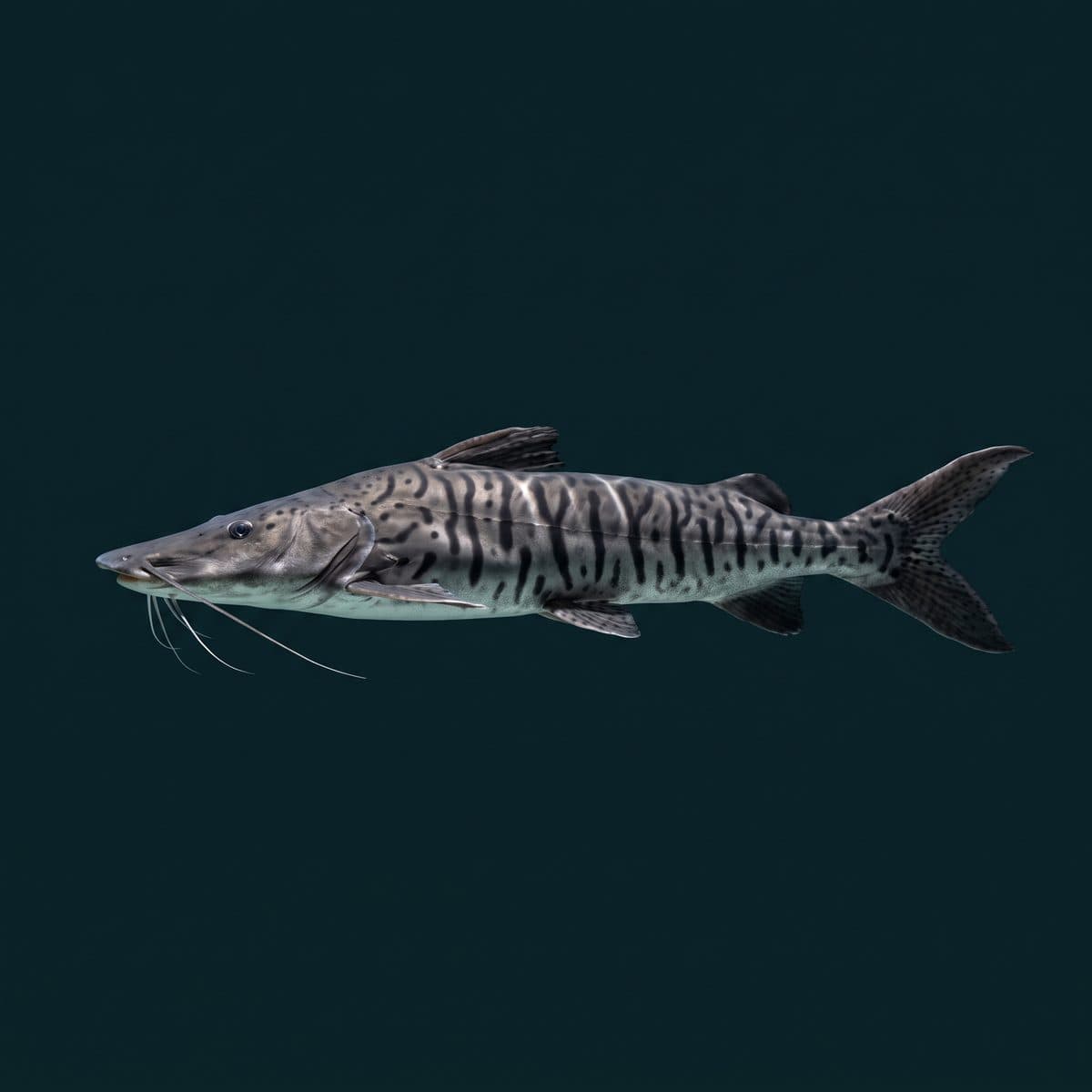
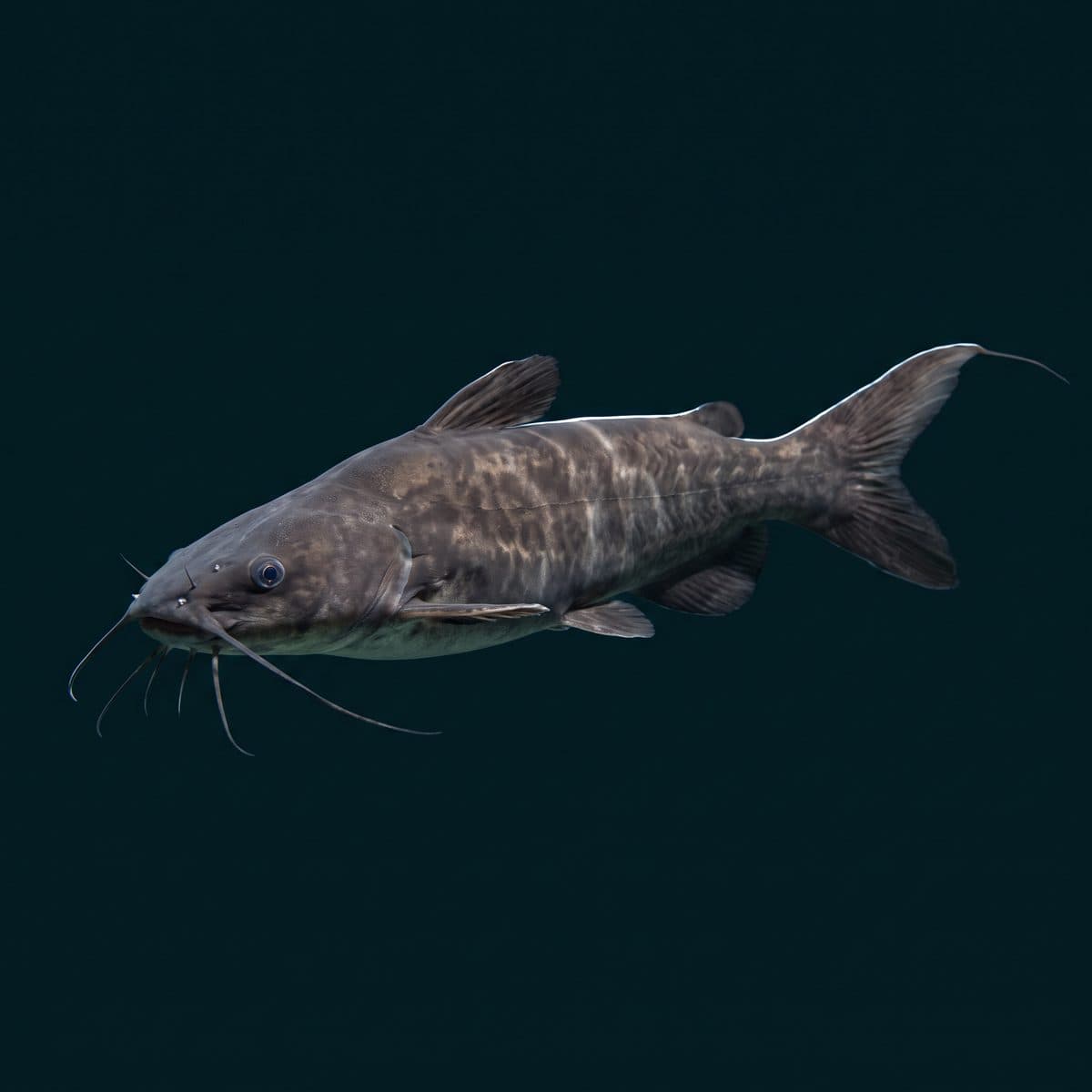
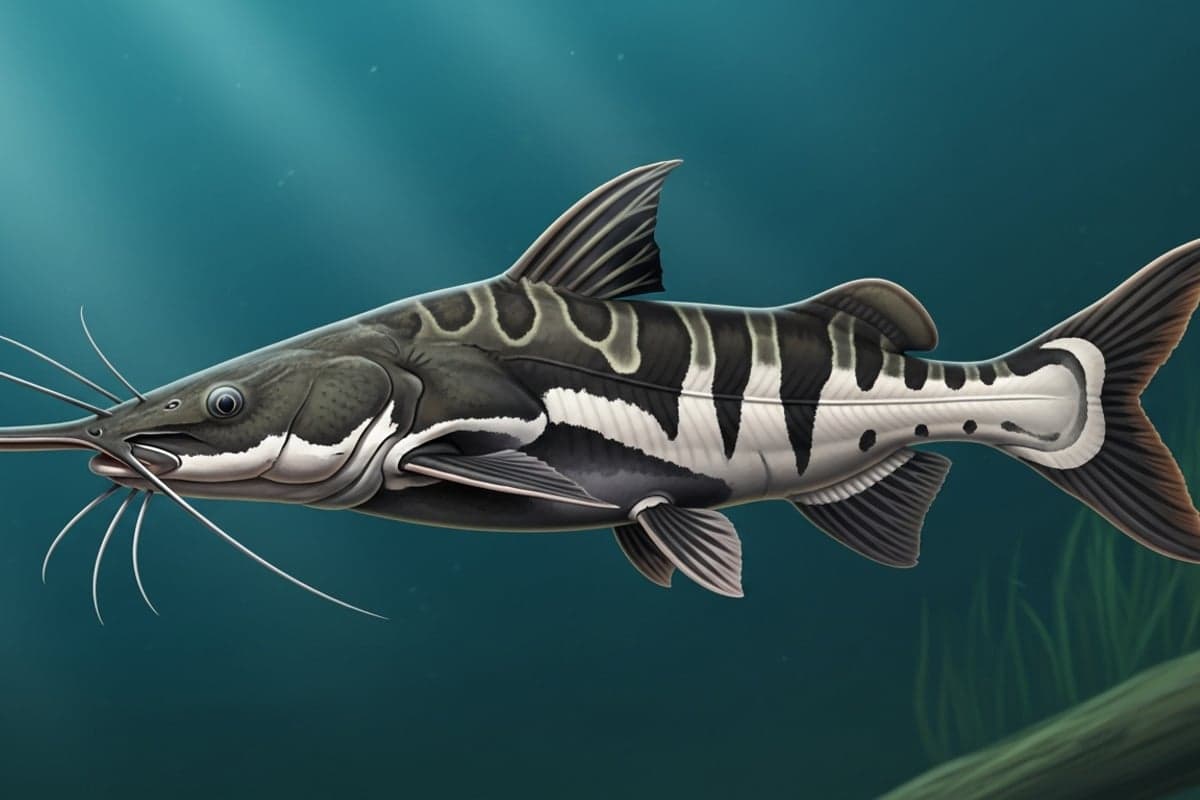
The Shovelnose Tiger Catfish (Pseudoplatystoma tigrinum) is one of the most visually spectacular large catfish available in the freshwater aquarium trade. A member of the family Pimelodidae — the long-whiskered catfish of South America — it is characterised by a dramatically flattened, spatulate head, an elongated silver-white body marked with bold dark vertical bars and reticulations, and long sensory barbels that extend well beyond the pectoral fins. In the wild, specimens commonly exceed 100 cm (40 inches); in captivity, 80–90 cm is typical for well-maintained adults.
At The Fish Collection, we categorise the Shovelnose Tiger alongside other monster catfish that require specialist commitment. The juvenile specimens sold in shops at 10–15 cm are irresistibly attractive, but they grow rapidly — 5–8 cm per month in the first year under optimal conditions — and will outgrow standard aquariums within months. This is a fish that demands a 300+ gallon system, heavy-duty filtration, and a 15–20 year care plan. Impulse purchases of Shovelnose Tigers are one of the most common reasons exotic fish end up in rescue programmes.
This guide provides the information needed to keep Shovelnose Tiger Catfish responsibly, from juvenile acquisition through adult maintenance. We also address the taxonomy confusion surrounding Pseudoplatystoma species and hybrids, which is rampant in the trade and affects both care protocols and growth expectations.
Natural Habitat
Wild Pseudoplatystoma tigrinum inhabit the large river systems of South America, with the highest densities in the Amazon basin, Orinoco drainage, and their major tributaries. They are primarily found in deep main-channel habitats with moderate to strong current, sandy to muddy substrates, and substantial submerged structure — fallen trees, rock formations, and undercut banks that provide daytime refuges for these nocturnal predators.
Water conditions across their range are variable but generally characterised by warm temperatures (24–30 °C), slightly acidic to neutral pH (5.5–7.5), and soft to moderately hard water (2–12 dGH). During the annual flood season, Shovelnose Tigers move into inundated forest (igapó and várzea) to feed on the abundant fish, crustaceans, and invertebrates displaced by rising waters. As waters recede, they return to deeper river channels where they concentrate in areas with structural cover and ambush prey from concealed positions.
The species is an apex predator in its habitat, feeding primarily on fish, freshwater shrimp, and crabs. Their flattened head profile is a hydrodynamic adaptation to holding station in current while minimising energy expenditure, and their long barbels are densely innervated sensory organs that detect prey movement in the turbid, low-visibility conditions of Amazonian river channels.
Tank Requirements
Tank Dimensions & Layout
An adult Shovelnose Tiger Catfish requires a minimum 300-gallon (1,135 L) aquarium with dimensions of at least 240 cm long × 75 cm wide × 60 cm tall (96 × 30 × 24 inches). Width is particularly important — these catfish have a wide turning radius due to their rigid body structure, and tanks narrower than 75 cm cause chronic stress and may lead to spinal deformities over time. For specimens exceeding 80 cm, 500+ gallons is strongly recommended.
Substrate should be fine sand, which allows the catfish to rest on the bottom without abrading its smooth, scaleless skin. Provide large pieces of driftwood, PVC pipes (15–20 cm diameter), or purpose-built catfish caves as daytime refuges — Shovelnose Tigers are strictly nocturnal and will become stressed without dark hiding places to retreat to during daylight hours. Ensure all caves and structures are large enough to accommodate the fish's full body length, as they will attempt to squeeze into undersized spaces and can become wedged.
Live plants are unnecessary and will be uprooted. Keep the tank layout simple with large, heavy décor that cannot be displaced by a powerful 5+ kg catfish during nighttime activity.
Filtration & Flow
Shovelnose Tigers are messy, carnivorous feeders that generate substantial waste. Target a combined filtration turnover of 8–10× the tank volume per hour. A large sump (80–120 gallons) with robust mechanical and biological filtration stages is the most practical solution. Include a UV steriliser (57+ watts) to control bacterial loads following feeding events.
Moderate current is appreciated and replicates natural river conditions. Direct the sump return to create a gentle flow along the tank length. These catfish are powerful swimmers that handle current well, but avoid creating turbulent conditions at the substrate level where they rest during the day.
Lighting
Subdued lighting is essential. Shovelnose Tigers are nocturnal and will not emerge from hiding under bright illumination. Use dimmable LEDs at 20–40% intensity during viewing hours, with a gradual dawn/dusk ramp of 30–60 minutes to simulate natural light transitions. Moonlight-mode LEDs allow observation of nocturnal feeding and activity without disturbing the fish.
Water Parameters
Shovelnose Tiger Catfish are relatively adaptable to a range of freshwater conditions, but they perform best in water chemistry that reflects their Amazonian origins:
- Temperature: 24–28 °C (75–82 °F). Consistency matters more than precise value within this range.
- pH: 6.0–7.5. Slightly acidic to neutral is preferred. Avoid pH above 8.0.
- GH: 2–15 dGH. Soft to moderately hard water is acceptable.
- KH: 2–8 dKH. Maintain sufficient buffering to prevent pH crashes in heavily stocked systems.
- Ammonia / Nitrite: 0 ppm — always. Scaleless catfish are particularly sensitive to dissolved nitrogenous wastes.
- Nitrate: <20 ppm. Weekly 25–30% water changes with temperature-matched, dechlorinated water.
Tannin supplementation via Indian almond leaves or blackwater extract is beneficial — it reduces ambient light, creates a more natural chemical environment, and has mild antibacterial properties that benefit scaleless species. Replace leaves every 2–3 weeks as their tannin content depletes.
Diet & Feeding
Shovelnose Tiger Catfish are obligate piscivores in the wild, feeding primarily on smaller fish, freshwater shrimp, and crabs. In captivity, they accept a range of protein-rich foods and should be offered dietary variety for nutritional completeness:
- Primary diet: Whole silversides, smelt, or lance fish (gut-loaded or vitamin-soaked). Offer 2–4 appropriately sized fish per feeding, 3–4 times per week.
- Secondary: Large market prawns (shell-on for calcium and enrichment), earthworm bundles, and squid strips.
- Pellets: High-quality sinking carnivore pellets (Hikari Massivore, Northfin Predator Formula) are accepted by most trained specimens and provide balanced nutrition. Soak briefly before feeding.
- Avoid: Feeder goldfish (parasite and disease risk, poor nutrition, thiaminase content), mammalian proteins (beef heart, chicken), and fatty fish (mackerel, herring) as regular diet components.
Feed after lights-out, when the catfish is naturally active. Juvenile specimens (under 30 cm) should be fed daily; subadults (30–60 cm) every other day; adults (60+ cm) three times per week with one fasting day. Overfeeding is a common issue — these catfish will gorge if given the opportunity, leading to obesity and hepatic steatosis.
Behaviour & Temperament
Shovelnose Tiger Catfish are strictly nocturnal predators. During daylight hours, they wedge themselves into caves, under driftwood, or against dark tank walls, remaining almost completely motionless. As light levels drop in the evening, they emerge and begin patrolling the tank in search of food, using their highly sensitive barbels to detect prey movement and chemical signals in the water.
Toward conspecifics, Shovelnose Tigers are generally tolerant when adequate space and hiding places are provided. Groups of two to three can be maintained in 500+ gallon systems, though occasional territorial displays (jaw-locking, lateral body slaps) may occur during feeding. These interactions are rarely injurious in sufficiently large aquariums.
The species is a powerful ambush predator that will consume any fish small enough to fit in its cavernous mouth — and their mouths are deceptively large, capable of engulfing fish up to half their own body length. Tank mate selection must account for this.
Compatible Tank Mates
Tank mates must be too large to be swallowed and robust enough to share space with a powerful, active nocturnal catfish. Proven companions include:
- Arowana — Platinum Arowana and Silver Arowana are classic top-dwelling companions in monster fish setups (500+ gallon tanks).
- Large Bichirs — Polypterus endlicherii and P. ornatipinnis. Their armoured scales and nocturnal habits make them compatible bottom-dwellers.
- Peacock Bass — Cichla species are robust enough to cohabitate in very large systems.
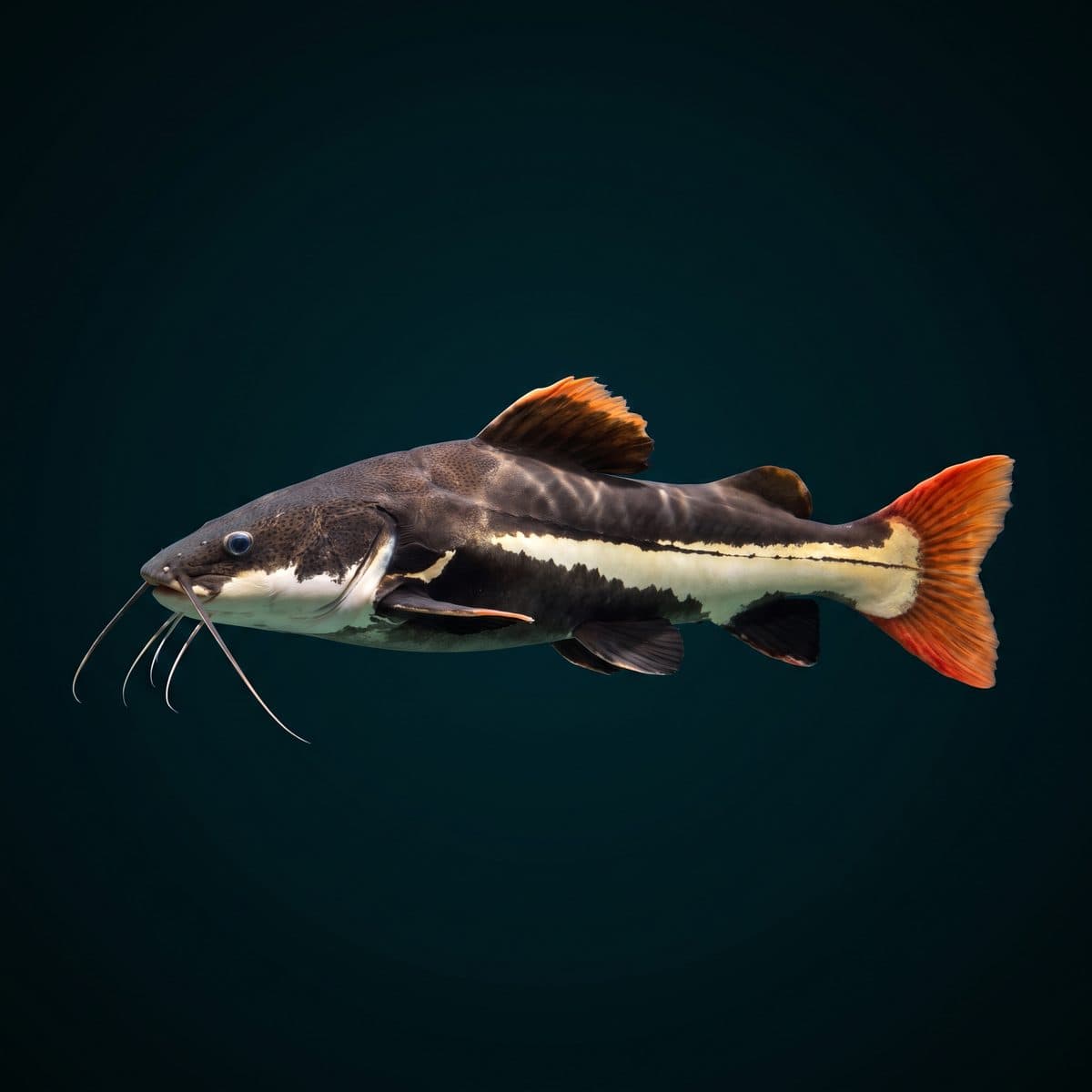
- Other large catfish — Red Tail Catfish (in 1,000+ gallon systems only), large Plecostomus species, and Synodontis eupterus.
- Large Stingrays — Freshwater stingrays occupy the bottom stratum and are generally ignored.
Avoid all fish under 20 cm, aggressive cichlids that may harass the catfish during its vulnerable daytime resting period, and other nocturnal predators of similar size that compete directly for cave space.
Breeding
Captive breeding of Pseudoplatystoma tigrinum is achieved commercially in South American aquaculture facilities using hormone induction (typically carp pituitary extract or synthetic GnRH analogues) — the species does not spawn spontaneously in captivity. Commercial breeding is driven by the food fish market rather than the ornamental trade, as Shovelnose Tigers are an important food fish in Brazil and Colombia.
In the wild, spawning is believed to occur during the flood season in shallow, inundated forest habitats. Eggs are scattered over submerged vegetation and receive no parental care. The logistics of replicating these conditions in a home aquarium — combined with the fish's size, space requirements, and the need for hormonal induction — make hobbyist breeding effectively impossible.
A significant concern in the trade is hybridisation. Pseudoplatystoma tigrinum is frequently crossed with P. fasciatum, P. corruscans, and even Leiarius marmoratus (the so-called "Tiger Shovelnose" hybrid) in commercial aquaculture. Hybrids may display unpredictable growth rates, adult sizes, and temperaments. When purchasing, seek specimens from reputable importers who can confirm species identification.
Common Health Issues
Stress & Aggression
Shovelnose Tigers housed in undersized aquariums or without adequate daytime hiding places develop chronic stress that manifests as paled colouration, refusal to feed, erratic swimming, and increased susceptibility to infection. The single most effective treatment for stress-related illness in this species is to increase tank size and provide large, dark refuges. A Shovelnose Tiger that has access to a properly sized cave and emerges confidently at dusk is a healthy Shovelnose Tiger.
Bacterial Infections
As scaleless fish, Shovelnose Tigers are more vulnerable to bacterial skin infections (Aeromonas, Pseudomonas) than scaled species. Abrasions from rough substrate, sharp décor edges, or aggressive tank mates can quickly develop into ulcerative lesions in suboptimal water conditions. Prevention involves maintaining impeccable water quality (ammonia and nitrite at 0 ppm, nitrate below 20 ppm), using smooth sand substrate, and ensuring all tank furnishings are free of sharp edges. Treat confirmed bacterial infections with kanamycin or enrofloxacin (veterinary prescription) — avoid malachite green and formalin, which are poorly tolerated by scaleless catfish.
Internal parasites are common in wild-caught specimens. Prophylactic treatment with praziquantel (5 mg/L bath, 24 hours, repeated at day 14) is standard quarantine protocol. Monitor for white, stringy faeces and progressive weight loss as indicators of untreated parasite loads.