Why Legality Matters for Fish Keepers
The exotic fish trade operates within a complex web of international treaties, federal statutes, and state regulations. Ignorance of these laws is not a defence — possession of a banned species can result in criminal charges, confiscation, fines exceeding $50,000, and even imprisonment under federal wildlife trafficking statutes. Beyond legal risk, illegal collection and trade directly threaten wild populations of the species we admire.
The good news: the vast majority of exotic aquarium fish are legal to own in the US when sourced from legitimate, captive-bred channels. This guide helps you understand which species require special documentation, which are restricted in specific states, and how to verify legal compliance before making a purchase.
Federal Regulations Overview
CITES: What It Means for Aquarists
The Convention on International Trade in Endangered Species (CITES) is the primary international framework governing trade in wildlife, including aquarium fish. CITES has three appendices:
- Appendix I: Species threatened with extinction. Commercial trade in wild-caught specimens is prohibited. Captive-bred specimens can be traded with permits. No commonly kept aquarium fish are on Appendix I.
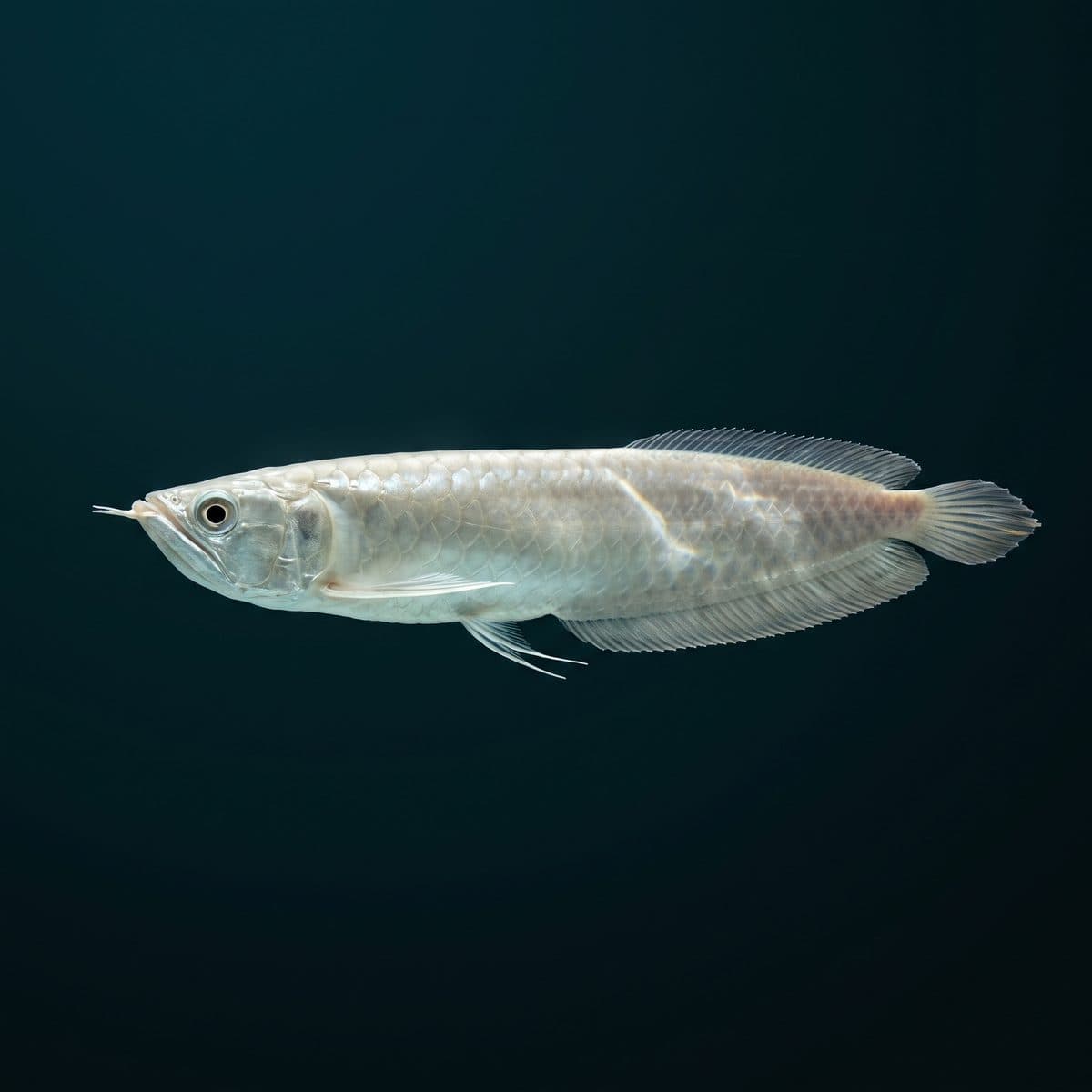
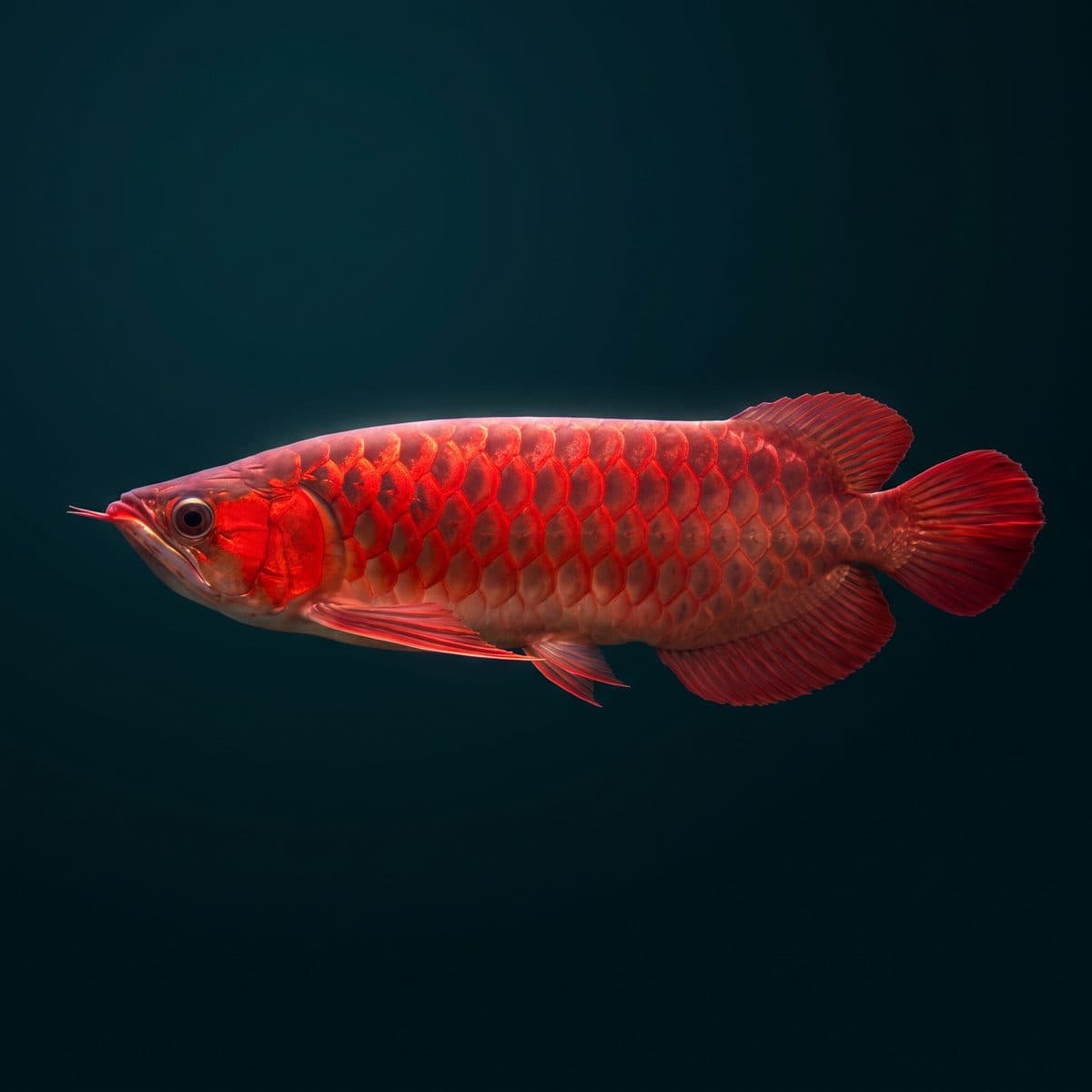
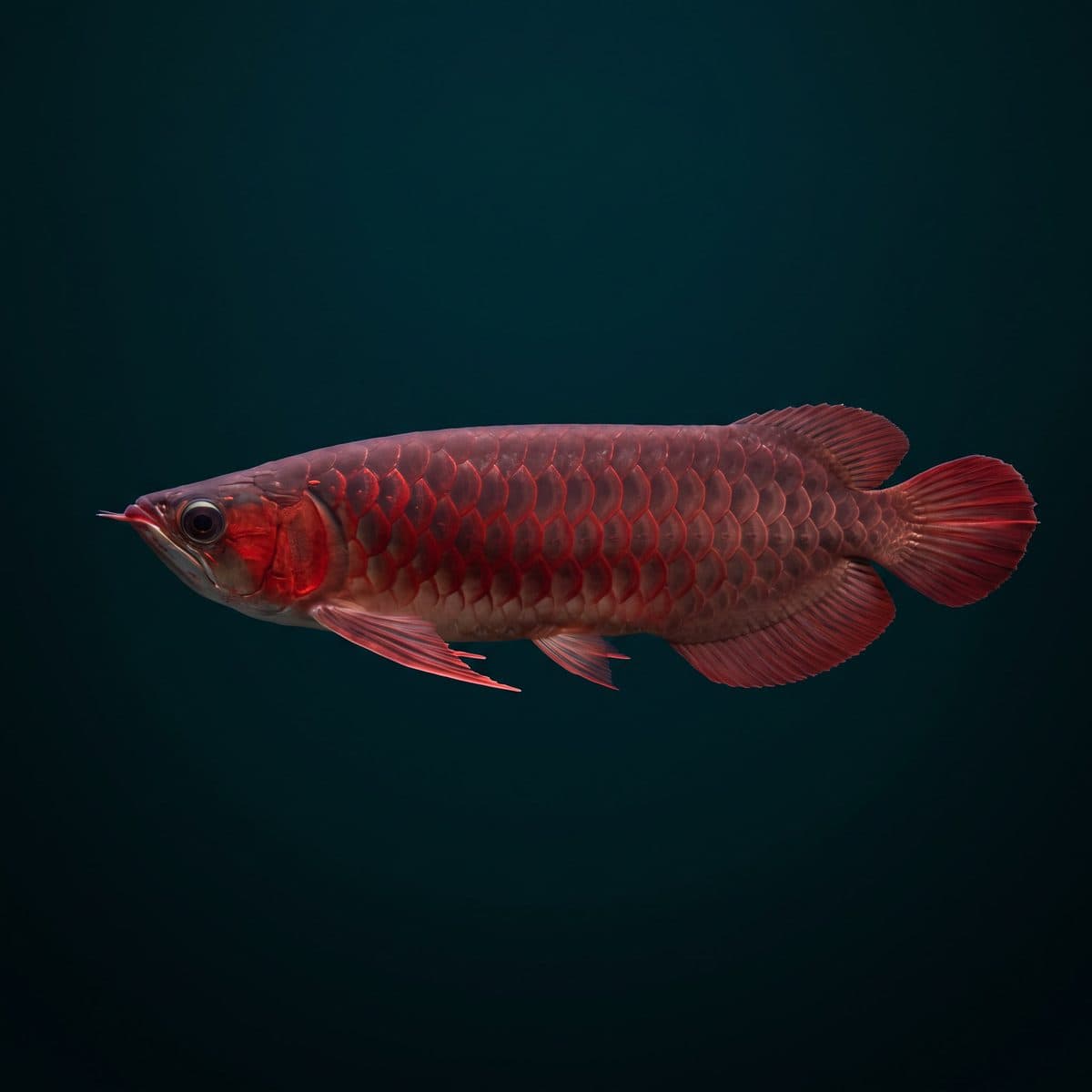
- Appendix II: Species that may become threatened without trade regulation. Trade is permitted with export permits from the country of origin. The Asian Arowana (Scleropages formosus) is the most significant Appendix II aquarium species — every legally traded specimen must be captive-bred, microchipped at the breeding facility, and accompanied by a CITES export permit and corresponding import documentation.
- Appendix III: Species protected in at least one country that has requested CITES assistance in controlling trade. Requires certificates of origin for export.
For US aquarists, CITES compliance means: if you are buying an Asian Arowana, it must come with a CITES certificate matching the specimen's microchip number. If a dealer cannot produce this documentation, the fish is either illegal or fraudulent. The Fish Collection's Arowana inventory includes full CITES documentation for every specimen.
The Lacey Act
The Lacey Act (18 U.S.C. 42–43) is a powerful federal law that makes it illegal to import, export, transport, sell, receive, acquire, or purchase any fish or wildlife taken in violation of US, state, tribal, or foreign law. In practical terms: if a Zebra Pleco was illegally exported from Brazil (where wild export has been banned since 2004), possessing that fish in the US violates the Lacey Act — even if you bought it in good faith from a US dealer.
The Lacey Act also maintains the "Injurious Wildlife" list, which includes species whose live importation into the US is banned. Snakehead fish (family Channidae) were added to this list in 2002, making it federally illegal to import or transport live snakeheads across state lines.
Endangered Species Act
The ESA provides additional protection for species listed as threatened or endangered. For aquarists, the most relevant listing is the Scleropages formosus (Asian Arowana), which is listed as endangered. Captive-bred specimens with proper CITES documentation are exempt from ESA trade restrictions, but wild-caught Asian Arowana cannot be legally imported or sold in the US under any circumstances.
State-by-State Restrictions
Federal law sets the floor, but individual states can impose additional restrictions. The most commonly restricted aquarium species are freshwater stingrays, piranhas, and snakeheads.
Freshwater Stingray Legality by State
Freshwater stingrays (family Potamotrygonidae) are banned or require permits in approximately 12 US states. States with outright bans or significant restrictions include Arizona, Arkansas, California, Florida (permit required), Georgia, Hawaii, Mississippi, Nevada, Oklahoma, Texas, and Utah. In legal states, no special permits are required for possession — but check your local county and municipal ordinances as well.
If you are in a stingray-legal state, browse The Fish Collection's stingray collection for captive-bred specimens with documented provenance.
Piranha Legality by State
Piranhas (subfamily Serrasalminae) are banned in approximately 25 states due to concerns about ecological damage if released into native waterways. Legal states include: Michigan, Minnesota, New Hampshire, and a handful of others. Even in legal states, some municipalities impose additional restrictions. Piranhas are not CITES-listed and do not require federal permits — the restrictions are entirely state-level.
Snakehead Regulations
Live snakehead fish (family Channidae) are federally banned from importation and interstate transport under the Lacey Act's Injurious Wildlife provision since 2002. Some states (including Maryland, Virginia, and others with established wild snakehead populations) allow possession of dead snakeheads but prohibit live transport. There are no legal exceptions for aquarium hobbyists — snakeheads cannot be legally purchased, sold, or transported alive in the United States.
Rare Fish You Can Legally Keep
Despite the restrictions above, the vast majority of exotic and rare aquarium fish are fully legal in the US. Here are some of the most desirable legal species:
- Asian Arowana (with CITES documentation): Legal in all 50 states when captive-bred and properly documented. Prices range from $300 for Green juveniles to $400,000+ for Platinum morphs. See our Arowana pricing guide for details.
- Freshwater Stingrays (in legal states): Motoro, Black Diamond, Pearl, and other Potamotrygon species are available through captive-bred channels. Check your state's regulations first.
- Zebra Pleco (L046): Wild export from Brazil is banned, but captive-bred specimens are fully legal. $300–$1,000 per fish. The Fish Collection's pleco collection includes limited availability.
- Discus: No restrictions anywhere in the US. Captive-bred varieties available in dozens of colour strains. $30–$300+ for premium show-grade fish.
- Flowerhorn Cichlid: Fully legal, captive-bred hybrid. Competition-grade specimens reach $5,000–$60,000. Available through our cichlid collection.
- Freshwater Pufferfish: Most species (Fahaka, Mbu, Figure Eight, Pea Puffer) are legal throughout the US. Browse our pufferfish collection.
- Wolf Fish (Hoplias malabaricus): Legal in most states. A dramatic predator for dedicated keepers with 125+ gallon tanks.
- Gar (Atractosteus, Lepisosteus species): Legal in many states but banned in some (including California, Alabama, and others) due to invasive species concerns. Check state regulations.
- Bichirs (Polypterus species): Fully legal throughout the US. These armoured, air-breathing relics are increasingly popular with predatory fish enthusiasts.
How to Source Rare Fish Legally
Protecting yourself and the species you admire starts with responsible sourcing:
- Buy from licensed dealers. Dealers who import CITES-listed species must be registered with the US Fish and Wildlife Service. Ask for their registration number and verify it.
- Demand documentation. For Asian Arowana: CITES certificate + microchip scan. For Zebra Plecos: proof of captive-breeding origin. For any expensive species: a written health guarantee and provenance statement.
- Verify captive-bred status. Wild-caught specimens of CITES-listed or export-banned species are illegal. Captive-bred fish are pre-adapted to aquarium conditions and support sustainable trade.
- Check state laws before purchase. Your state's Department of Fish and Wildlife (or equivalent agency) maintains lists of prohibited and restricted species. A 10-minute search can prevent criminal liability.
- Keep your documentation. Store CITES certificates, purchase receipts, and health certificates indefinitely. If questioned by law enforcement, documentation is your defence.
Penalties for Illegal Possession
The consequences of possessing illegal fish are not trivial:
- Lacey Act violations: Civil penalties up to $10,000 per violation. Criminal penalties up to $20,000 and 5 years imprisonment for knowing violations. Asset forfeiture (tanks, equipment, all fish) is common.
- State wildlife violations: Vary by state but typically include fines of $500–$5,000, confiscation of the animal, and potential misdemeanour charges. Repeat offenders face felony charges in some states.
- CITES violations: Prosecuted under the Lacey Act and/or ESA. International trafficking cases can result in prison sentences exceeding 5 years.
The message is simple: buy from reputable, licensed dealers, demand documentation, and verify your state's regulations. The legal exotic fish market is large enough to satisfy any collecting ambition — there is no need to venture outside it.