Natural Diet of Wild Arowana
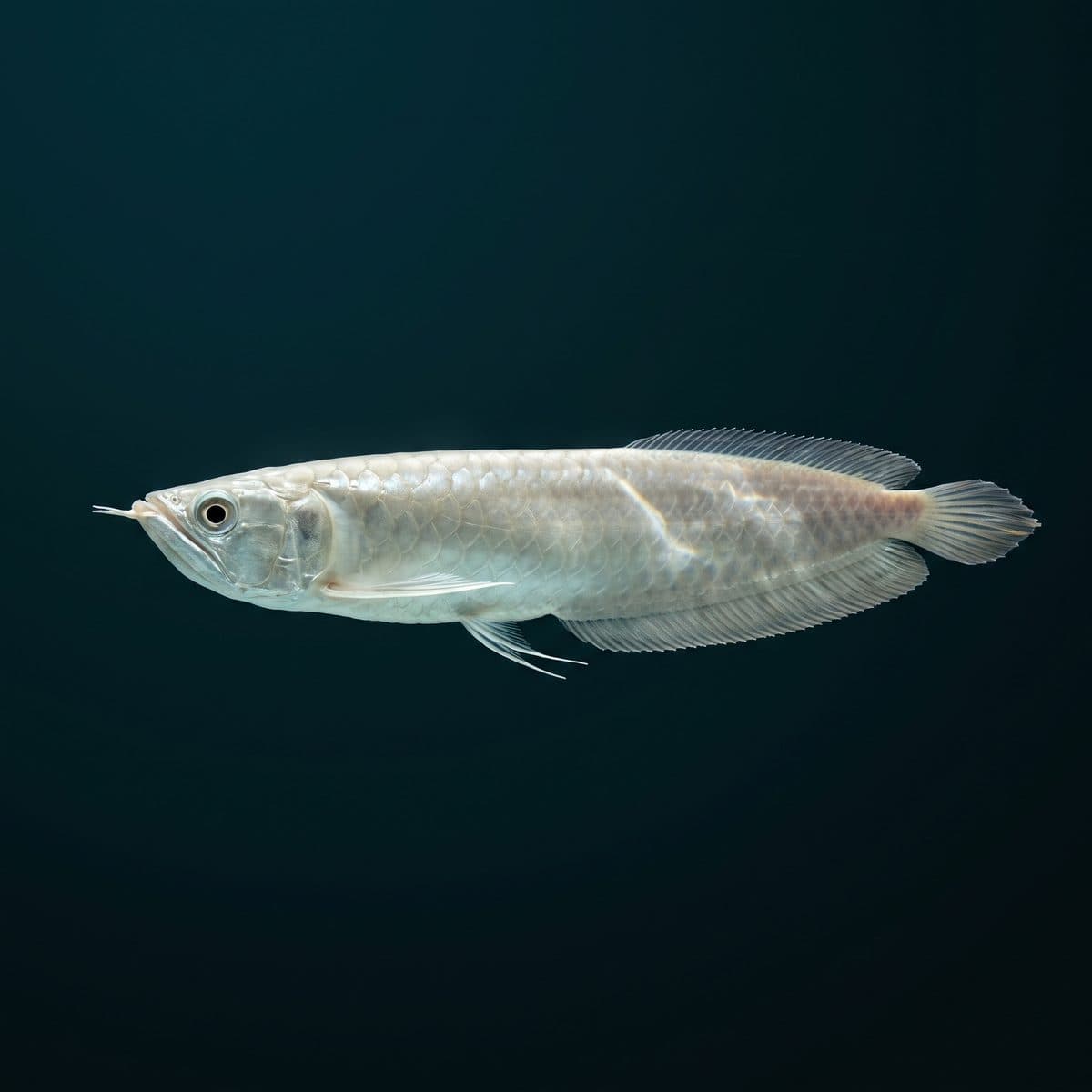
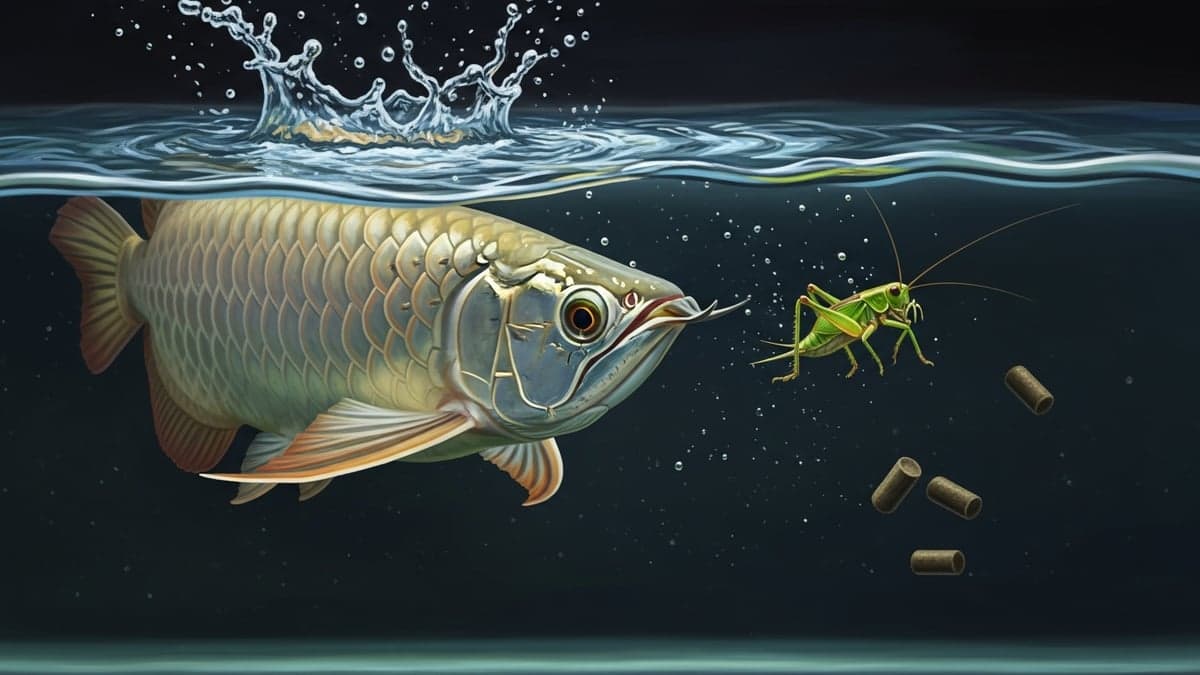
In the wild, Asian Arowana (Scleropages formosus) are surface-oriented predators that feed on insects, spiders, small frogs, lizards, and occasionally small fish and birds that fall onto the water surface. Their upward-facing mouth, powerful jaw, and ability to leap above the water surface are all adaptations for this feeding niche. Silver Arowana (Osteoglossum bicirrhosum) share similar habits but occupy a slightly broader niche, consuming more fish and crustaceans in the flooded Amazonian forests they inhabit.
Understanding this natural diet informs captive feeding: Arowana are designed to eat protein-rich prey items at or above the water surface. A diet that mimics this — varied, protein-dense, and surface-delivered — produces the best health, colour, and behaviour.
Best Foods for Captive Arowana
Live Foods
- Crickets: The single best live food for Arowana. Nutritious, stimulate natural surface-strike behaviour, and are readily available from reptile supply stores. Gut-load crickets with vegetables and fish flake for 24 hours before feeding. Feed 5–10 crickets per session for an adult.
- Mealworms and superworms: High in protein and fat. Excellent for conditioning and growth. Feed 5–8 superworms per session. Do not overfeed — the high fat content contributes to obesity if used as the sole food source.
- Roaches (Dubia): Nutritionally superior to crickets with a better calcium-to-phosphorus ratio. Cannot climb smooth surfaces, making them easy to contain. An increasingly popular option among serious Arowana keepers.
- Earthworms: Outstanding nutrition with balanced amino acid profiles. Rinse thoroughly before feeding to remove soil contaminants. Readily accepted by all Arowana species.
Frozen and Market Foods
- Market shrimp: Whole, shell-on shrimp from the seafood counter. Remove the head if desired (though many Arowana consume it whole). The shell provides chitin and carotenoids for colour enhancement. The most cost-effective staple food for adult Arowana.
- Frozen silversides: Small whole fish, frozen and thawed before feeding. Provide balanced nutrition including omega-3 fatty acids and vitamins from the organ content.
- Frozen smelt: Similar to silversides but larger — suitable for adult Arowana. Cut to appropriate size.
- Frozen krill: Extremely high in astaxanthin — the primary carotenoid responsible for red and orange pigmentation. An excellent colour-enhancing food. Feed 2–3 times per week.
Pellets
High-quality carnivore pellets are a valuable staple because they provide balanced nutrition that is difficult to achieve with live and frozen foods alone. Top options include:
- Hikari Arowana Sticks: Specifically formulated for Arowana with colour-enhancing ingredients.
- Northfin Predator Formula: High-protein pellet with krill meal and herring meal. No fillers, no artificial colours.
- New Life Spectrum Large Fish: Whole Antarctic krill base with garlic and astaxanthin for colour enhancement.
Many Arowana resist pellets initially. Training typically involves mixing pellets with accepted foods (sticking a pellet into a shrimp, for example) and gradually transitioning. Once accepted, pellets can constitute 30–40 % of the diet.
Feeding Schedule by Age
- Juveniles (10–20 cm / 4–8 in): Feed 2–3 times daily. Focus on high-protein foods for rapid, healthy growth. Crickets, small shrimp, bloodworm, and small pellets. Growth rate during this stage significantly affects adult body proportions.
- Sub-adults (20–40 cm / 8–16 in): Feed once or twice daily. Transition to larger food items — full-sized crickets, market shrimp, superworms, and medium pellets. Begin incorporating colour-enhancing foods regularly.
- Adults (40+ cm / 16+ in): Feed once daily or every other day. Adults require less frequent feeding than growing juveniles — overfeeding at this stage leads to obesity and fatty liver disease. Include 1–2 fasting days per week.
Feed only as much as the Arowana will consume within 2–3 minutes. Uneaten food fouls the water rapidly — remove any leftovers immediately.
Colour-Enhancing Diet
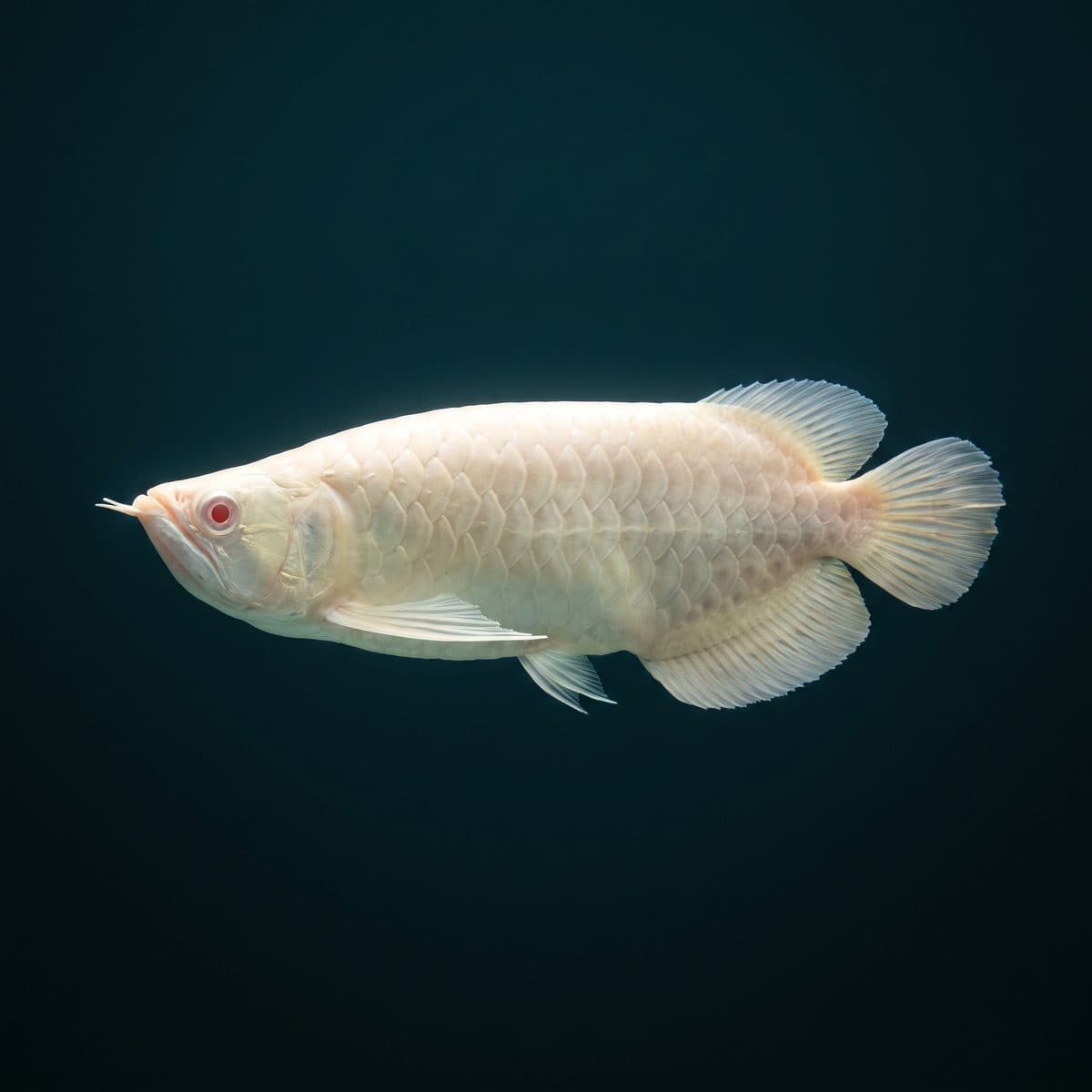
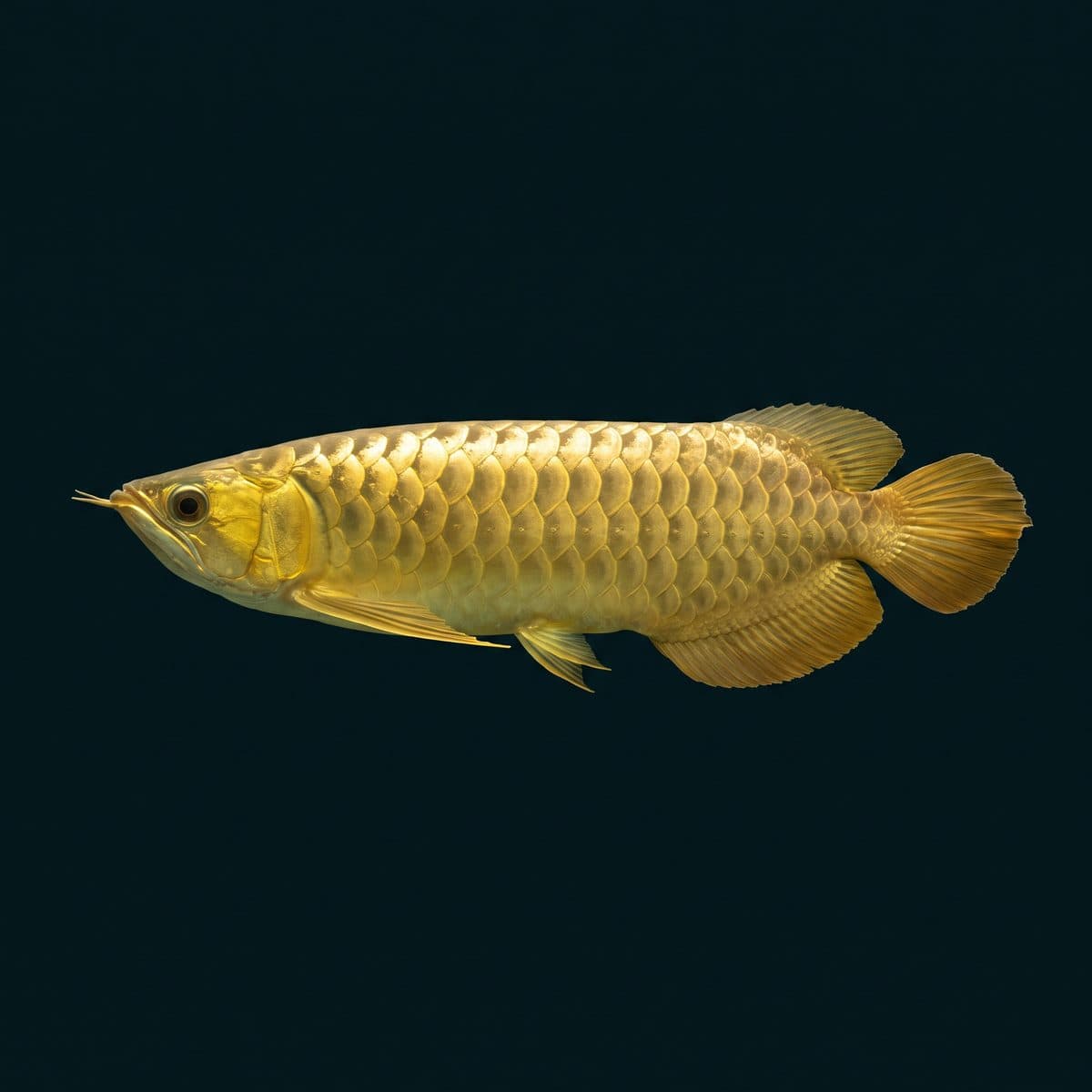
Colour in Arowana is primarily genetic, but diet significantly influences how fully that genetic potential is expressed. Carotenoid pigments — particularly astaxanthin, canthaxanthin, and zeaxanthin — cannot be synthesised by the fish and must be obtained from food.
Best colour-enhancing foods:
- Shrimp and krill: Naturally high in astaxanthin. Shell-on market shrimp and frozen krill are the most effective dietary colour enhancers.
- Colour-enhancing pellets: Pellets fortified with astaxanthin and spirulina provide consistent carotenoid intake. Use as 20–30 % of the diet.
- Centipedes and mealworms: Some keepers report colour enhancement from certain insect species, though the mechanism is not well-documented.
For Super Red Arowana, pair dietary colour enhancement with blackwater conditioning (see our Arowana water parameters guide) and appropriate tanning-light exposure for maximum pigmentation intensity.
Foods to Avoid
- Feeder goldfish and rosy reds: The most common dietary mistake in Arowana keeping. Feeder fish are raised in overcrowded conditions, carry parasites (anchor worm, Ich, internal worms), and have poor nutritional profiles — high in thiaminase (which destroys vitamin B1) and low in essential fatty acids. Exclusive feeder-fish diets cause nutritional deficiency, immune suppression, and parasite infestation.
- Beef heart in excess: Small amounts provide protein variety, but beef heart is extremely high in saturated fat that fish cannot metabolise efficiently. Chronic beef heart feeding causes fatty liver disease (hepatic lipidosis). Limit to once per week at most.
- Processed human foods: Bread, chicken, cheese, and other processed foods have no place in an Arowana diet. They are nutritionally inappropriate and pollute the water.
- Frogs and lizards from the wild: Risk of pesticide exposure and parasite transfer. Only feed captive-bred amphibians and reptiles from trusted suppliers, and only occasionally.
Feeding Techniques
- Surface feeding: Drop food on the water surface — this is how Arowana naturally feed. Floating pellets and live insects are taken eagerly from the surface.
- Feeding tongs: Use 30 cm+ stainless steel tongs for frozen foods and large items. Hold the food at the surface and let the Arowana strike. Tongs keep your fingers away from the fish's mouth — a large Arowana bite can break skin.
- Consistent feeding location: Feed at the same spot in the tank. Arowana learn quickly and will station at the feeding point when they see you approach — this builds trust and makes feeding efficient.
- Varied diet rotation: Rotate through at least 4–5 different food types weekly. Dietary variety ensures complete nutrition and prevents the Arowana from fixating on a single food (which makes dietary changes difficult later).
Common Feeding Mistakes
- Overfeeding adults. Adult Arowana in the wild experience feast-and-famine cycles. In captivity, a meal-every-day schedule (or worse, multiple meals daily for adults) leads to obesity and liver disease. Feed once daily or every other day, with fasting days.
- Feeder fish dependency. Arowana trained on live feeder fish often refuse all other foods. This creates a nutritional disaster. Start with varied foods from the juvenile stage and never rely on feeder fish as a staple.
- Ignoring food variety. A single-food diet (even a "good" food like shrimp) creates nutritional gaps. Rotate through insects, shrimp, pellets, silversides, and earthworms.
- Feeding too much at once. Large meals stress the digestive system and foul the water. Feed small, manageable portions that are consumed within 2–3 minutes.
- Neglecting juveniles. Underfeeding juveniles produces stunted adults with poor body proportions. Juveniles need 2–3 meals daily of protein-rich foods for optimal development.
A well-fed Arowana displays bright colour, active swimming, alert responsiveness, and a slightly convex belly profile. An overfed Arowana shows a distended belly, lethargy, and eventually fatty deposits visible behind the eyes. Adjust feeding based on the fish's body condition, not its apparent appetite — Arowana will always eat more than they should.
For complete tank and water management, see our Arowana tank setup guide and water parameters guide. Browse The Fish Collection's Arowana collection for CITES-certified specimens.