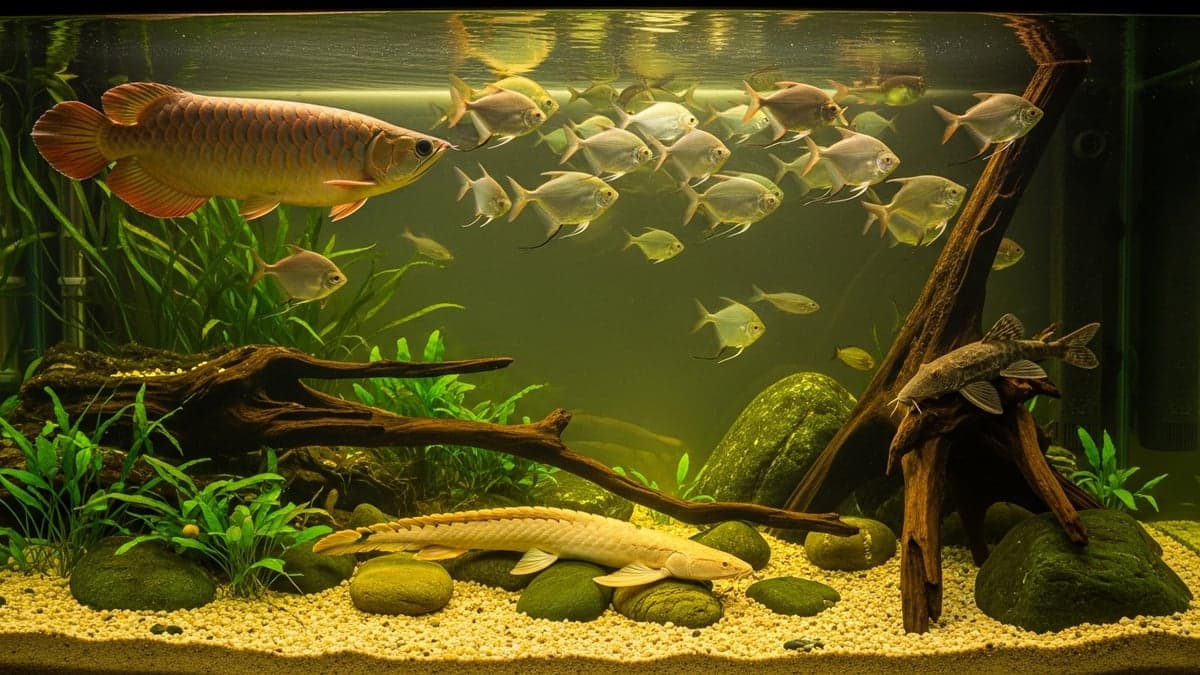
The Four Pillars of Fish Compatibility
Building a successful exotic fish community is not about cramming as many spectacular species into one tank as possible — it is about understanding the biological and behavioural needs of each species and finding the overlap where multiple species can coexist without chronic stress. At The Fish Collection, we evaluate compatibility across four pillars:
- Water parameters: Temperature, pH, and hardness must overlap for all species in the system. A Discus (28–30 °C, pH 6.0–7.0) cannot share a tank with an African Mbuna (24–28 °C, pH 7.8–8.6) — the compromise point is healthy for neither.
- Aggression level: Species must be matched by temperament. Mixing a passive species with an aggressive one creates a predator-prey dynamic, not a community.
- Adult size: The "mouth rule" — any fish that fits in another fish's mouth will eventually become food, regardless of how peacefully they coexist as juveniles.
- Swimming zone: Distributing species across top, mid-water, and bottom zones reduces territorial overlap and maximises perceived tank space.
Violating even one of these pillars will eventually result in stress, disease, or death. Let's examine each in detail.
Understanding Aggression Levels
The 5-Point Aggression Scale
We classify aquarium fish aggression on a 1–5 scale that accounts for both territorial aggression and predatory behaviour:
| Level | Classification | Behaviour | Examples |
|---|---|---|---|
| 1 | Peaceful | No territorial behaviour, schooling instinct, flees from confrontation | Cardinal Tetra, Corydoras, Otocinclus |
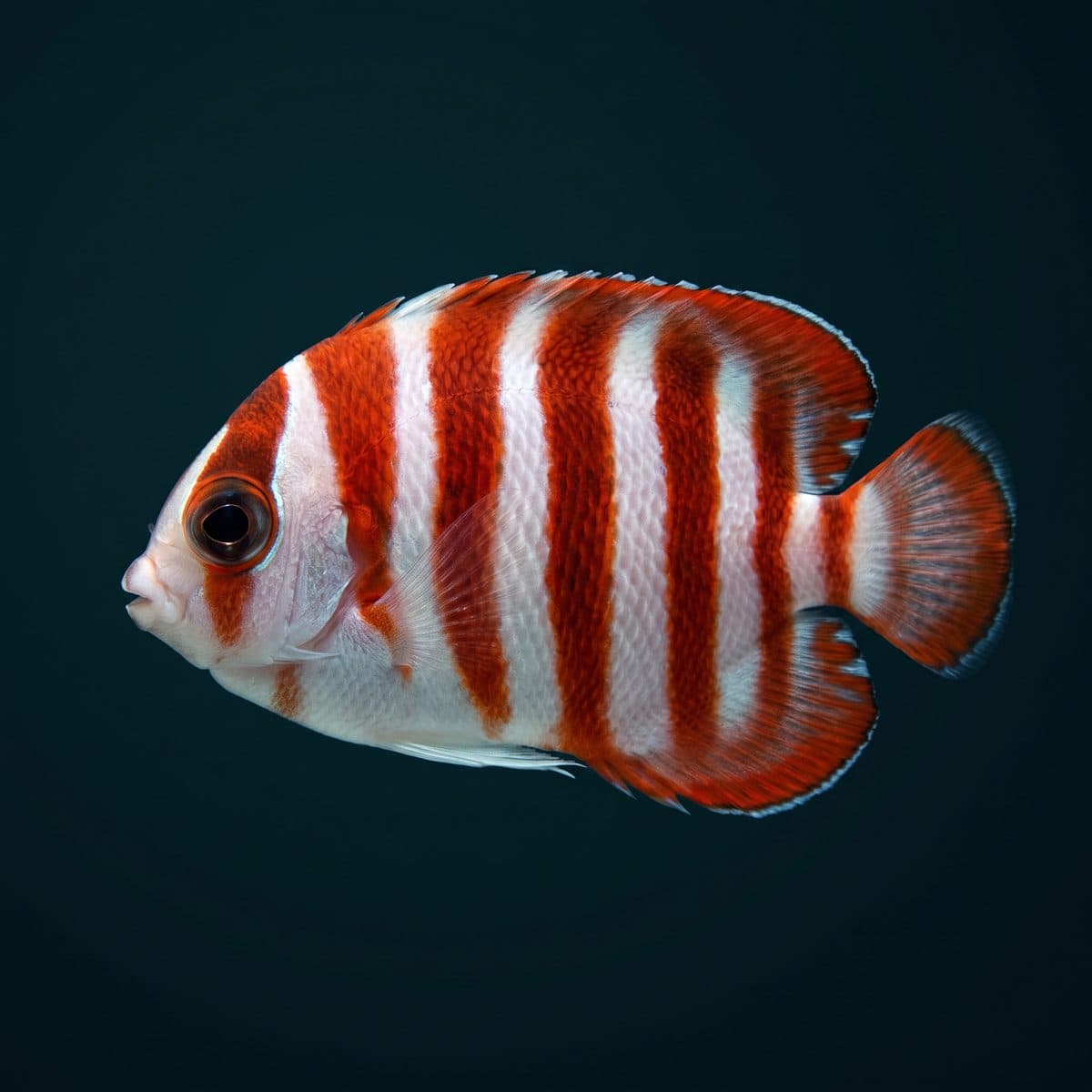
| 2 | Semi-peaceful | Mild territorial displays during breeding, generally community-safe | Angelfish, Dwarf Gourami, Bolivian Ram |
| 3 | Moderately aggressive | Establishes and defends territory, may bully smaller fish, conspecific aggression | Oscar, Jack Dempsey, Convict Cichlid |
| 4 | Aggressive | Strong territorial defence, will attack dissimilar species, requires careful pairing | Flowerhorn, Red Devil, Green Terror |
| 5 | Hyper-aggressive | Species-only recommended, will injure or kill all tank mates in most setups | Dovii, Midas Cichlid, Snakehead (large species) |
The golden rule: Only mix species within one aggression level of each other. A Level 3 fish can coexist with Level 2 or Level 4 fish in an appropriately sized tank, but pairing Level 1 with Level 3+ is a recipe for dead fish. Breeding behaviour temporarily escalates any species by 1–2 levels.
Size Matching and the Mouth Rule
The single most common mistake in exotic fish community building is mixing species that are compatible as juveniles but wildly mismatched as adults. A 5 cm juvenile Arowana and a school of neon tetras may look charming together — but within 8 months that Arowana will be 30+ cm, and every tetra will have been eaten.
The mouth rule: If a fish can physically fit another fish in its mouth, it will eventually try. Always plan based on adult size, not purchase size. For predatory species (Arowana, Oscar, Jaguar Cichlid, Wolf Fish), tank mates should be at minimum 40 % of the predator's body length — and ideally 50 %+.
Size compatibility table for common exotic species:
| Predatory Species | Adult Size | Minimum Tank Mate Size |
|---|---|---|
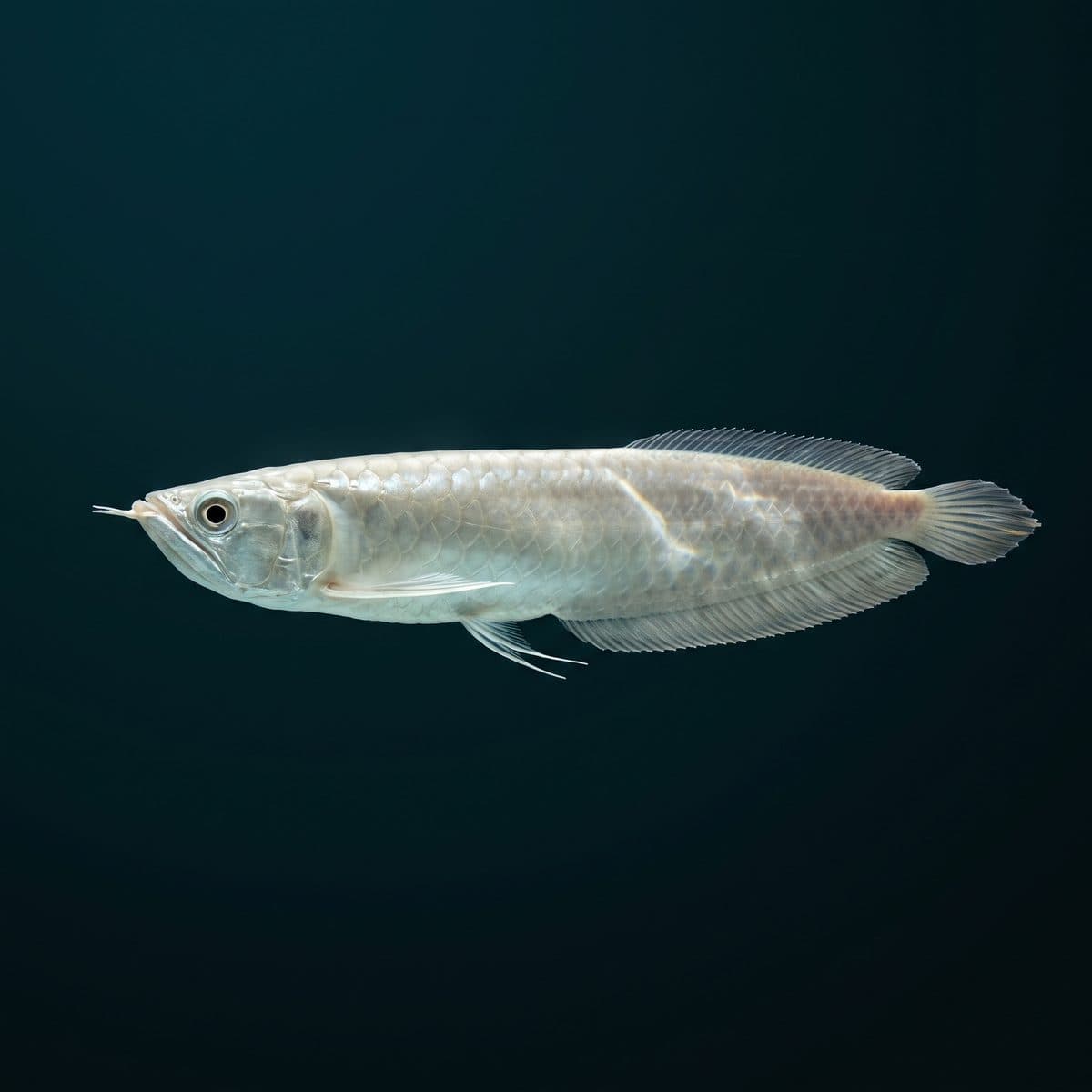
| Silver Arowana | 90–100 cm | 35–40 cm |
| Oscar Cichlid | 30–40 cm | 15–20 cm |
| Flowerhorn Cichlid | 25–35 cm | 20+ cm (aggression is the bigger concern) |
| Jaguar Cichlid | 40–55 cm | 20–25 cm |
| Freshwater Stingray | 30–60 cm disc | 15+ cm (bottom-dwelling tank mates risky) |
Water Parameter Overlap
Exotic fish span an enormous range of water chemistry requirements. The critical parameters to match are:
- Temperature: The overlap must include at least a 2 °C range. If Species A needs 24–28 °C and Species B needs 27–30 °C, the viable overlap is 27–28 °C — workable but narrow.
- pH: Most fish tolerate a range, but the extremes matter. South American blackwater species (pH 5.5–6.5) cannot share a system with African Rift Lake cichlids (pH 7.8–8.6). There is zero overlap.
- Hardness (GH/KH): Soft-water species (GH 2–6 dGH) struggle in hard water (GH 12–20 dGH) and vice versa. Hardness also affects buffering capacity and pH stability.
Common geographic compatibility groups:
- Amazon Basin community: Discus, Angelfish, Cardinal Tetras, Corydoras, Geophagus, Apistogramma, Freshwater Stingrays (temperature 26–30 °C, pH 5.5–7.0, GH 2–8 dGH)
- Central American predator community: Oscar, Jack Dempsey, Firemouth, Convict, Silver Dollar, large Plecostomus (temperature 24–28 °C, pH 7.0–8.0, GH 8–15 dGH)
- African Rift Lake community: Mbuna, Peacock Cichlids, Haplochromis, Synodontis catfish (temperature 24–28 °C, pH 7.8–8.6, GH 10–20 dGH)
- Asian predator community: Arowana, Bichir, Clown Knife, large Gourami, Datnoid (temperature 26–30 °C, pH 6.5–7.5, GH 5–12 dGH)
Swimming Zones and Territory
A well-planned community uses the entire water column. Most aggression occurs between species that occupy the same zone — two bottom-dwellers are far more likely to clash than a bottom-dweller and a surface cruiser sharing the same tank.
- Surface (top third): Arowana, Hatchetfish, Butterfly Fish, surface-feeding Killifish
- Mid-water: Cichlids, Angelfish, large Tetras, Gourami, Datnoid
- Bottom: Plecostomus, Corydoras, Bichir, Freshwater Stingray, Loaches
In large predator communities, distributing species across zones is especially important. An Arowana (surface) with Oscars (mid-water) and a Bichir (bottom) creates a natural three-tiered system where each species has its own domain.
Best Tank Mates for Arowanas
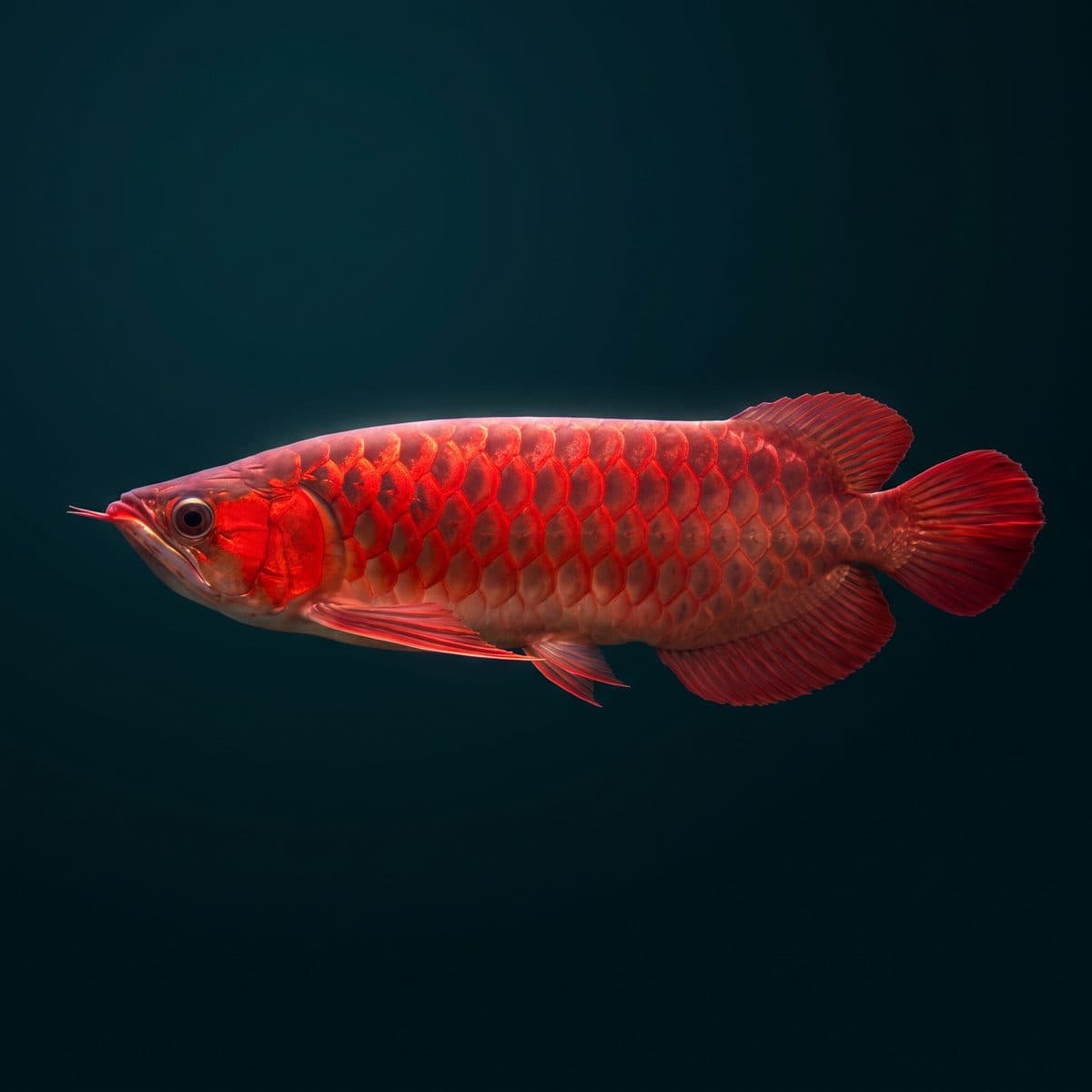
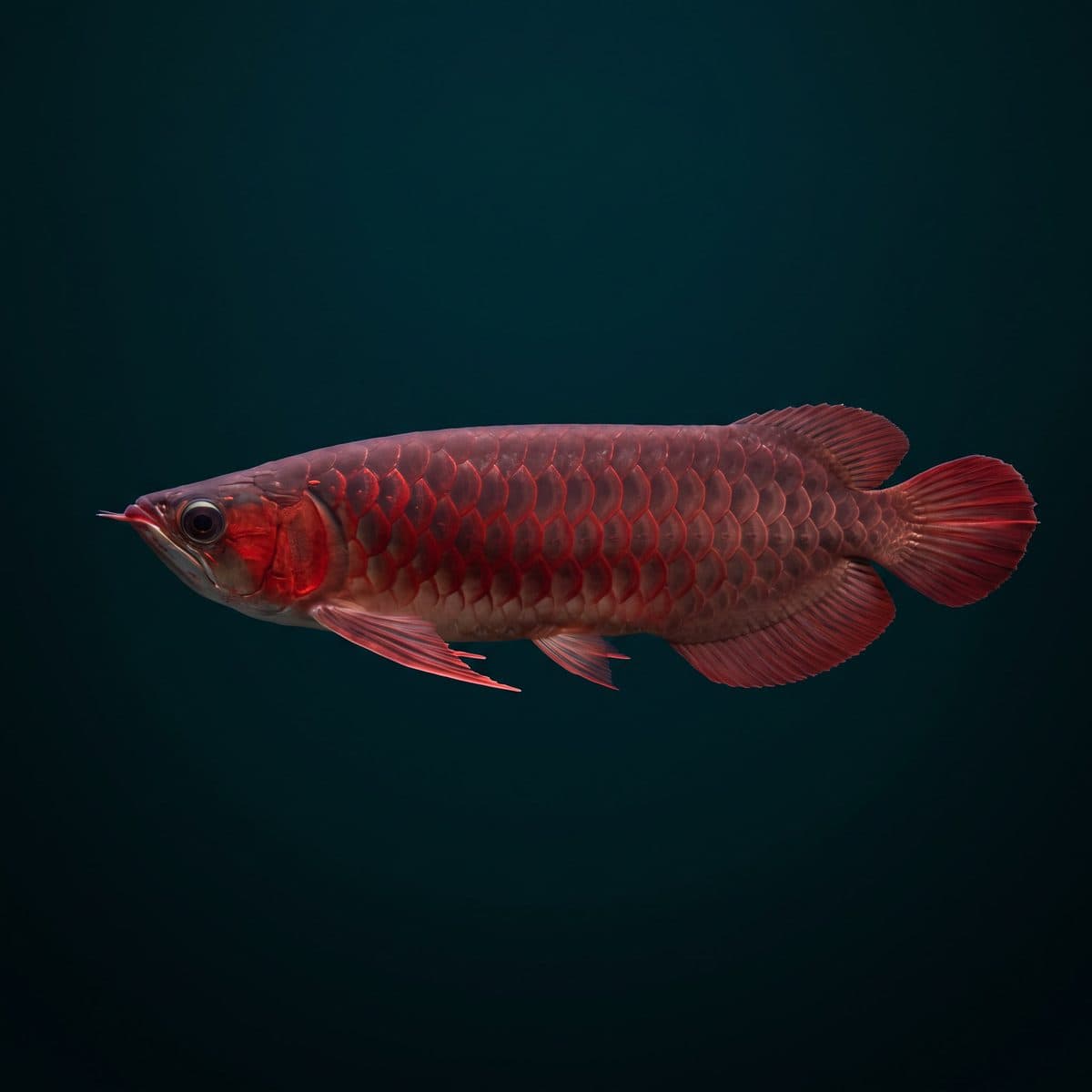
Arowanas are surface-dwelling predators that reach 60–100+ cm depending on species. Their tank mates must be too large to eat, occupy different zones, and tolerate the warm, slightly acidic water Arowanas prefer (26–30 °C, pH 6.5–7.5). A 300+ gallon system is the minimum for an Arowana community.
Top choices:
- Bichir (Polypterus): Bottom-dwelling, armoured, 30–60 cm adults. They occupy a completely different zone and are too tough to bully. Saddled Bichir (P. endlicheri) and Ornate Bichir (P. ornatipinnis) are ideal.
- Oscar Cichlid: Mid-water, 30–40 cm adults. Robust enough to hold their own, but size match carefully — add Oscars at 15+ cm to an Arowana community.
- Clown Knife Fish: Mid to bottom, 40–60 cm adults. A classic Arowana companion in Southeast Asian aquariums.
- Datnoid (Tiger Fish): Mid-water, 30–45 cm. The Indonesian Tiger Datnoid is the classic pairing in Asian monster-fish communities.
- Large Plecostomus: Bottom-dwelling algae eaters. Common Pleco (Pterygoplichthys) or Royal Pleco at 30+ cm are safe with Arowanas.
Avoid: Any fish under 15 cm (will be eaten), aggressive cichlids that target the Arowana's flowing fins (Flowerhorn, Red Devil), and surface-dwelling competitors. See our Arowana care guide for complete husbandry details.
Tank Mates for Flowerhorn Cichlids
Flowerhorns are Level 4 aggressive and are best kept alone in most setups. Their aggression is both territorial and predatory — they will attack, injure, and kill most tank mates in a standard 75-gallon tank. However, in systems of 180+ gallons with strong line-of-sight breaks, certain robust companions can work:
- Large Plecostomus (30+ cm): Their armoured bodies and nocturnal, bottom-dwelling habits keep them out of the Flowerhorn's territory. Sailfin Pleco and Common Pleco are the most reliable options.
- Oscar Cichlid: In a 180+ gallon tank with dividers available for separation, Oscars can coexist with Flowerhorns — but monitor constantly. The Oscar should be of similar size (25+ cm).
- Jaguar Cichlid: Only in 200+ gallon systems. Both are Level 3–4 aggressive, creating a tense but sometimes stable balance of power.
- Silver Dollar (school of 6+): Fast, mid-water schooling fish that are too quick for the Flowerhorn to catch consistently. They can take a hit and recover. Only in 125+ gallon tanks.
Avoid: Anything small, slow, or long-finned. Discus, Angelfish, Rams, tetras, and most catfish are incompatible. For Flowerhorn care details, see our Flowerhorn guide.
Tank Mates for Discus
Discus are Level 2 semi-peaceful fish that require very specific conditions: 28–30 °C, pH 6.0–7.0, and impeccable water quality. Tank mates must tolerate these warm, soft-water conditions and must not outcompete the relatively slow-feeding Discus at mealtimes.
- Cardinal Tetras (school of 20+): The classic Discus companion. They thrive at 27–30 °C, prefer soft, acidic water, and their small size and peaceful nature make them ideal dither fish that help Discus feel secure.
- Rummy-nose Tetras: Another excellent Amazonian schooling companion. Their tight schooling behaviour and warmth tolerance (up to 30 °C) make them a natural fit.
- Corydoras sterbai: The only commonly available Corydoras that thrives at Discus temperatures (up to 30 °C). A school of 6+ keeps the bottom clean without disturbing the Discus.
- German Blue Ram: A fellow South American cichlid that matches Discus water parameters perfectly. Their small size (5–7 cm) means they occupy the lower zones without competing.
- Bristlenose Plecostomus: Useful algae control at 12–15 cm adult size. Ensure they are not sucking slime coat from the Discus — an occasional issue with some Pleco species.
Avoid: Any aggressive cichlid, fast-moving food competitors (most barbs), fin-nippers (Serpae Tetras, Tiger Barbs), and any species requiring hard, alkaline water. See our Discus beginners guide for full care parameters.
Tank Mates for Oscars
Oscars are Level 3 moderately aggressive fish that reach 30–40 cm. They are less aggressive than Flowerhorns but large enough to eat anything under about 10 cm. A 125+ gallon tank is the minimum for an Oscar community.
- Jack Dempsey Cichlid: A classic Central American pairing. Similar size (20–25 cm), similar aggression level, and overlapping water parameters. The Electric Blue variant is slightly less aggressive.
- Firemouth Cichlid: At 15–17 cm, Firemouths are large enough to avoid being eaten and assertive enough to hold their own, while being less aggressive than the Oscar.
- Silver Dollar (school of 6+): Robust, 15 cm schooling fish that fill the mid-water zone. Their speed and schooling instinct protect them from Oscar aggression.
- Bichir: Bottom-dwelling and armoured. Saddled and Ornate Bichir at 30+ cm are too tough for the Oscar to bother.
- Sailfin Plecostomus: Large (40+ cm), armoured, bottom-dwelling. A practical tank mate that handles waste cleanup.
Avoid: Small fish of any kind, Discus (too sensitive), African cichlids (wrong water chemistry), and hyper-aggressive species that will bully the Oscar. Browse The Fish Collection's cichlid collection for compatible species.
Tank Mates for Freshwater Stingrays
Freshwater stingrays (Potamotrygon spp.) occupy the bottom exclusively and require soft, acidic to neutral water (pH 6.0–7.0, temperature 26–30 °C) with a fine sand substrate. Tank mates must not compete for bottom space and must not be small enough to be eaten — stingrays are ambush predators with powerful jaws.
- Arowana: The quintessential stingray companion — a surface dweller that shares water parameters. In 300+ gallon systems, an Arowana and stingray pair is a stunning combination.
- Geophagus: Mid to bottom, but their gentle temperament and compatible water needs make them workable. Choose larger species (Red Head Tapajos at 15+ cm).
- Oscar Cichlid: Mid-water, robust, and too large for the stingray to eat. Ensure the Oscar doesn't nip the stingray's disc.
- Datnoid: Mid-water, peaceful toward non-competitors. A natural fit in a South/Southeast Asian biotope setup.
Avoid: Bottom-dwelling catfish that may be stung or eaten (Corydoras, small Plecostomus), aggressive cichlids that target the stingray's disc, and any fish under 10 cm. See our stingray care guide for complete husbandry information.