Expert
Altum Angelfish
Pterophyllum altum
₩198,000Get a quote
The most coveted saltwater fish on earth — from the legendary peppermint angel to reef-ready dwarf angels. Reef-keeping help included with every order.
First saltwater tank?
We'll make reef-keeping easy
Saltwater sounds scary but it doesn't have to be. Start with our beginner-friendly marine guides and a keeper on call.
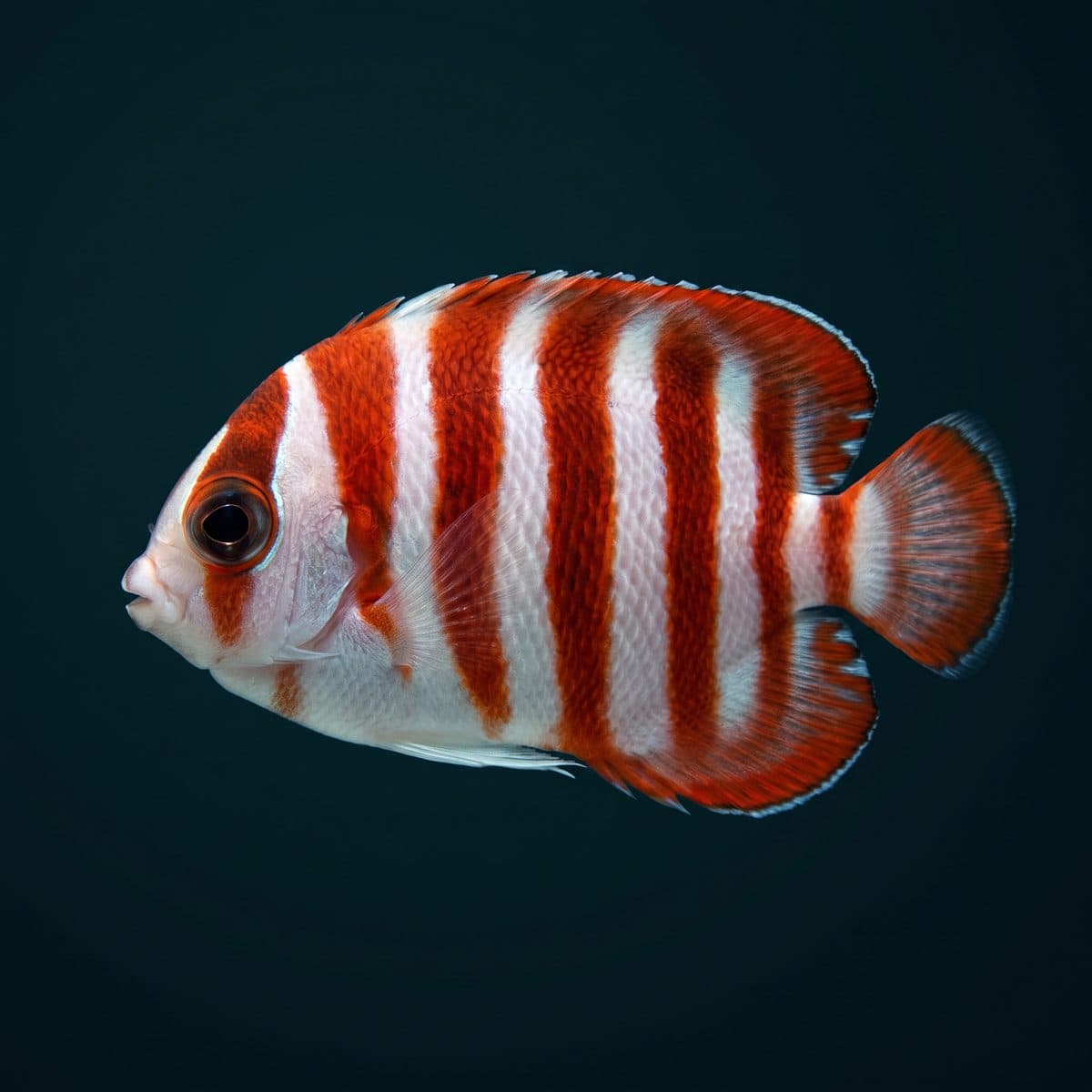
Marine angelfish occupy a rarefied position in the aquarium world. They combine vivid coloration, stately presence, and in some cases, extreme rarity to create specimens that define the aspiration of reef keeping. From the widely admired Emperor and Queen Angelfish to the near-mythical Peppermint Angelfish — collected from depths exceeding 300 feet and commanding prices above $30,000 — the family Pomacanthidae offers something for every level of ambition. If you have been researching angelfish fish for sale, here is what separates an informed purchase from a costly mistake.
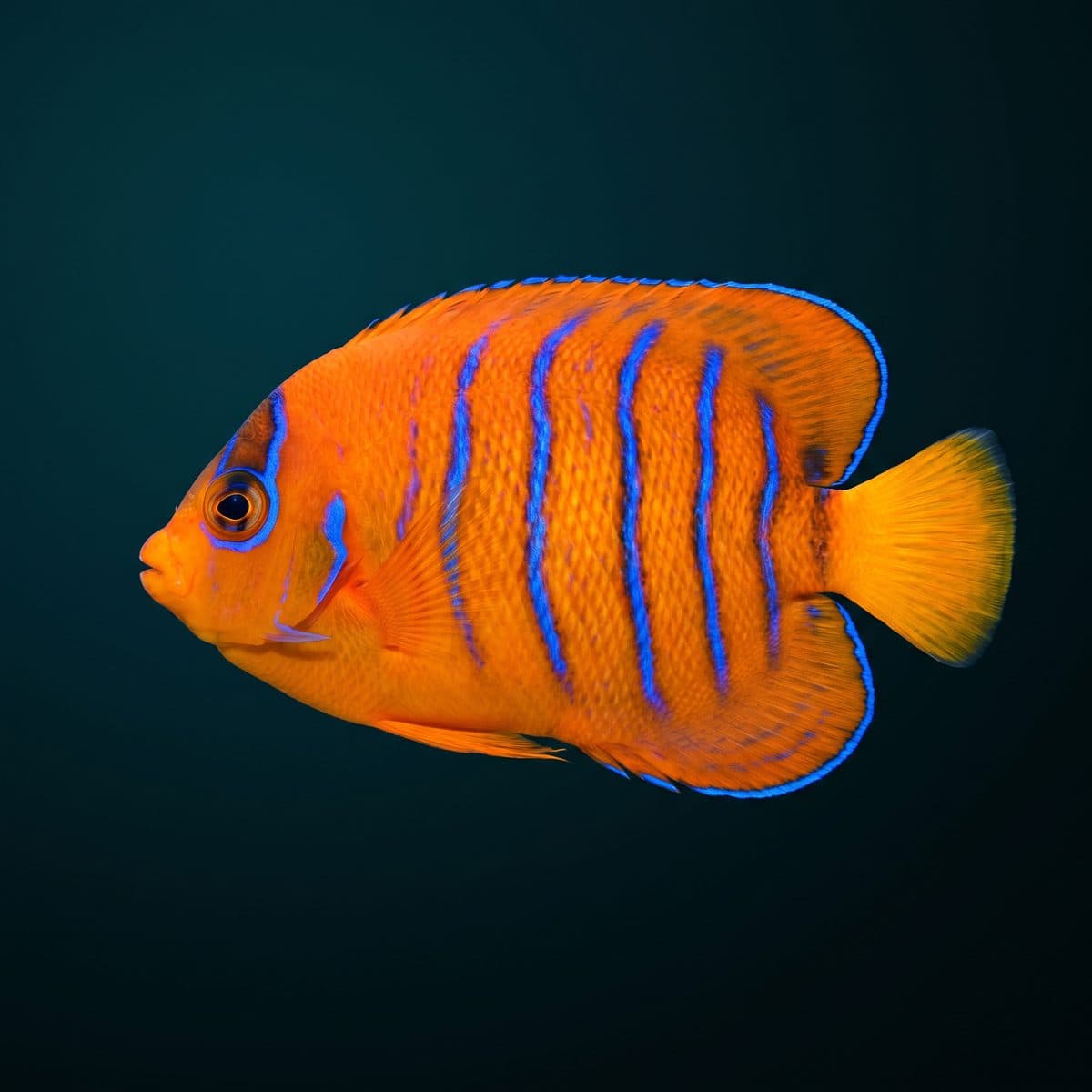
Marine angelfish divide broadly into large angelfish (genera Pomacanthus, Holacanthus) and dwarf angelfish (genus Centropyge and allies). Large angels like the Emperor, French, and Queen Angelfish reach 12-18 inches and require tanks of 200 gallons or more. They are stunning but often not reef-safe, as they tend to nip at corals and clam mantles. Dwarf angels, including the popular Coral Beauty, Flame Angelfish, and Lemonpeel, stay under 4-5 inches and fit in smaller systems, though they too carry a risk of coral nipping that varies by individual. Then there are the ultra-rare deepwater species — the Peppermint Angelfish (Centropyge boylei), the Narcissus Angelfish, and the Japanese Pygmy Angelfish — collected at extreme depths and available only to the most dedicated collectors.
Marine angelfish are sensitive to shipping stress and prone to disease during transition. When evaluating a specimen, bright coloration is important but secondary to behaviour. A healthy angelfish should swim actively, display erect fins, and show interest in its surroundings. Watch for rapid breathing (a sign of gill parasites or stress), visible white spots (marine ich), and any pitting or erosion on the head or lateral line (HLLE disease, common in angels with poor nutrition). Ask the seller how long the fish has been in their system and what it is eating — an angelfish that has been quarantined and is eating prepared foods is a far safer purchase than a freshly imported specimen.
Marine angelfish need established aquariums with stable water chemistry. New tank syndrome and parameter swings are common causes of angelfish loss. Large angels require robust biological filtration, strong water movement, and plenty of live rock for grazing and shelter. Diet is critical — angelfish are prone to HLLE disease when fed a monotonous diet lacking marine-origin fats and vitamins. A good feeding regimen includes mysis shrimp, enriched brine shrimp, nori (seaweed sheets), and a high-quality angelfish pellet containing sponge material, which many wild angels feed on heavily. UV sterilisation is recommended to reduce parasite transmission in angelfish systems.
Our marine angelfish undergo an extended quarantine and conditioning period — typically four to six weeks — that includes prophylactic treatment for common parasites, dietary transition to prepared foods, and behavioural assessment. We do not sell freshly imported, unconditioned angels. Our rare and ultra-rare specimens come with provenance documentation and photographic records. When you purchase a marine angelfish from The Fish Collection, you receive a fish that has already survived the most dangerous phase of captive transition, giving you the best possible foundation for long-term success.
전문가 자료
종 가이드
Centropyge boylei
The Peppermint Angelfish (<em>Centropyge boylei</em>) is arguably the rarest marine aquarium fish in the world, with only a handful of specimens ever collected for the trade. First described in 1992 from deep reefs around the Cook Islands, this diminutive angelfish lives at depths of 55–120 metres, making collection exceptionally difficult and expensive. Specimens that have entered the aquarium trade have sold for $20,000–$30,000, cementing the Peppermint Angelfish as the ultimate prize for elite marine collectors. This guide consolidates what is known about its captive care from the few successful long-term keepers and public aquarium holdings.
가이드 읽기 →종 가이드
Pterophyllum altum
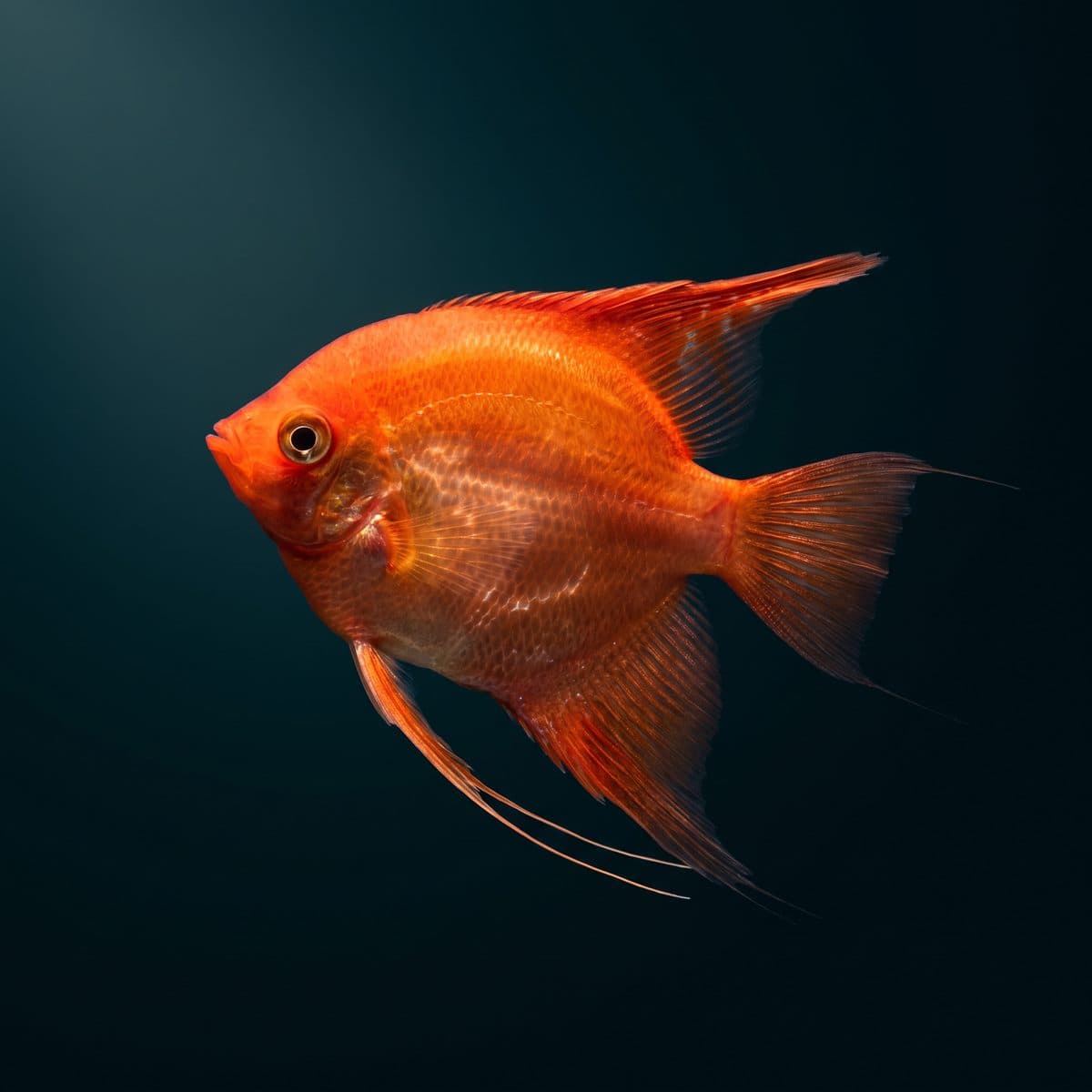
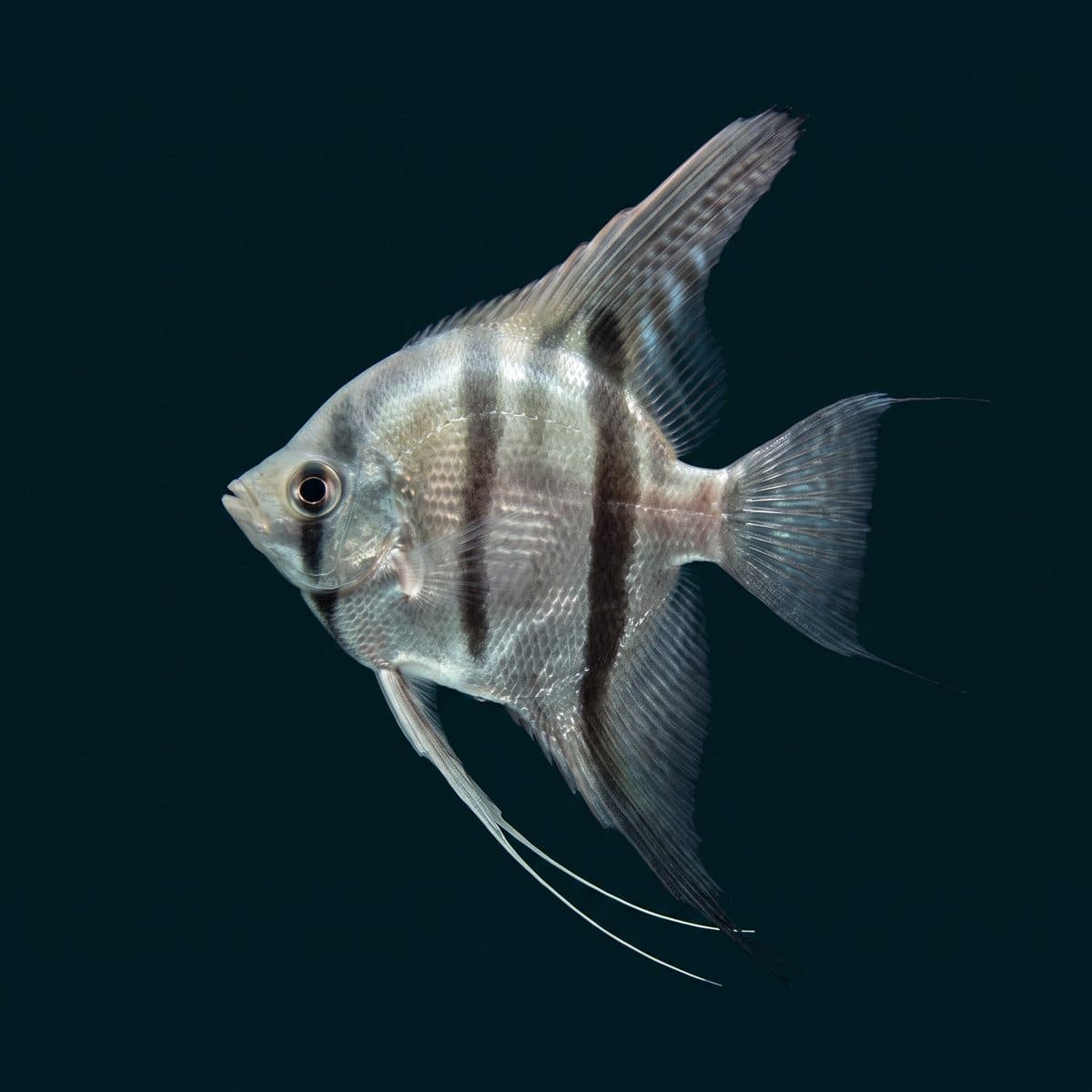
The Altum Angelfish (Pterophyllum altum) is the largest and most majestic of the three recognised Pterophyllum species — and arguably the most challenging freshwater cichlid to maintain in captivity. With a fin-tip-to-fin-tip height that can exceed 40 cm in mature specimens, the Altum dwarfs its common angelfish cousin (P. scalare) and displays a wild elegance that domestic angelfish, with their generations of selective breeding, have long since lost. Native to the extremely soft, acidic blackwater rivers of the upper Orinoco and upper Rio Negro basins, P. altum demands water chemistry that is actively hostile to most other aquarium species — pH values below 5.0, negligible mineral content, and temperatures of 28–30 °C. This The Fish Collection guide provides the detailed husbandry protocol required to keep this extraordinary fish alive and thriving in captivity.
가이드 읽기 →계속 탐색하기