Easy
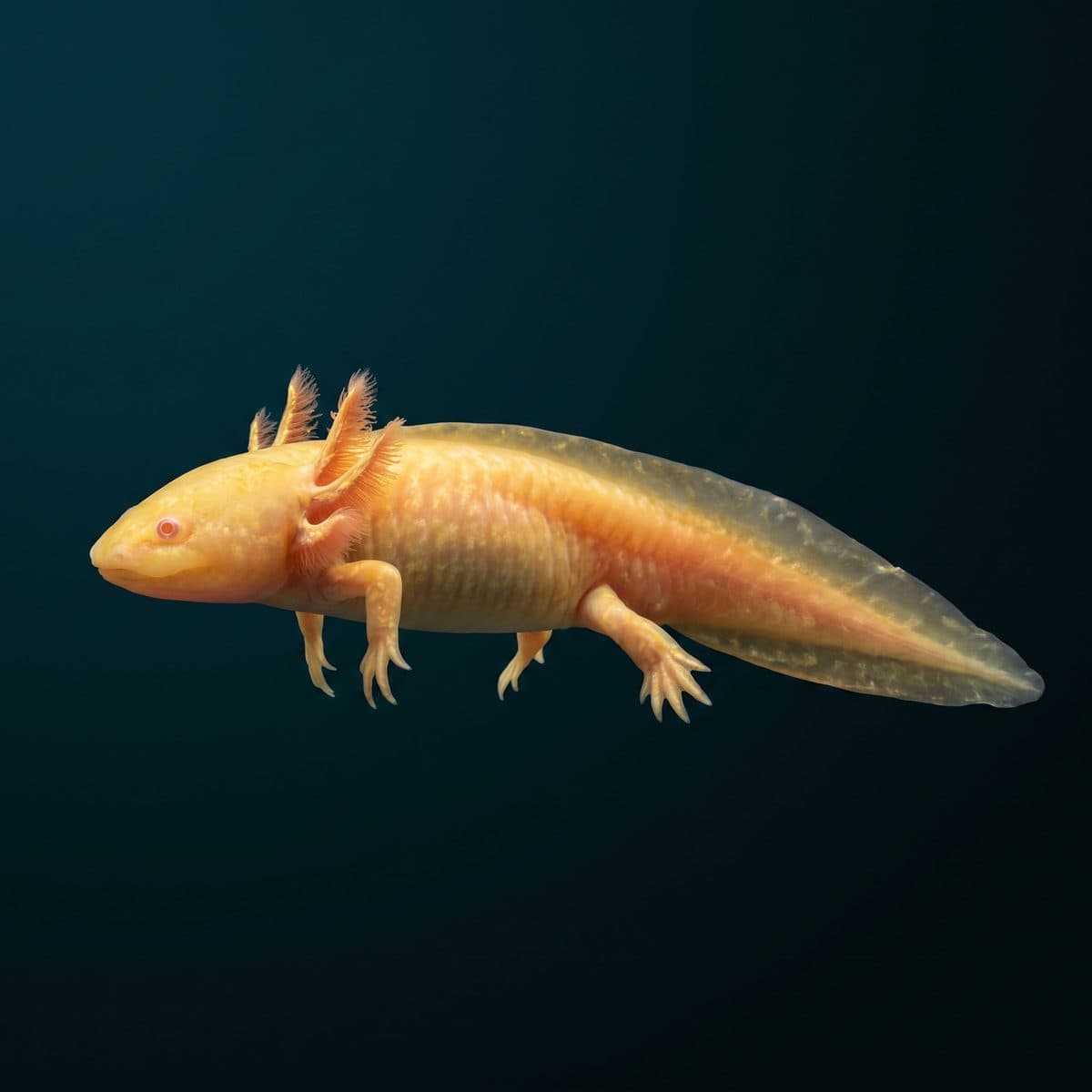
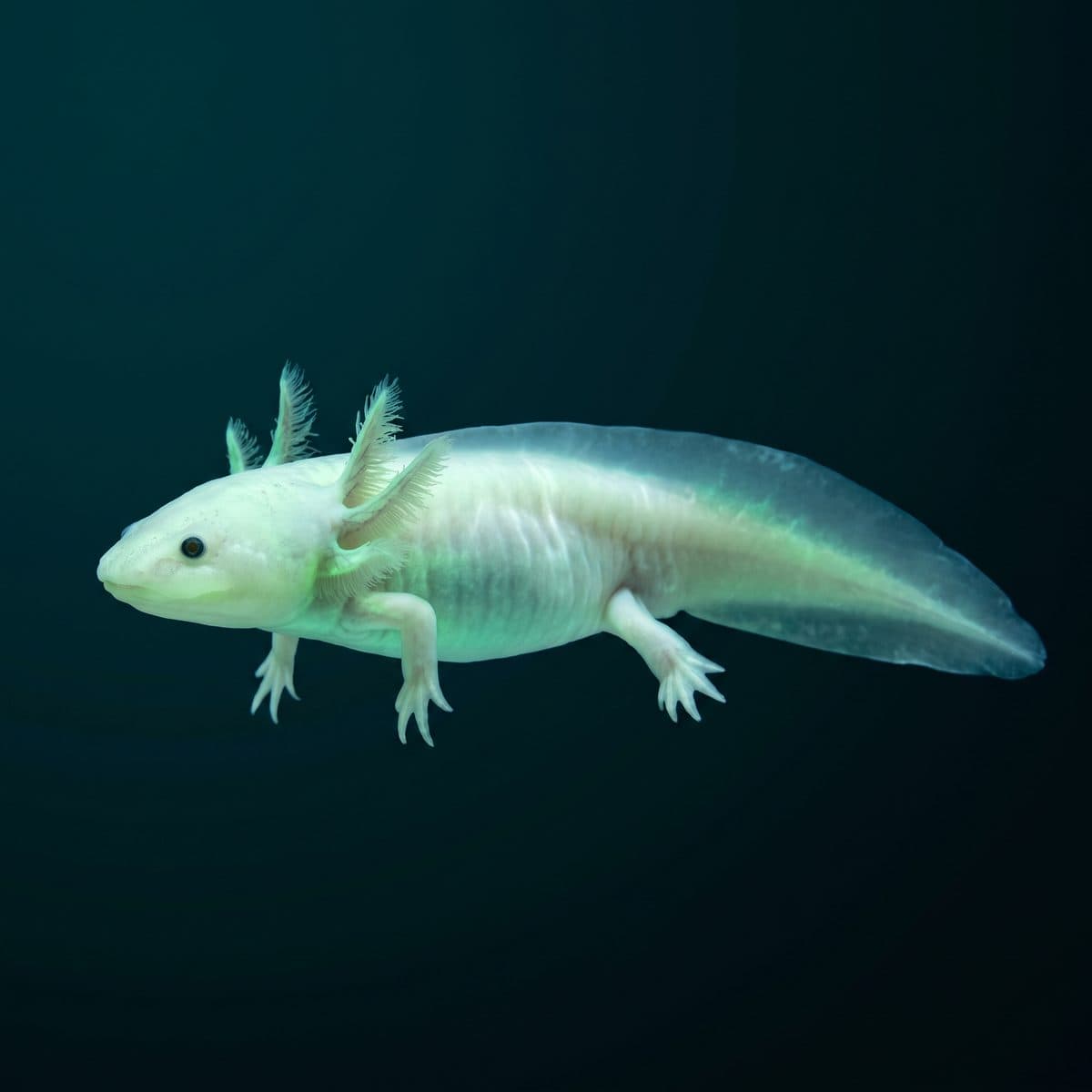
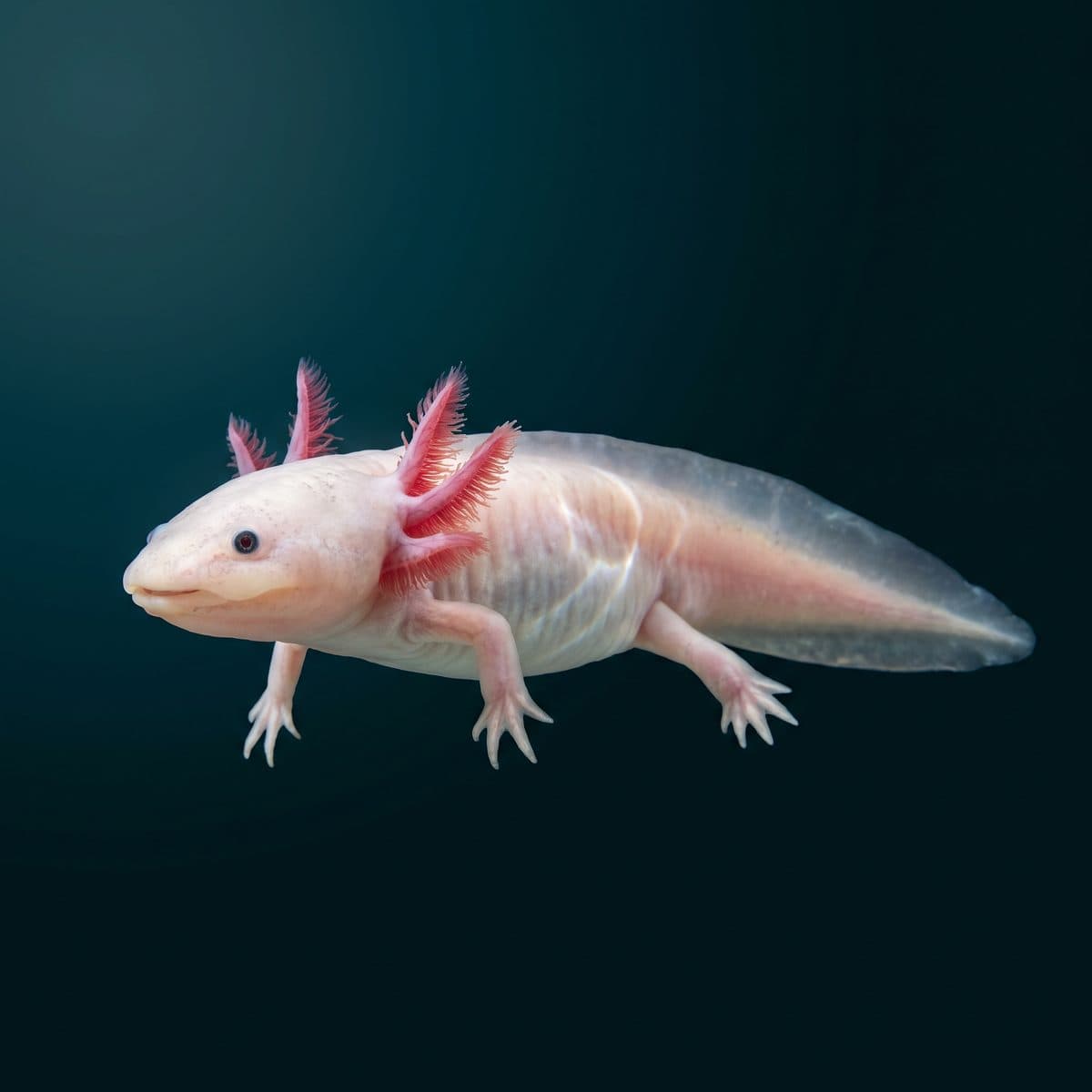
Leucistic Axolotl
Ambystoma mexicanum
₩59,400~Get a quote

Ambystoma mexicanum
The Melanoid Axolotl is the dark counterpart to the hobby's beloved leucistic — a deeply pigmented variant of Ambystoma mexicanum whose entire body is cloaked in rich, uniform dark brown to black colouration that gives it an undeniable presence in any cold-water setup. Where the leucistic axolotl charms with ethereal translucence, the melanoid commands attention through sheer density of pigment. The gills are dark-tinged yet still reveal their deep red vascular network, creating a moody, dramatic contrast. The eyes, also dark, give the melanoid a more intense, almost predatory expression compared to its lighter relatives. The Fish Collection sources our Melanoid Axolotls from breeders who specialise in deep, consistent melanistic colouration — not the patchy, mottled appearance that characterises wild-type axolotls, but a true, even melanoid phenotype.
Insulated, oxygen-packed transit · live-arrival guaranteed
Tank size
20+ gallons
성격
Peaceful
먹이
Carnivore
Water
60–68°F · pH 6.5–8
Tell us what you're dreaming of — we'll reply with a price tailored to you.
Happy together
Not sure if this fish is right for you?
Our team will happily help you choose.
The Melanoid Axolotl is the dark counterpart to the hobby's beloved leucistic — a deeply pigmented variant of Ambystoma mexicanum whose entire body is cloaked in rich, uniform dark brown to black colouration that gives it an undeniable presence in any cold-water setup. Where the leucistic axolotl charms with ethereal translucence, the melanoid commands attention through sheer density of pigment. The gills are dark-tinged yet still reveal their deep red vascular network, creating a moody, dramatic contrast. The eyes, also dark, give the melanoid a more intense, almost predatory expression compared to its lighter relatives. The Fish Collection sources our Melanoid Axolotls from breeders who specialise in deep, consistent melanistic colouration — not the patchy, mottled appearance that characterises wild-type axolotls, but a true, even melanoid phenotype.
Understanding the distinction between melanoid and wild-type is important for informed purchasing. Wild-type axolotls carry a mix of pigment cell types — melanophores (black), xanthophores (yellow), and iridophores (reflective) — producing a mottled olive-brown appearance with golden speckles. Melanoid axolotls, by contrast, have an overabundance of melanophores and a near-complete absence of iridophores. The result is a darker, more uniform animal that lacks the wild-type's reflective sheen but gains a velvety, matte-finish quality that many keepers find more visually striking. Under subdued lighting, a melanoid axolotl against a light sand substrate creates a dramatic high-contrast presentation.
Care requirements are identical to all other axolotl morphs. Cold water between 60 and 68 degrees Fahrenheit is the non-negotiable foundation. A 20-gallon long aquarium with fine sand or bare-bottom substrate, gentle filtration via sponge filter or diffused canister output, and zero detectable ammonia or nitrite. The melanoid morph is no more or less hardy than other colour variants — all Ambystoma mexicanum morphs share the same fundamental biology and environmental needs. Weekly water changes of twenty to thirty percent maintain the conditions that keep the animal's skin healthy and gills fully extended.
One aesthetic advantage of the melanoid morph is its tolerance of — indeed, its enhancement by — varied lighting conditions. While albino and leucistic axolotls can appear washed out under bright light, the melanoid's dark pigmentation absorbs and contrasts beautifully under moderate to bright aquarium LEDs. This makes it an excellent choice for keepers who want a well-lit display tank rather than the subdued setups typically associated with axolotl keeping. The dark body also photographs exceptionally well, producing crisp, high-contrast images without the overexposure challenges common with white-bodied morphs.
Diet follows the standard axolotl protocol: earthworms as the cornerstone, supplemented with quality sinking pellets, frozen bloodworms for juveniles, and occasional treats of raw shrimp or fish. The melanoid's dark colouration is not significantly influenced by diet — it is genetically fixed and remains stable throughout the animal's life, unlike some colour morphs that can fade or shift with age and nutrition.
The Melanoid Axolotl is the choice for keepers who appreciate the axolotl's extraordinary biology and gentle temperament but want a specimen with a bolder, more dramatic visual presence than the pastel-toned morphs. The Fish Collection ships all axolotls in insulated cold-pack containers with our unconditional live arrival guarantee.
일반적인 질문
전문가 자료
이런 물고기도 좋아하실 수 있습니다
₩66,000~
Indicative price