Advanced
Last one
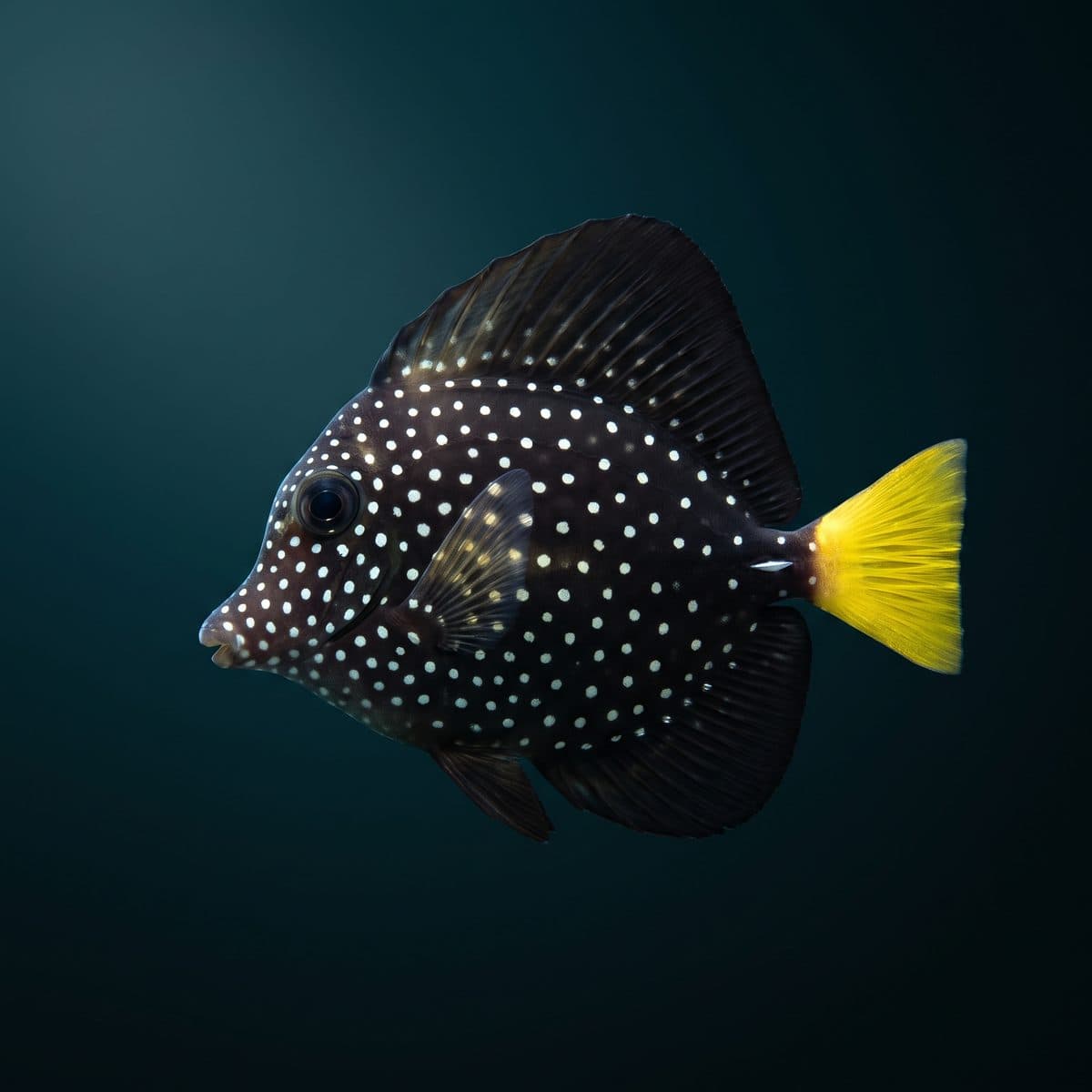
Gem Tang
Zebrasoma gemmatum
₩4,224,000Get a quote
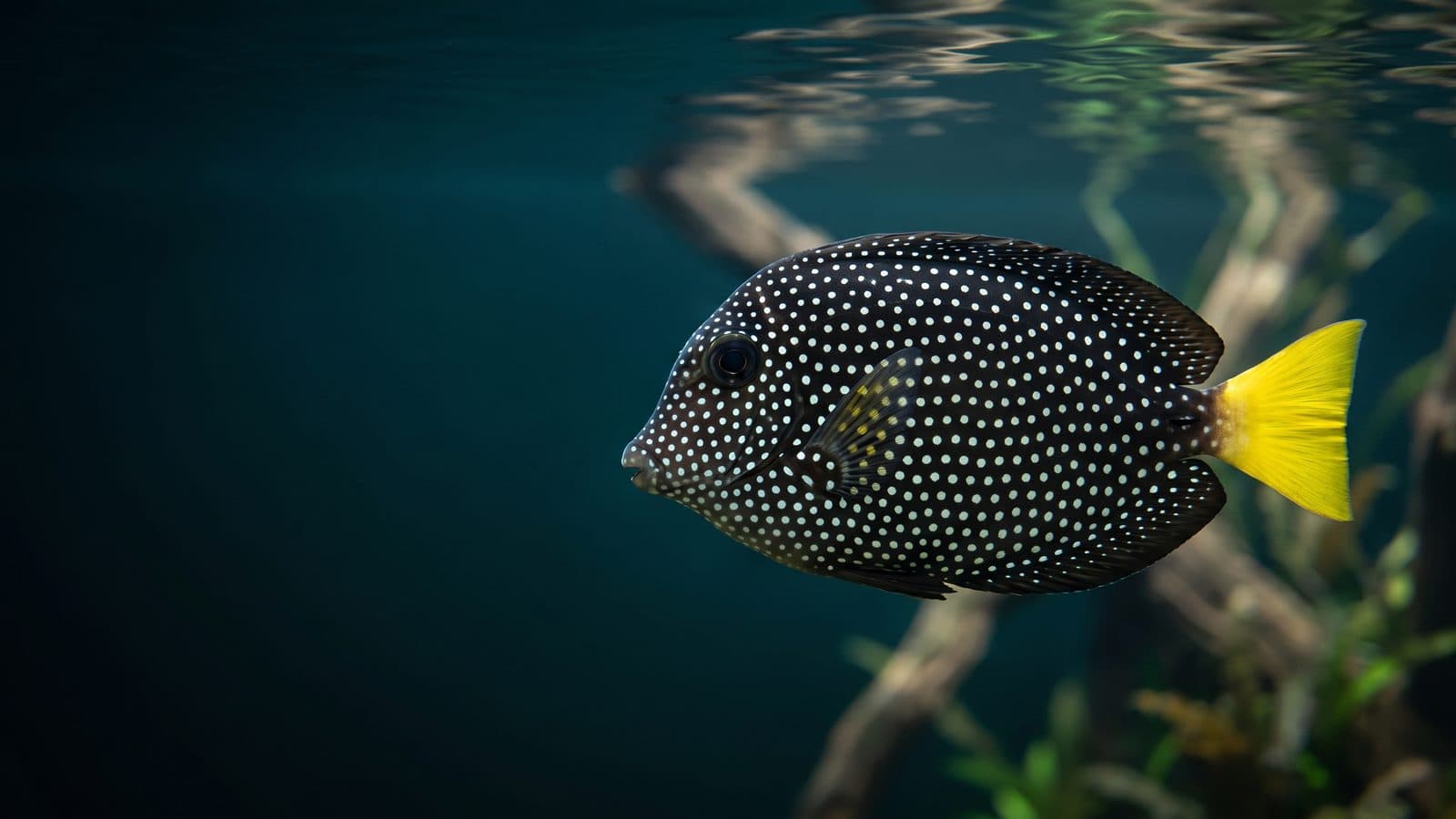
Tangs are the jewels of the reef — vibrant, active, and essential to any serious marine aquarium. Our collection includes the ultra-rare Gem Tang, one of the most sought-after species in the hobby. 1 in stock now.
Tangs — also known as surgeonfish for the scalpel-like spines near their tails — are the vibrant, constantly active fish that define the character of a reef aquarium. A well-stocked tang collection transforms a static reef display into a dynamic, living seascape where fish patrol territories, graze algae from rockwork, and display colours so vivid they seem almost artificial. From the iconic Blue Tang made famous in film to the staggeringly valuable Gem Tang, the search for tang fish for sale opens a vast spectrum of species to suit every taste and budget.
The family Acanthuridae contains approximately 80 species grouped into several genera. Zebrasoma tangs — Yellow Tang, Purple Tang, Gem Tang, Sailfin Tang — are characterised by their disc-like body shape and relatively compact size (6-10 inches). Acanthurus tangs — Blue Tang, Powder Blue Tang, Achilles Tang — tend toward a more elongated body form and often require larger tanks and more experienced keepers due to their susceptibility to parasites. Naso tangs — Blonde Naso, Lipstick Tang — are the giants of the family, reaching 18 inches or more and requiring the largest aquariums. The Gem Tang (Zebrasoma gemmatum), found only in the deep reefs of the western Indian Ocean, is arguably the most coveted tang species — its jet-black body covered in brilliant white spots commands prices of $1,000-3,000 depending on size and quality.
Tangs are susceptible to marine ich (Cryptocaryon irritans) and marine velvet (Amyloodinium ocellatum) at rates higher than most other reef fish, making careful selection critical. A tang that has been quarantined and treated prophylactically for parasites is infinitely safer than a fresh import. When evaluating specimens, look for a plump body with no pinched belly or visible spine ridges — tangs are active grazers that lose condition rapidly when stressed. Fins should be erect and undamaged. Breathing should be calm and regular. Observe the fish eating: a tang that actively grazes algae from rock surfaces and accepts nori (dried seaweed) or frozen preparations is well-acclimated. Avoid tangs with visible white spots, excessive mucus, rapid breathing, or any signs of HLLE (pitting around the head and lateral line).
Tangs are active open-water swimmers that need proportionally large tanks. Even the smallest Zebrasoma tangs need 75 gallons minimum, and most tang keepers find that 100-180 gallons provides a much better quality of life. Large Acanthurus and Naso tangs need 200 gallons or more. Water quality must be excellent: stable salinity (1.023-1.025), temperature (76-80 degrees Fahrenheit), zero ammonia and nitrite, and low nitrates. Strong water flow is essential — tangs come from current-swept reef zones and will languish in stagnant water. Diet should emphasise marine algae: nori sheets offered daily, frozen preparations containing spirulina and marine greens, and supplemental mysis shrimp for protein. A well-fed tang is a healthy tang, and underfeeding is the most common mistake new tang keepers make.
Every tang we sell completes a rigorous quarantine protocol that includes prophylactic parasite treatment (copper or tank transfer method depending on species), dietary conditioning, and behavioural assessment. We do not sell freshly imported tangs. Our rare specimens — including Gem Tangs, Achilles Tangs, and Powder Blue Tangs — come with photographic documentation and precise measurements. We provide frank advice on compatibility, as tangs can be aggressive toward other tangs and careful species selection is essential for mixed-tang systems. With free insulated shipping, specialised marine packaging, and our unconditional live arrival guarantee, The Fish Collection offers the safest way to add these spectacular fish to your reef.
전문가 자료
종 가이드
Zebrasoma gemmatum
The Gem Tang (<em>Zebrasoma gemmatum</em>) is widely considered the holy grail of marine aquarium fish, with specimens routinely commanding $2,000–$4,000 at retail. Endemic to a narrow band of the western Indian Ocean — primarily around Mauritius, Réunion, and Madagascar — its limited collection range, deepwater habitat, and export restrictions make it one of the rarest tangs in the trade. This guide provides collector-grade care instructions based on The Fish Collection's direct experience maintaining and shipping this extraordinary surgeonfish.
가이드 읽기 →사육 가이드
A care guide for marine tangs (surgeonfish, family Acanthuridae) — one of the most popular and challenging groups in the saltwater hobby. Covers the most commonly kept species, tank size requirements, the critical importance of algae-based diets, and ich prevention strategies.
가이드 읽기 →계속 탐색하기