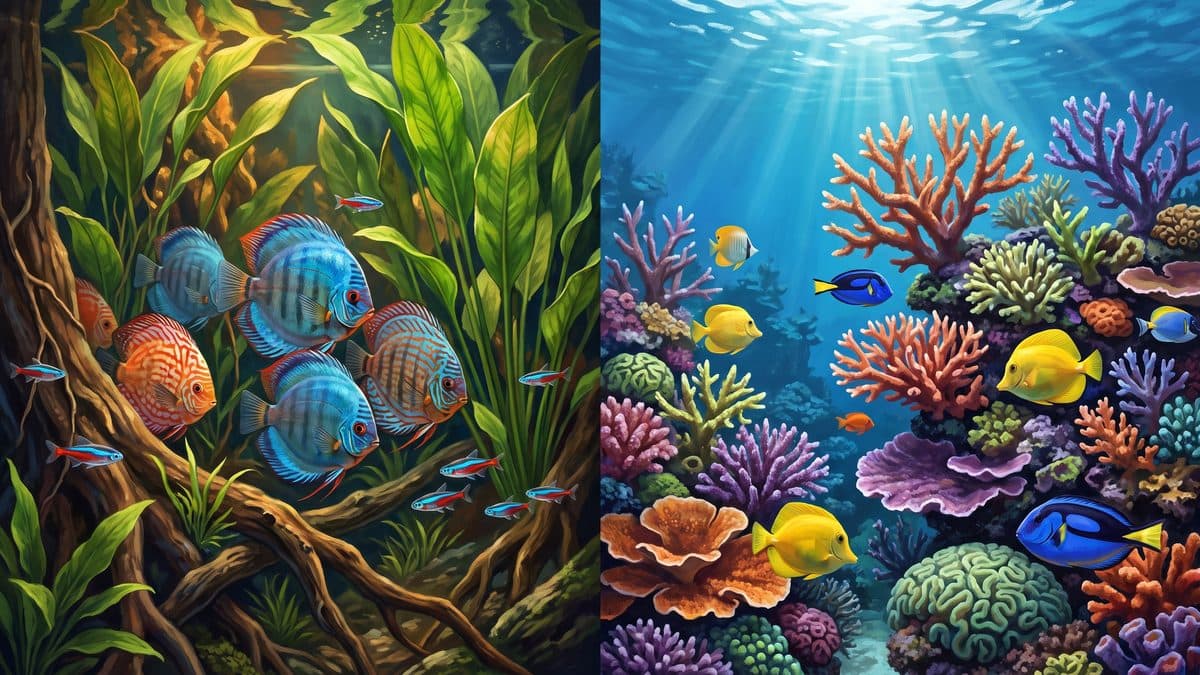
The Fundamental Choice: Fresh or Salt?
Every aspiring aquarist faces the same decision: freshwater or saltwater? It is the single most consequential choice you will make in the hobby, because it determines your equipment, budget, maintenance routine, livestock options, and learning curve for years to come. Both paths lead to stunning, rewarding aquariums — but they are fundamentally different experiences.
This guide provides an honest, numbers-driven comparison so you can choose with confidence rather than regret. We have set up and maintained hundreds of both types at The Fish Collection, and the data is clear: freshwater is the better starting point for the vast majority of hobbyists, while saltwater rewards those with the patience, budget, and experience to tackle its demands.
Freshwater Aquarium Overview
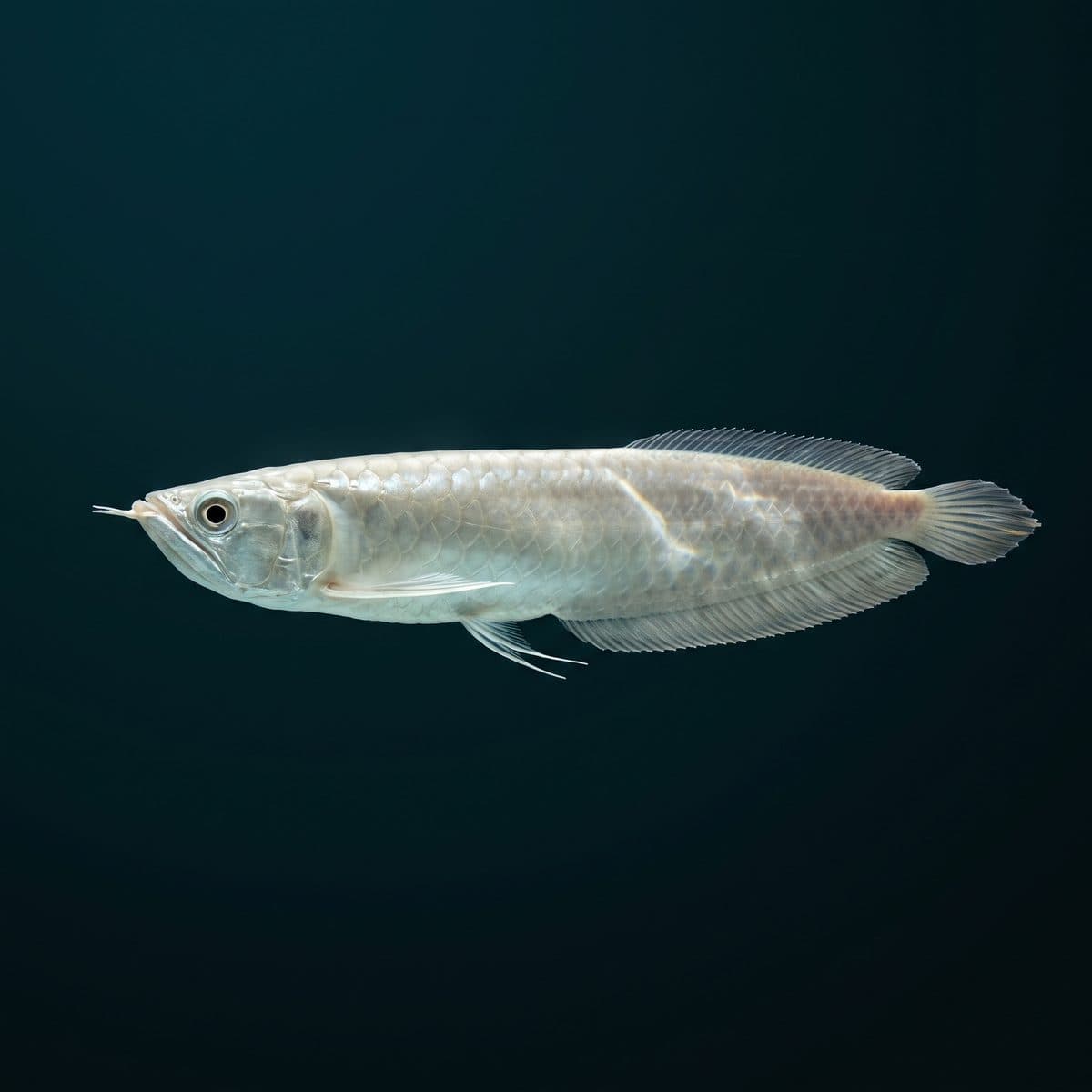
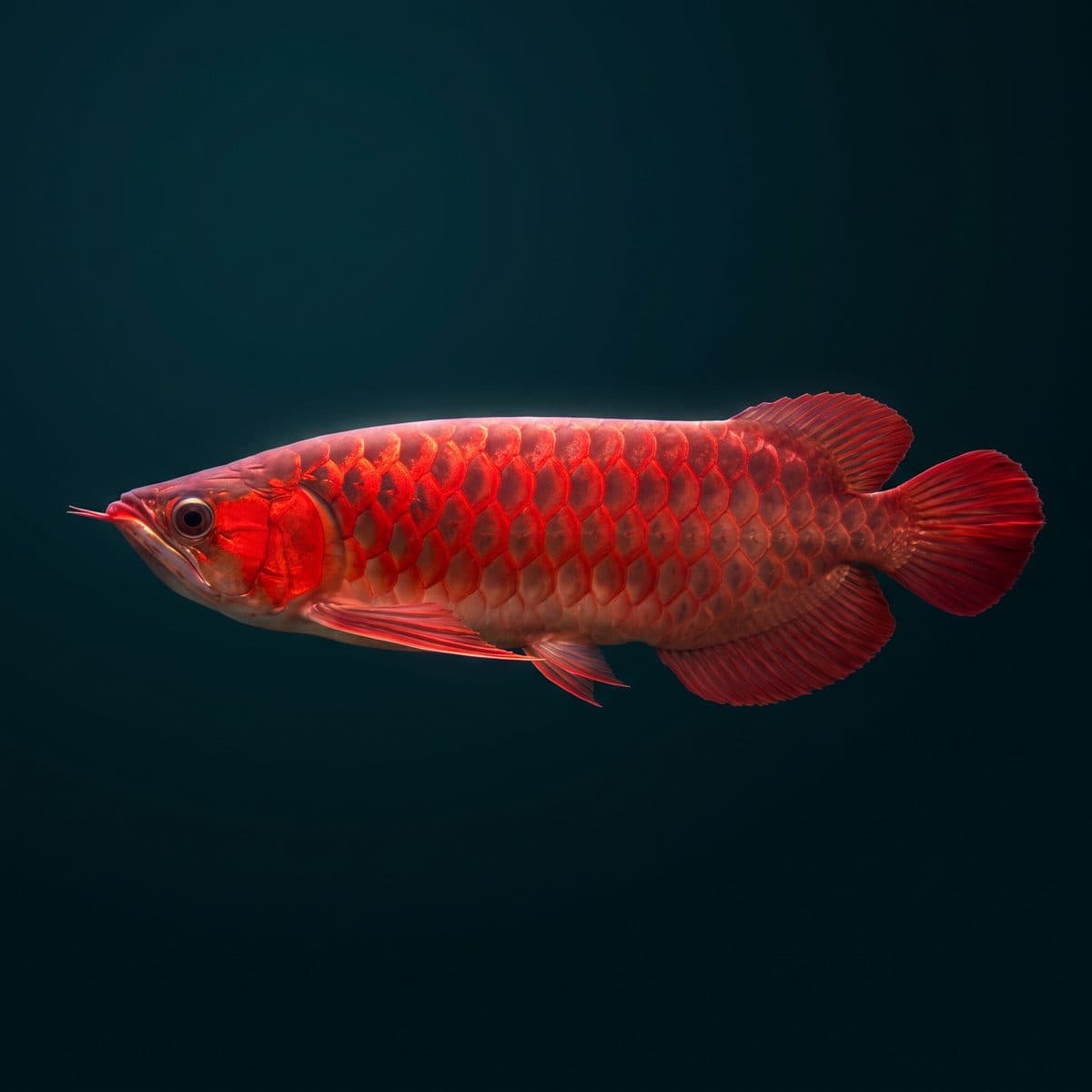
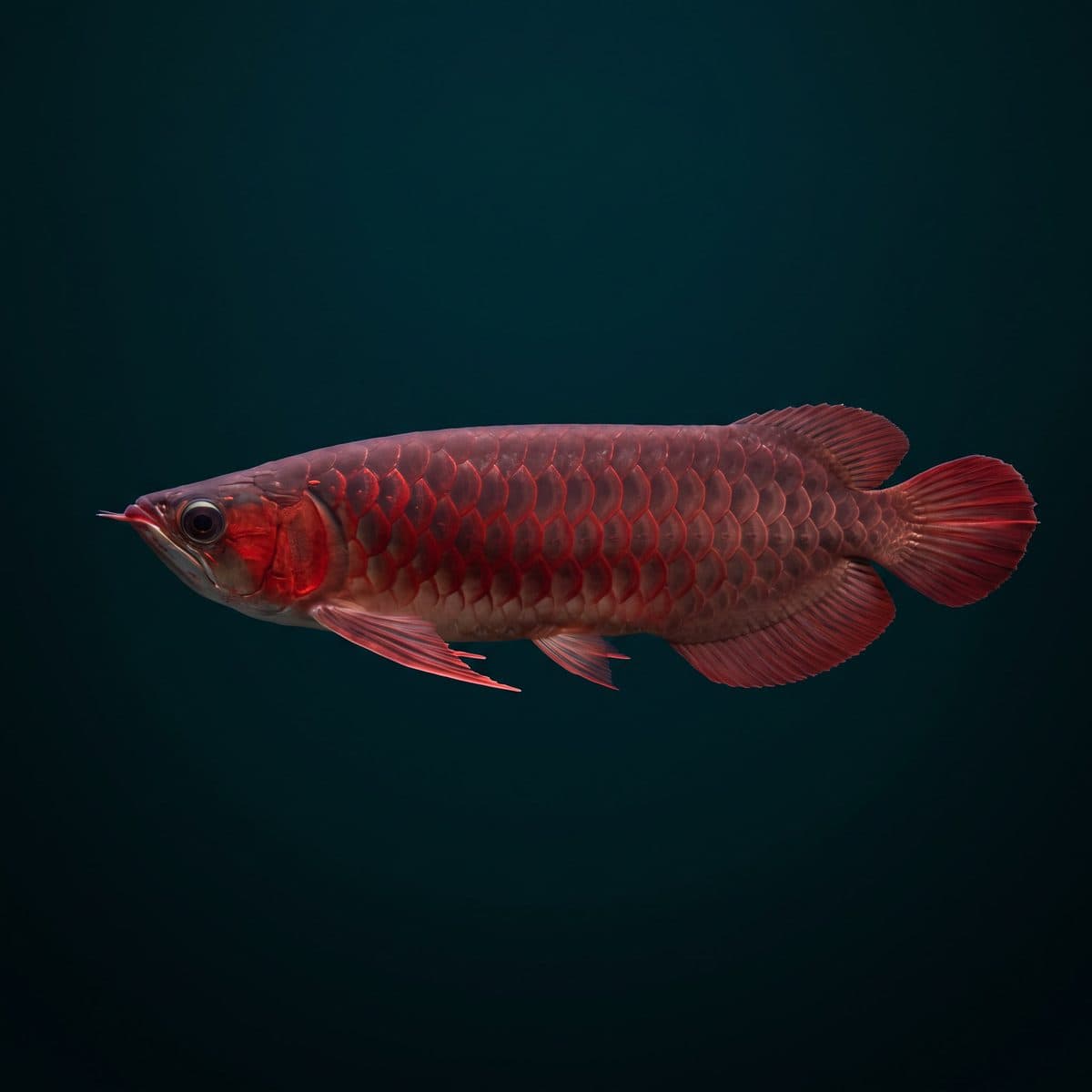
Freshwater aquariums replicate the rivers, lakes, and streams that house roughly 40 % of all fish species on Earth. They range from simple community tanks with Tetras and Corydoras to elaborate planted aquascapes, African Rift Lake cichlid displays, and large predator systems housing Arowanas, Stingrays, and Oscars.
The freshwater hobby's greatest strength is accessibility. Equipment is straightforward (filter, heater, light, test kit), livestock is affordable ($2–$50 for most species, with rare exotics reaching $100–$1,000+), and the learning curve — while real — is manageable for diligent beginners. The nitrogen cycle is the same in fresh and salt, but freshwater systems are far more forgiving of the parameter fluctuations that inevitably occur while learning.
Freshwater also encompasses the fastest-growing segment of the hobby: aquascaping — the art of underwater landscaping using live plants, hardscape (rock and driftwood), and carefully controlled lighting and CO2. Competitive aquascaping has exploded globally, driven by social media and creators like Takashi Amano. A well-executed planted tank rivals any reef aquarium in visual impact.
Saltwater Aquarium Overview
Saltwater aquariums (also called marine aquariums) replicate ocean environments — coral reefs, lagoons, and open-water habitats. They are subdivided into three main categories:
- Fish-Only (FO): Marine fish without live corals. The simplest saltwater setup, requiring standard marine equipment but not the intense lighting or precise water chemistry demanded by corals.
- Fish-Only with Live Rock (FOWLR): Adds porous live rock (or dry rock seeded with bacteria) for biological filtration and natural aesthetics. The mid-tier option — more visually interesting than FO, less demanding than a reef.
- Reef Tank: The pinnacle — live corals (soft corals, LPS, SPS), invertebrates (shrimp, anemones, clams), and marine fish in a system that mimics a coral reef ecosystem. Reef tanks demand the highest investment in lighting, water chemistry, and maintenance, but produce the most visually spectacular aquariums possible.
Saltwater fish include some of the most iconic species in the hobby: Clownfish, Blue Tang, Yellow Tang, Mandarin Dragonet, Flame Angelfish, and hundreds more. When combined with live corals — flowing Euphyllia, branching Acropora, glowing Zoanthids — a reef tank is a living painting that no freshwater setup can quite match for raw colour diversity.
Side-by-Side Comparison Table
| Factor | Freshwater | Saltwater |
|---|---|---|
| Initial Setup Cost (55 gal) | $300–$800 | $1,500–$5,000+ |
| Monthly Operating Cost | $20–$50 | $50–$200+ |
| Difficulty Level | Beginner to Advanced | Intermediate to Expert |
| Learning Curve | 1–3 months to competence | 6–12 months to competence |
| Water Change Frequency | 25–30 % weekly | 10–20 % weekly + parameter dosing |
| Equipment Complexity | Filter, heater, light, test kit | All of the above + protein skimmer, RO/DI, powerheads, reef lighting, dosing pumps, ATO |
| Livestock Cost (average) | $2–$50 per fish | $15–$200+ per fish |
| Number of Available Species | ~5,000+ in the trade | ~2,000+ in the trade |
| Forgiveness of Mistakes | Moderate to High | Low |
| Visual Impact | High (planted tanks, cichlid displays) | Exceptional (reef tanks) |
| Space for Corals | No (freshwater plants instead) | Yes (soft, LPS, SPS corals) |
| Evaporation Management | Manual top-off usually fine | Auto Top-Off (ATO) system recommended |
Cost Comparison
Initial Setup Cost
The cost gap between freshwater and saltwater is significant at setup and widens over time:
| Component | Freshwater (55 gal) | Saltwater Reef (55 gal) |
|---|---|---|
| Tank + stand | $150–$300 | $150–$400 (may need drilled tank for sump) |
| Filtration | $50–$250 (HOB or canister) | $300–$800 (sump + protein skimmer) |
| Heater | $30–$60 | $30–$60 |
| Lighting | $30–$150 | $200–$600 (reef-grade LED) |
| Powerheads/wavemakers | $0–$30 | $80–$300 |
| RO/DI system | $0 (optional) | $150–$300 (essential) |
| Salt mix (initial batch) | $0 | $40–$60 |
| Live rock / dry rock | $0 | $100–$300 |
| Substrate | $10–$40 | $30–$80 (aragonite sand) |
| Test kits | $25 (API Master Kit) | $80–$200 (multiple parameter kits) |
| Auto Top-Off (ATO) | $0 | $80–$200 |
| Livestock (initial stocking) | $50–$150 | $200–$800+ |
| Total | $345–$1,030 | $1,440–$4,100+ |
A saltwater reef costs 3–5x more to set up than a comparable freshwater system. The primary drivers are reef lighting ($200–$600 vs $30–$150), the protein skimmer ($150–$400, with no freshwater equivalent), and the RO/DI system ($150–$300, essential for reef tanks to produce pure water without chlorine, chloramine, silicates, or phosphates that fuel nuisance algae).
Ongoing Monthly Costs
| Monthly Expense | Freshwater | Saltwater Reef |
|---|---|---|
| Electricity | $10–$25 | $25–$60 (more lights, pumps, skimmer) |
| Water conditioner / salt mix | $5–$10 | $15–$40 |
| RO membrane / DI resin | $0 | $5–$15 |
| Food | $10–$20 | $15–$40 |
| Additives / dosing | $0–$10 | $10–$50 (calcium, alkalinity, magnesium) |
| Filter media | $5–$10 | $5–$15 |
| Total monthly | $30–$75 | $75–$220 |
Over a five-year period, a freshwater 55-gallon system costs approximately $2,100–$5,500 total (setup + 60 months operating). The same size reef tank costs $6,000–$17,000+. The difference is real and should be factored into your decision honestly.
Difficulty and Maintenance
Freshwater maintenance routine (weekly, ~30 minutes):
- Test water parameters (ammonia, nitrite, nitrate, pH) — 5 minutes
- Perform 25–30 % water change with dechlorinated tap water — 15 minutes
- Vacuum gravel/sand for debris — part of water change
- Clean glass (algae scraper) — 5 minutes
- Rinse filter media in old tank water (monthly) — 5 minutes
Saltwater reef maintenance routine (weekly, ~60–90 minutes):
- Test water parameters (pH, alkalinity, calcium, magnesium, nitrate, phosphate) — 15 minutes
- Prepare saltwater (RO/DI water + salt mix, mixed 24 hours in advance) — 10 minutes prep + 24 hr wait
- Perform 10–20 % water change — 20 minutes
- Clean protein skimmer cup — 5 minutes
- Top off ATO reservoir with fresh RO/DI water — 5 minutes
- Dose calcium, alkalinity, and magnesium (or check dosing pump levels) — 10 minutes
- Clean glass, check coral health, inspect equipment — 10 minutes
- Replace filter socks (if using sump) — 5 minutes
The critical difference is not just time — it is the consequence of mistakes. In freshwater, a missed water change raises nitrate from 20 to 40 ppm; most fish handle this without visible stress. In a reef, a missed calcium or alkalinity dose can crash a coral colony overnight. A slight ammonia spike that a hardy cichlid shrugs off will kill an SPS coral in hours. The margin for error in saltwater is dramatically narrower.
Species Selection
Freshwater highlights:
- Community fish: Tetras (100+ species), Rasboras, Gourami, Livebearers (Guppies, Platies, Mollies), Corydoras, Plecostomus
- Cichlids: Oscars, Discus, Angelfish, Flowerhorn, African Rift Lake species, Dwarf cichlids (Apistogramma, Rams)
- Predators/Exotics: Arowana, Freshwater Stingray, Bichir, Wolf Fish, Datnoid — see The Fish Collection's exotic fish collection
- Invertebrates: Freshwater shrimp (Cherry, Amano, Crystal), snails (Nerite, Mystery), crayfish
- Plants: Thousands of aquatic plant species for aquascaping — from carpeting plants (Monte Carlo, Dwarf Baby Tears) to statement pieces (Amazon Sword, Madagascar Lace Plant)
Saltwater highlights:
- Reef fish: Clownfish, Tangs (Blue, Yellow, Powder Blue), Angelfish (Flame, Emperor, French), Wrasses, Gobies, Blennies, Mandarin Dragonet
- Corals: Soft corals (Zoanthids, Mushrooms, Leather Corals), LPS (Euphyllia, Brain Coral, Acan), SPS (Acropora, Montipora, Stylophora)
- Invertebrates: Anemones, Cleaner Shrimp, Hermit Crabs, Turbo Snails, Tridacna Clams, Sea Stars
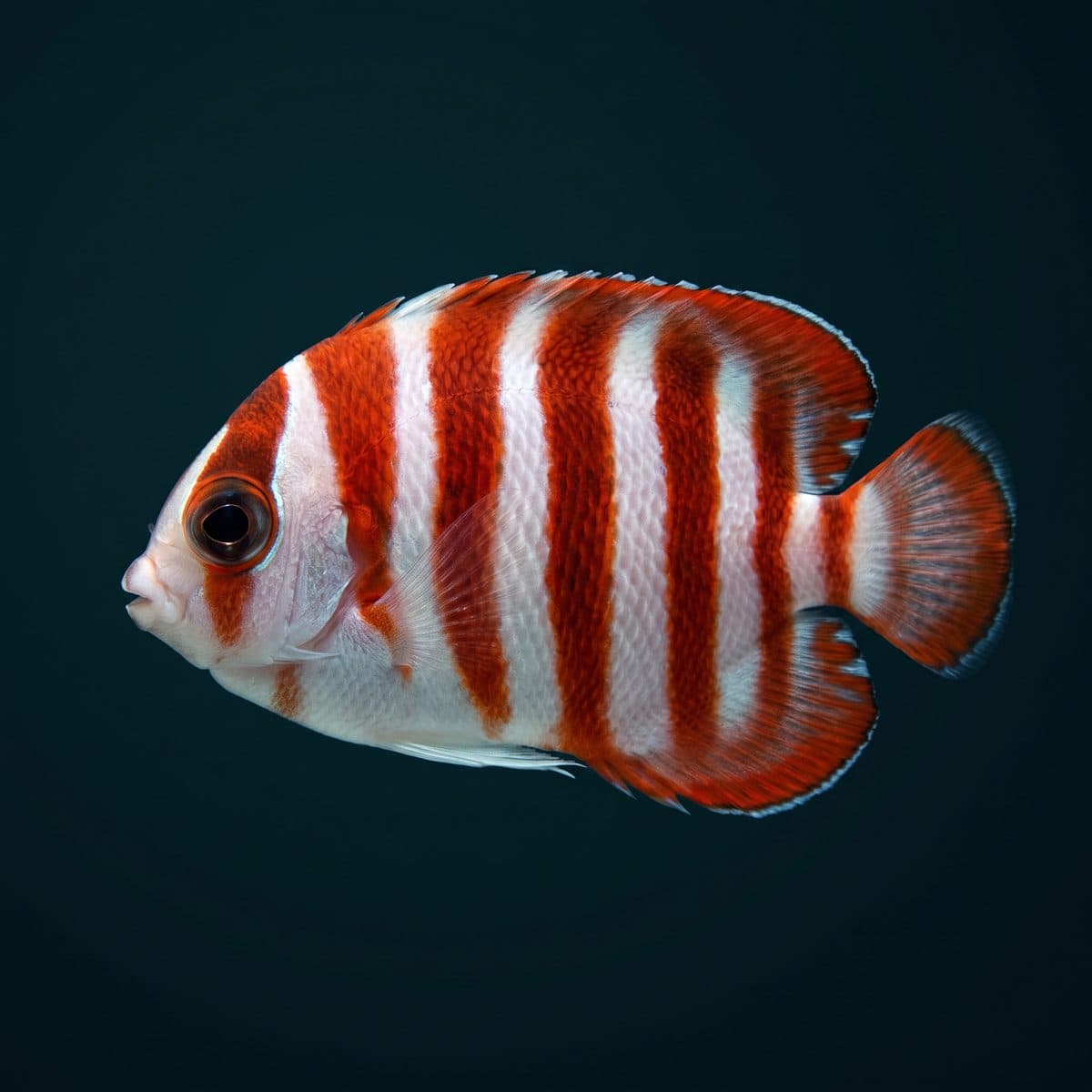
- Rare/premium: Gem Tang ($800–$3,000+), Peppermint Angelfish ($30,000), Clarion Angelfish ($2,500–$7,000)
Freshwater offers more species diversity overall, but saltwater corals add an entire dimension — growing, fragging (propagating), and trading coral colonies is a hobby-within-a-hobby that has no freshwater equivalent.
Equipment Differences
Freshwater and saltwater share the basics — tank, filter, heater, light — but saltwater adds several categories of equipment with no freshwater analogue:
- Protein skimmer: Removes dissolved organic compounds before they decompose into nitrate. Essential for reef tanks. The skimmer sits in the sump and produces a dark, foul-smelling "skimmate" that represents waste that would otherwise degrade water quality. Budget $150–$400 for a quality unit (Reef Octopus, Nyos, Bubble Magus).
- RO/DI system: Produces ultra-pure water (0 TDS) for mixing salt and topping off evaporation. Tap water contains silicates, phosphates, chloramine, and heavy metals that fuel nuisance algae and harm corals. A 4-stage RO/DI system costs $150–$300 and is non-negotiable for reef keeping.
- Powerheads/wavemakers: Corals need strong, varied water flow to deliver nutrients and remove waste from their tissue. Two to four wavemakers (Vortech MP10/MP40, Tunze Turbelle, Maxspect Gyre) create chaotic, reef-simulating flow. Budget $80–$300+ depending on tank size.
- Auto Top-Off (ATO): Saltwater evaporates as pure water, leaving salt behind — so you must top off with fresh RO/DI water daily to prevent salinity creep. An ATO (Tunze Osmolator, XP Aqua Duetto) automates this. Budget $80–$200.
- Dosing pumps: Corals consume calcium, alkalinity (carbonate hardness), and magnesium as they grow. Dosing pumps (Kamoer, GHL Doser) automatically add calculated amounts throughout the day to maintain stability. Budget $80–$250 for a 3-channel setup.
- Reef lighting: Corals contain symbiotic zooxanthellae algae that require specific light spectra (heavy blue/UV) and intensities (200–500+ PAR for SPS corals). Reef lights (AI Hydra, Ecotech Radion, Kessil A360X) cost $200–$600 each, and a 55-gallon reef may need two units.
This equipment complexity is the primary reason saltwater costs more and demands more knowledge. Each component must be properly sized, maintained, and monitored. For equipment recommendations across both types, see our aquarium equipment guide.
Verdict: Which Is Right for You?
Choose freshwater if:
- You are new to the aquarium hobby
- Your budget is under $1,000 for initial setup
- You prefer 30 minutes of weekly maintenance over 60–90 minutes
- You want access to exotic species like Arowanas, Discus, Flowerhorns, and Stingrays
- You are interested in aquascaping with live plants
- You want a forgiving system that tolerates the learning mistakes everyone makes
Choose saltwater if:
- You have 1–2+ years of freshwater aquarium experience (strongly recommended)
- You can budget $1,500–$5,000+ for initial setup and $75–$200+ monthly
- You are fascinated by coral biology and reef ecosystems
- You enjoy equipment, tinkering, and dialling in precise parameters
- You want the most visually spectacular aquarium possible
- You have the patience for a 6–12 month learning curve before the system matures
Our recommendation: Start freshwater. Master the nitrogen cycle, build water-change discipline, and learn to read fish behaviour. If, after a year, the coral reef siren call is irresistible — you will have the skills and confidence to tackle salt with a far higher chance of success. Many experienced reefers maintain both freshwater and saltwater systems, and the skills transfer in both directions.