Intermediate
Nog 2
Sanke Koi
Cyprinus rubrofuscus
vanaf € 368Get a quote
Cyprinus rubrofuscus
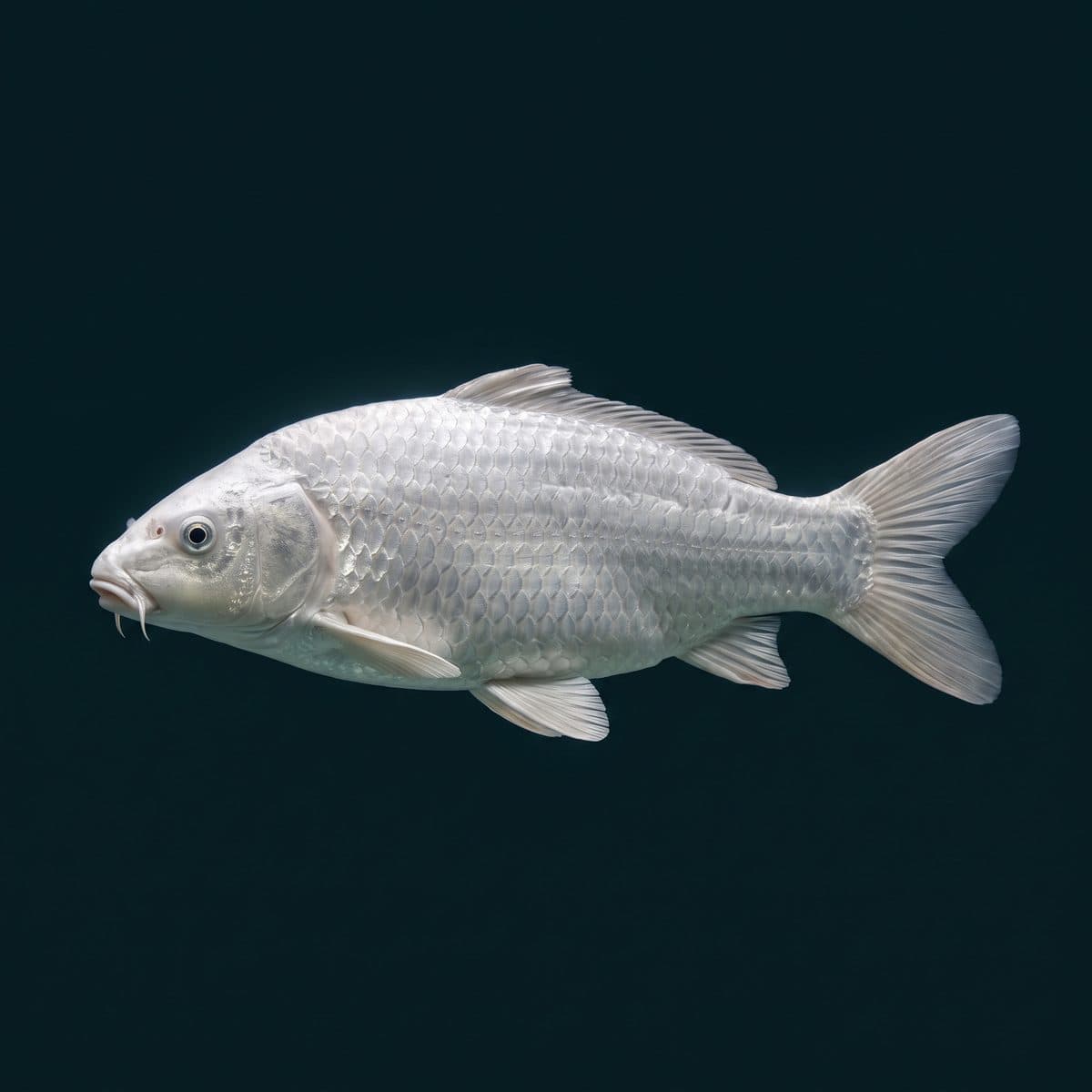
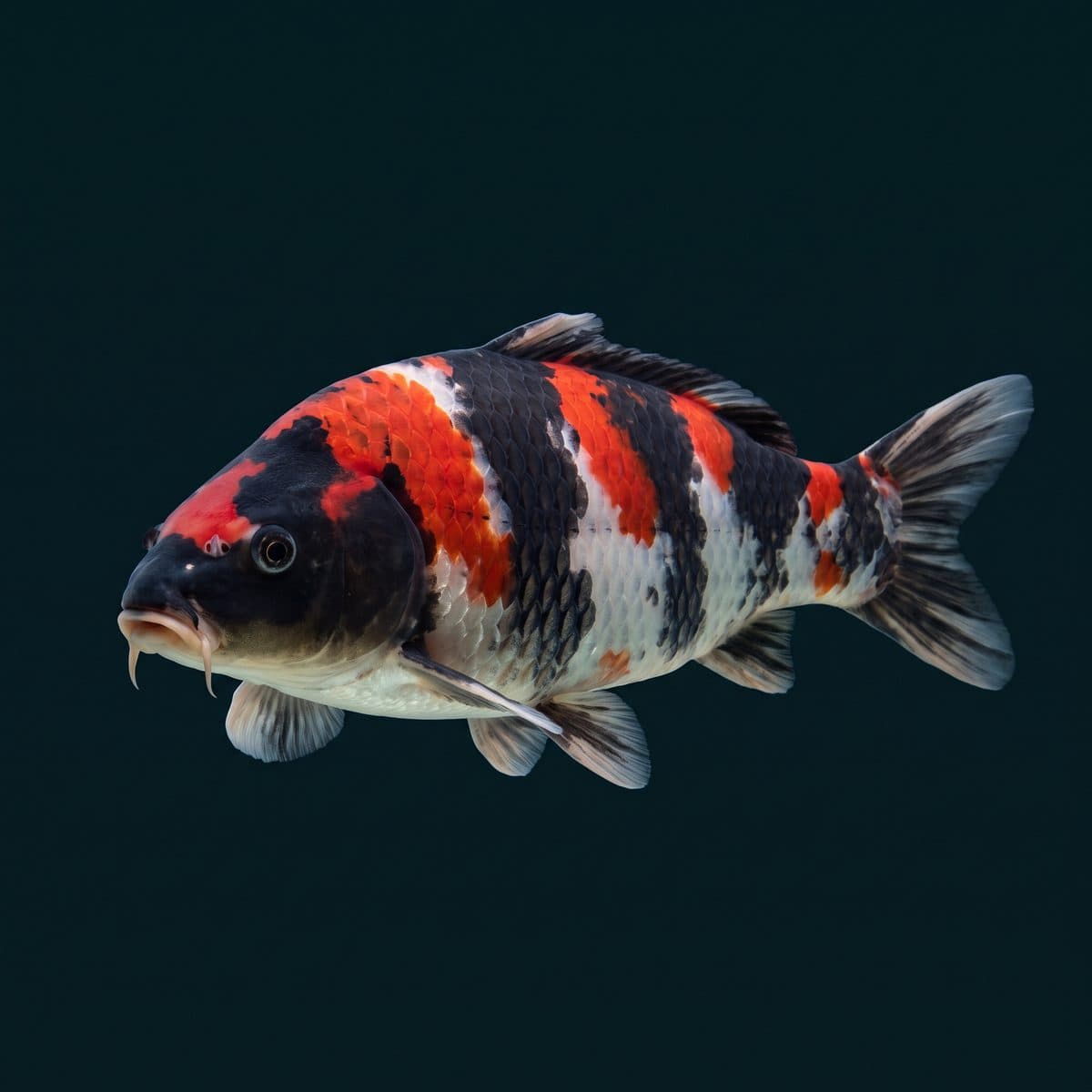
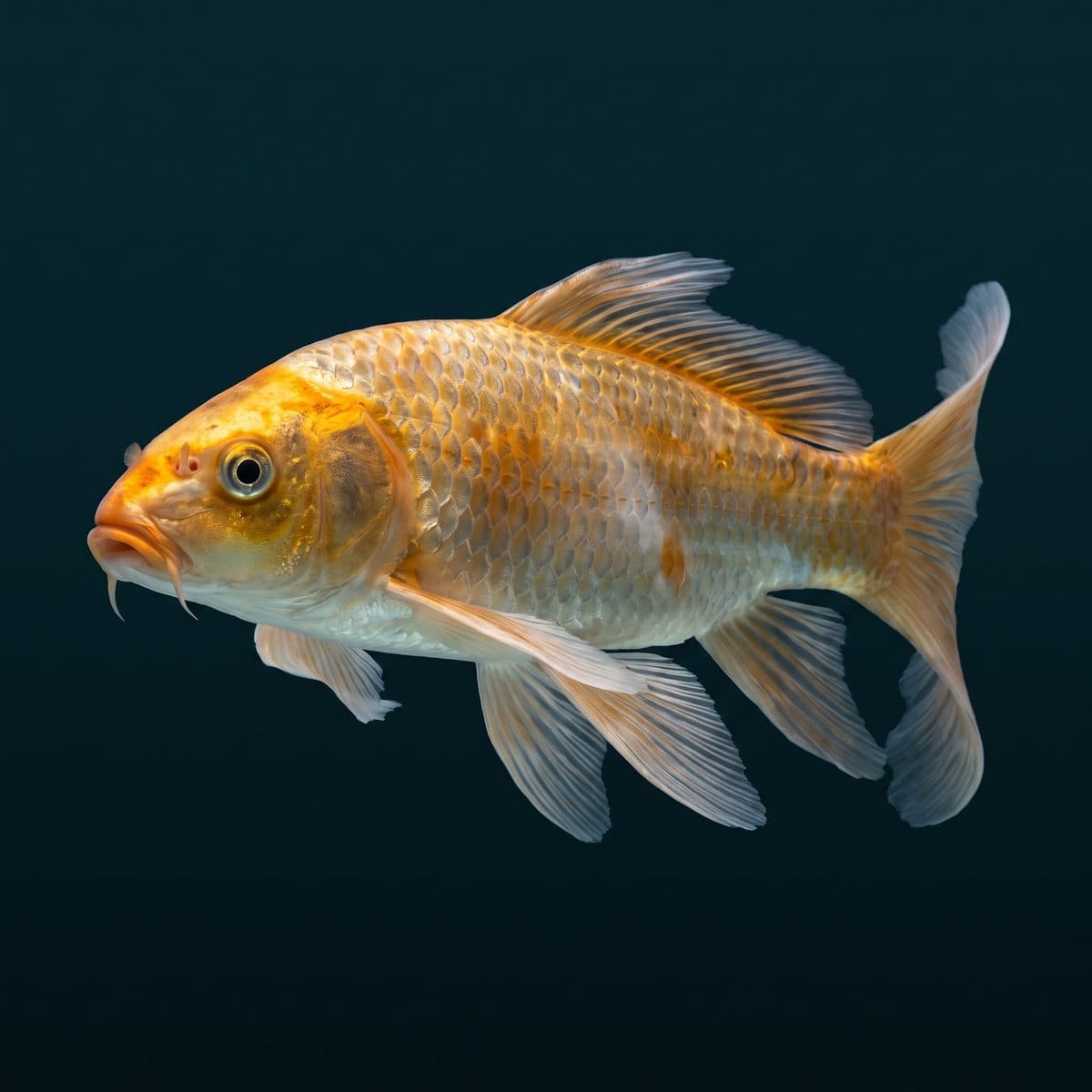
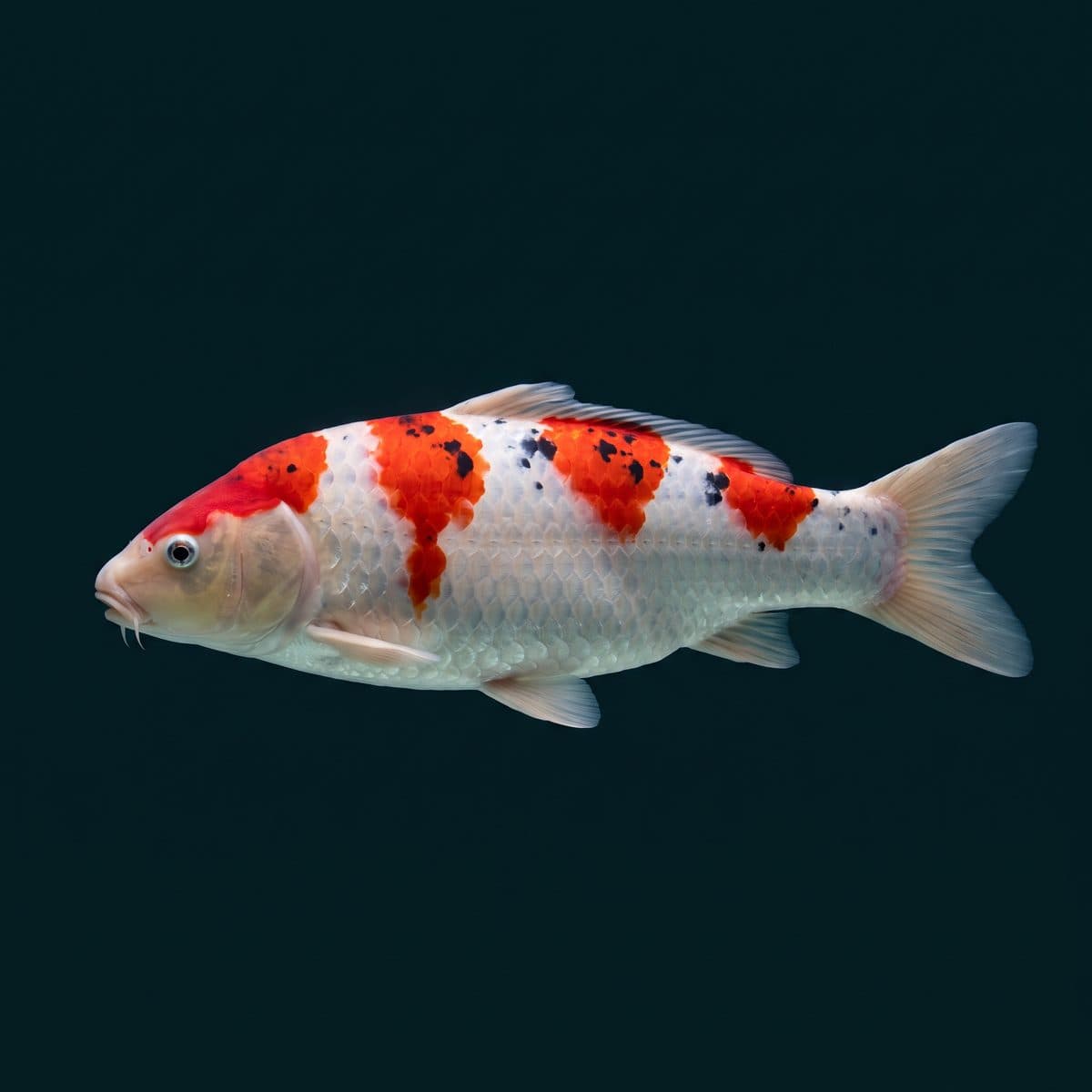
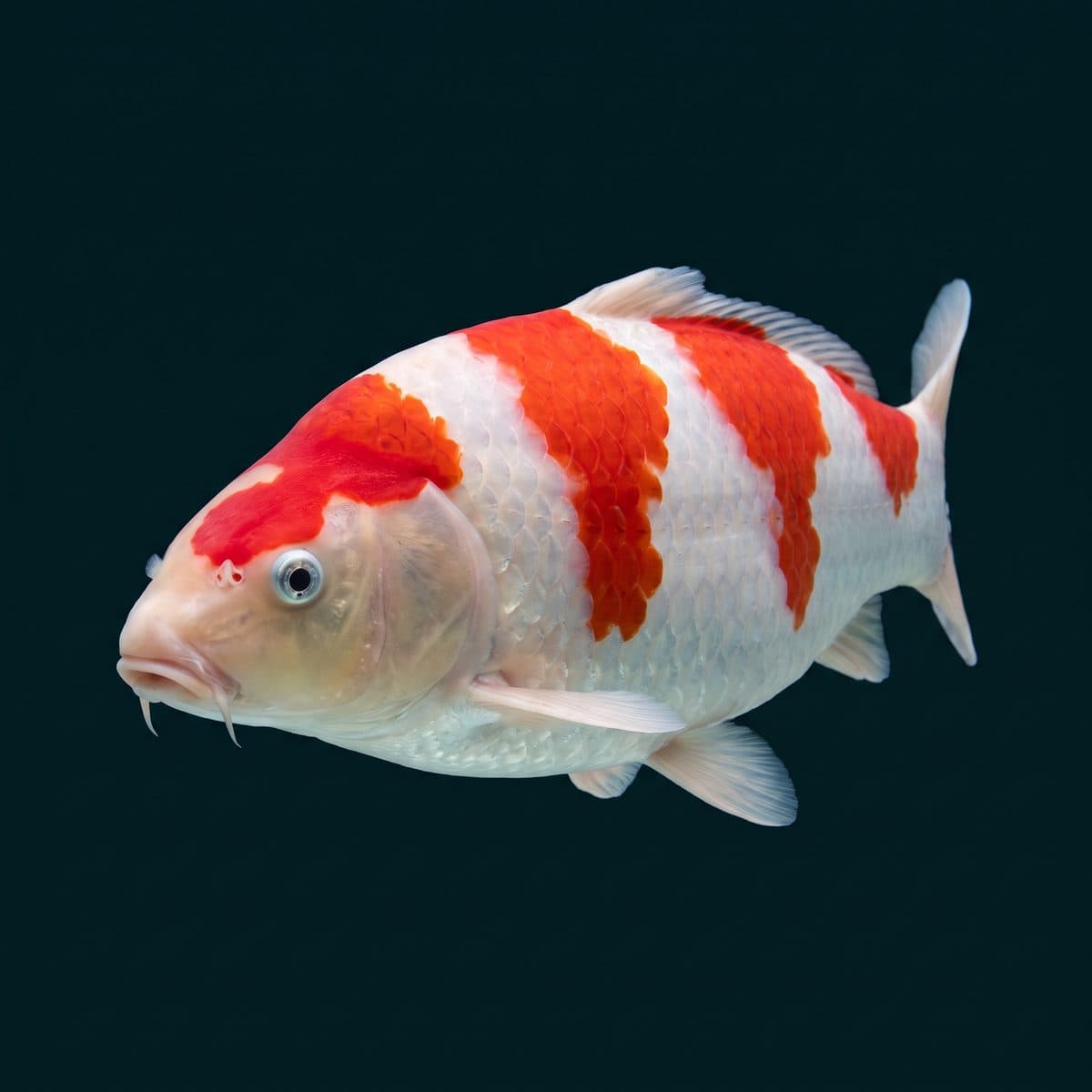
The Kohaku is the foundation upon which the entire art of Nishikigoi appreciation was built — a koi variety so revered in Japan that the saying goes: "koi keeping begins and ends with Kohaku." This deceptively simple pattern of crimson-red (hi) markings on a snow-white (shiroji) body has captivated breeders and collectors for over a century, and the best Kohaku specimens regularly claim Grand Champion titles at the All Japan Koi Show, the most prestigious competition in the koi world. The Fish Collection sources our Kohaku directly from established Japanese breeders in Niigata Prefecture — the ancestral heartland of koi culture — selecting only specimens with the depth of colour, skin quality, and pattern balance that serious collectors demand.
Insulated, oxygen-packed transit · live-arrival guaranteed
Tank size
1000+ gallons
Temperament
Peaceful
Voeding
Omnivore
Water
65–75°F · pH 7–8.6
Tell us what you're dreaming of — we'll reply with a price tailored to you.
Happy together
Not sure if this fish is right for you?
Our team will happily help you choose.
The Kohaku is the foundation upon which the entire art of Nishikigoi appreciation was built — a koi variety so revered in Japan that the saying goes: "koi keeping begins and ends with Kohaku." This deceptively simple pattern of crimson-red (hi) markings on a snow-white (shiroji) body has captivated breeders and collectors for over a century, and the best Kohaku specimens regularly claim Grand Champion titles at the All Japan Koi Show, the most prestigious competition in the koi world. The Fish Collection sources our Kohaku directly from established Japanese breeders in Niigata Prefecture — the ancestral heartland of koi culture — selecting only specimens with the depth of colour, skin quality, and pattern balance that serious collectors demand.
What makes a great Kohaku is far more nuanced than it appears at first glance. The white base must be a pure, unblemished snow-white — not ivory, not cream, and absolutely free of yellowish tinge or scattered blemishes known as shimi. The red pattern should be a deep, uniform crimson with clearly defined edges (kiwa) that appear almost painted on rather than bleeding into the white. Pattern placement follows aesthetic principles refined over generations: the hi should be balanced across the body, ideally stepping in two to four distinct patches from head to tail, with clean white separations between them. The head should feature a well-placed hi marking that does not extend over the eyes or lips, and the tail joint should finish cleanly with white, giving the pattern a sense of completion.
At 18 to 24 inches, our current Japanese import Kohaku is entering its prime development years. Koi continue to grow and improve throughout their lives, and a well-bred Kohaku in its second to fourth year will deepen in colour and refine in pattern as it matures. This is one of the great pleasures of koi keeping — watching a fish evolve from a promising youngster into a mature masterpiece over a period of years. The best Kohaku achieve their peak expression at 5 to 8 years of age, though they continue to be impressive specimens well beyond that.
Housing a Kohaku Koi requires a purpose-built pond environment. A minimum of 1,000 gallons is necessary for a small collection, with 2,500 gallons or more recommended for long-term keeping of multiple koi. Depth should be at least three feet to provide thermal stability and protection from predators. Filtration is the single most critical infrastructure investment — koi produce enormous amounts of waste relative to their body mass, and the biological filtration system must be sized to handle the full bioload with generous overhead capacity. Multi-chamber gravity-fed systems, bead filters, or moving-bed biofilm reactors are all proven approaches. Water temperature should range from 65 to 75 degrees Fahrenheit during the active season, with koi tolerating cooler temperatures during winter dormancy in regions that experience seasonal cold.
Diet should be a high-quality koi pellet formulated for colour enhancement, supplemented with fresh foods like shelled peas, watermelon, and occasional treats of earthworms or shrimp. Colour-enhancing foods containing spirulina and astaxanthin will deepen the red hi markings over time without affecting the purity of the white base — a balance that quality koi foods are specifically engineered to achieve.
The Fish Collection ships koi in oxygen-saturated, insulated containers designed for the rigours of live fish transport. Our live arrival guarantee covers every shipment, and our koi specialists are available to advise on pond setup, filtration design, and seasonal management.
Veelgestelde vragen
Expertbronnen
Soortgids
The Kohaku is the foundation variety of Nishikigoi and is universally regarded as the "King of Koi." A deceptively simple two-colour fish — white base with red markings — the Kohaku is the variety by which all koi appreciation begins and, for many lifelong hobbyists, where it ultimately returns. Mastering the evaluation of Kohaku pattern, skin quality, and body conformation is the gateway to understanding koi aesthetics at the highest level. This guide covers Kohaku history, pattern terminology, pond requirements, feeding for colour and growth, breeding, and the judging criteria that separate a pond fish from a Grand Champion.
Lees de volledige gids →Verzorgingsgids
A comprehensive guide to designing and building a koi pond, covering pond sizing, depth requirements, liner and construction options, multi-stage filtration, aeration, plumbing, aquatic plants, predator deterrents, and year-round seasonal maintenance.
Lees verzorgingsgids →Misschien vindt u dit ook leuk
vanaf € 322
Indicative price