Advanced
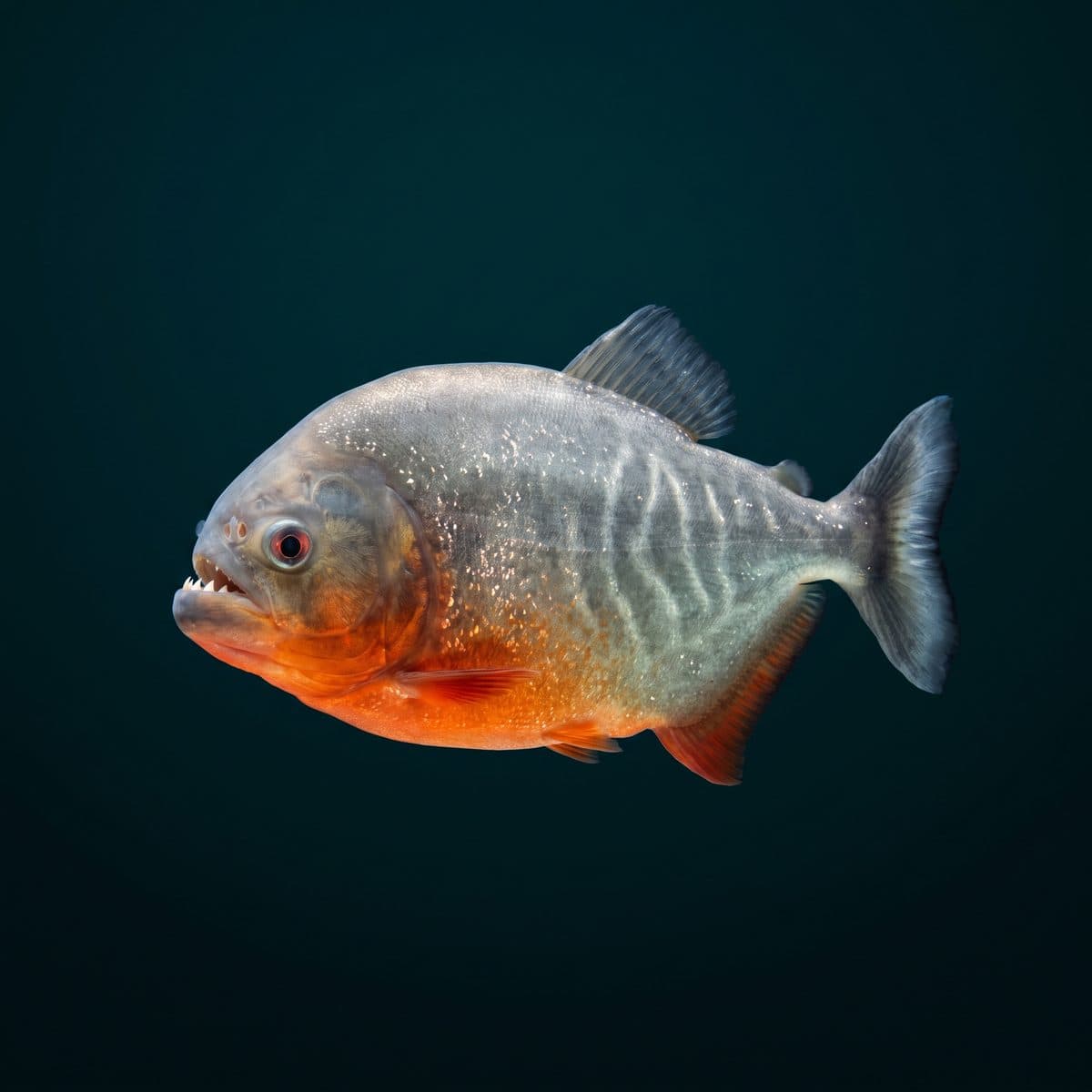
Red-Bellied Piranha
Pygocentrus nattereri
€ 36,80Get a quote
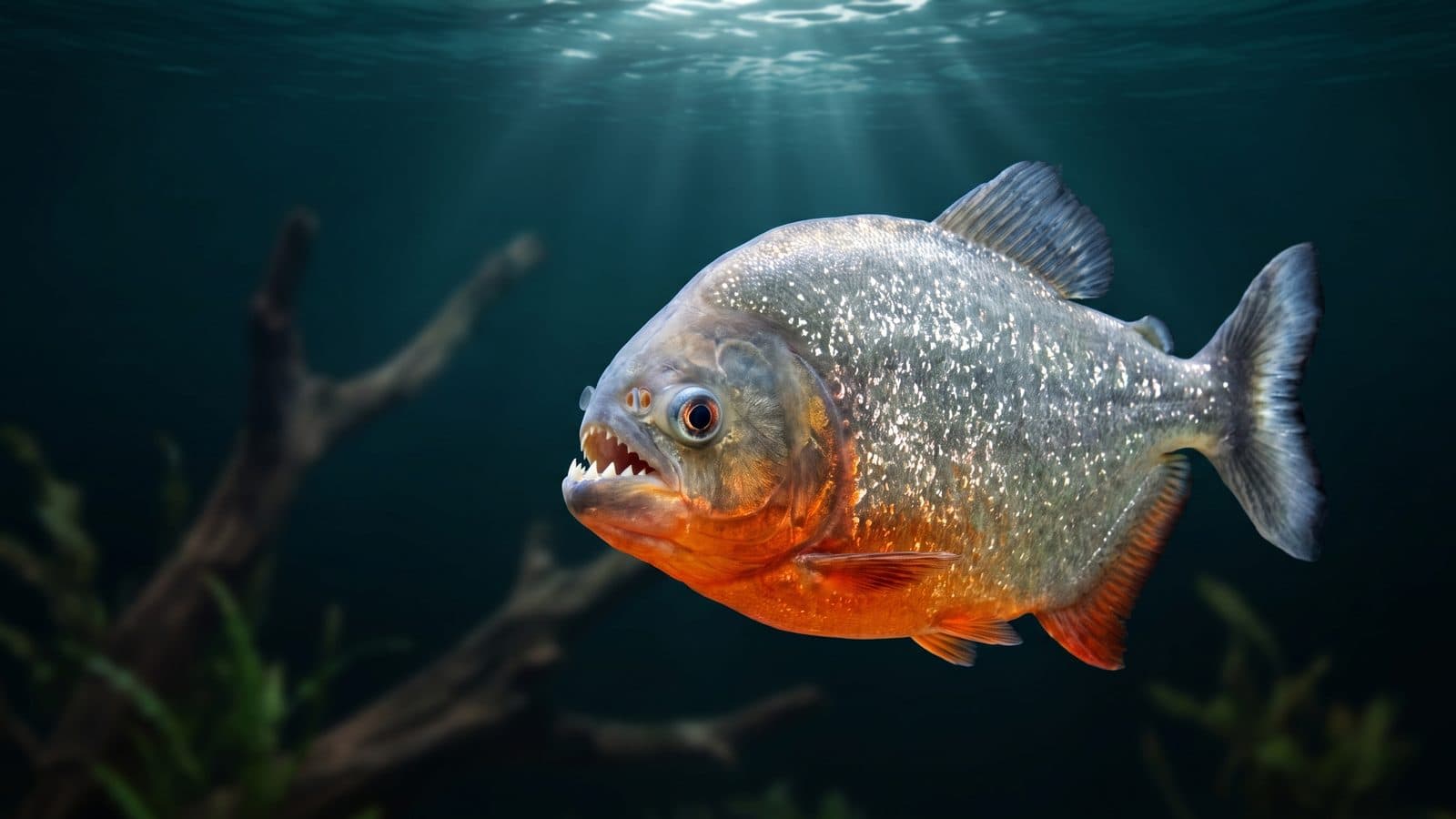
Piranhas are misunderstood marvels — schooling predators with complex social hierarchies and striking silver-red colouration. Legal in most US states, our piranhas are captive-bred and health-certified. 3 in stock now.
Piranhas are perhaps the most misrepresented fish in popular culture. Decades of Hollywood sensationalism have painted them as mindless, flesh-stripping killers, when in reality they are cautious, social schooling fish with complex group dynamics and a skittish disposition that often surprises first-time keepers. The growing interest in piranha fish for sale among informed aquarists reflects a broader appreciation for what these fish truly are: fascinating predators with striking beauty, genuine behavioural depth, and a mystique that no other freshwater species can match.
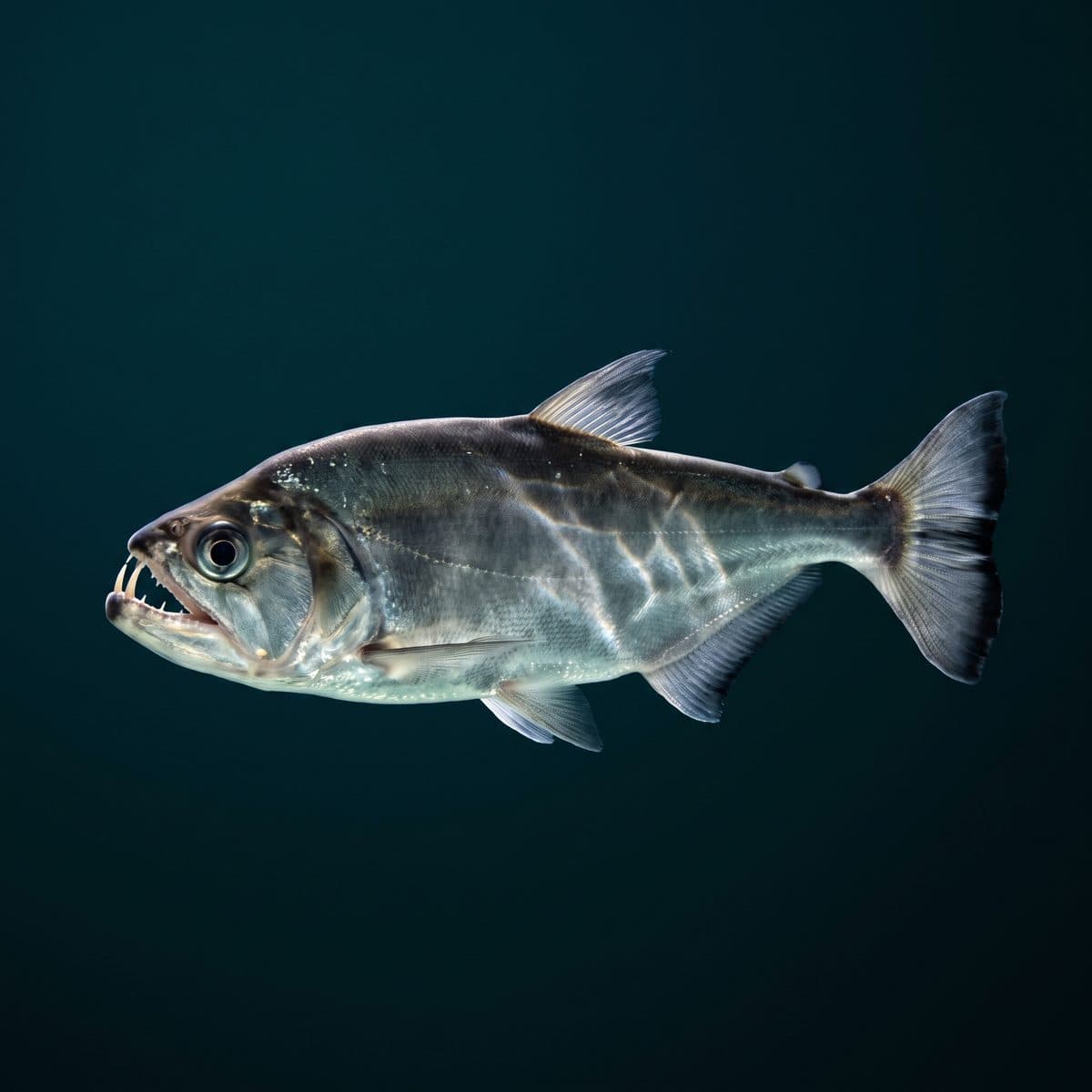
Piranhas belong to the subfamily Serrasalminae, which also includes the vegetarian pacu and the seed-eating Silver Dollar fish. The most commonly kept species is the Red-Bellied Piranha (Pygocentrus nattereri), a schooling fish that displays a stunning silver body with a vivid red-orange belly that intensifies with maturity and mood. Black Piranhas (Serrasalmus rhombeus) are more solitary, growing larger and developing a dark, imposing coloration with crimson eyes. Rarer species like the Piraya Piranha (Pygocentrus piraya) — the largest of the "true" piranhas, reaching 20 inches — command premium prices and dedicated following among serious piranha enthusiasts. In reality, piranhas in aquariums are often timid, darting to cover when their owner approaches too quickly, and they are far more likely to flee from a perceived threat than to attack it.
Before purchasing piranhas, confirm legality in your state. Piranhas are prohibited in several US states including California, Texas, New York, and others. Regulations change, so verify current laws with your state fish and wildlife agency. When evaluating specimens, look for intact fins (piranhas nip each other's fins frequently, but they should not show signs of severe damage or infection), symmetrical jaw alignment, bright responsive eyes, and a full body shape. The red belly coloration in Red-Bellied Piranhas varies with mood, diet, and water chemistry — deep red is desirable but faded colour in a stressed store environment is not necessarily a permanent condition.
Red-Bellied Piranhas should be kept in groups of five or more in a minimum of 75 gallons, with an additional 20 gallons per extra fish. Solitary Red-Bellied Piranhas are chronically stressed and will never display natural behaviour. Black Piranhas, by contrast, are best kept individually in 75-gallon or larger tanks as they are territorial loners that will kill tankmates. Water conditions should mimic their Amazonian origins: soft, slightly acidic water (pH 6.0-7.0), temperature 76-82 degrees Fahrenheit, and dim lighting with tannin-stained water from driftwood or Indian almond leaves. Filtration must be robust — piranhas are messy feeders that tear food apart, and uneaten fragments decompose quickly. Provide visual barriers with driftwood and plants to reduce line-of-sight stress within the school.
Our piranhas are captive-bred in the United States, eliminating the parasite and disease risks associated with wild-caught imports. Every fish is quarantined, health-screened, and conditioned on a diet of high-quality pellets, shrimp, smelt, and silversides before listing. We sell Red-Bellied Piranhas in groups of five or more, because selling singles would be doing a disservice to both the fish and the buyer. We verify state legality before processing any order and will not ship to restricted jurisdictions. Free insulated shipping and our live arrival guarantee are standard, and we provide detailed post-purchase guidance for keepers new to piranha husbandry.
Expertbronnen
Soortgids
Pygocentrus nattereri
The Red-Bellied Piranha (Pygocentrus nattereri) is simultaneously the most famous and most misunderstood freshwater fish in the world. Decades of sensationalised media portrayals have cast this South American characin as a mindless killing machine capable of skeletonising a cow in minutes — a myth that bears almost no resemblance to the actual animal. In reality, P. nattereri is a nervous, schooling omnivore that spends most of its time hovering motionlessly in shaded water, startling at sudden movements, and eating seeds, fins, scales, and invertebrates far more often than it devours large prey. This The Fish Collection guide dismantles the Hollywood mythology and provides a rigorous, experience-based care manual for what is, in truth, one of the most fascinating and behaviourally complex aquarium fish available.
Lees gids →Verzorgingsgids
A practical care guide for keeping piranhas in the home aquarium, focusing on the red-bellied piranha (Pygocentrus nattereri). Covers school size requirements, tank setup, feeding without live feeders, behaviour management, and legal restrictions on piranha ownership in the US.
Lees gids →Blijf ontdekken