Overview
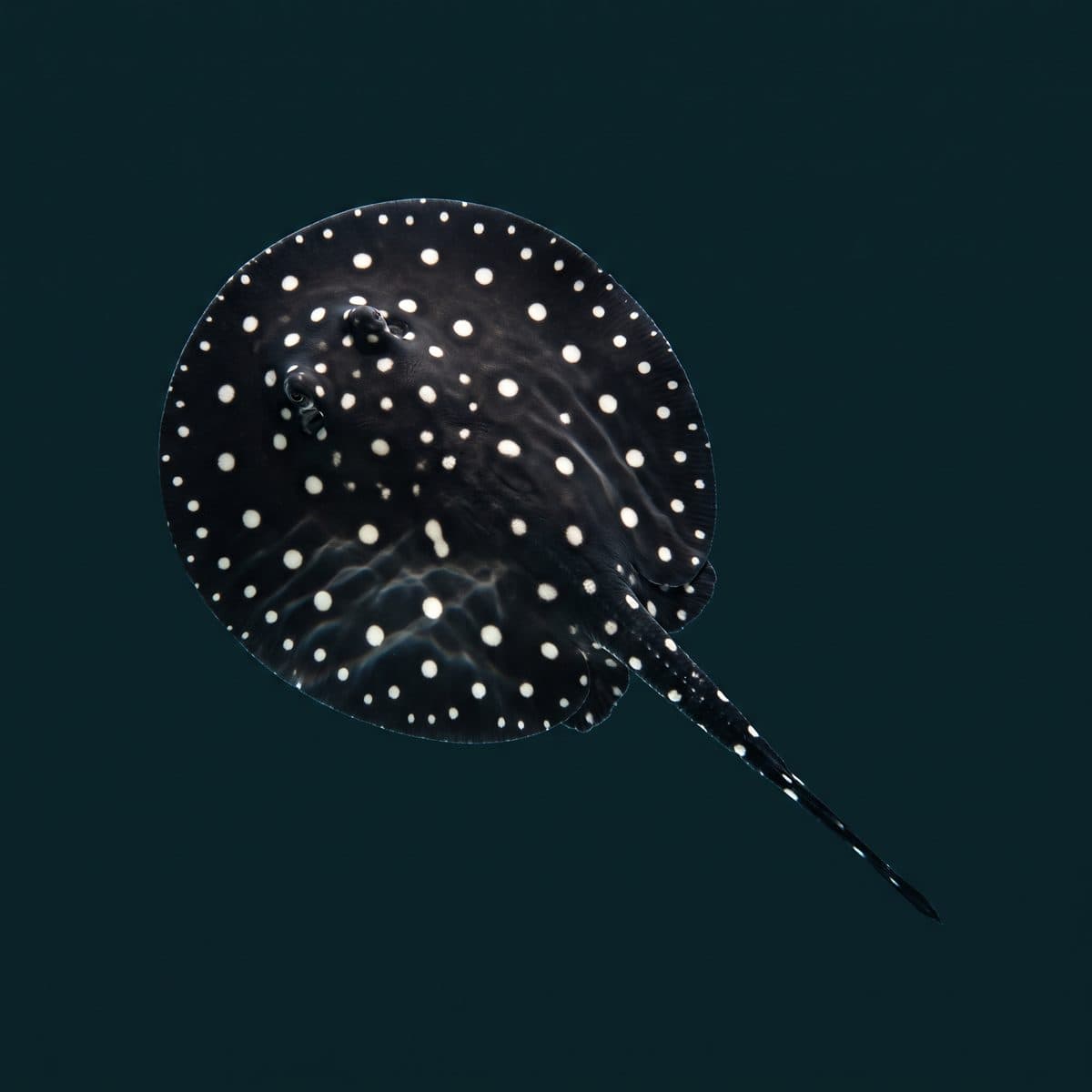
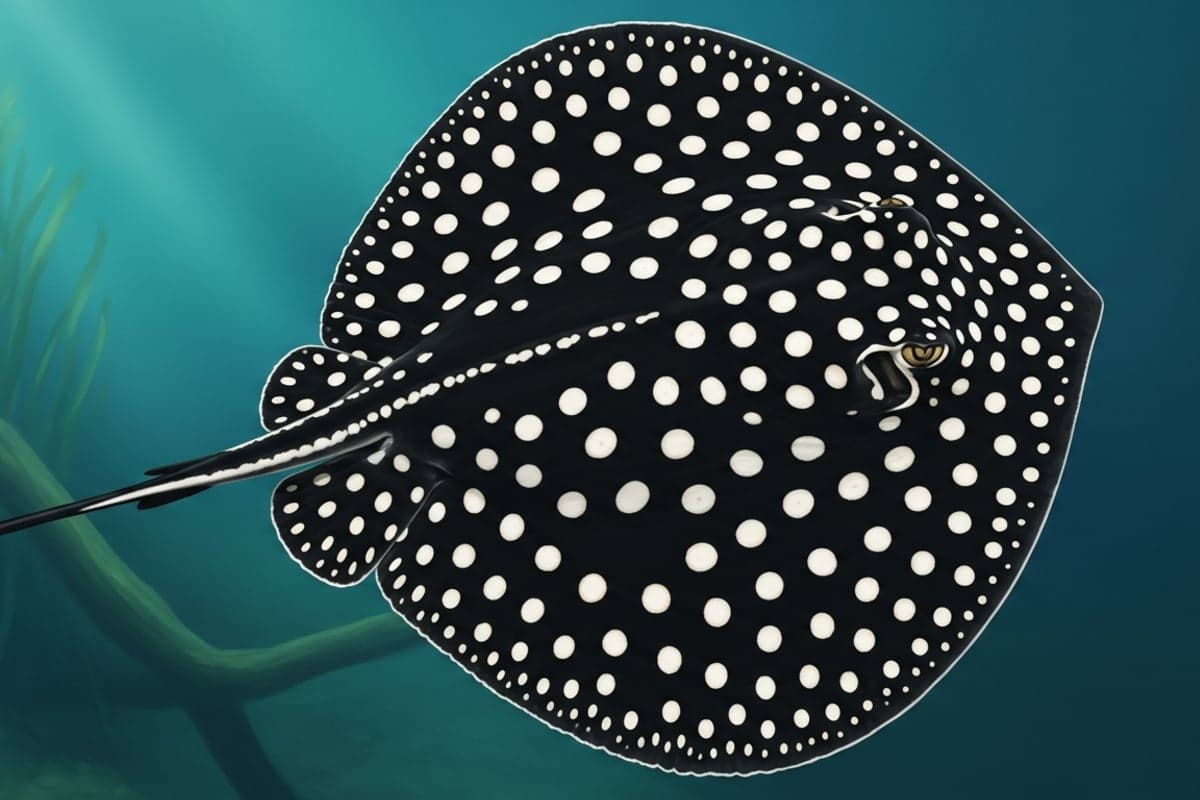
The Black Diamond Stingray (Potamotrygon leopoldi) is widely regarded as the crown jewel of freshwater stingrays. Endemic to the clear, fast-flowing rapids of Brazil's Xingu River, this species captivates collectors with its jet-black dorsal disc punctuated by brilliantly white, geometrically arranged spots — a pattern unique to each individual, much like a human fingerprint. First scientifically described in 1981, P. leopoldi has since become one of the most sought-after Potamotrygon species in the global ornamental fish trade.
At The Fish Collection, we have worked directly with licensed Brazilian exporters and captive-breeding facilities since our founding. Every Black Diamond Stingray we offer is accompanied by full IBAMA export documentation and a veterinary health certificate. This guide reflects our hands-on experience with hundreds of specimens and is designed to give serious keepers the information they need to provide optimal long-term care.
Ownership of a Black Diamond Stingray is not a casual commitment. These are large, messy predators that require immaculate water quality, spacious enclosures, and a keeper who understands the inherent risks of maintaining a venomous animal. The barbed caudal spine can deliver an extremely painful wound that requires immediate medical attention. Respect for the animal is the foundation of successful husbandry.
Natural Habitat
Potamotrygon leopoldi is found exclusively in the Xingu River system in the state of Pará, Brazil. The Xingu is a clearwater tributary of the Amazon that flows over rocky substrates of granite and basalt, creating a unique environment characterised by moderate-to-strong current, warm temperatures (27–31 °C year-round), and relatively low nutrient loads compared to whitewater Amazonian tributaries. The water is soft (GH 1–4 dGH) and mildly acidic (pH 5.5–6.5), with exceptional clarity that allows sunlight to reach the riverbed.
In their natural habitat, Black Diamond Stingrays occupy sandy pockets between rocky outcrops, where they bury partially in substrate to ambush invertebrates, small fish, and crustaceans. During the dry season, rays concentrate in deeper pools; during the flood season, they disperse across newly inundated riparian zones to exploit fresh feeding grounds. This seasonal pattern means that in captivity, slight variations in feeding intensity and water-change volume can simulate natural cycles and promote overall vitality.
The Xingu River has faced significant ecological pressure from the construction of the Belo Monte hydroelectric dam complex, which has altered flow patterns and water temperatures in critical stingray habitats. This ongoing environmental threat has made responsible captive breeding and ethical sourcing more important than ever. The Fish Collection only sources specimens from IBAMA-licensed facilities that contribute to conservation programmes.
Tank Requirements
Tank Dimensions & Substrate
A single adult Black Diamond Stingray requires a minimum aquarium of 300 gallons (1,135 litres), with footprint dimensions of at least 240 cm long × 90 cm wide (96 × 36 inches). Floor space is paramount — stingrays are benthic animals and height is largely irrelevant beyond 45 cm (18 in). For a breeding pair or community setup, 500+ gallons with a 300 × 100 cm footprint is strongly recommended.
Substrate must be fine, smooth sand — never gravel, which can abrade the ray's soft ventral surface and lead to bacterial infections. Pool filter sand or aragonite-free play sand, rinsed thoroughly, is ideal. Depth should be 2–4 cm to allow the ray to bury comfortably. Avoid any sharp decorations, rough rock, or driftwood with protruding branches that could tear the delicate disc margin.
Filtration & Flow
Stingrays are among the messiest freshwater fish in the hobby, producing copious ammonia from their protein-rich diet. Biological filtration must handle a turnover of at least 10× the tank volume per hour. A large sump (100–150 gallons) with ample ceramic bio-media, a fluidised moving-bed reactor, and a UV steriliser (40–57 W) is the industry standard. Maintain ammonia and nitrite at absolute zero; even trace levels of 0.25 ppm ammonia can trigger the deadly condition known as death curl.
Flow should be moderate and directed along the length of the tank. Stingrays appreciate current but should have calm zones behind décor where they can rest. Powerheads positioned at mid-water level create the best flow pattern. A surface skimmer is essential to manage the heavy protein film that accumulates in stingray tanks.
Lighting
Black Diamond Stingrays are not photosensitive in the way that many nocturnal species are, but they do show more natural behaviour under moderate lighting. A standard LED fixture running at 40–60% intensity on a 10-hour photoperiod works well. Avoid intense, direct lighting pointed at the substrate, which can cause the ray to remain buried for extended periods. Dimmable fixtures that simulate dawn and dusk transitions reduce stress and encourage the ray to emerge for feeding at predictable times.
Water Parameters
Stingrays are exceptionally sensitive to dissolved waste and require pristine water quality at all times. Target the following parameters:
- Temperature: 26–30 °C (78–86 °F). Use a titanium inline heater — submersible glass heaters are dangerous in stingray tanks, as rays can crack them against the glass.
- pH: 5.5–6.8. Stability is critical; avoid swings greater than 0.3 units per day.
- General Hardness (GH): 1–6 dGH (18–107 ppm).
- Carbonate Hardness (KH): 1–4 dKH. Use controlled CO₂ injection or Indian almond leaf extract to stabilise low pH without KH crashes.
- Ammonia / Nitrite: 0 ppm — non-negotiable.
- Nitrate: <10 ppm. Stingrays are far less tolerant of nitrate than most freshwater fish; weekly 30–40% water changes are the norm.
- TDS: 50–200 ppm. RO/DI water reconstituted with a GH buffer is recommended.
Water changes should be performed with temperature-matched, dechlorinated water. Add new water slowly — rapid changes in conductivity or temperature can trigger acute stress. We recommend drip-filling replacement water at a rate no faster than 5% of the tank volume per hour.
Diet & Feeding
Black Diamond Stingrays are carnivorous benthic predators. In the wild, they feed primarily on aquatic invertebrates, crustaceans, molluscs, and small fish. In captivity, a varied diet ensures complete nutrition and stimulates natural foraging behaviour.
A recommended weekly feeding schedule for an adult specimen (30+ cm disc diameter):
- Monday/Thursday: Earthworms (nightcrawlers) — a staple food that rays eagerly accept. Offer 10–15 per session.
- Tuesday/Friday: Frozen prawns or mussel meat, thawed and rinsed. Supplement with a vitamin soak (Brightwell Vitamarin-M).
- Wednesday: Live river shrimp or ghost shrimp — excellent for maintaining the hunting response and providing enrichment.
- Saturday: Hikari Massivore pellets or Repashy Bottom Scratcher gel food. These high-quality prepared foods round out the nutritional profile.
- Sunday: Fast day to promote digestive health and reduce waste output.
Avoid feeder goldfish entirely — they are nutritionally poor and carry parasites. Tilapia strips or smelt fillets are acceptable as occasional treats. Juvenile rays (under 15 cm) should be fed twice daily with smaller portions; adults are fed once daily or every other day depending on body condition.
Behaviour & Temperament
Black Diamond Stingrays are surprisingly interactive for a benthic species. Well-acclimated specimens will learn to recognise their keeper and surface at feeding time, often accepting food directly from the hand (though hand-feeding should be approached with caution due to the venomous spine). They are generally placid but can become territorial with conspecifics, particularly males competing for access to females.
Rays spend much of their time partially buried in sand or slowly cruising the tank floor. They are most active during dawn and dusk periods, which is why a lighting schedule that includes gradual transitions is beneficial. A stressed or unhealthy ray will curl its disc margins upward, refuse food, and remain stationary in a corner — these are early warning signs that require immediate investigation of water quality.
Compatible Tank Mates
Tank mates must occupy the mid-to-upper water column and be too large to be eaten. Proven companions include:
- Arowana — Asian or Silver Arowana are classic stingray companions, as they occupy the surface exclusively.
- Large Bichirs — Polypterus endlicherii or P. ornatipinnis coexist well, though monitor for food competition.
- Oscars and large cichlids — Provided the tank is spacious, Oscars generally leave rays alone.
- Plecos — Large Plecostomus (Common, Sailfin) are acceptable, but monitor for attempts to attach to the ray's disc.
- Silver Dollars — A school of 8+ provides mid-water activity without bothering the ray.
Avoid all small fish (anything under 10 cm will be eaten), aggressive bottom-dwellers, and any species known to nip fins or appendages. Never house rays with pufferfish, which will bite the ray's disc.
Breeding
Captive breeding of Black Diamond Stingrays is achievable and increasingly common among advanced hobbyists. P. leopoldi is an aplacental viviparous species — females nourish developing embryos internally via uterine milk (histotroph). Gestation lasts approximately 3–4 months, with litters of 1–4 pups typical for the species.
Sexing is straightforward once rays reach 20 cm disc diameter: males develop prominent claspers (modified pelvic fins) that are visibly thickened and elongated compared to the female's smooth pelvic fins. Males typically reach sexual maturity at 25–30 cm disc diameter (2–3 years), while females mature slightly later at 30–35 cm.
Breeding is triggered by a combination of excellent water quality, heavy feeding, and a slight temperature increase (1–2 °C above baseline). Mating can be rough — the male bites the female's disc margin to achieve positioning, which can leave visible wounds. Separate the female after confirmed mating to allow her to gestate without male harassment. Pups are born fully formed at 8–10 cm disc diameter and can be fed chopped earthworms and baby brine shrimp within 24 hours of birth.
Common Health Issues
Death Curl
Death curl is the most feared stingray condition — the disc margins curl upward and the ray becomes lethargic, often refusing food entirely. It is almost always caused by poor water quality, particularly ammonia or nitrite spikes. Death curl can progress to a fatal outcome within 48–72 hours if not addressed. Treatment involves an immediate 50% water change with pristine RO water, addition of Seachem Prime at triple dose, and transfer to a hospital tank with bare bottom and aggressive aeration. If the ray responds to the water change within 6–12 hours, prognosis is fair; if curling persists beyond 24 hours, outcomes are poor.
Bacterial Infections
Bacterial infections — typically Aeromonas or Pseudomonas spp. — manifest as red or white lesions on the ventral disc surface. They are almost always secondary to abrasion from rough substrate, physical trauma, or chronically poor water quality. Treatment involves improving water quality, administering salt baths (1 tablespoon per 5 gallons for 30 minutes), and in severe cases, antibiotic treatment with enrofloxacin (Baytril) prescribed by an aquatic veterinarian. Maintaining smooth sand substrate and stable water parameters prevents the vast majority of bacterial issues.
Other conditions to monitor include internal parasites (particularly in wild-caught specimens), fungal infections on disc wounds, and nutritional deficiencies from monotonous diets. A quarterly prophylactic treatment with praziquantel is recommended for all stingray collections.