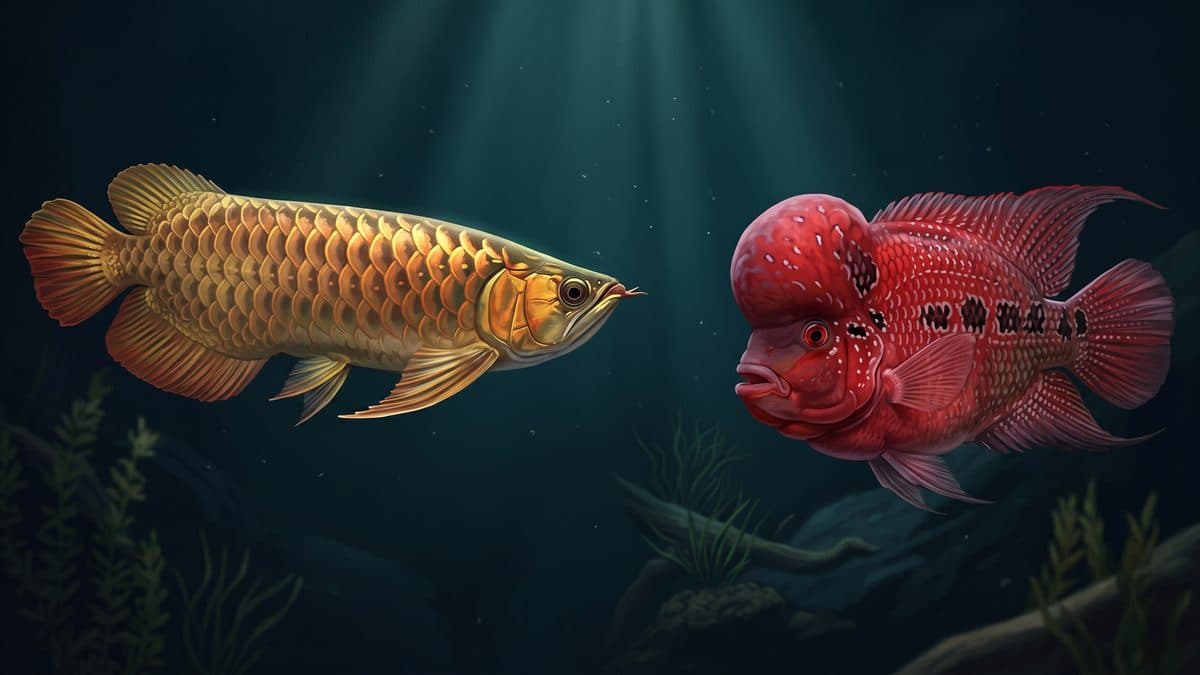
Arowana vs Flowerhorn: Two Icons of Exotic Fishkeeping
The Arowana and the Flowerhorn represent two different philosophies of exotic fishkeeping, and both command enormous respect — and price tags — across Asia, the Americas, and increasingly in Europe. The Arowana is a living fossil, a natural apex predator with a lineage stretching back 100+ million years, prized for its grace, cultural symbolism, and sheer physical presence. The Flowerhorn is a modern creation, a man-made hybrid engineered for maximum colour, personality, and that unmistakable nuchal hump.
Both are kept primarily as solo or centerpiece fish. Both bond intensely with their keepers. Both can represent significant financial investments. But the differences in tank requirements, cost range, care demands, and lifestyle compatibility are substantial. Let's break them down.
Arowana Overview
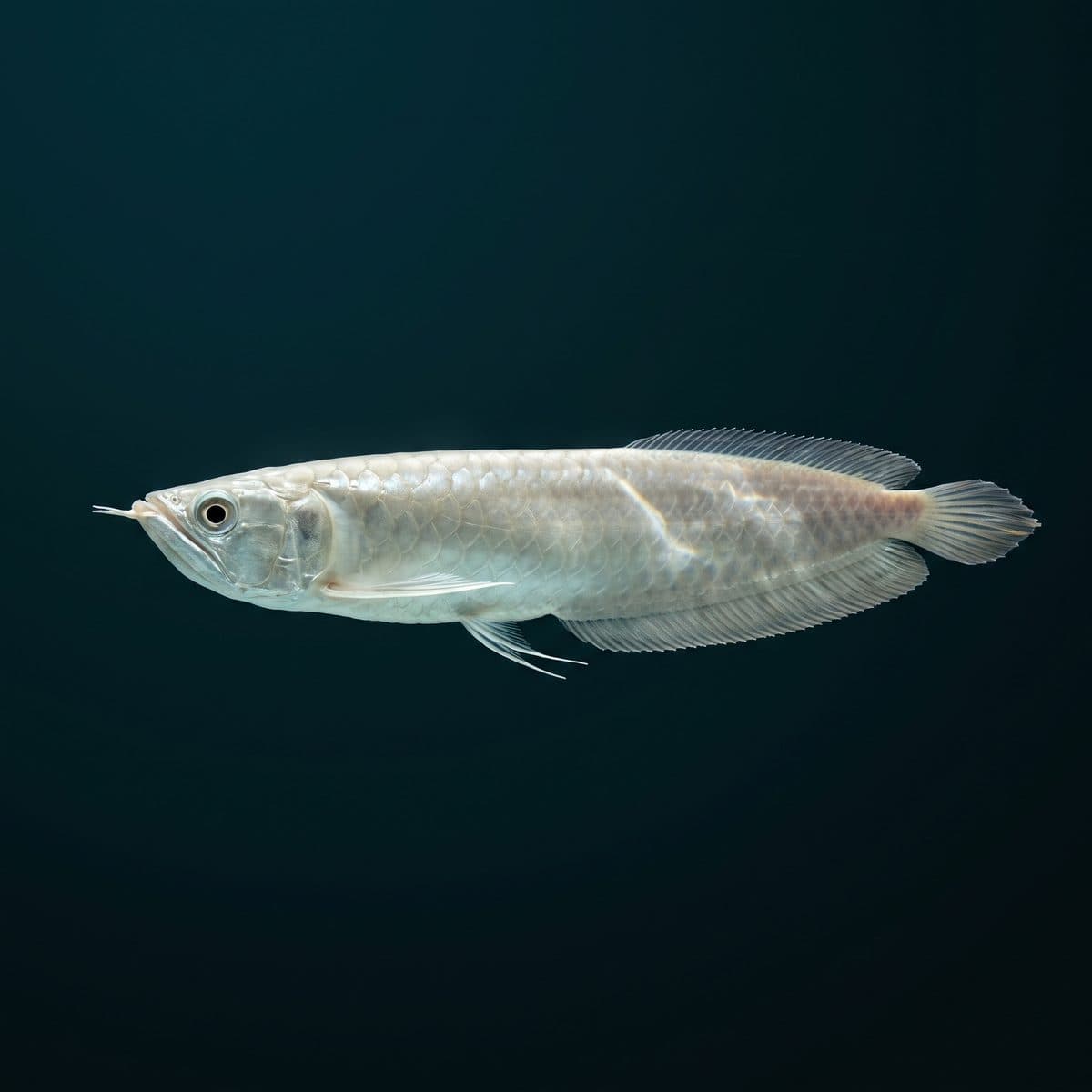
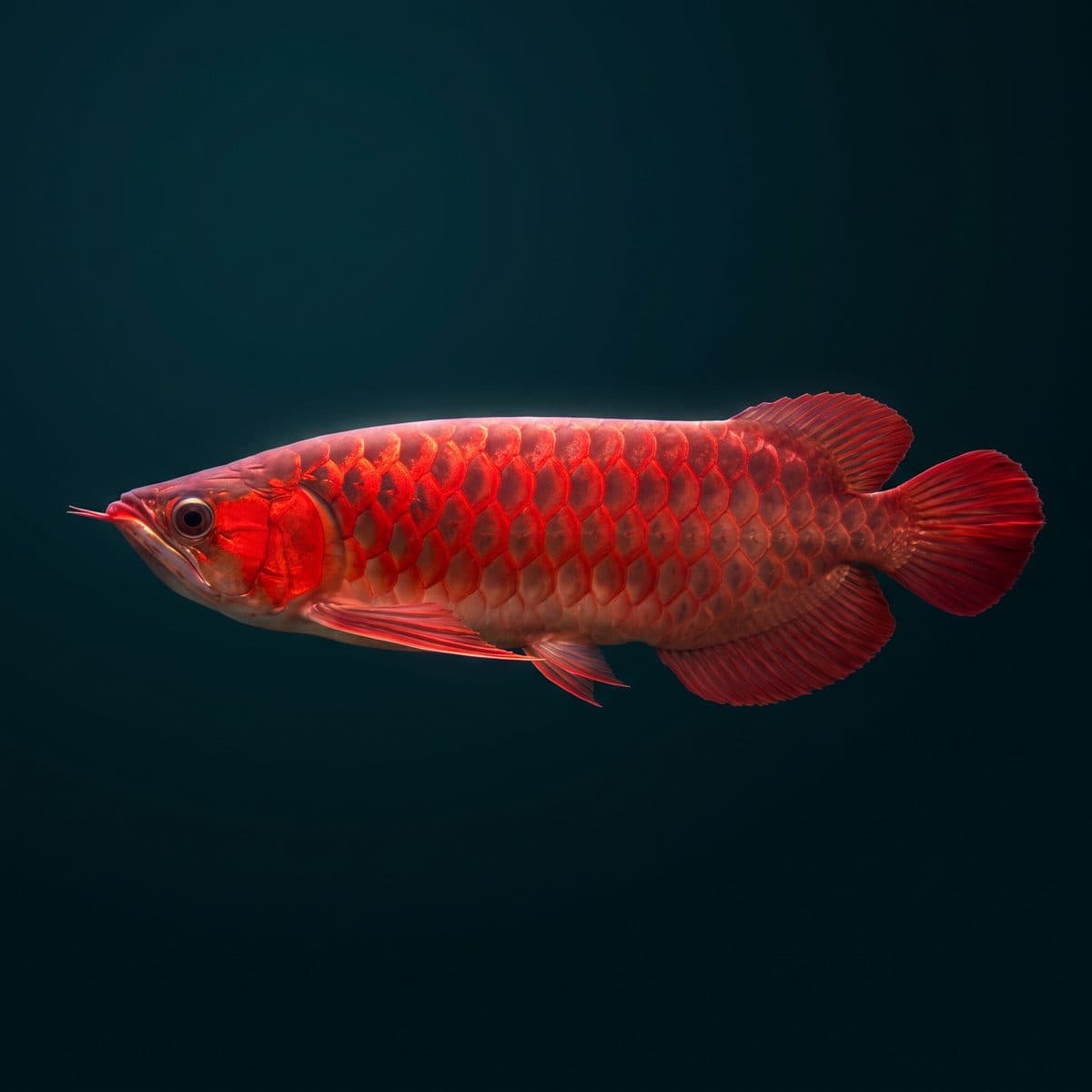
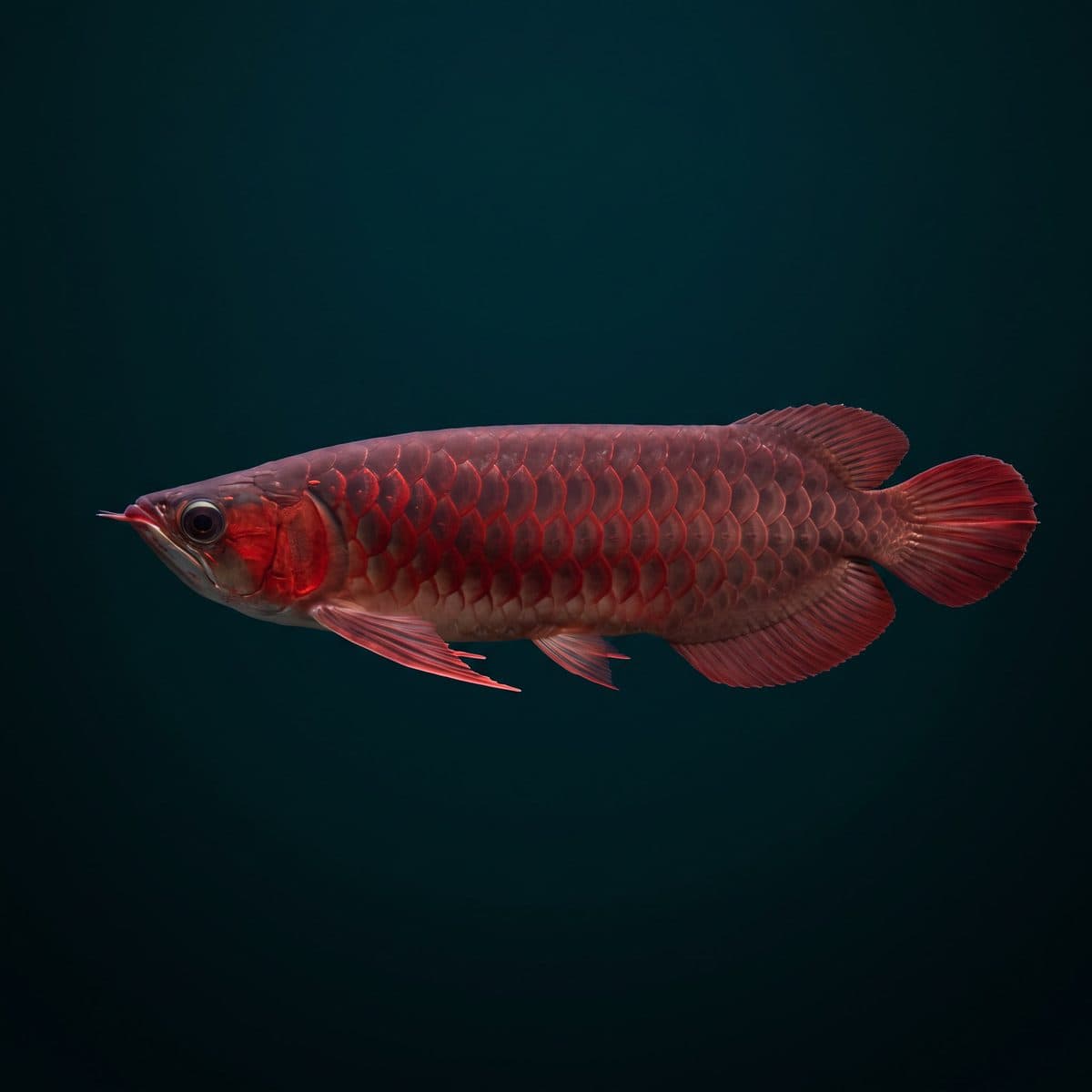
Arowanas belong to the family Osteoglossidae — "bony tongues" — an ancient lineage of fish that dates to the Jurassic period. The most commonly kept species in the aquarium hobby include:
- Silver Arowana (Osteoglossum bicirrhosum): The most affordable and widely available species. Native to the Amazon Basin. Adults reach 90–100 cm (35–40 inches). Price: $30–$100 for juveniles.
- Asian Arowana (Scleropages formosus): The most prestigious and expensive. Native to Southeast Asia. CITES Appendix I listed — captive-bred specimens only. Colour varieties include Super Red, Crossback Golden, Red Tail Golden, and the legendary Platinum. Adults reach 60–90 cm. Price: $300–$300,000+ depending on variety, grade, and certification.
- Black Arowana (Osteoglossum ferreirai): A South American species with striking juvenile colouration (black with yellow banding) that fades to silver-grey with maturity. Adults reach 90–100 cm. Price: $50–$200.
- Jardini Arowana (Scleropages jardini): An Australian species with beautiful red-gold scaling and the most aggressive temperament of any Arowana. Adults reach 60–90 cm. Price: $50–$150.
All Arowanas are surface-dwelling predators that jump to catch insects, small birds, and lizards in the wild — a behaviour that makes tight-fitting, weighted lids absolutely essential in captivity. For complete Arowana care, see our Arowana care guide and Arowana pricing guide.
Flowerhorn Overview
The Flowerhorn is a hybrid cichlid developed in Malaysia in the late 1990s. Its exact parentage varies by strain but typically includes crosses of various Central and South American cichlid species — Trimac (Amphilophus trimaculatus), Red Devil (Amphilophus labiatus), and other species, often combined across multiple generations and back-crossed for desired traits.
Flowerhorns are bred and judged on four primary traits:
- Kok (nuchal hump): The larger, rounder, and more symmetrical, the more valuable. A prominent kok can add thousands of dollars to a fish's value.
- Colour: Intense red, orange, and blue colouration with metallic "pearling" scales. The best specimens show vivid colour across the entire body.
- Body shape: A short, deep, symmetrical body with strong finnage. "Short body" Flowerhorns are especially prized.
- Flower line: Dark markings along the lateral line that resemble Chinese calligraphy — considered auspicious in Feng Shui tradition.
Adults reach 25–35 cm (10–14 inches) and live 10–12 years. The Flowerhorn hobby has a strong competitive element, with fish shows and online auctions where top specimens command $5,000–$60,000+. For strain details and kok development tips, see our complete Flowerhorn guide.
Side-by-Side Comparison Table
| Factor | Arowana | Flowerhorn |
|---|---|---|
| Origin | Natural species (Amazon, SE Asia, Australia) | Man-made hybrid (Malaysia, late 1990s) |
| Adult Size | 60–100 cm (24–40 in) | 25–35 cm (10–14 in) |
| Lifespan | 15–25+ years | 10–12 years |
| Minimum Tank Size | 250 gal (Silver), 180 gal (Asian/Jardini) | 75 gal |
| Temperature | 26–30 °C (78–86 °F) | 28–31 °C (82–88 °F) |
| pH | 6.5–7.5 | 7.0–8.0 |
| Aggression Level | 3/5 — Moderate (species-dependent) | 4/5 — Aggressive |
| Tank Mate Potential | Good (with large, robust companions) | Poor (best kept alone) |
| Purchase Price Range | $30–$300,000+ | $30–$60,000+ |
| Swimming Zone | Surface (top 1/3) | Mid-water (entire tank) |
| Jumping Risk | Extreme (weighted lid mandatory) | Low to moderate |
| Cultural Significance | Extremely high (Feng Shui, prosperity symbol) | High (Feng Shui, luck symbol) |
Size and Space Requirements
This is the most consequential difference between the two species and the factor that determines which fish most hobbyists can realistically keep.
Arowanas are large fish. A Silver Arowana reaches 90–100 cm (3+ feet) and requires a minimum tank length of 180 cm (6 feet) and 250+ gallons of water — and that is for a single specimen. Asian Arowanas are slightly smaller (60–90 cm) but still demand 180+ gallon tanks at minimum. The tank must be significantly wider than the fish is long to allow comfortable turning; a standard 6-foot × 2-foot × 2-foot tank (approximately 180 gallons) is the starting point for smaller Asian Arowana species, while Silver Arowanas genuinely need 8-foot tanks (300+ gallons) to avoid stunting and chronic stress.
Flowerhorns are a dramatically more space-efficient choice. At 25–35 cm adult size, a 75-gallon tank (120 cm × 45 cm × 45 cm) provides ample room for a single Flowerhorn. This puts Flowerhorns within reach of any hobbyist with space for a standard 4-foot aquarium — whereas Arowanas require dedicated fish room space or a significant living area sacrifice.
The space calculation extends beyond the tank itself. A 300-gallon Arowana system with sump filtration weighs approximately 1,500 kg (3,300 lbs) when filled — requiring structural floor support verification in most homes. A 75-gallon Flowerhorn setup weighs approximately 380 kg (840 lbs), manageable on any standard floor.
Aggression and Tank Mates
Arowana aggression is primarily predatory rather than territorial. They will eat any fish that fits in their mouth (which is considerable — a 60 cm Arowana can swallow a 15 cm fish), but they are not particularly aggressive toward fish too large to eat. This makes Arowanas surprisingly good community fish in large systems. Classic Arowana companions include Bichir, Oscar, Datnoid, Clown Knife, and large Plecostomus — all occupying different water zones and too large for the Arowana to consider as food.
The exception is the Jardini Arowana, which combines predatory instinct with genuine territorial aggression. Jardini are often kept solo because they will attack similarly-sized tank mates unprovoked.
Flowerhorn aggression is territorial, predatory, and often indiscriminate. They will attack tank mates regardless of size — a Flowerhorn has no problem ramming a fish twice its size if that fish enters "its" territory, which the Flowerhorn considers to be the entire tank. This makes community keeping extremely risky. In the rare cases where tank mates work (large Plecostomus in 180+ gallon tanks), constant monitoring is required.
Practical impact: If you enjoy building a diverse, multi-species display, the Arowana offers far more flexibility. If you prefer the intensity of a single, spectacular fish in a dedicated tank, the Flowerhorn delivers that with less space.
Cost: Purchase Price and Ongoing
The cost range for both species spans an enormous spectrum, but the ceiling is much higher for Arowanas:
| Cost Category | Arowana (Silver) | Arowana (Asian — Super Red) | Flowerhorn (Standard) | Flowerhorn (Show-grade) |
|---|---|---|---|---|
| Purchase price | $30–$100 | $1,500–$10,000+ | $30–$150 | $500–$60,000+ |
| Tank (minimum adequate) | $800–$2,000 (250 gal) | $500–$1,200 (180 gal) | $200–$500 (75 gal) | $200–$500 (75 gal) |
| Filtration (sump) | $400–$800 | $400–$800 | $150–$350 | $150–$350 |
| Monthly maintenance | $50–$100 | $50–$100 | $30–$60 | $40–$80 |
A Silver Arowana is paradoxically one of the most affordable exotic fish to purchase ($30–$100) but one of the most expensive to house — the 250+ gallon tank, sump filtration, and heavy-duty stand can cost $1,500–$3,000 before the fish even arrives. An Asian Arowana adds a premium purchase price on top of that infrastructure cost.
A Flowerhorn's all-in first-year cost (fish + equipment + maintenance) typically runs $750–$2,000 for a standard specimen — dramatically more accessible than a comparable Arowana setup at $2,000–$5,000+ for Silver, $3,500–$15,000+ for Asian varieties.
Care Difficulty
Both species are rated as moderate to advanced, but the challenges differ:
Arowana care challenges:
- Space management: Ensuring the tank is large enough for the adult fish is the primary concern. Stunting is common when Arowanas are kept in undersized tanks during their rapid growth phase (first 2 years).
- Jumping prevention: Arowanas are powerful jumpers. A loose lid, a gap around equipment cables, or a startling noise can result in a dead fish on the floor. Lids must be secured with weights or clips.
- Drop eye: A condition where one or both eyes angle downward permanently, common in captive Arowanas fed sinking food or kept in tanks with reflective bottoms. Use floating food and non-reflective substrates.
- Water quality at scale: Maintaining pristine parameters in a 250+ gallon system requires robust filtration (sump rated for 2,500+ GPH) and disciplined water changes (20–25 % weekly = 50–60 gallons per change).
Flowerhorn care challenges:
- Temperature management: The 28–31 °C requirement is higher than most tropical fish and increases metabolism, waste production, and bacterial growth rates.
- Aggression management: Even routine tank maintenance (hand in tank, rearranging décor) can trigger attacks. Flowerhorns will bite the hand that feeds them — literally. Use tongs for feeding and be cautious during water changes.
- Kok development: For hobbyists invested in the competition/aesthetic side, maximising kok growth involves specific dietary supplements (Humpy Head, Grand Sumo), optimal water conditions, and genetics — a source of endless experimentation and expense.
- Water changes: The combination of high temperature, high metabolism, and heavy feeding means 30–40 % water changes twice weekly are standard practice.
Overall: Arowanas are harder primarily because of the space and infrastructure demands. Flowerhorns are harder primarily because of temperature, aggression, and water change frequency. Neither is suitable for true beginners — both benefit from 1–2 years of prior fishkeeping experience.
Cultural Significance and Collecting
Both species hold deep cultural significance in Asian communities, which drives demand, pricing, and the competitive aspects of both hobbies:
Arowana: The Asian Arowana is considered the "dragon fish" (龙鱼) in Chinese culture, symbolising prosperity, power, and good fortune. Its resemblance to a Chinese dragon — long, sinuous body, large metallic scales, prominent barbels — makes it one of the most powerful Feng Shui symbols in the aquarium hobby. Red and Gold varieties are especially prized for their association with wealth. CITES protection has only enhanced their prestige — a Platinum Asian Arowana holds the record for the most expensive aquarium fish ever sold (reportedly $400,000+).
Flowerhorn: The Flowerhorn carries its own Feng Shui significance. The nuchal hump (kok) is associated with the Chinese God of Longevity (寿星), and the "flower line" markings along the body are believed to resemble auspicious Chinese characters. Flowerhorn shows and competitions are major events across Malaysia, Thailand, and Indonesia, with prize money and breeding rights adding economic incentive to the aesthetic pursuit.
If cultural collecting and competitive showing appeal to you, both species offer deep rabbit holes — but the Arowana's CITES status and extreme price ceiling make it the more exclusive hobby, while Flowerhorn shows are more accessible for newcomers to competitive fishkeeping.
Verdict: Which Should You Choose?
Choose an Arowana if:
- You have space for a 250+ gallon tank (Silver) or 180+ gallon (Asian/Jardini)
- You want a majestic, long-lived (20+ years) centerpiece fish
- You plan to build a large predator community (Arowana + Bichir + Oscar + Datnoid)
- You are drawn to the cultural prestige and collecting aspect
- You can invest in industrial-grade filtration and weighted lid security
Choose a Flowerhorn if:
- Your maximum tank capacity is 75–125 gallons
- You want maximum colour, personality, and visual drama in a smaller package
- You are comfortable keeping a single fish
- You are interested in competition showing and kok development
- You want a more accessible price point with lower infrastructure demands
Many dedicated exotic fishkeepers eventually own both — an Arowana system and a Flowerhorn tank in the same fish room. The two species complement each other perfectly: one is grace and power, the other is colour and attitude. Browse The Fish Collection's exotic fish collection for both species.