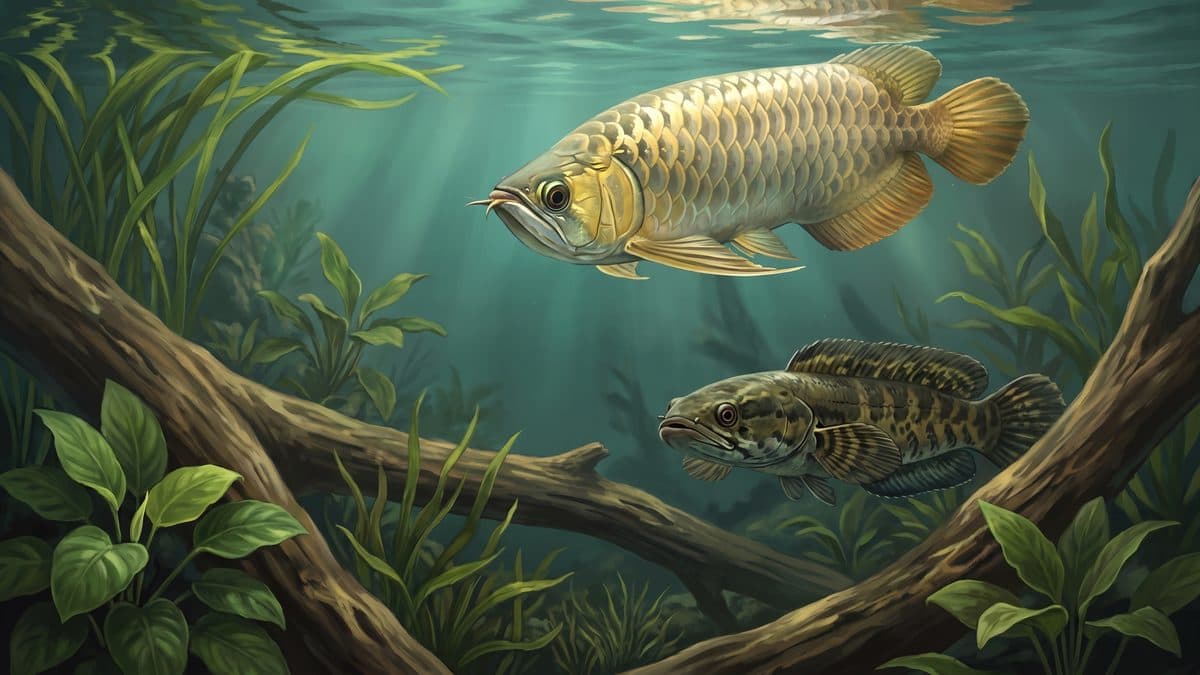
Arowana vs Snakehead: Apex Predators Compared
For monster fish enthusiasts, few debates generate as much passion as the Arowana versus Snakehead discussion. Both represent the pinnacle of freshwater predator fishkeeping — large, powerful, intelligent, and capable of dominating any aquarium they inhabit. Both demand significant space, heavy-duty filtration, and experienced keepers. Yet they approach predation, tank life, and human interaction in distinctly different ways.
Critically, both families also present significant legal considerations. This guide covers biology, care, and the regulatory landscape so you can make an informed — and legal — decision.
Arowana Overview
Arowanas belong to the family Osteoglossidae — an ancient lineage of bony-tongued fish that has existed for over 100 million years. The family includes species from South America, Asia, Africa, and Australia. In the aquarium hobby, three groups dominate:
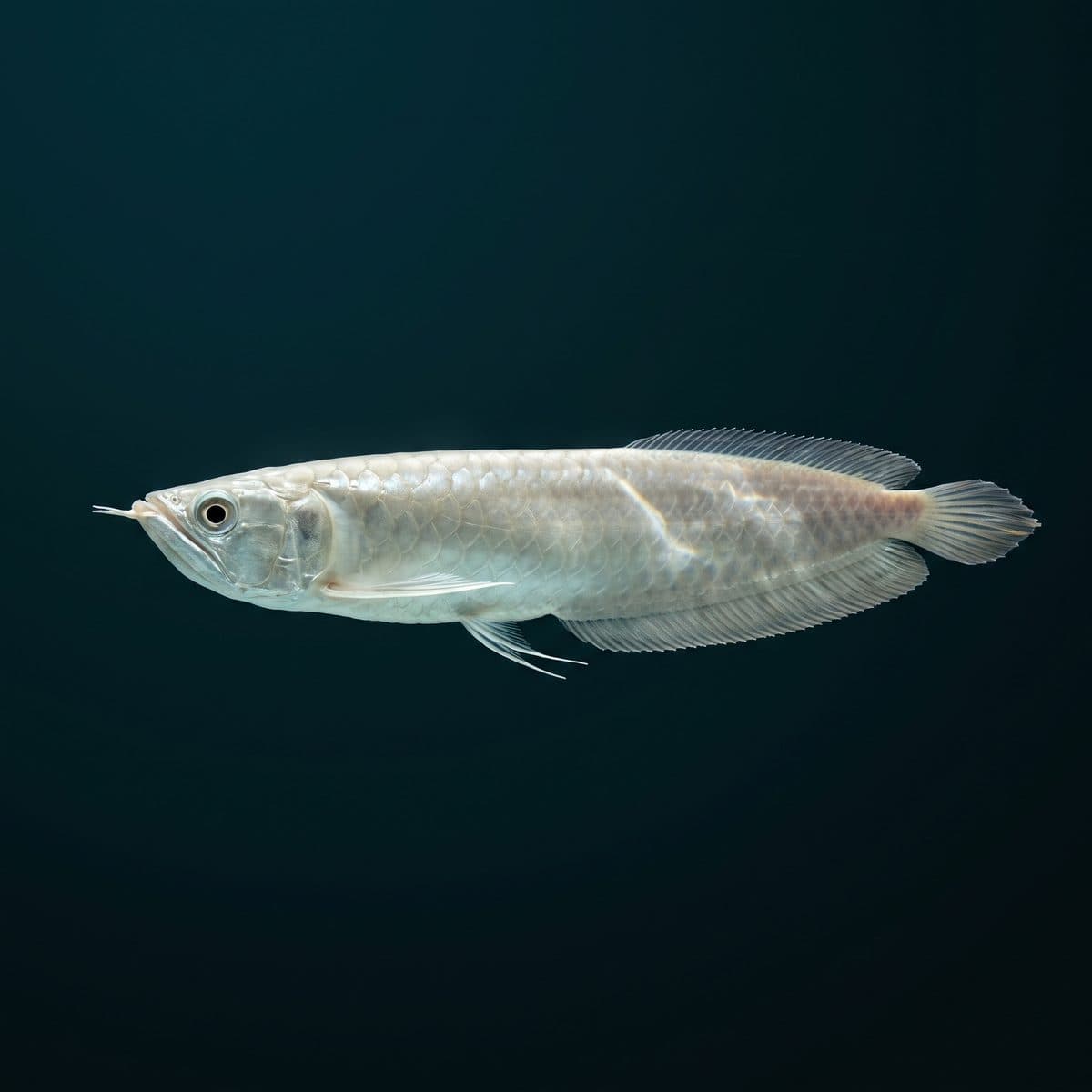
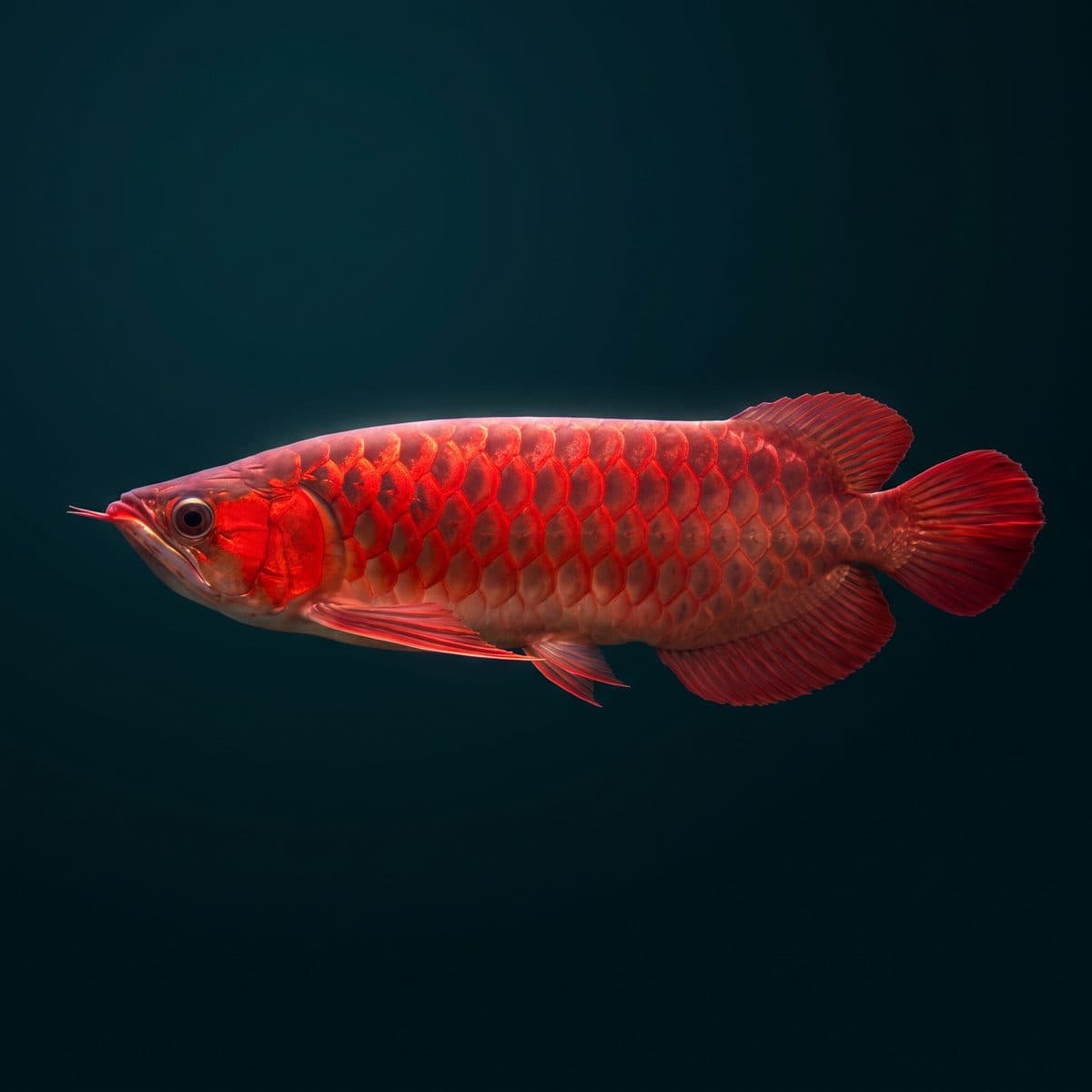
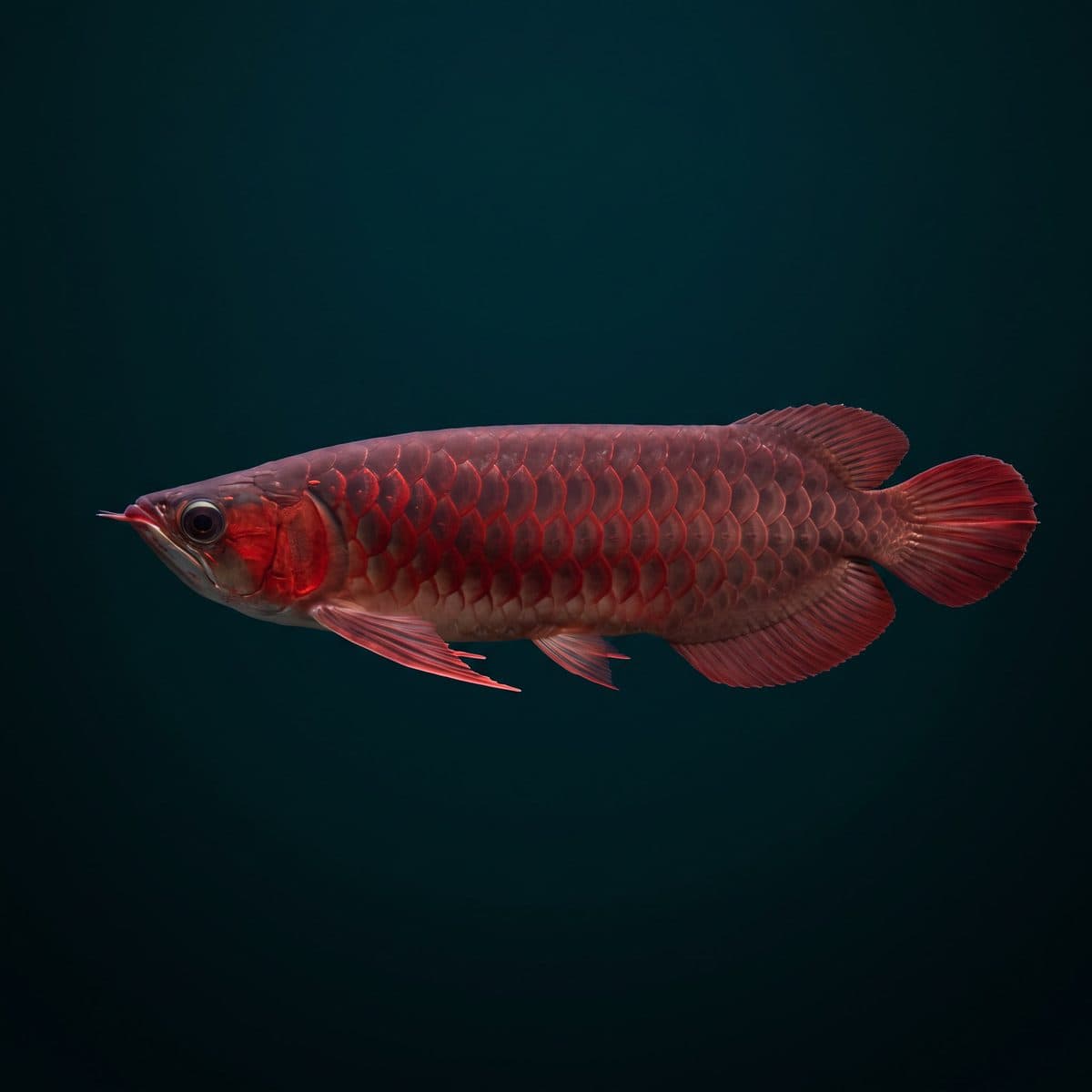
- Asian Arowana (Scleropages formosus): The most prized and expensive aquarium fish in the world. Varieties include Super Red, Cross Back Golden, Red Tail Golden, and the legendary Platinum (albino). CITES Appendix I listed — captive-bred specimens from certified farms in Southeast Asia are legally traded with microchip verification. Illegal to import or own in the USA due to the Endangered Species Act. Adults reach 60–90 cm.
- Silver Arowana (Osteoglossum bicirrhosum): The most accessible Arowana for hobbyists. Native to the Amazon Basin. Grows to 90–120 cm (3–4 feet) with a distinctive elongated, ribbon-like body. Affordable ($20–$50 as juveniles) but requires a 250+ gallon tank. Legal in the USA and most countries.
- Black Arowana (Osteoglossum ferreirai): A close relative of the Silver, native to blackwater rivers of the Rio Negro. Juveniles are striking — jet black with a yellow-orange dorsal stripe. Adults (90–100 cm) fade to silvery-grey. Somewhat more delicate than Silver Arowanas.
Arowanas are surface-dwelling predators — they patrol the upper water column, scanning for prey items (insects, small fish, frogs) on or above the water surface. In the wild, they are famous for jumping out of the water to snatch insects and small birds from overhanging branches — a behaviour that makes tight-fitting, heavy lids absolutely essential in captivity. They are intelligent, recognise their owners, and develop strong feeding responses.
Snakehead Overview
Snakeheads belong to the family Channidae, containing two genera: Channa (Asian species) and Parachanna (African species). There are over 50 described species, ranging from the 20 cm Dwarf Snakehead (Channa gachua) to the 120+ cm Giant Snakehead (Channa micropeltes). They are named for their flattened, snake-like head profile and elongated body.
The defining biological feature of Snakeheads is their suprabranchial organ — a primitive lung-like structure that allows them to breathe atmospheric air directly. This enables Snakeheads to survive in oxygen-depleted water, and some species can survive out of water for extended periods (days, in moist conditions) and even travel short distances overland. This capability is precisely what makes them so dangerous as invasive species.
Popular aquarium species include:
- Channa barca: The "Holy Grail" of Snakeheads. An extremely rare, beautifully patterned species from northeast India reaching 90 cm. Prized specimens sell for $1,000–$5,000.
- Channa aurantimaculata: A stunning orange-spotted species from Assam, India. Adults reach 40–45 cm. Relatively manageable for the family.
- Channa pulchra: A beautiful blue-green species from Myanmar at 25–30 cm. One of the more manageable species for moderate-sized tanks.
- Channa argus (Northern Snakehead): The species that triggered the US federal ban. Grows to 85 cm, tolerates near-freezing temperatures, and has established invasive populations in multiple US states. Illegal to possess alive in the USA.
Snakeheads are ambush predators — they lurk motionless among cover, then strike with explosive speed when prey ventures within range. They are powerful, aggressive, and capable of inflicting painful bites with their strong jaws and sharp teeth.
Key Differences
Predatory Style
Arowanas are surface-patrolling pursuit predators — they cruise the upper water column and strike downward or upward at prey. Their elongated body and powerful tail provide burst speed for surface strikes. Snakeheads are ambush predators that occupy the lower to middle water column, using cover and camouflage to surprise prey with explosive, short-range lunges. In a tank, Arowanas are constantly visible, patrolling the top; Snakeheads are intermittently visible, alternating between lurking and sudden activity.
Air Breathing
Snakeheads are obligate air breathers — they must access the surface to breathe or they will drown, even in well-oxygenated water. Arowanas are facultative air breathers with a modified swim bladder that can absorb some oxygen, but they rely primarily on gills. This difference means Snakeheads require surface access at all times (no sealed lids without air gaps), while Arowanas need tight-fitting lids primarily to prevent jumping.
Legality
This is the most critical practical difference for US hobbyists. All live Snakehead species in the genus Channa and Parachanna are federally banned in the United States under the Lacey Act (added in 2002 after the Northern Snakehead invasion scare). Possession, importation, and interstate transport of live Snakeheads is a federal offence. Some states have additional bans. In the UK and parts of Europe, certain species remain legal with appropriate licences.
Arowanas have a more nuanced legal landscape. Silver and Black Arowanas are legal in the USA and most countries. Asian Arowanas (Scleropages formosus) are illegal in the USA due to ESA/CITES restrictions but are legally traded in Southeast Asia, Europe, Japan, and other regions with proper CITES documentation.
Quick Comparison Table
| Factor | Arowana (Osteoglossidae) | Snakehead (Channidae) |
|---|---|---|
| Size Range | 60–120 cm (species-dependent) | 20–120 cm (species-dependent) |
| Lifespan | 15–20+ years | 10–15+ years |
| Minimum Tank Size | 250 gal (Silver/Black); 180 gal (Jardini) | 75 gal (dwarf spp.); 300+ gal (giant spp.) |
| Temperature | 24–30 °C | 18–28 °C (species-dependent) |
| Predatory Style | Surface pursuit predator | Ambush predator |
| Air Breathing | Facultative | Obligate (suprabranchial organ) |
| US Legality | Silver/Black: legal; Asian: illegal | All species federally banned |
| Aggression | High (territorial, piscivorous) | Very High (territorial, aggressive biter) |
| Cost | $20–$400,000+ (species/variety) | $20–$5,000 (species/rarity) |
| Tank Position | Top dweller | Bottom to middle dweller |
Tank Requirements Comparison
Arowana tank setup: A Silver or Black Arowana needs a minimum of 250 gallons — and ideally 300+ gallons — with dimensions prioritising length and width over height. A 96 × 30 inch footprint is a starting point for an adult Silver Arowana. The tank must have a heavy, secure lid — Arowanas are powerful jumpers, and an uncovered tank will result in a dead fish on the floor. Filtration via a large sump (50–100 gallon sump volume) is the standard approach, providing mechanical, biological, and chemical filtration capacity proportional to the massive bioload.
Décor should be minimal — large driftwood pieces and a sand substrate. Arowanas need unobstructed swimming space at the surface. Sharp décor or cramped layouts cause scale damage and fin abrasion. Water temperature of 26–28 °C, pH 6.0–7.5, and weekly 25–30 % water changes maintain health. Feeding consists of pellets (Hikari Arowana Sticks), frozen shrimp, crickets, and superworms. Avoid feeder fish.
Snakehead tank setup: Tank size varies dramatically by species. Dwarf Snakeheads (C. gachua, C. bleheri) at 20–25 cm can be housed in 75-gallon tanks. Medium species (C. pulchra, C. aurantimaculata) at 30–45 cm need 125–180 gallons. Giant species (C. micropeltes, C. marulius) at 80–120 cm need 300+ gallons. All Snakehead tanks need a secure lid with an air gap — Snakeheads must access surface air but are also powerful jumpers.
Snakeheads appreciate cover — dense driftwood, rock caves, and floating plants that provide ambush positions and shade. Unlike Arowanas, Snakeheads actively use décor as part of their hunting strategy. Filtration should be heavy-duty (sump or large canister), as Snakeheads are messy, carnivorous feeders. Temperature varies by species — tropical species need 24–28 °C, while temperate species like C. argus tolerate near-freezing temperatures (a key reason for their invasive success).
Which Should You Choose?
Choose an Arowana if:
- You want a majestic, constantly visible surface predator
- You have 250+ gallons and heavy-duty filtration
- You want a legal option in the US (Silver or Black Arowana)
- You appreciate the cultural significance and collector value of these ancient fish
- You want an intelligent fish that develops a strong bond with its keeper
Choose a Snakehead if:
- You are in a jurisdiction where Snakeheads are legal (not the USA)
- You want an ambush predator with explosive, dramatic feeding behaviour
- You are interested in dwarf species (C. gachua, C. bleheri) for more manageable tank sizes
- You appreciate the biological marvel of obligate air breathing in a fish
- You are an experienced predator fish keeper comfortable with aggressive, powerful fish
Our recommendation: For US-based hobbyists, the choice is legally simple — Arowanas (Silver or Black) are the only option, as all Snakeheads are federally banned. The Silver Arowana is the classic entry point to monster fishkeeping: affordable, spectacular, and endlessly rewarding for experienced keepers with adequate tank space. For international hobbyists where Snakeheads are legal, dwarf Channa species offer a fascinating and more manageable alternative to the space demands of Arowanas. Always verify local legislation before acquiring either family.