Fahaka Care at a Glance
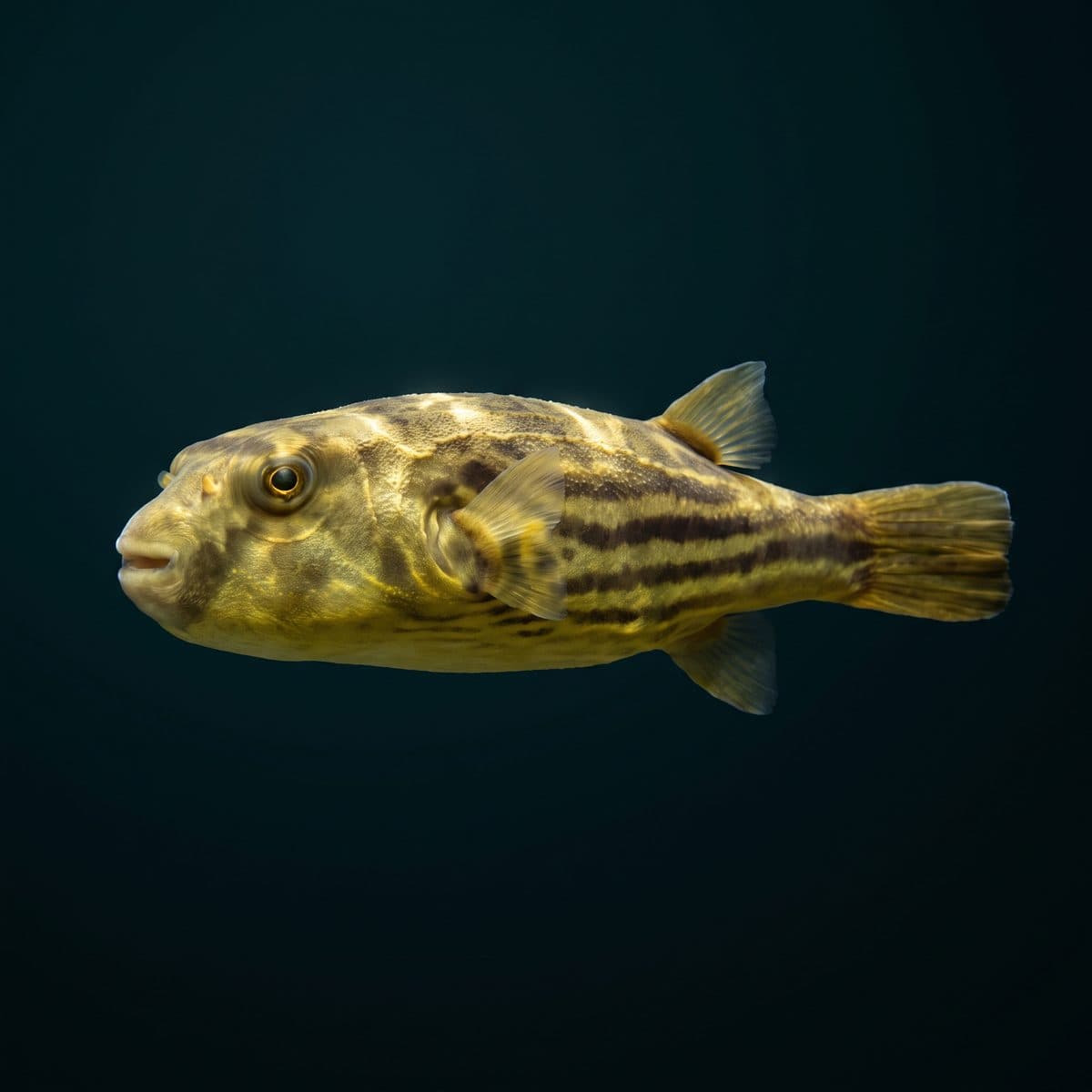
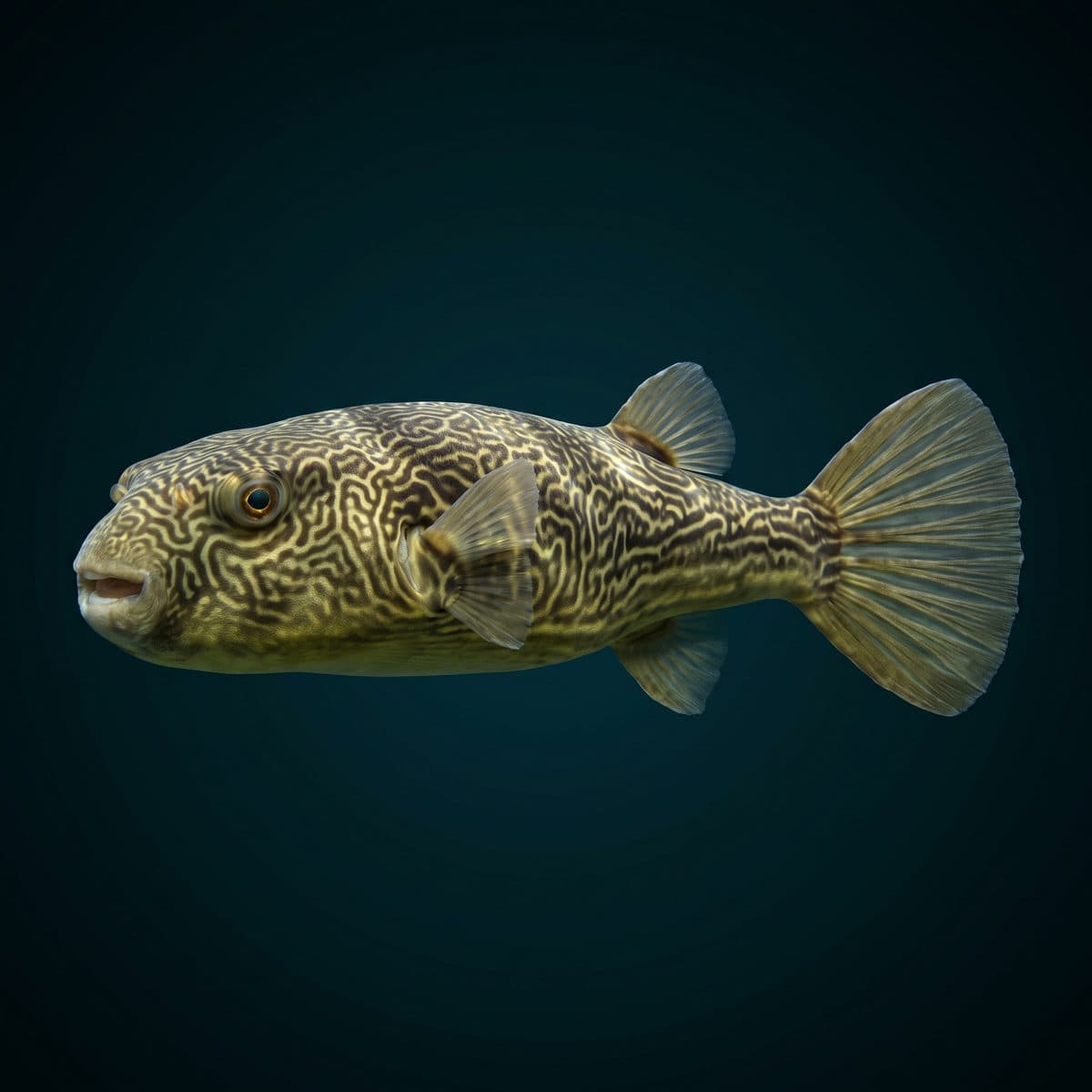
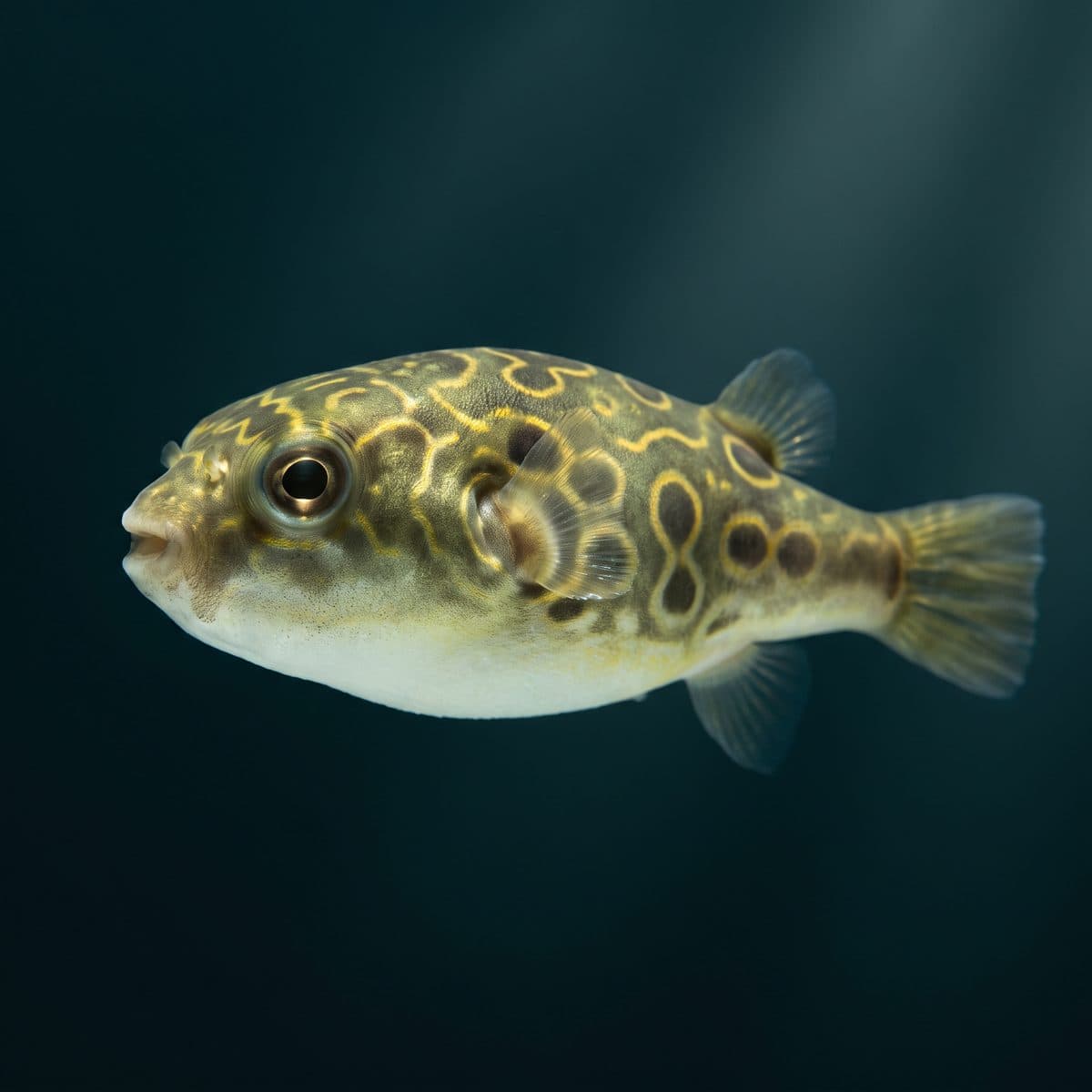
The Fahaka Pufferfish (Tetraodon lineatus) is one of the most intelligent, personable, and demanding freshwater fish in the hobby. They recognise their keepers, display mood-dependent colour changes, and possess a bite powerful enough to crack crab shells — and human fingers. This care sheet provides the essential parameters and protocols. For a deeper dive into every aspect of Fahaka keeping, see our complete Fahaka Pufferfish guide.
Tank Setup
- Minimum tank: 125 gallons (475 L), 72 inches long. 150–180 gallons is preferred for full-sized adults.
- Filtration: 10× turnover minimum. Sump or dual large canisters. Run activated carbon continuously.
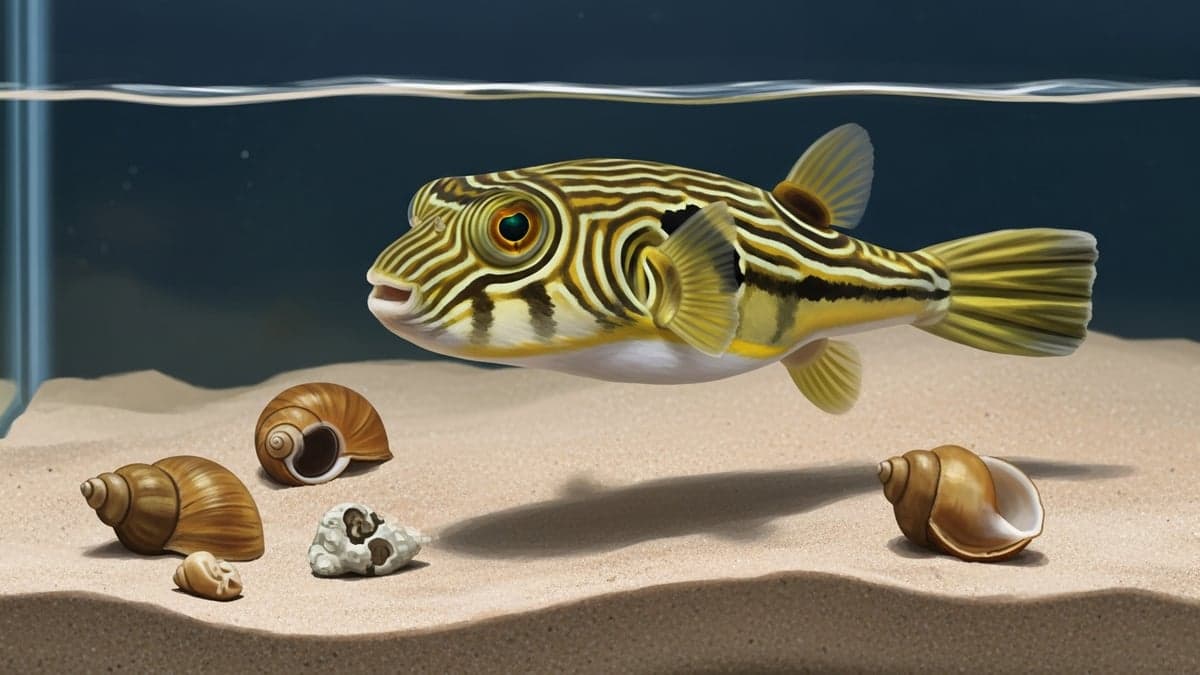
- Substrate: Fine sand (Fahakas bury themselves partially). Avoid gravel.
- Décor: Large smooth rocks and driftwood for enrichment. Rearrange periodically to stimulate exploration. Avoid sharp edges.
- Heater: Titanium only — Fahakas bite and shatter glass heaters. Use heater guards as additional protection.
- Lid: Secure and weighted. Fahakas splash and can push lightweight lids.
Water Parameters
- Temperature: 24–28 °C (75–82 °F)
- pH: 7.0–8.0
- Hardness: 10–20 dGH (hard, alkaline African water conditions)
- Ammonia/Nitrite: 0 ppm — pufferfish are scaleless and extremely sensitive
- Nitrate: Below 20 ppm
- Salinity: Fully freshwater — no salt required despite occasional mislabelling as brackish
Water quality is the single most important factor in Fahaka health. Scaleless skin means any ammonia, nitrite, or elevated nitrate causes direct tissue irritation. Weekly 30–50 % water changes are the minimum. Test parameters twice weekly.
Diet and Beak Maintenance
Fahaka Pufferfish have a fused beak (four dental plates) that grows continuously. Hard-shelled foods are mandatory at every feeding to wear the beak down and prevent overgrowth — the most common and serious health issue in captive Fahakas.
Essential foods (hard-shelled — every feeding):
- Snails (Malaysian Trumpet, Ramshorn, Mystery Snails) — maintain a breeding colony
- Mussels and clams (whole, shell-on)
- Crab legs and crayfish
- Cockles
Supplementary foods:
- Frozen shrimp (shell-on)
- Earthworms
- Frozen fish fillets (occasional)
Feeding schedule: Adults every other day. Fahakas beg aggressively but are prone to obesity. A lean belly profile (slightly concave when viewed from above) is healthier than a round one.
For detailed pufferfish nutrition, see our pufferfish diet and feeding guide.
Temperament
Fahakas must be kept completely alone. They will attack and kill any tank mate — other pufferfish, large cichlids, armoured catfish, and invertebrates. There are no reliable exceptions. Anecdotal reports of temporary coexistence always carry the risk of sudden, fatal aggression.
Toward their keeper, Fahakas are extraordinarily interactive. They follow human movement, beg for food (splashing at the surface), and display colour changes reflecting mood — darkening when stressed, brightening when excited. This interactivity makes them one of the most engaging solo fish in the hobby.
Health and Common Issues
- Beak overgrowth: Prevented by consistent hard-shelled food. If overgrowth occurs, requires clove oil anaesthesia and manual trimming with cuticle nippers — a stressful procedure best avoided through proper diet.
- Obesity: Common from overfeeding. Maintain every-other-day adult schedule with regular fasting periods.
- Skin infections: Secondary to poor water quality. Maintain zero ammonia, zero nitrite, and nitrate below 20 ppm.
- Internal parasites: Prophylactic praziquantel treatment recommended for wild-caught specimens upon arrival.
- Stress puffing: Inflation with water when stressed. Minimise by avoiding sudden light changes, loud noises, and netting. Repeated puffing can cause internal damage.
Daily and Weekly Routine
- Daily: Check temperature, observe behaviour and colour. Inspect beak condition during feeding.
- Every other day: Feed hard-shelled foods (snails, mussels, crab). Remove uneaten shell fragments 30 minutes after feeding.
- Twice weekly: Test pH, ammonia, nitrite, nitrate.
- Weekly: 30–50 % water change. Clean filter media (never all at once). Replace activated carbon every 2–3 weeks. Check heater guard integrity.
With proper care, Fahaka Pufferfish live 10–15 years — a decade of interactive, personality-rich fishkeeping. Browse The Fish Collection's exotic fish collection for current Fahaka availability.
Running a Feeder Snail Colony
Here's the practical problem every Fahaka keeper hits within the first month: an adult puffer crunches through 10–20 snails per feeding, and buying them retail at 1–3 dollars each gets absurd fast. Store-bought snails carry real risks too — pesticide residue from planted display tanks and hitchhiking parasites. The fix is a dedicated snail colony, and it's far easier than it sounds.
- Container: A 10–20 gallon tank or plastic tub with a cheap sponge filter. No heater needed — room temperature is fine.
- Species: Ramshorn snails breed fastest and are your workhorse feeder. Malaysian Trumpet Snails have harder shells — ideal for serious beak wear. Run both together.
- Calcium: Add crushed coral or a cuttlebone to the water. Soft-shelled snails from calcium-poor water defeat the whole purpose — you want crunch.
- Feed the colony well: Blanched zucchini, algae wafers, and vegetable scraps 2–3 times weekly. Well-fed snails are more nutritious snails — the same gut-loading logic reptile keepers apply to feeder insects.
- Harvest rate: A seeded 20-gallon tub reaches sustainable harvest in 6–8 weeks and can supply an adult Fahaka indefinitely.
Quarantine your founder snails once, from a clean source, then keep the colony closed — nothing new goes in. That gives you a permanent, parasite-free food supply for pennies a week.
Growth Timeline and Tank Upgrades
Fahakas are usually sold at 2–5 cm, and the gap between that cute striped juvenile and the 45 cm adult catches a lot of keepers out. Growth is quick when the fish is fed and housed properly:
| Age | Typical Size | Housing |
|---|---|---|
| 0–6 months | 5–15 cm | 75-gallon grow-out is workable |
| 6–12 months | 15–25 cm | Needs the 125-gallon by now |
| 1–2 years | 25–35 cm | 125 gallons minimum |
| 3+ years | 35–45 cm | 150–180 gallons ideal |
Our honest recommendation: skip the grow-out stage and start in the final tank. A juvenile Fahaka in 125 gallons is easier to keep clean — more volume dilutes waste between water changes — and you avoid stressing an easily-annoyed fish with a house move at the six-month mark. Scale the food with the fish: pea-sized snails for juveniles, thumbnail-sized snails and half mussels for adults. Feeding frequency drops from daily (under 10 cm) to every other day as they mature.
Buying a Healthy Fahaka
Nearly all Fahakas in the trade are wild-caught from the Nile basin, so arrival condition varies enormously. Run this checklist before you pay:
- Belly profile: Gently rounded, never sunken. A concave belly on a wild import usually means internal parasites on top of starvation — recoverable, but you're signing up for a rehab project.
- Ask for a feeding demonstration. A healthy Fahaka attacks a snail on sight. A puffer that ignores food is a red flag worth walking away from.
- Beak check: The dental plates should meet evenly with no visible overgrowth. Correcting a neglected beak in week one is a rough way to start.
- Eyes and skin: Clear, constantly tracking eyes (Fahakas watch everything) and unbroken skin with no grey patches or excess slime.
- Never buy a recently puffed fish — repeated inflation risks internal injury, and a shop that puffs its puffers for customers is telling you exactly how they handle stock.
Once home, plan a praziquantel course during the first month for wild-caught specimens, and start the hard-shelled diet immediately — beak maintenance begins on day one, not when overgrowth shows.