Why Water Parameters Matter for Arowana
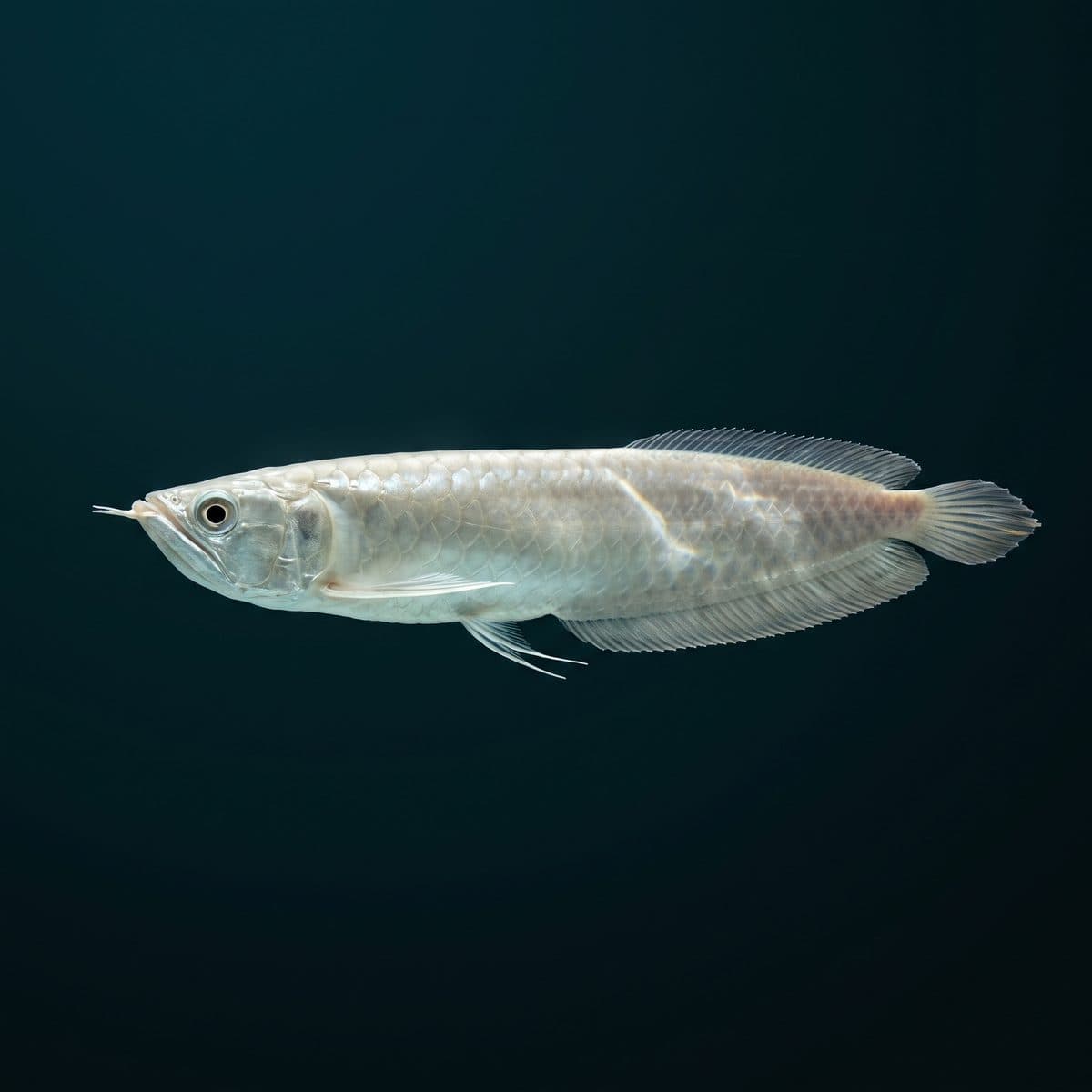
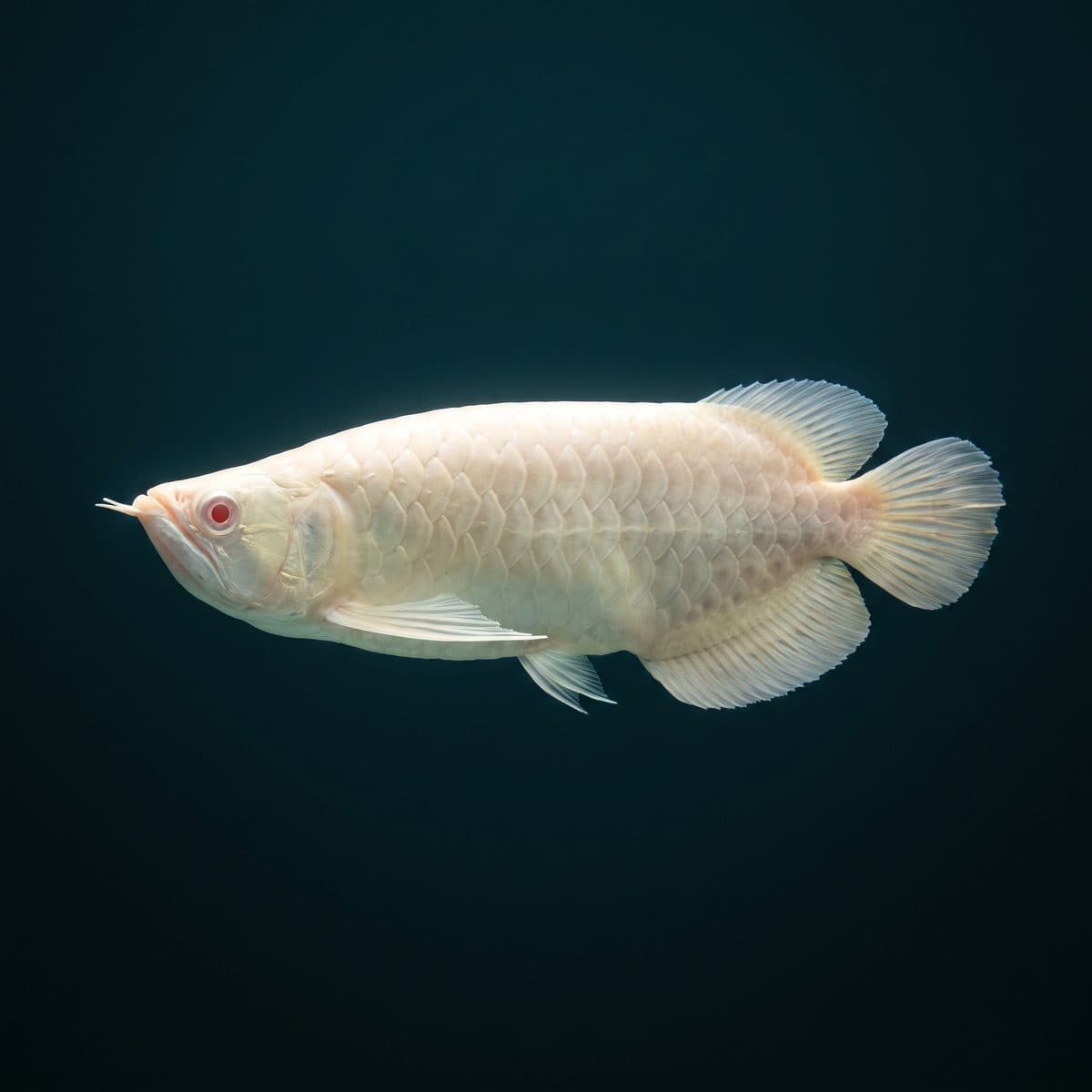
Arowana are long-lived, high-value fish that respond to water quality with immediate, visible consequences. A Platinum Arowana worth $100,000+ cannot be treated like a hardy community fish — parameter deviations that a cichlid would tolerate silently will produce measurable stress responses in an Arowana within days. Drop eye, gill curl, colour fading, appetite loss, and immune suppression are all linked to chronic water quality issues.
The goal is not perfection on any single measurement — it is stability. An Arowana acclimated to a stable pH of 7.2 will perform better than one in a system oscillating between 6.5 and 7.0. Every parameter adjustment should be made gradually, over days rather than hours. For tank setup fundamentals, see our Arowana tank setup guide.
Target Water Parameters
The following targets apply to all commonly kept Arowana species, with notes on species-specific preferences:
- Temperature: 26–28 °C (79–82 °F). Silver Arowana (Osteoglossum bicirrhosum) tolerate slightly cooler water (24–28 °C). Asian Arowana (Scleropages formosus) perform best at 27–28 °C.
- pH: 6.5–7.0. The slightly acidic range mirrors their natural blackwater habitat. Captive-bred specimens tolerate up to pH 7.5 if stable.
- General Hardness (GH): 1–8 dGH. Soft water is preferred. Asian Arowana originate from soft, mineral-poor Southeast Asian rivers.
- Carbonate Hardness (KH): 2–5 dKH. Sufficient to buffer against pH crashes between water changes, but low enough to support the slightly acidic target pH.
- Ammonia: 0 ppm — always. Any detectable ammonia in an Arowana system indicates a filtration failure that requires immediate action.
- Nitrite: 0 ppm — always.
- Nitrate: Below 20 ppm; below 10 ppm preferred. Arowana are sensitive to nitrate accumulation, which suppresses colour and appetite.
- TDS (Total Dissolved Solids): 50–150 ppm. Low TDS indicates clean, mineral-appropriate water.
Temperature Management
Temperature stability is the single most important parameter for Arowana. A consistent 27 °C is far better than a temperature that fluctuates between 26 °C and 29 °C with day-night cycles. Fluctuations of more than 1 °C within a 24-hour period cause chronic stress.
Equipment requirements:
- Titanium heater rated for at least 400 W for a 240-gallon system (or two 300 W units for redundancy).
- External digital temperature controller (Inkbird ITC-308 or equivalent) — never rely solely on the heater's built-in thermostat.
- Place heaters in the sump, not the display tank, to prevent the Arowana from burning itself.
- Position the temperature probe in the display tank at the opposite end from the return outlet.
In summer, if ambient room temperature pushes the tank above 30 °C, use a clip-on fan directed across the water surface to enhance evaporative cooling, or invest in an aquarium chiller. Sustained temperatures above 30 °C increase metabolic rate, reduce dissolved oxygen, and stress the fish.
pH and Hardness
The relationship between pH, KH, and CO₂ determines water chemistry stability. KH acts as a buffer — it resists pH changes. Without adequate KH, pH can crash overnight as biological filtration produces acids. With excessive KH, lowering pH to the target 6.5–7.0 range becomes difficult.
The sweet spot is KH 2–5 dKH: enough buffering to prevent crashes, low enough to allow slightly acidic conditions. Test KH weekly and adjust if it drifts outside this range.
Achieving Soft, Acidic Water
If your tap water is hard and alkaline (common in many US regions), use an RO/DI system to produce demineralised water, then blend with tap water to reach target parameters. A typical ratio is 70–80 % RO water to 20–30 % tap water, but the exact ratio depends on your tap water's baseline GH and KH.
Never add pure RO water directly to an Arowana tank — it contains no minerals and can cause osmotic stress. Always remineralise with a GH/KH product (Seachem Equilibrium + alkaline buffer, or similar) before adding to the system.
For natural pH suppression, Indian almond leaves (Terminalia catappa), peat moss in the filter, or blackwater extract can gently lower pH while releasing beneficial tannins. These methods also serve as colour enhancers — see the blackwater section below.
Ammonia, Nitrite, and Nitrate
In a properly cycled Arowana system, ammonia and nitrite should always read 0 ppm. Any detectable level indicates one of three problems:
- Insufficient biological filtration: Biomedia volume may be inadequate for the bioload. Arowana are large predators producing substantial waste — ensure at least 10–15 litres of sintered-glass or ceramic biomedia in the sump.
- Disrupted bacterial colony: Over-cleaning biomedia, medicating the main system, or a power outage killing aerobic bacteria. Never clean more than 25 % of biomedia at one time, and always rinse in old tank water, not tap water.
- Overfeeding: Uneaten food and excessive waste production overwhelm the filter's processing capacity.
Nitrate is the end product of the nitrogen cycle and accumulates between water changes. Weekly 30–40 % water changes are the primary nitrate management tool. If nitrate exceeds 20 ppm despite regular water changes, increase change volume or frequency, add fast-growing floating plants (pothos cuttings rooted in the sump are highly effective), or add a denitrifying reactor.
TDS Management
TDS measures the total concentration of dissolved substances — minerals, salts, organic compounds, and waste products. A TDS meter ($15–$30) provides a quick daily snapshot of overall water quality.
Target TDS for Arowana: 50–150 ppm. Rising TDS between water changes is normal; a steady climb over weeks indicates insufficient water change volume. A sudden spike after a water change means your replacement water is not properly conditioned or your RO membrane needs replacement.
TDS is not a substitute for testing individual parameters (pH, ammonia, nitrate) but serves as a useful early warning system for water quality drift.
Water Change Protocol
Water changes are the single most important maintenance task for Arowana. A consistent schedule prevents parameter drift and keeps nitrate under control.
Recommended schedule:
- Frequency: Weekly minimum. Twice weekly for heavily stocked systems or tanks with nitrate creep above 15 ppm.
- Volume: 30–40 % per change. Larger changes (50 %+) are safe if the replacement water is temperature- and chemistry-matched.
- Temperature matching: Replacement water must be within 1 °C of the tank temperature. Mix hot and cold water or pre-heat in a holding container.
- Chemistry matching: If using RO/DI blended water, pre-mix to match tank pH and GH before adding. Never dump raw RO water into the tank.
- Dechlorination: Treat all tap water or tap/RO blends with a dechlorinator (Seachem Prime or equivalent) before adding to the system. Chlorine and chloramine are lethal to the biological filter at municipal concentrations.
For high-value Arowana systems, consider an automated water-change system with a float valve, supply reservoir, and drain line. This allows small, continuous water replacement (drip method) that maintains near-constant parameters.
Blackwater Conditioning for Colour
Blackwater conditioning — adding tannins to stain the water amber-brown — is used extensively by Arowana keepers to enhance coloration, particularly in Super Red and Red Tail Golden varieties. The tannins released by botanical materials lower pH gently, provide mild antibacterial properties, and are believed to reduce stress by mimicking the Arowana's natural habitat.
Blackwater sources:
- Indian almond leaves (Terminalia catappa): The most popular option. Add 1–2 large leaves per 50 gallons, replacing as they decompose (every 2–3 weeks). Leaves can also be brewed into a concentrate.
- Peat moss: Place in a filter media bag in the sump. Releases tannins and humic acids, lowering pH gradually. Replace monthly.
- Alder cones: Small, easy to dose, and release tannins quickly. Use 5–10 cones per 50 gallons.
- Commercial blackwater extract: Seachem Tannin, Brightwell Blackwater, or similar products offer precise, measurable dosing.
Monitor pH closely when using blackwater additives — they lower pH gradually, and the effect compounds over time. Maintain KH at 2–5 dKH to prevent pH crashes.
Testing Schedule
A disciplined testing schedule catches problems before they become emergencies:
- Daily: Temperature (digital thermometer, always visible). TDS (quick dip of the TDS pen).
- Twice weekly: pH (liquid reagent test — digital pH meters require frequent calibration and drift more than test kits).
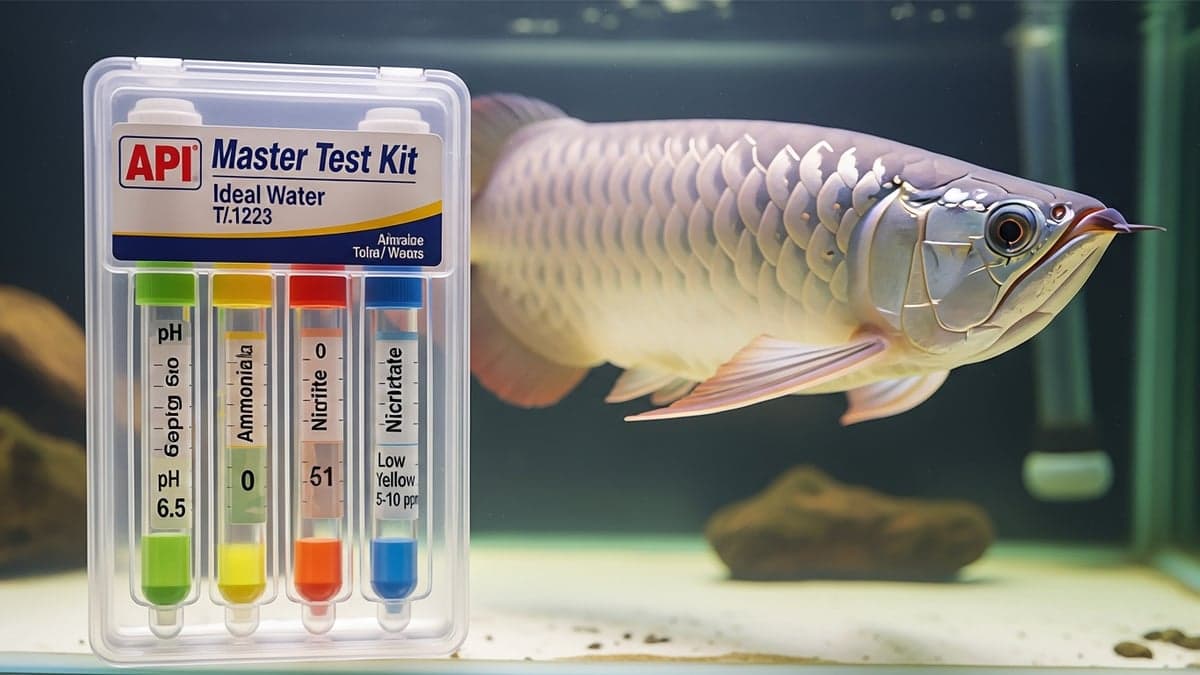
- Weekly: Ammonia, nitrite, nitrate (liquid reagent test kit — API Master Test Kit or equivalent; avoid strip tests, which are less accurate).
- Monthly: GH, KH (liquid reagent). RO membrane output TDS (should read 0–5 ppm; higher indicates membrane replacement needed).
Log all test results. A spreadsheet or notebook log allows you to identify trends — slowly rising nitrate, gradually dropping KH, seasonal pH drift — before they reach problematic levels.
Troubleshooting Common Issues
- pH crash (sudden drop below 5.5): Usually caused by depleted KH buffer. Immediately perform a 25 % water change with KH-adjusted water. Investigate KH depletion — increase water change frequency or add KH buffer to the replacement water.
- Persistent ammonia above 0 ppm: Check biomedia volume, verify sump pump is running, test for chloramine in source water (chloramine can pass through standard dechlorinators at high concentrations — use double dose of Prime or switch to an ammonia-binding conditioner).
- Colour fading: Often caused by high nitrate (above 30 ppm), high TDS, or excessively bright lighting. Increase water change frequency, add blackwater conditioning, and adjust lighting spectrum toward warmer tones.
- Fish gasping at surface: Dissolved oxygen may be low — check that the sump return creates adequate surface agitation, and verify the ambient temperature has not pushed the tank above 30 °C (warm water holds less oxygen).
For filtration and equipment guidance, return to our Arowana tank setup guide. For feeding protocols that complement proper water management, see our Arowana feeding guide.