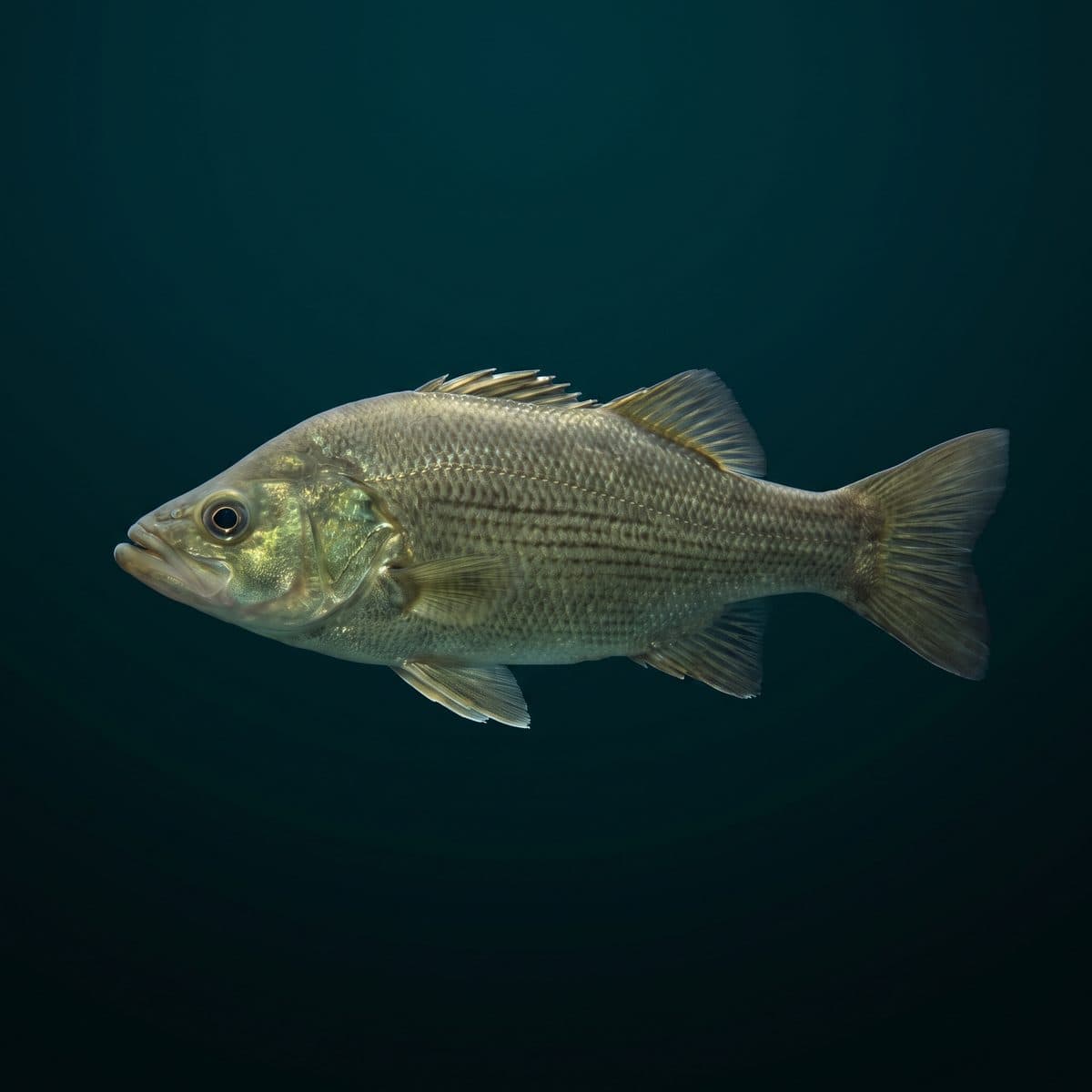
Moderate
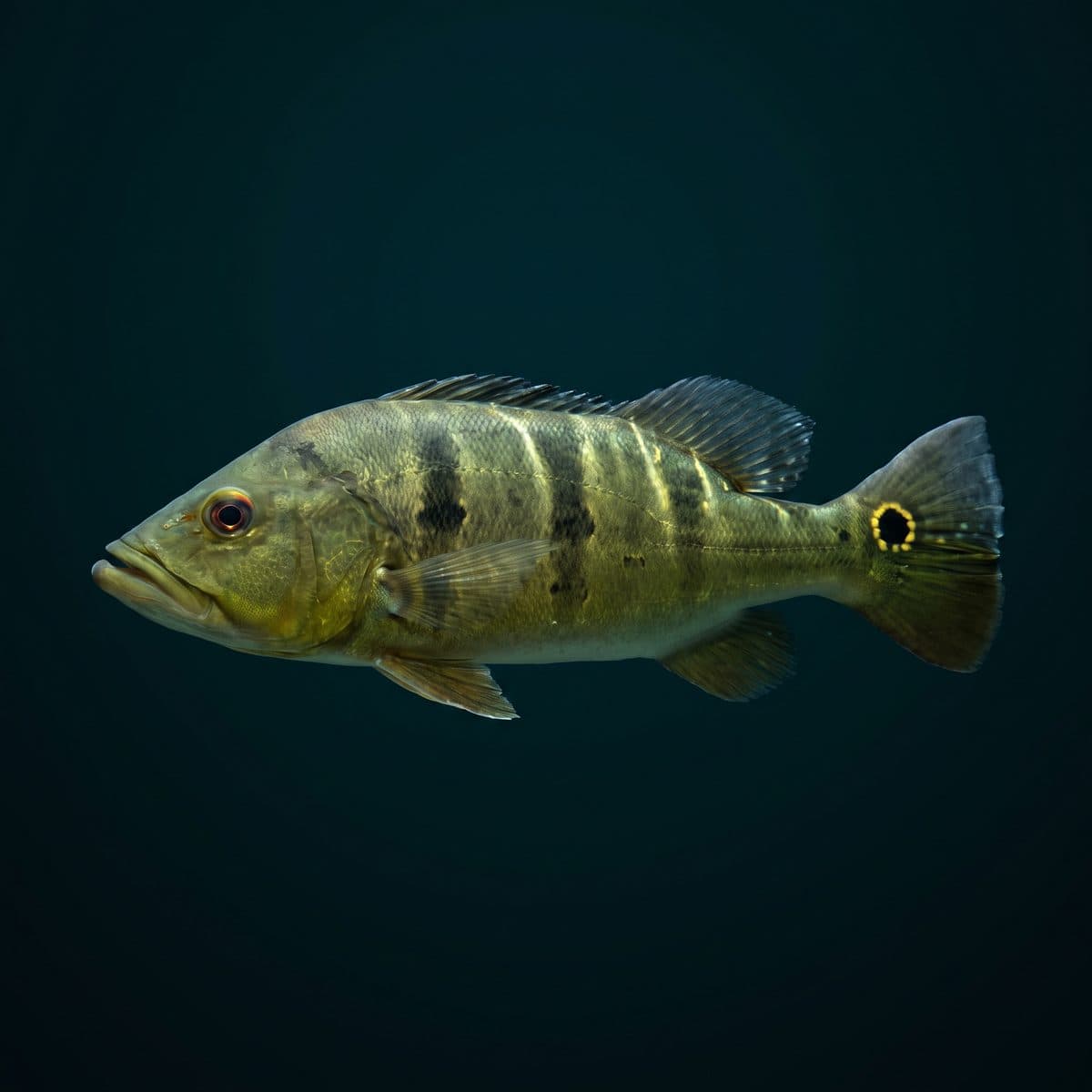
Peacock Bass
Cichla ocellaris
78,20 €Get a quote
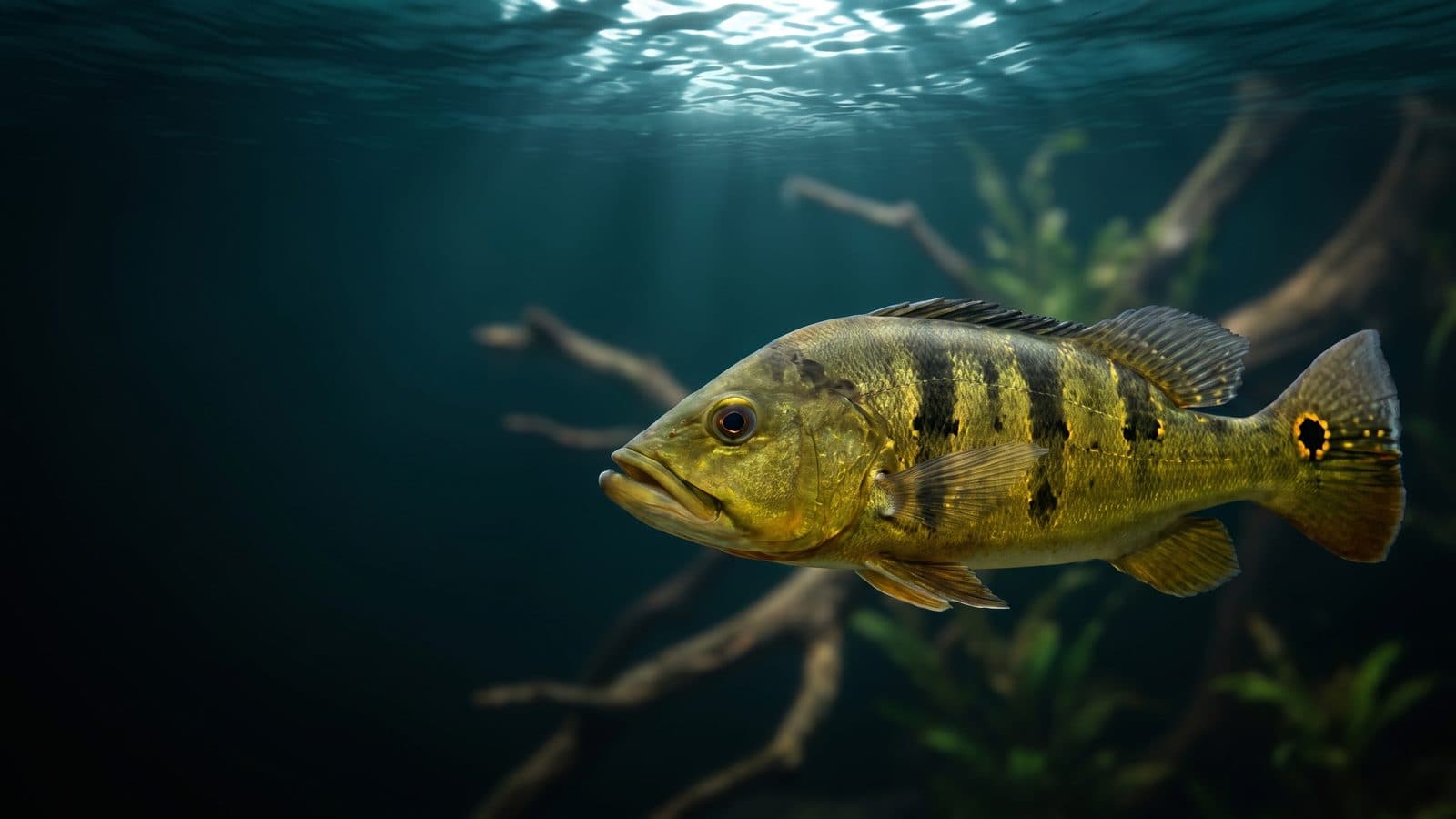
Exotic bass species — Peacock Bass, Australian Bass, and rare imports — bring predatory excitement to large aquarium systems. Our bass are bred for colour and health in controlled environments. 4 in stock now.
Exotic bass species bring a raw, predatory energy to large aquarium systems that few other fish can equal. The explosive strike of a Peacock Bass (Cichla species) ambushing prey, the metallic flash of an Australian Bass cruising its territory, the sheer physical presence of a mature specimen patrolling a 300-gallon tank — these are experiences that transform fishkeeping from passive observation into something visceral. For aquarists seeking bass fish for sale, these powerful predators offer a connection to the wild that domesticated fish simply cannot provide.
The term "bass" in the aquarium context encompasses several unrelated families united by their predatory lifestyle and robust body form. Peacock Bass (genus Cichla) are actually cichlids, native to the rivers of South America, and are the most commonly kept exotic bass in aquariums. Species like Cichla temensis can reach 30 inches and display stunning colour patterns of gold, green, and black bars with a distinctive ocellus (eye spot) on the tail. Australian Bass (Macquaria novemaculeata) and Murray Cod are gaining popularity among aquarists who appreciate their native Australian origins and aggressive feeding response. Other aquarium bass include various species of Peacock Bass hybrids developed for enhanced colouration, and rare imports like the Wolf Cichlid (Parachromis dovii), which, while technically a cichlid, is kept and managed like a large predatory bass.
Predatory bass should look the part: muscular, alert, with a thick body and well-defined jaw. Avoid specimens with sunken bellies, curved spines, or cloudy eyes. Watch the fish's response to movement — healthy bass are keenly aware of activity outside the tank and may track your finger or a feeding stick with focused intensity. This hunting instinct is what you are buying, so a lethargic bass that ignores stimuli is concerning. Check for intact fins and clean skin without raised scales, red streaks, or white patches. Many bass species undergo dramatic colour changes as they mature, so judge juveniles more on body condition and behaviour than on colouration.
Bass are large, active predators that need space proportional to their size and energy. A juvenile Peacock Bass may start in a 75-gallon tank, but adults require 180-300 gallons depending on species. The tank should provide open swimming space — bass are pursuit predators, not ambush hunters that hide in caves. Minimal decoration works best: a few large rocks or pieces of driftwood for structure, but plenty of open water. Filtration must handle the heavy bioload that comes with feeding a carnivorous fish a diet of whole prey items. Water conditions are relatively flexible — most bass tolerate pH 6.5-7.8 and temperatures of 76-84 degrees Fahrenheit — but water quality must be maintained rigorously, as bass are intolerant of accumulated nitrates above 30-40 ppm.
Our bass are captive-bred specimens raised in controlled environments that emphasise health, colour development, and vigorous feeding response. We do not sell wild-caught bass taken from native ecosystems. Every fish is quarantined and transitioned onto a varied diet of pellets, shrimp, silversides, and other frozen foods before listing — we do not sell bass conditioned solely on live feeders, as this creates long-term feeding challenges for buyers. We provide honest size projections and tank requirements for each species, because the last thing we want is a magnificent fish languishing in inadequate housing. Free insulated shipping and live arrival guaranteed on every order.
Weiter entdecken