Intermediate
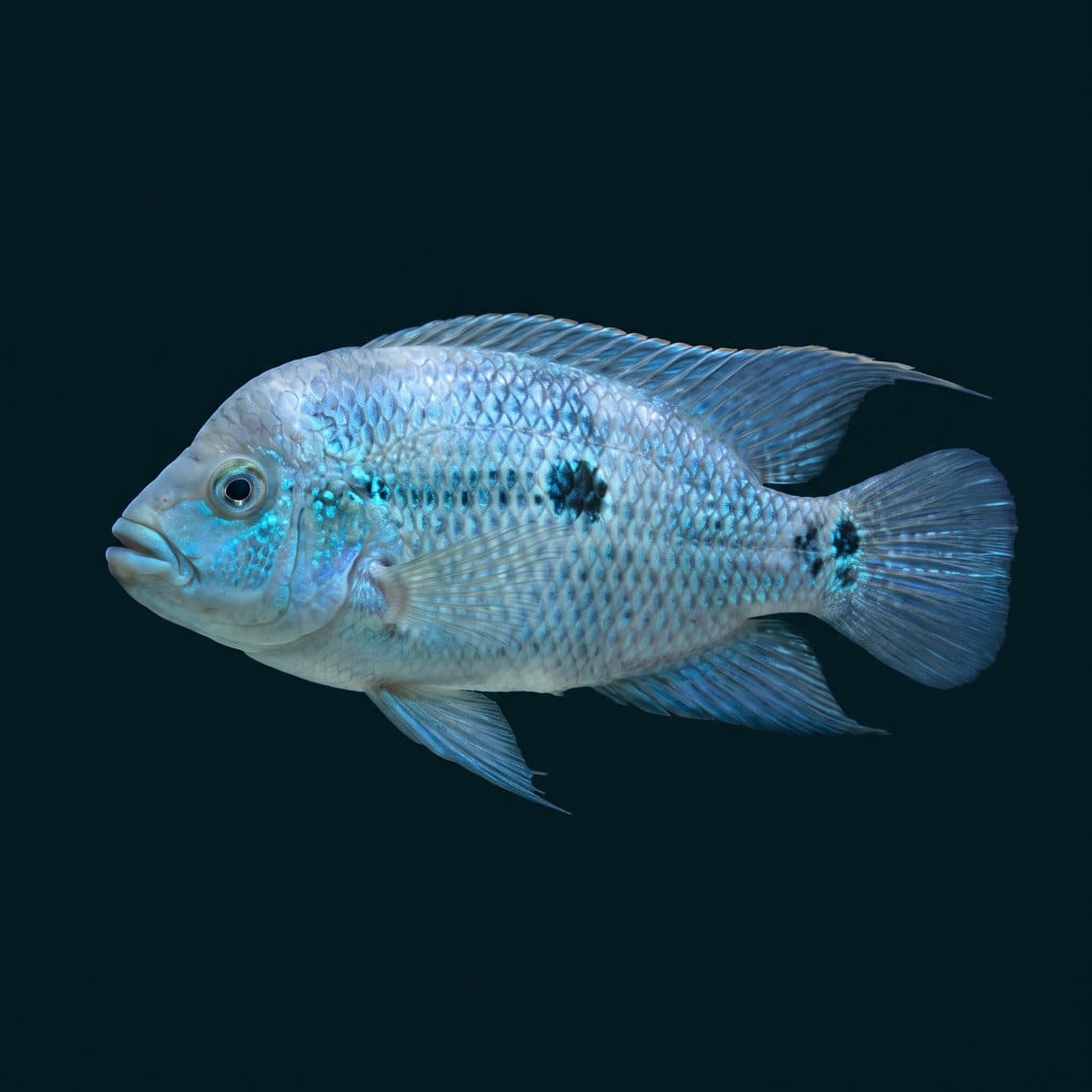
Electric Blue Jack Dempsey
Rocio octofasciata
ab 32,20 €Get a quote
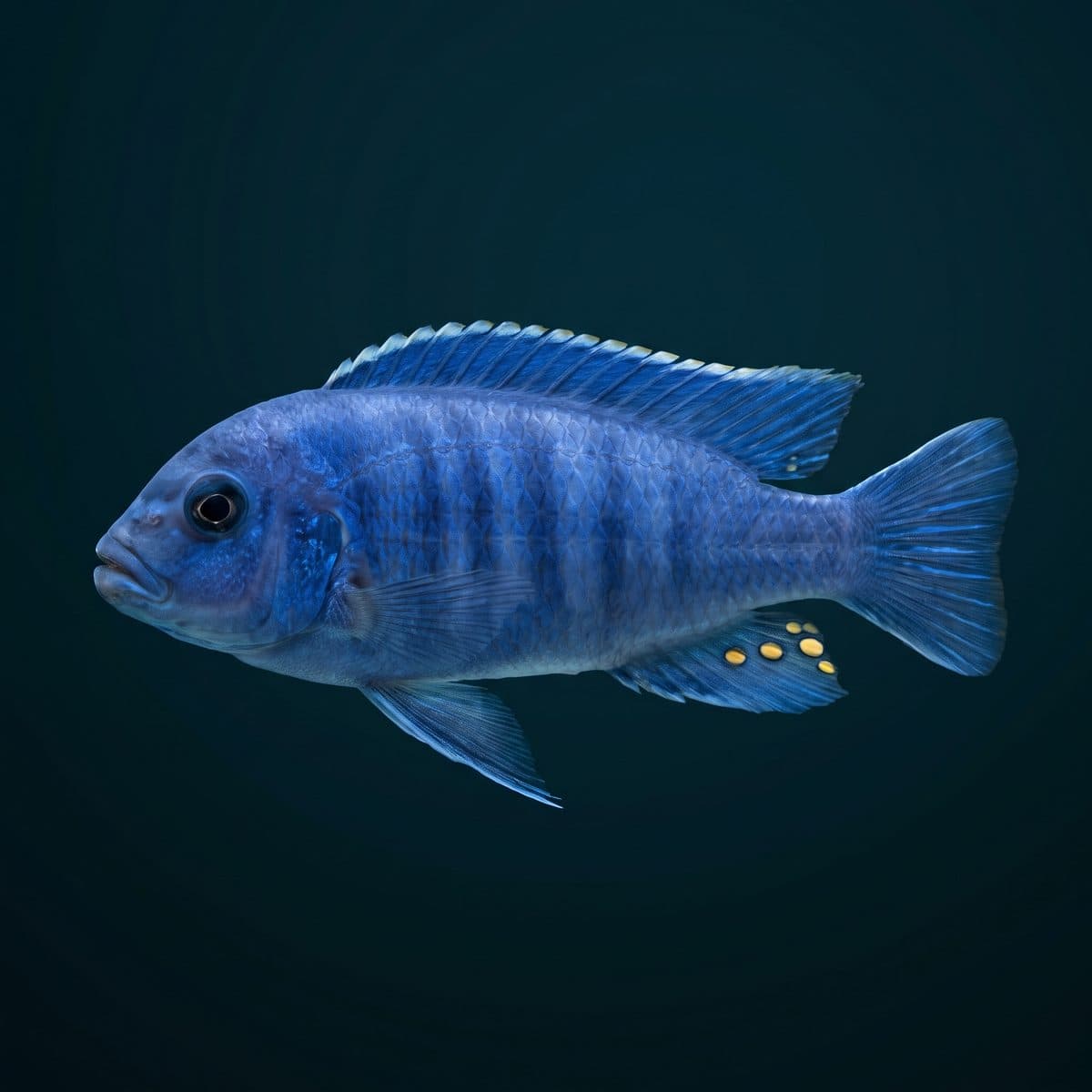
Maylandia callainos
The Cobalt Blue Zebra is one of the most intensely colored cichlids in the freshwater hobby — a compact, pugnacious mbuna from Lake Malawi that delivers an electric cobalt-blue coloration so vivid it appears almost luminescent under proper lighting. Maylandia callainos (formerly Pseudotropheus callainos) is endemic to the rocky shoreline habitats of Lake Malawi in East Africa, where it scrapes aufwuchs — a biofilm of algae, microorganisms, and invertebrates — from rock surfaces using specialized jaw morphology. This species is a staple of the African cichlid hobby for good reason: it is hardy, relatively affordable, and produces a color intensity that rivals fish costing ten times its price.
Insulated, oxygen-packed transit · live-arrival guaranteed
Tank size
55+ gallons
Temperament
Aggressive
Ernährung
Omnivore
Water
75–82°F · pH 7.5–8.5
Tell us what you're dreaming of — we'll reply with a price tailored to you.
Not sure if this fish is right for you?
Our team will happily help you choose.
The Cobalt Blue Zebra is one of the most intensely colored cichlids in the freshwater hobby — a compact, pugnacious mbuna from Lake Malawi that delivers an electric cobalt-blue coloration so vivid it appears almost luminescent under proper lighting. Maylandia callainos (formerly Pseudotropheus callainos) is endemic to the rocky shoreline habitats of Lake Malawi in East Africa, where it scrapes aufwuchs — a biofilm of algae, microorganisms, and invertebrates — from rock surfaces using specialized jaw morphology. This species is a staple of the African cichlid hobby for good reason: it is hardy, relatively affordable, and produces a color intensity that rivals fish costing ten times its price.
At The Fish Collection, we source our Cobalt Blue Zebras from quality breeders who select for the deepest, most uniform blue coloration. Males display the most intense color, though females also show a pleasant light blue that provides excellent contrast in a mixed group. Each fish is quarantined and conditioned on a varied diet before offering. Maximum size reaches approximately 5 inches in captivity.
Housing requires a minimum 55-gallon aquarium specifically designed for mbuna — a setup fundamentally different from a typical community tank. The entire bottom should be stacked with rocks creating an elaborate cave network with dozens of hiding spots, crevices, and territorial boundaries. This rockwork is not merely decorative — it is essential infrastructure that prevents the constant aggression inherent in mbuna societies from escalating into fatal attacks. Sand substrate allows the fish to sift and dig naturally.
Water parameters must replicate Lake Malawi's hard, alkaline conditions: temperature between 75 and 82 degrees Fahrenheit, pH of 7.5 to 8.5, and high hardness (10-25 dGH). This is the opposite of the soft, acidic water preferred by most South American species. Strong filtration with vigorous surface agitation provides the high oxygenation that these active fish demand.
Temperament is aggressive — typical for mbuna. Males are fiercely territorial and will relentlessly pursue and attack rivals. The standard approach is to overstock the tank (one fish per 3-4 gallons) to distribute aggression across many targets, preventing any single individual from being bullied to death. Keep one male to three or four females. Feed primarily herbivorous foods — spirulina flake, algae wafers, blanched vegetables — with minimal protein to avoid the potentially fatal condition known as Malawi bloat.
Häufige Fragen
Experten-Ressourcen
Das könnte Ihnen auch gefallen
ab 13,80 €
Indicative price