Specialist
Last one
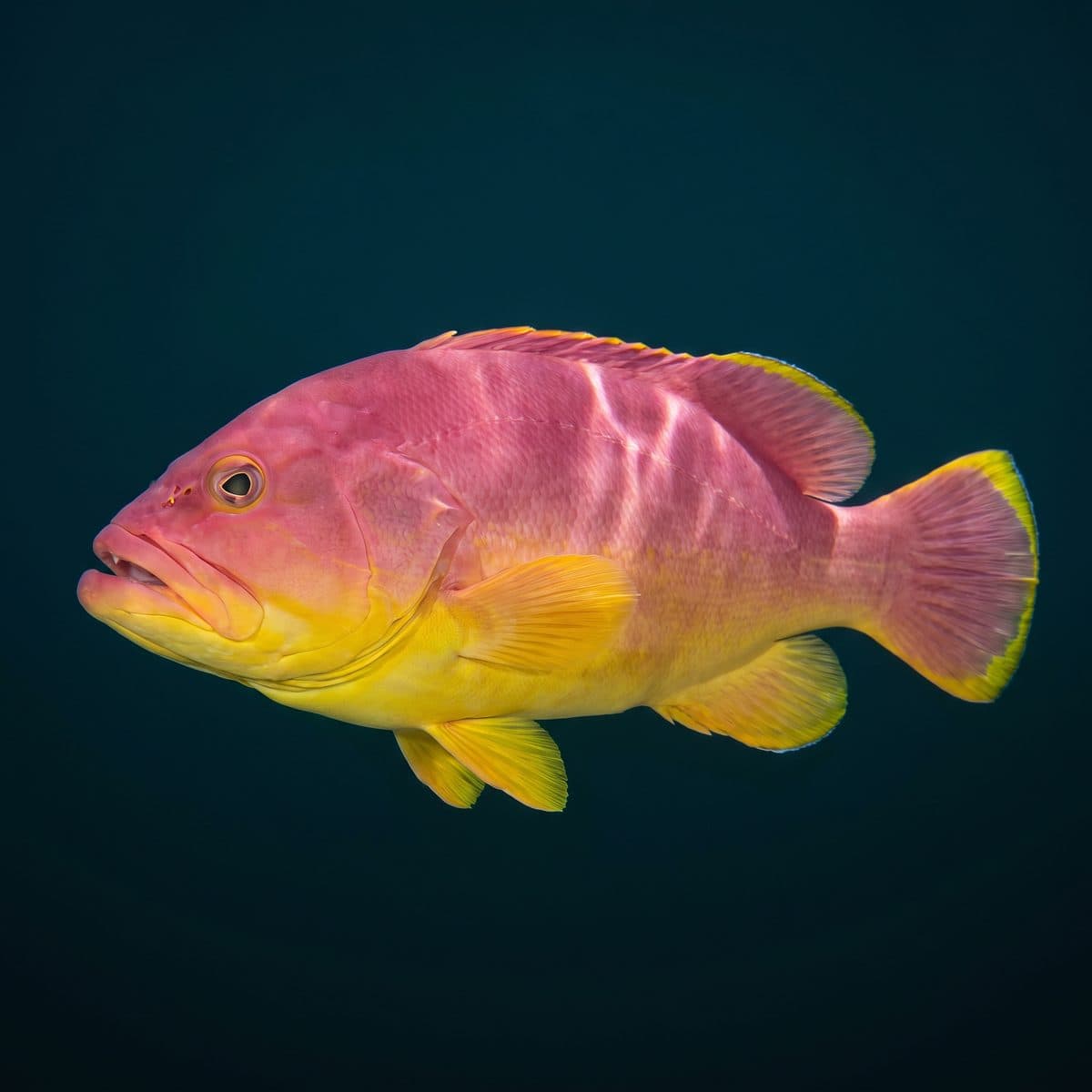
Neptune Grouper
Cephalopholis igarashiensis
3.864,00 €Get a quote
Marine groupers are the apex personalities of reef aquariums. From the Miniatus to the rare Blue-Spotted Grouper, these intelligent predators make commanding centrepiece fish. 3 in stock now.
Showing 1 expert zackenbarsch
Marine groupers are the undisputed heavyweights of the predatory saltwater aquarium. These broad-bodied, wide-mouthed fish are ambush predators that combine raw physical power with a surprising level of intelligence and personality. A well-maintained grouper does not just occupy space in an aquarium — it commands the entire system with a presence that draws every eye. If you are looking for grouper fish for sale, these charismatic apex predators offer a fishkeeping experience that is as demanding as it is rewarding.
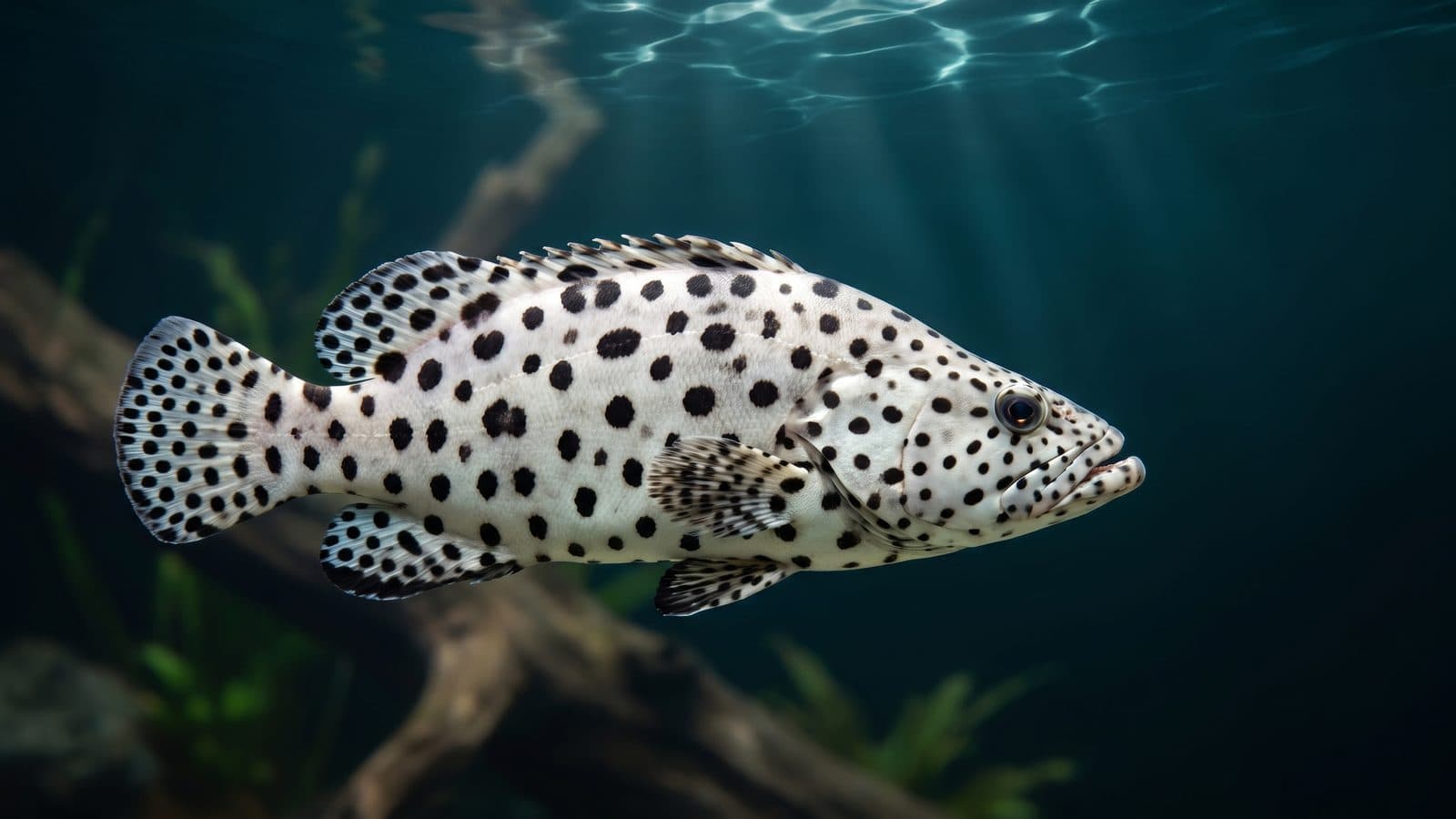
The family Epinephelidae includes hundreds of species, but only a handful are practical for home aquariums due to the enormous sizes many groupers reach in the wild. The Miniatus Grouper (Cephalopholis miniata), covered in brilliant red-orange with electric blue spots, is the most popular aquarium species — it stays relatively manageable at 12-16 inches and displays the bold personality that makes groupers so appealing. The Panther Grouper (Cromileptes altivelis), with its inverted colour scheme of white body and black spots, is another favourite, though it eventually reaches 20 inches and outgrows most home tanks. Blue-Spotted Groupers (Cephalopholis cyanostigma) offer striking coloration in a more compact package. For dedicated hobbyists with truly massive systems, species like the Queensland Grouper and Giant Grouper are available but require thousands of gallons at maturity.
Groupers are generally hardy marine fish, but purchasing a healthy specimen is still important. Look for a grouper that is alert, with clear eyes and a clean, unblemished body. Breathing should be steady and not rapid. Colour should be vivid — a pale or blotchy grouper may be stressed, malnourished, or ill. Watch the fish eat if possible: a healthy grouper strikes at food with explosive speed and shows genuine enthusiasm at feeding time. Groupers that refuse food or mouth items and spit them out may have internal issues. Ask the seller how long the fish has been in their system and what its diet has included — a grouper that has been quarantined and is eating prepared foods is a much safer purchase than a fresh import.
Groupers need space, robust filtration, and sturdy rockwork. The Miniatus Grouper requires a minimum of 150 gallons, the Panther Grouper 200 gallons or more, and larger species scale up from there. Aquascaping should include large caves and overhangs where the grouper can establish a home territory — in the wild, groupers are cave-dwellers that ambush prey from a fixed position. Filtration must handle the heavy bioload of a large carnivorous fish; a quality protein skimmer, a sump with biological media, and regular water changes are essential. Groupers are not reef-safe — they will eat ornamental shrimp, small fish, and any crustacean that ventures too close. Tankmates should be similar-sized or larger fish that cannot fit in the grouper's expansive mouth.
Our marine groupers undergo extended quarantine and conditioning before being offered for sale. Each fish is transitioned onto a varied diet of frozen silversides, shrimp, squid, and marine carnivore pellets. We assess feeding response, body condition, and compatibility temperament during the quarantine period. Groupers are physically robust fish that ship well when properly packaged, and our insulated insulated shipping protocol ensures temperature stability throughout transit. Every grouper purchase includes our live arrival guarantee and species-specific care documentation. For rare species with limited availability, we maintain a waitlist and notify qualified buyers when specimens become available.
Experten-Ressourcen
Artenleitfaden
Cephalopholis igarashiensis
The Neptune Grouper (Cephalopholis igarashiensis) is one of the "holy grail" species of the marine aquarium hobby — a deepwater grouper of extraordinary beauty that commands prices rivalling the most expensive freshwater species. Found at depths of 80–260 metres across the Indo-Pacific, its collection requires specialised deep-diving or submersible techniques and careful decompression during ascent. The result is a fish of breathtaking beauty: vivid orange-pink body overlaid with golden-yellow bands and highlights. This guide covers the species' biology, the challenges of its collection, realistic care requirements, and what to expect from one of the rarest aquarium fish in the world.
Ratgeber lesen →Artenleitfaden
Cromileptes altivelis
The Panther Grouper (Cromileptes altivelis), also known as the Humpback Grouper or Polka-Dot Grouper, is one of the most distinctive marine fish in the aquarium trade. Its white body covered in bold black spots, combined with an unusual humped head profile, makes it unmistakable. Juveniles are small, inexpensive, and irresistibly cute — which leads many beginners to purchase them without understanding that this fish reaches 70 cm (28 in) and requires a 300+ gallon aquarium. This guide provides a realistic overview of Panther Grouper care for those with the space and commitment to keep one properly.
Ratgeber lesen →Pflegeratgeber
A care guide for marine groupers in the home aquarium, covering the popular Panther Grouper and the ultra-rare Neptune Grouper. These impressive predators require large tanks, heavy feeding, and careful tank mate selection.
Ratgeber lesen →Weiter entdecken