Overview
Knife fish are a group of elongated, laterally compressed freshwater fish known for their graceful undulating swimming motion, nocturnal habits, and — in some species — the ability to generate and sense weak electric fields. They are prized by experienced aquarists for their unusual body shape, intelligence, and charismatic behaviour.
Popular Species
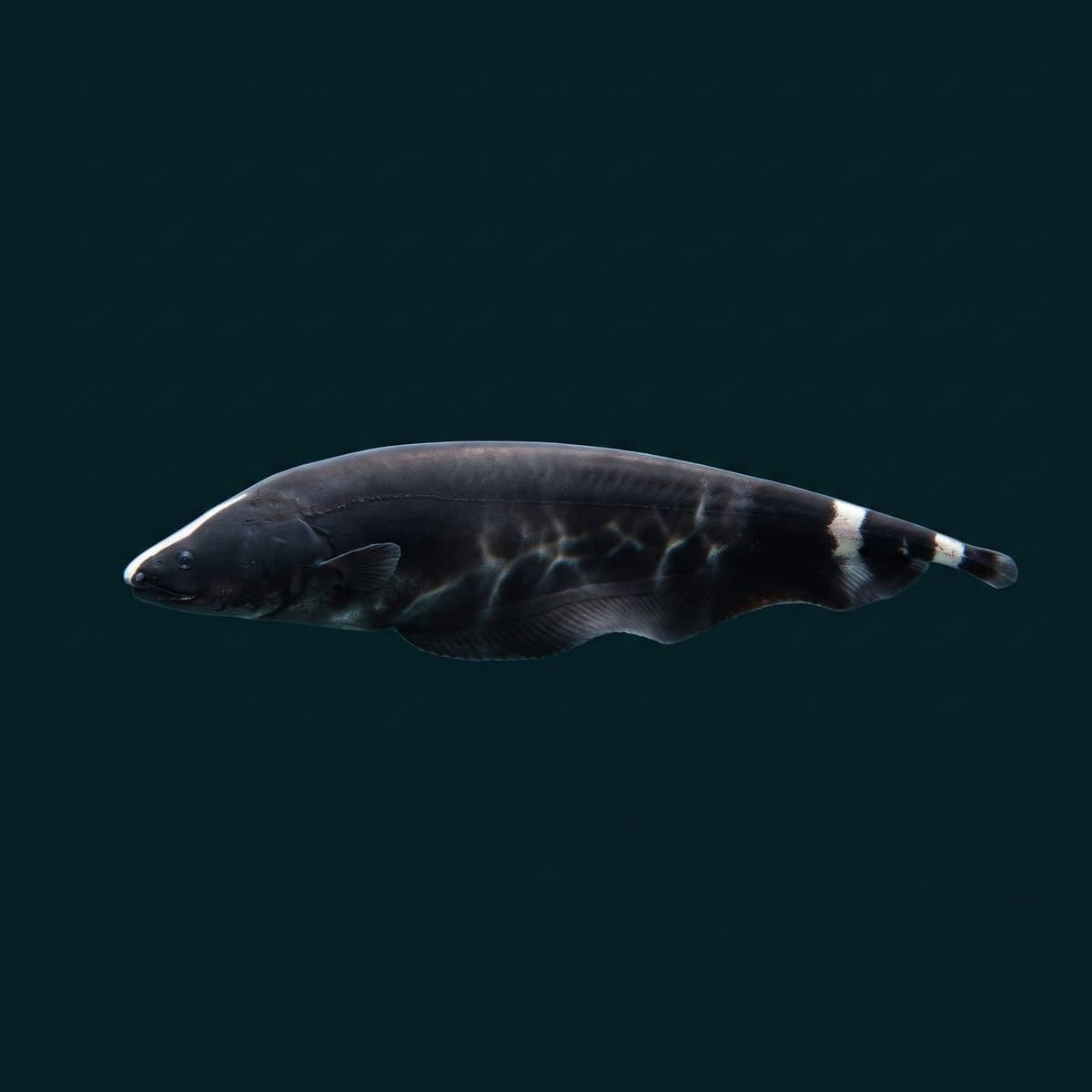
- Black Ghost Knife Fish (Apteronotus albifrons) — 20 in, 125+ gallons, weakly electric, jet black with white tail markings
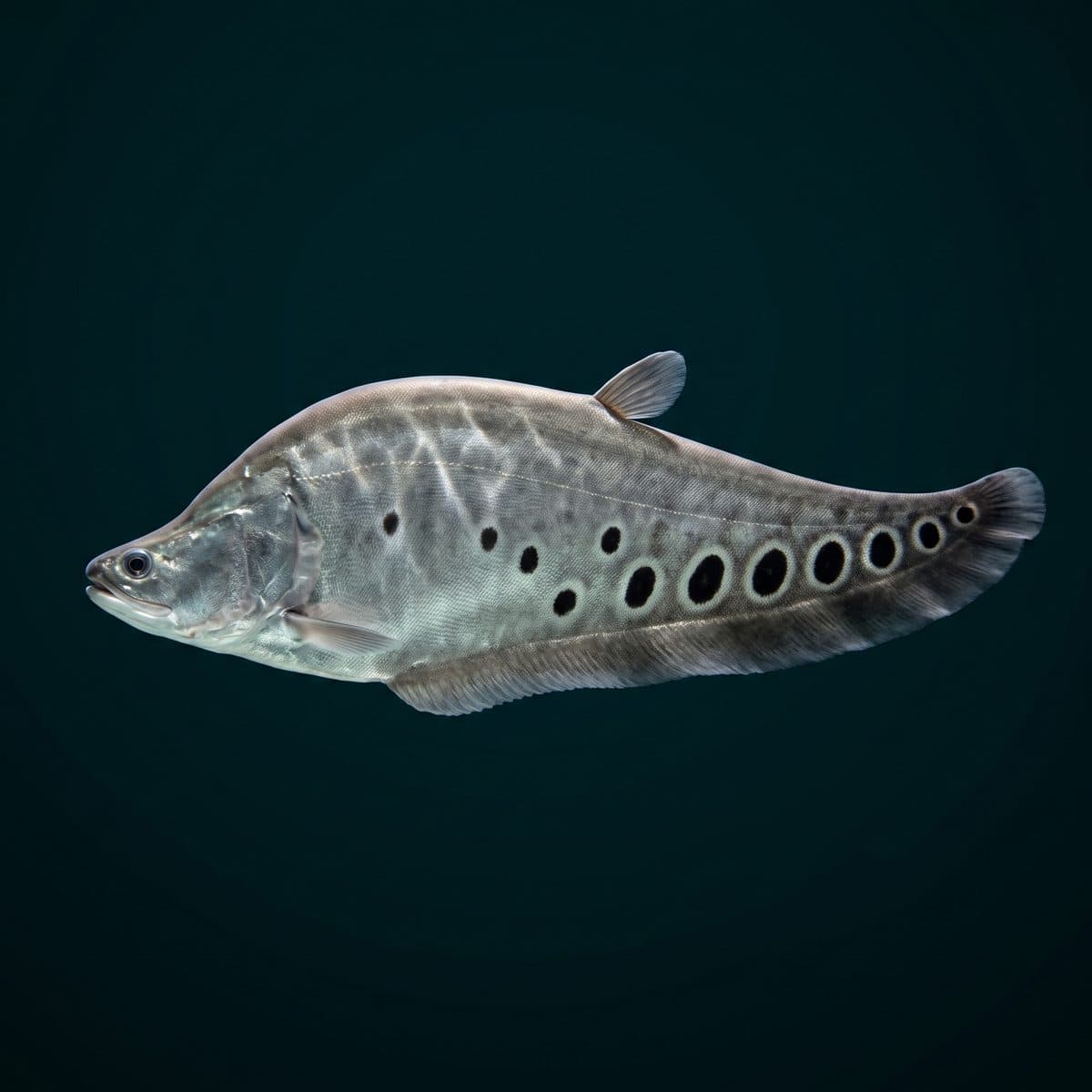
- Clown Knife Fish (Chitala ornata) — 36 in, 250+ gallons, large silver body with spotted pattern, grows very large
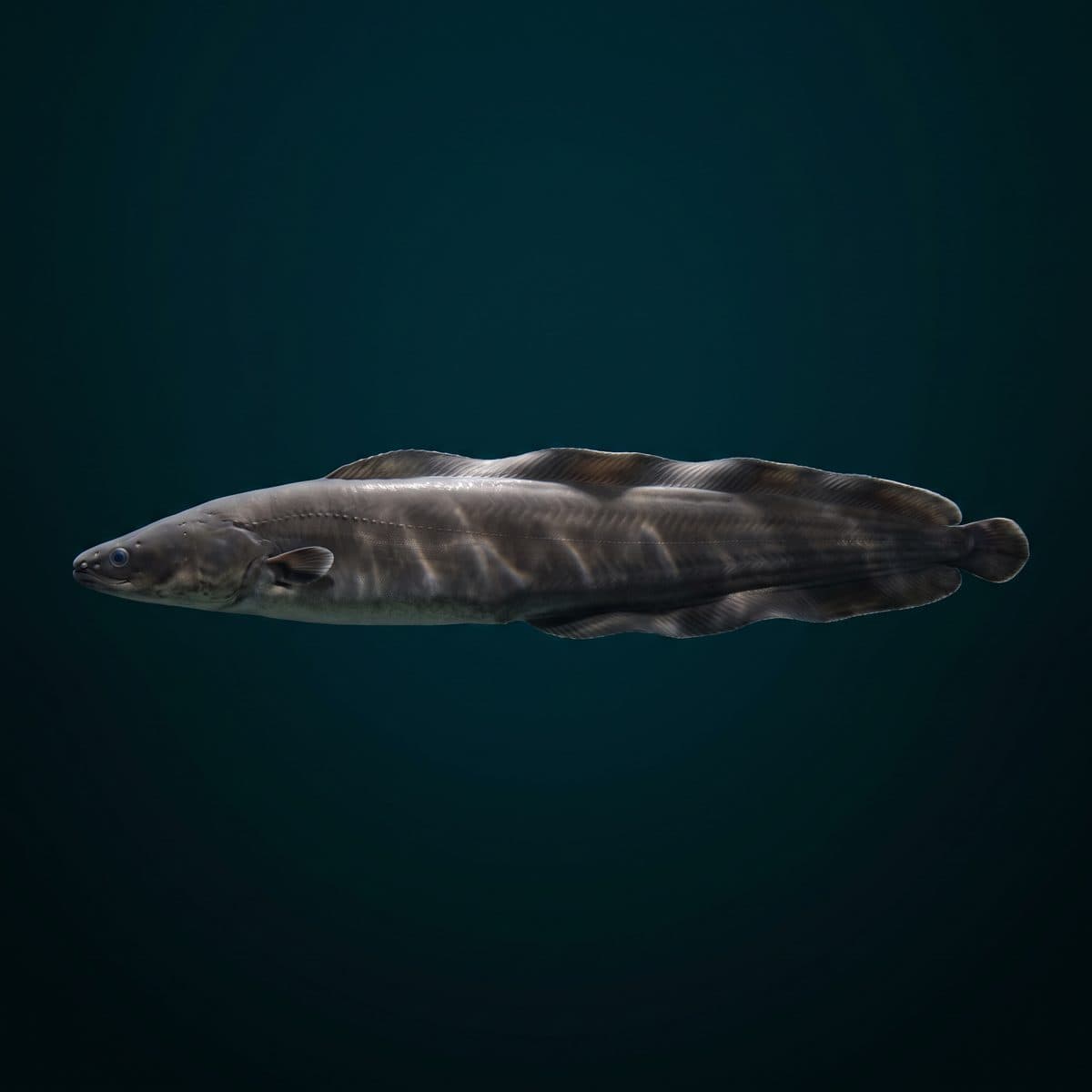
- African Knife Fish (Xenomystus nigri) — 12 in, 55+ gallons, more manageable size, mildly electric
- Brown Ghost Knife (Apteronotus leptorhynchus) — 10 in, 55+ gallons, smaller alternative to black ghost
Electrolocation
Black ghost knife fish and their relatives generate a weak electric field (EOD — electric organ discharge) that they use to navigate, find food, and communicate in dark, murky water. This means they are sensitive to electromagnetic interference — avoid placing powerheads and pumps near their resting spots, and do not house two electric species in the same tank as their fields interfere with each other.
Tank Setup
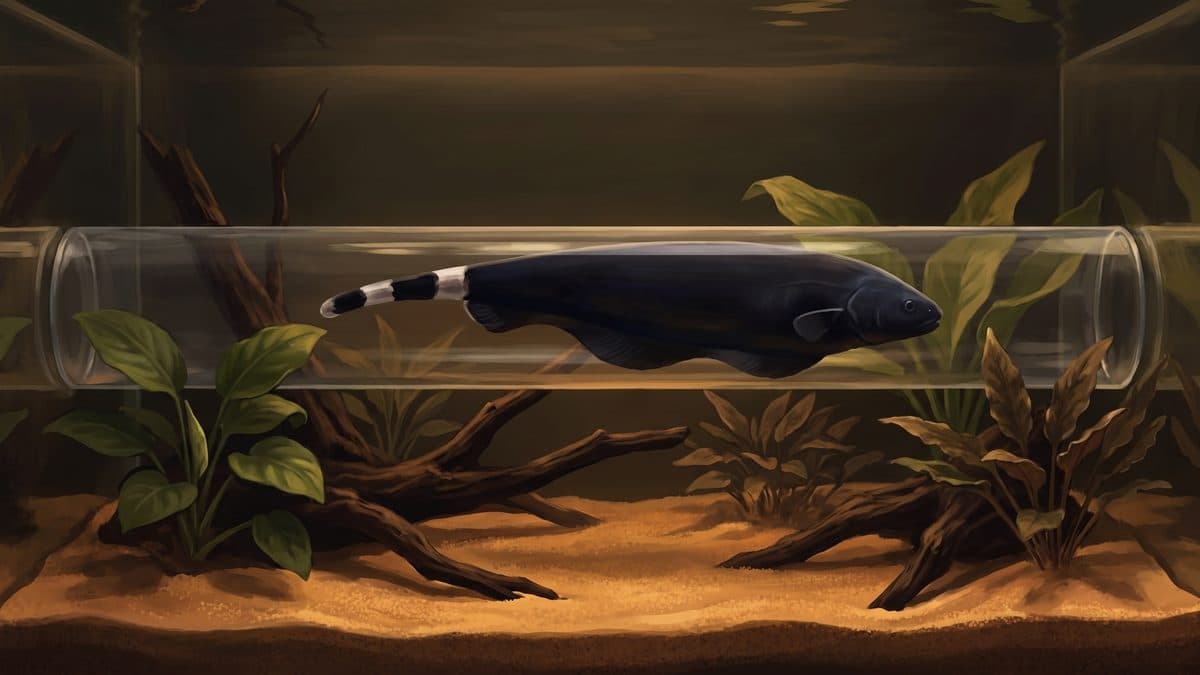
Knife fish are nocturnal and spend the day hidden. Provide clear PVC tubes (the preferred hiding spot — they like the enclosed feeling), driftwood caves, dense plants, and dim lighting. Moonlight LEDs allow observation of nighttime behaviour. Sand or fine gravel substrate. Keep water flow moderate — knife fish are not strong swimmers.
Water Parameters
- Temperature: 75–82 °F (24–28 °C)
- pH: 6.0–7.0 (soft, slightly acidic)
- GH: 3–10 dGH
- Ammonia/Nitrite: 0 ppm
- Nitrate: Below 20 ppm — knife fish are sensitive to elevated nitrate
Feeding
Feed at night with lights off. Knife fish are carnivores that prefer live and frozen foods: bloodworms, earthworms, brine shrimp, small pieces of raw shrimp, and ghost shrimp. Many can be trained to accept sinking carnivore pellets (Hikari Carnivore, Northfin Predator) — start by mixing pellets with familiar foods. Feed every other day for adults; daily for juveniles under 6 inches.
Tank Mates
Knife fish are generally peaceful but will eat anything small enough to fit in their mouth. Compatible tank mates include medium-large peaceful fish: Angels, Gouramis, medium cichlids (Severum, Firemouth), Corydoras (for smaller knife fish), and large tetras. Avoid aggressive cichlids, other electric fish, and very small fish. Black ghost knives can be territorial toward conspecifics — keep only one unless the tank is very large.
Choosing the Right Knife Fish
The best decision you'll make happens before you buy, because knife fish adult sizes vary tenfold. Some honest guidance:
- Black Ghost: The classic — and a genuine 125-gallon, 15-year commitment. Perfect if you have the tank; frustrating if you're hoping it "grows to the tank size". It doesn't. It just grows.
- African Knife: The sweet spot for most keepers — a foot of graceful fish that lives happily in a 55–75 gallon community.
- Clown Knife: Be brutally honest with yourself here. This is a 3-foot predator needing 250+ gallons or an indoor pond. Clown knives are among the most surrendered fish in the hobby, and released ones are now established invasives in Florida waterways. Buy one only if the adult accommodation already exists.
At the store, look for a filled-out body with no razor ridge along the back (a sign of chronic underfeeding), intact fin edges, steady hovering rather than frantic darting or listing, and — non-negotiable — a feeding demonstration. Ask whether the fish has recently been through copper treatment: scaleless fish tolerate it poorly, and gill damage from a heavy-handed copper course may not show for weeks.
The First Weeks Home
Knife fish arrive stressed and hide hard for the first stretch — plan for it instead of fighting it.
- Acclimate slowly: drip acclimation over 45–60 minutes, then release with the room lights off and keep everything dark until the next evening.
- Have the refuge ready: a PVC tube or clear "ghost tube" placed before the fish arrives becomes home base immediately. The clear versions are worth the money — the fish feels hidden while you still get to watch it.
- First meals: frozen bloodworms delivered near the refuge after lights-out, every evening. Most knives eat within 2–3 days; stubborn holdouts cave for live blackworms.
- Build the routine: same spot, same time, every night. Within a month most knife fish connect you with food — and within a few months, many black ghosts will feed straight from your fingers, one of the genuinely magical experiences in freshwater keeping.
What not to do: chase the fish out of hiding to "check on it", rearrange décor during the settling-in period, or drop the knife into a tank of established, boisterous fish and hope for the best.
Health Troubleshooting
Scaleless skin makes knife fish an early-warning system — they show water problems before the rest of your stock does.
- Ich: Treat with heat — raise to 86 °F over two days and hold for 10 — plus pristine water. If you must medicate, use half doses, and never copper or formalin at full strength.
- White film or reddened skin patches: Water quality, almost every time. Test, fix the cause, and run daily 25% changes — knife fish skin heals impressively fast in clean water.
- Weight loss in a community tank: Usually outcompetition rather than parasites. Target-feed after lights-out for two weeks before reaching for medication.
- Twitchy, erratic swimming: Check for stray voltage — a failing heater is the usual culprit, and an electrosensitive fish suffers first. A grounding probe is cheap insurance.
Prevention is the standard list held to a higher standard: 0 ammonia, 0 nitrite, nitrate under 20 ppm, and quarantine for everything new entering the system.
Growth, Longevity, and Upgrade Planning
Black ghosts grow quickly at first, then settle into a long, slow adult phase. A realistic trajectory for a well-fed fish:
| Stage | Typical Size | Housing |
|---|---|---|
| At purchase | 3–5 in | 55 gallons, temporarily |
| Year 1 | 8–10 in | Move to the 125 by now |
| Years 2–3 | 12–15 in | 125 gallons |
| Mature adult | 16–20 in | 125–180 gallons |
Lifespan is where knife fish surprise people: 10–15 years is normal for a black ghost, with credible reports approaching 20. A clown knife on the same curve hits 12 inches in its first year and keeps going — exactly why we push the honest sizing conversation before purchase, not after. Whichever species you choose, buy the adult-sized tank early. Knife fish hate being moved, sulk for weeks after a transfer, and repay stable, permanent housing with decades of that hypnotic ribbon-fin glide.