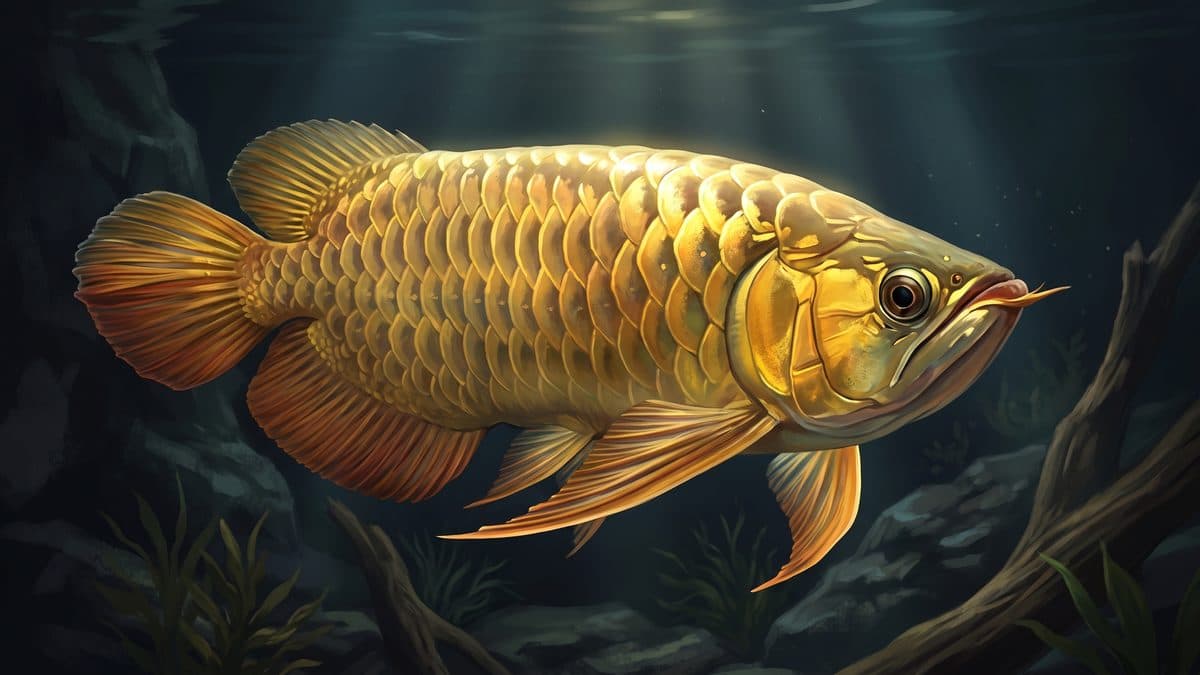
Understanding Arowana
Arowana are among the oldest living fish lineages on Earth, with fossil records dating back over 100 million years. Often called "dragon fish" in Asian cultures, they are revered as symbols of prosperity, strength, and good fortune. But reverence alone will not keep an Arowana healthy — these are large, powerful predators with exacting environmental requirements.
I have kept and bred Arowana for over 15 years, and in that time I have learned a consistent truth: the fish forgives nothing. Suboptimal water quality, inadequate space, or a poor diet will manifest as drop eye, fin erosion, colour loss, or refusal to feed — often within weeks. The following guide covers every aspect of Arowana husbandry as we practise it at The Fish Collection.
Arowana Species Overview
The genus Scleropages (Asian Arowana) contains several commercially important colour varieties:
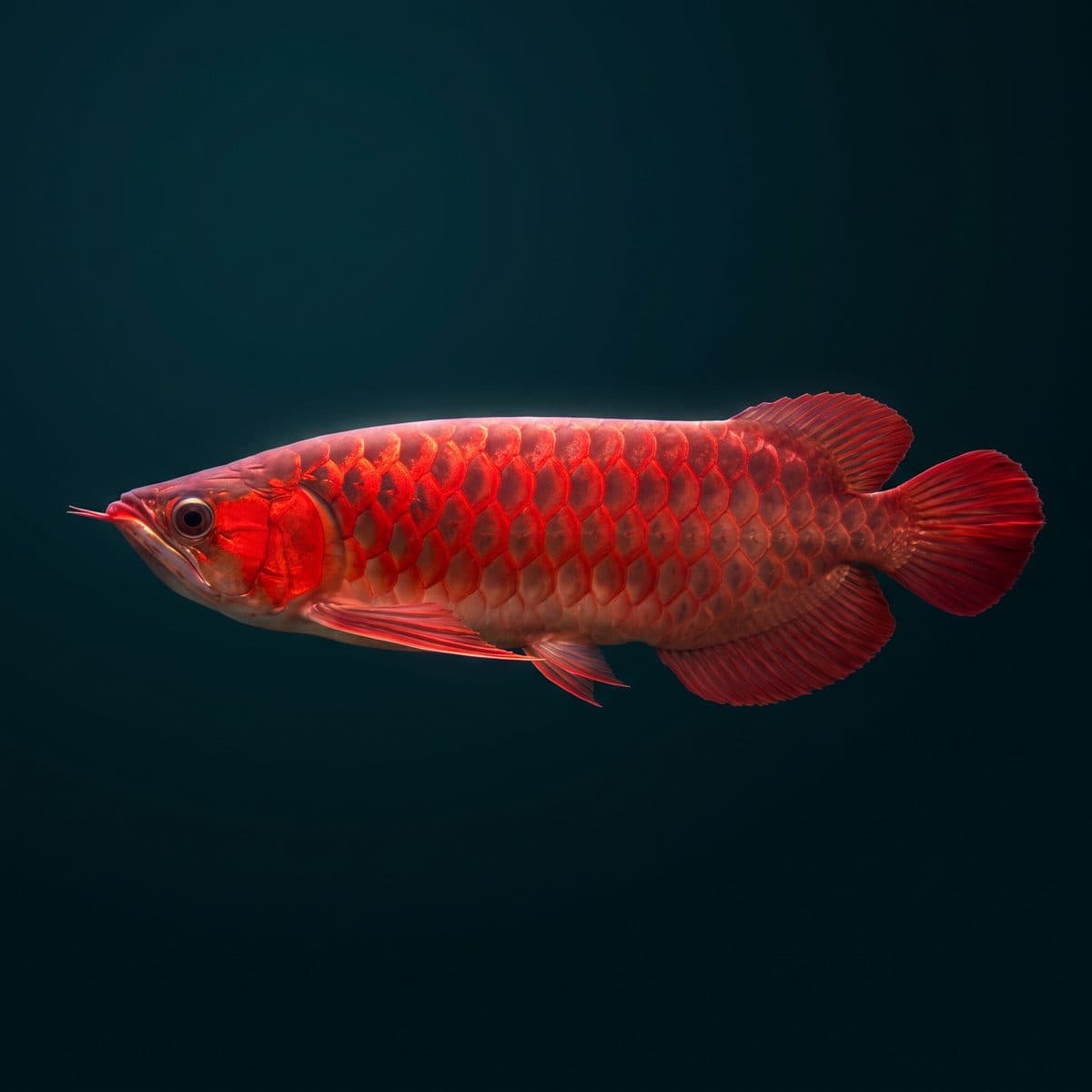
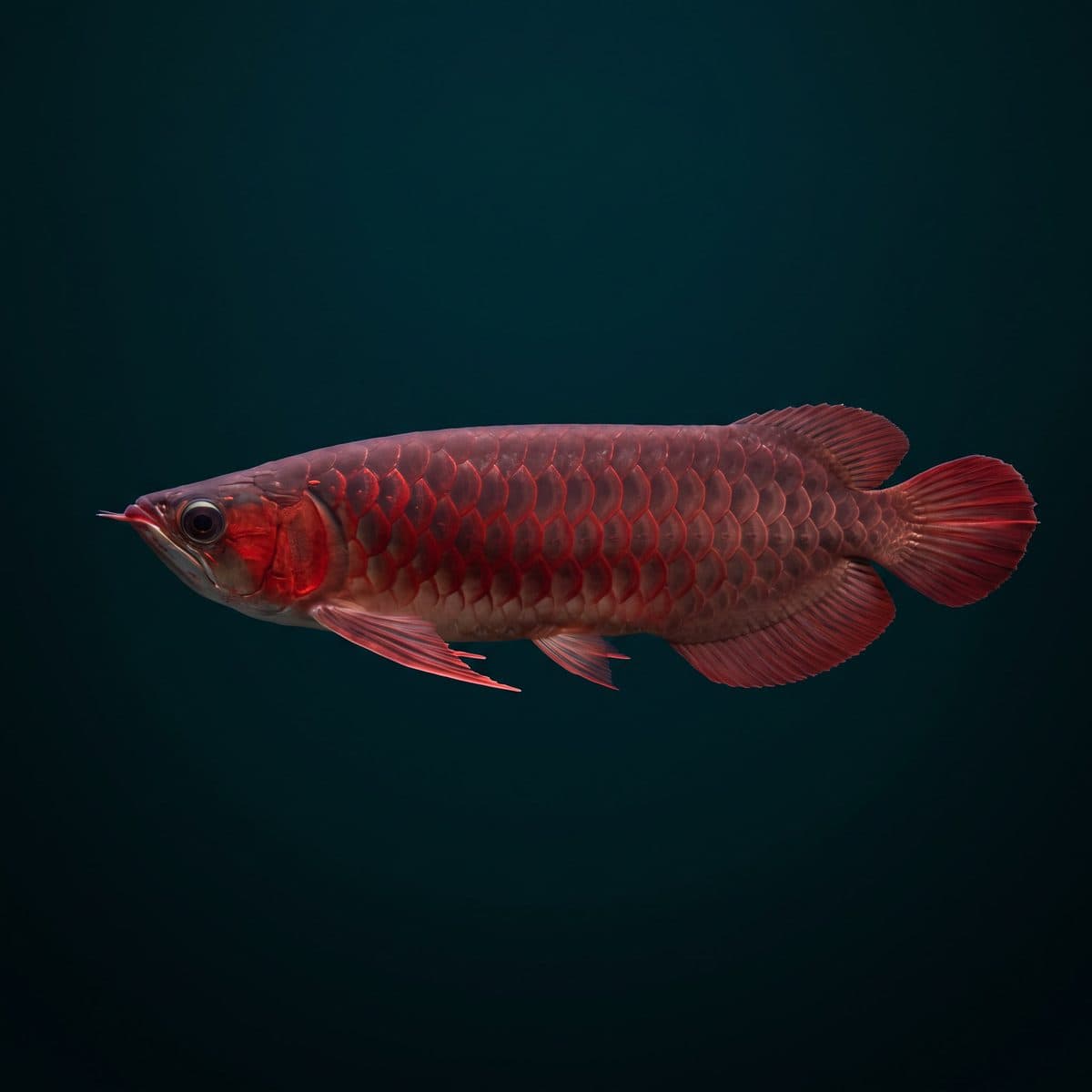
- Super Red: Deep crimson scales covering the entire body. Sourced primarily from West Kalimantan, Indonesia. Price range: $3,000–$15,000.
- Golden Crossback (Malaysian Gold): Gold scales crossing the dorsal midline. Bred extensively in Malaysia and Singapore. Price range: $2,500–$10,000.
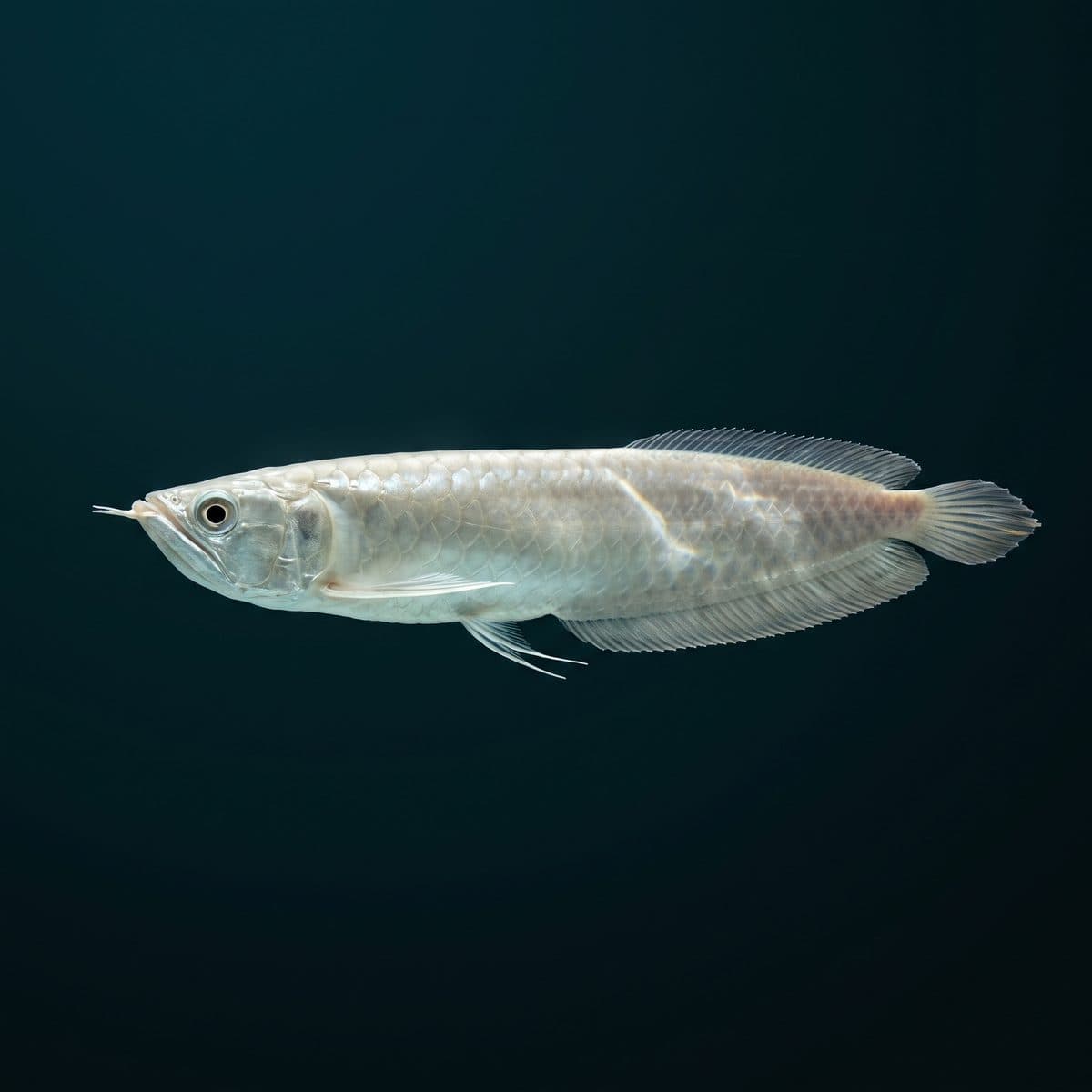
- Platinum: Leucistic morph with metallic-white coloration. The rarest and most expensive variety. Price range: $100,000–$600,000+.
- Green Arowana: The most widely available variety, with olive-green to silver coloration. Price range: $1,500–$4,000.
The South American Arowana (Osteoglossum bicirrhosum, Silver Arowana) is a separate species — less expensive ($30–$200) but equally demanding in terms of space. The African Arowana (Heterotis niloticus) is a filter-feeder with very different care requirements and is not covered in this guide.
The Fish Collection carries a curated selection of CITES-certified Asian Arowana — browse our current inventory for available specimens.
Tank Requirements
Tank Dimensions and Volume
An adult Asian Arowana reaches 60–90 cm (24–36 inches) in length. The minimum tank size is 240 gallons (900 litres) with dimensions of at least 8 × 3 × 2 feet (length × width × height). Length is the critical dimension — Arowana are straight-line swimmers that patrol the surface, and a tank shorter than 8 feet forces them into tight turns that can cause spinal curvature over time.
For Silver Arowana, which grow larger (up to 120 cm), a 10 × 4-foot footprint is advisable. In either case, width should be at least 1.5× the fish's body length to allow comfortable turning.
The tank should be positioned on a floor capable of supporting the total weight — a filled 240-gallon system with stand, equipment, and substrate weighs approximately 1,200 kg (2,600 lbs). Verify structural capacity if placing the tank above ground level.
Lid and Cover
Arowana are powerful jumpers. In the wild, they leap above the water surface to catch insects and small birds from overhanging branches. In captivity, a startled Arowana can launch itself clear of an open-top tank, often resulting in fatal injury from the fall.
A secure lid is non-negotiable. Use a fitted cover with a weight of at least 5 kg or a locking mechanism. Glass canopies work but must be reinforced — a large Arowana can crack standard 6 mm glass with a jump. Acrylic lids (10 mm) or mesh screens with aluminium frames are preferred by experienced keepers. Leave a 2–3 cm gap between the water surface and the lid to prevent the fish from injuring its barbels.
Water Parameters
Asian Arowana originate from soft, acidic blackwater habitats in Southeast Asia. Replicating these conditions in captivity produces the best colour, health, and behaviour.
- Temperature: 26–28 °C (79–82 °F). Use a titanium heater with an external digital controller. Avoid temperature swings greater than 1 °C within a 24-hour period.
- pH: 6.5–7.0. Lower pH (6.0–6.5) can enhance red coloration in Super Red varieties, but stability matters more than hitting a precise number. Use Indian almond leaves or peat moss in the filter to naturally lower pH if your tap water is alkaline.
- General Hardness (GH): 1–8 dGH. Soft water is preferred. Blend tap water with RO/DI water to achieve your target.
- Ammonia / Nitrite: Must be 0 ppm at all times. Any detectable level is an emergency requiring immediate water change and investigation.
- Nitrate: Below 20 ppm, ideally below 10 ppm. Arowana are sensitive to nitrate accumulation — consistent weekly water changes are the best prevention.
Test water parameters at least twice weekly using liquid reagent kits. Digital pH meters should be calibrated monthly with pH 4.0 and 7.0 buffer solutions.
Filtration for Arowana
Arowana are large-bodied, carnivorous fish that produce substantial bioload. Filtration must be oversized and robust. The gold standard is a sump-based system with a combined turnover rate of 8–10× the tank volume per hour. For a 240-gallon tank, this means 1,920–2,400 gallons per hour of total flow.
A recommended sump configuration for an Arowana system:
- First chamber: Overflow drain into 200-micron filter socks for mechanical filtration.
- Second chamber: 10–15 litres of high-surface-area biomedia (sintered glass or ceramic rings, 800+ m²/L).
- Third chamber: Activated carbon (replaced every 3 weeks) and optional UV steriliser (25–40 watt for a 240-gallon system).
- Return chamber: Return pump rated for the necessary flow rate, accounting for head pressure loss in plumbing.
A supplementary canister filter running in parallel adds redundancy — if one system fails, the other maintains biological filtration while you troubleshoot. Never run a single point of failure on a system housing a high-value Arowana.
Diet and Feeding
Arowana are carnivorous surface feeders. In the wild, their diet consists of insects, small fish, frogs, and occasionally birds and rodents that fall into the water. In captivity, variety is essential to prevent nutritional deficiency.
Juvenile Feeding (Under 15 cm)
Feed 2–3 times daily:
- Small pellets (Hikari Arowana Sticks, mini size)
- Frozen bloodworms
- Small crickets (gut-loaded with vitamin supplement)
- Brine shrimp
Sub-Adult Feeding (15–40 cm)
Feed once daily:
- Medium Arowana pellets (staple — 60 % of diet)
- Market shrimp (shell-on, rich in astaxanthin for colour enhancement)
- Crickets and mealworms (gut-loaded)
- Frozen silversides
Adult Feeding (40 cm+)
Feed once daily or every other day — adult Arowana are prone to obesity if overfed:
- Large Arowana pellets (staple)
- Whole market shrimp and prawns
- Superworms, large crickets, and occasional cockroaches
- Frozen smelt or silversides (once weekly)
Avoid: Live feeder fish from pet stores (disease risk), goldfish (thiaminase content destroys vitamin B₁), and mammalian meat (beef heart is too fatty for long-term use). If using live food, quarantine feeders for at least one week and treat for parasites before offering.
Supplement with a fish-specific multivitamin once weekly by soaking pellets or prey items before feeding. Vitamin A and D₃ are critical for scale coloration and skeletal health.
Common Diseases and Prevention
- Drop Eye: The most common Arowana ailment — one or both eyes angle permanently downward. Causes include high-fat diets, reflective tank bottoms, and chronic stress from overhead lighting without dimming. Prevention: use dark or matte substrate, reduce surface reflections, avoid live food that sinks and teaches the fish to look downward. Treatment options are limited; surgical intervention exists but carries risk.
- Gill Curl: The gill plate curls outward, exposing gill filaments. Caused by poor water quality (particularly high nitrate) and inadequate oxygenation. Prevention: maintain nitrate below 20 ppm, ensure strong surface agitation for gas exchange. Mild cases can reverse with improved water quality; severe cases require surgical trimming under sedation by a qualified aquatic vet.
- Anchor Worm (Lernaea): Visible as thread-like parasites protruding from the body. Treat with potassium permanganate dip (10 mg/L for 30 minutes) or Dimilin (diflubenzuron) in the display tank. Remove visible worms with forceps under sedation.
- Ich (Ichthyophthirius multifiliis): White-spot disease — raised salt concentration to 3 g/L and elevated temperature to 30 °C for 10 days is the safest treatment for Arowana, as they are sensitive to copper-based medications.
- Bacterial Infections: Red streaks in fins, ulcers, or cloudy eyes indicate bacterial involvement. Improve water quality immediately. If symptoms persist, treat with a broad-spectrum antibiotic (kanamycin or nitrofurazone) in a quarantine tank — never medicate your main display unless absolutely necessary.
Compatible Tankmates
Arowana are predators that will eat anything small enough to fit in their mouth — which, for an adult, means any fish under 15 cm. Suitable tankmates must be too large to consume and non-aggressive enough not to harass the Arowana:
- Silver Dollars (Metynnis spp.): Peaceful, schooling, and too deep-bodied to swallow. Keep in groups of 6+.
- Large Plecos (Common Pleco, Royal Pleco): Bottom-dwellers that stay out of the Arowana's territory.
- Bichirs (Polypterus spp.): Armoured bottom-dwellers. Avoid species under 25 cm adult size.
- Oscars: Hardy and large enough, but monitor for aggression — some Oscars become territorial.
- Freshwater Stingrays: An iconic pairing. Both species need similar water parameters (soft, acidic, warm). Ensure the tank footprint accommodates the ray's disc diameter.
Avoid: Other Arowana (extreme aggression, especially between males), Flowerhorn Cichlids (too aggressive), and any small schooling fish that will become expensive live food.
Legal Requirements and CITES
All Asian Arowana (Scleropages formosus) are listed under CITES Appendix I, which prohibits wild-caught trade entirely. Only captive-bred specimens from CITES-registered farms may be sold, and each fish must be:
- Microchipped with a unique identification number implanted before leaving the breeding facility.
- Accompanied by a CITES certificate of captive breeding (Form 4), issued by the exporting country's CITES authority.
- Imported under a valid CITES import permit issued by the destination country's wildlife authority.
In the United States, Asian Arowana importation is currently prohibited under the Endangered Species Act, though Silver Arowana and African Arowana are legal. In the EU, UK, Canada, Japan, and most of Southeast Asia, captive-bred Asian Arowana can be legally purchased with proper documentation.
At The Fish Collection, every Arowana we sell comes with full CITES documentation and microchip verification. We handle all export paperwork and coordinate with customs brokers to ensure legal, smooth delivery. Browse our current Arowana inventory.
Breeding Arowana in Captivity
Captive breeding of Asian Arowana is practised commercially in Southeast Asia but is exceptionally challenging for private keepers. Key obstacles include:
- Space: Breeding pairs need a minimum 1,000-gallon (3,800 L) pond or tank. Males are mouthbrooders that carry 30–100 eggs for 60 days — any stress during this period causes them to swallow the clutch.
- Sexing: Arowana are sexually monomorphic. Experienced breeders use body-shape analysis (males are typically slimmer with longer pectoral fins) and behavioural observation during conditioning. Ultrasound can confirm egg development in females.
- Conditioning: Pairs require 6–12 months of conditioning with high-quality live food, gradually increasing water changes, and slight temperature drops (to 24–25 °C) to simulate seasonal shifts.
- Fry rearing: After the male releases free-swimming fry (at approximately 8–10 cm), they must be separated immediately to prevent cannibalism. Fry are reared individually or in small groups with frequent water changes and live-food diets.
For most collectors, breeding Arowana is not practical — the space, time, and expertise required make it a specialised operation. Instead, source your specimens from trusted breeders through dealers like The Fish Collection who verify provenance and ensure legal compliance.