Advanced
Motoro Stingray
Potamotrygon motoro
598,00 €Get a quote
Freshwater rays glide like nothing else in the hobby — every one from documented breeding programmes with full lineage records.
New to stingrays?
Read this before you buy
Rays need width, pristine water and a soft sandy bottom. Our guide walks you through a ray-ready setup, step by step.
Freshwater stingrays represent the apex of the aquarium hobby — living sculptures that glide across the tank floor with an elegance that no other fish can replicate. Belonging to the family Potamotrygonidae, these South American natives have surged in popularity among serious aquarists, and the market for stingray fish for sale now includes everything from beginner-friendly Motoro rays to five-figure Black Diamond specimens bred for exceptional patterning.
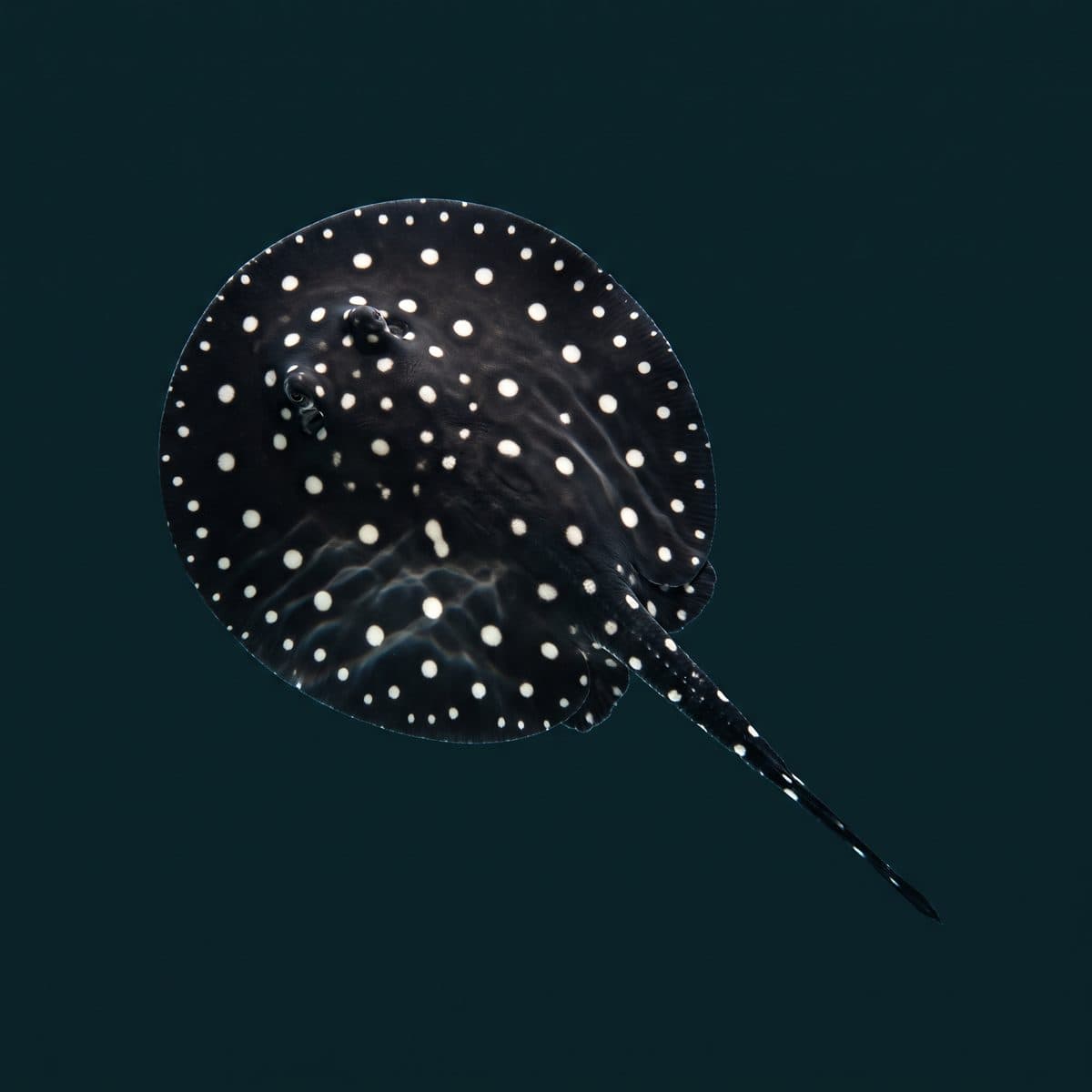
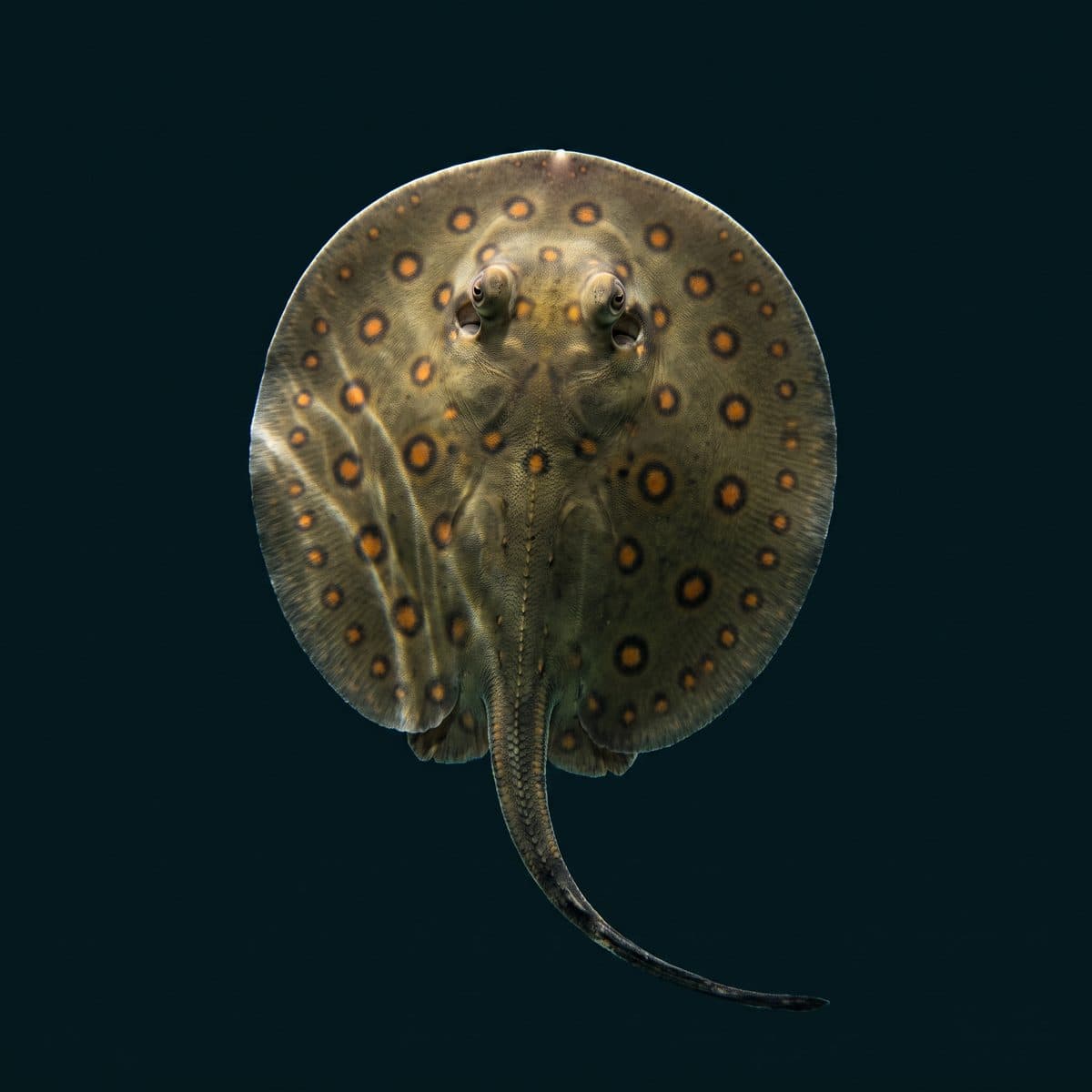
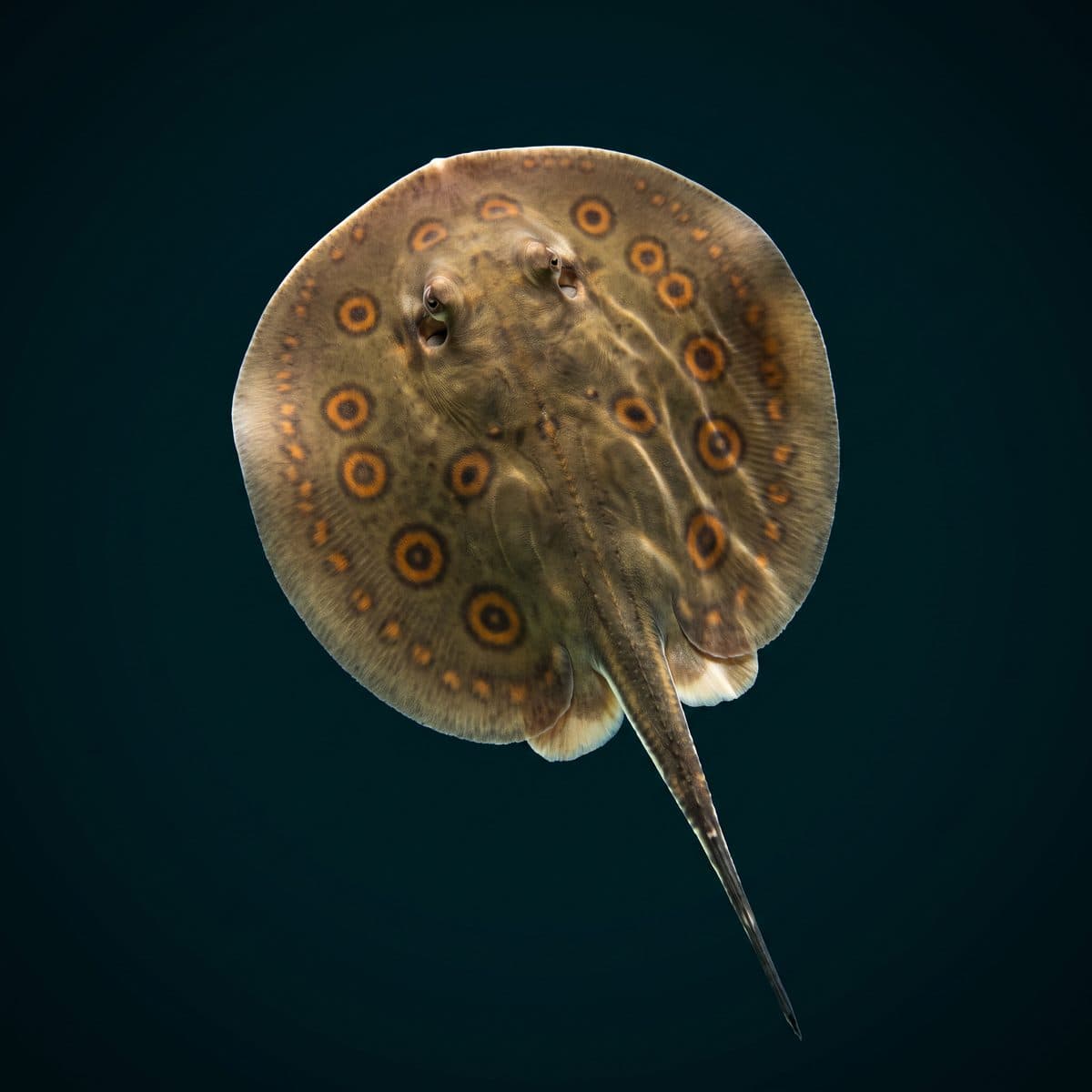
Unlike their marine cousins, Potamotrygon stingrays are exclusively freshwater and have evolved in the soft, acidic rivers of the Amazon basin. They are intelligent, interactive animals that quickly learn to associate their keeper with food and will often swim to the front of the tank at feeding time. Their disc-shaped bodies, intricate dorsal patterns, and fluid movement create a living centrepiece unlike anything else in the hobby. Popular species include the Motoro (Potamotrygon motoro), prized for its accessibility and striking orange-spotted pattern; the Pearl Ray (Potamotrygon sp.), favoured for its fine white spotting on a dark base; and the Black Diamond (Potamotrygon leopoldi), considered the holy grail for its bold white polka dots on a jet-black disc.
Stingrays are not impulse purchases. Before buying, confirm that your state allows private ownership — several US states restrict or ban freshwater stingray keeping. When evaluating a specimen, examine the disc edges carefully: they should be rounded and full, not curled upward (a sign of starvation or dehydration called "death curl"). The disc should be symmetrical with no lumps, lesions, or abraded patches. Watch the ray eat before purchasing — a healthy ray will eagerly consume bloodworms, shrimp, or earthworms. Avoid rays with sunken eyes, irregular breathing, or erratic swimming patterns.
Stingrays require large, wide aquariums with fine sand substrate — a 180-gallon tank is the minimum for a single juvenile, with 300 gallons or more recommended for adults or pairs. Bare-bottom setups are also viable and easier to keep clean. Water quality must be pristine: stingrays are extremely sensitive to ammonia and nitrite, and even moderate nitrate levels above 20 ppm can cause health issues. Temperatures should be maintained at 78-84 degrees Fahrenheit with a pH of 6.0-7.0. Powerful biological and mechanical filtration is essential, and many keepers use drip systems or automated water change setups to maintain consistently clean water.
Every stingray we sell comes from documented breeding programmes with full lineage records. Our rays are quarantined for a minimum of four weeks, during which they are dewormed, evaluated for feeding response, and assessed for disc condition and overall vitality. We provide pre-purchase consultation to ensure your system is ray-ready, and our post-sale support includes access to experienced stingray keepers on our team. With insulated, temperature-controlled insulated shipping and our unconditional live arrival guarantee, The Fish Collection is the trusted source for collectors who demand excellence.
Ressources d'experts
Guide de l'espèce
Potamotrygon leopoldi
The Black Diamond Stingray (Potamotrygon leopoldi), endemic to the Xingu River basin in Brazil, is one of the most striking freshwater rays in the hobby. Its jet-black disc adorned with bold white spots commands premium prices and demands expert-level husbandry. This guide covers every aspect of Black Diamond Stingray care — from water chemistry and tank dimensions to diet, breeding, and disease prevention — drawing on The Fish Collection's years of direct import and keeping experience.
Lire le guide →Guide de l'espèce
Potamotrygon motoro
The Motoro Stingray (Potamotrygon motoro) is the most widely available and commonly kept freshwater stingray species, prized for its striking "polka-dot" pattern of orange-gold ocelli against a dark olive-brown disc. Native to virtually every major South American river system, P. motoro is hardier and more adaptable than many of its rarer congeners, making it the ideal entry point for aquarists venturing into potamotrygonid keeping. However, "entry point" is relative — freshwater stingrays demand large, meticulously maintained aquaria, strict water quality discipline, and absolute respect for their venomous caudal spine. This The Fish Collection guide provides comprehensive husbandry instructions for one of the most rewarding and visually spectacular freshwater species in the hobby.
Lire le guide →Guide d'entretien
A specification-level guide to building the optimal aquarium system for freshwater stingrays, covering tank dimensions, round vs rectangular tank design, sand substrate requirements, sump filtration, water chemistry, and cycling protocols.
Lire le guide →Guide d'entretien
An expert-level care guide for freshwater stingrays (genus Potamotrygon), covering the complete husbandry requirements for these demanding but rewarding aquarium specimens — from water chemistry and feeding protocols to safe handling and legal considerations.
Lire le guide →Continuer à explorer