Intermediate
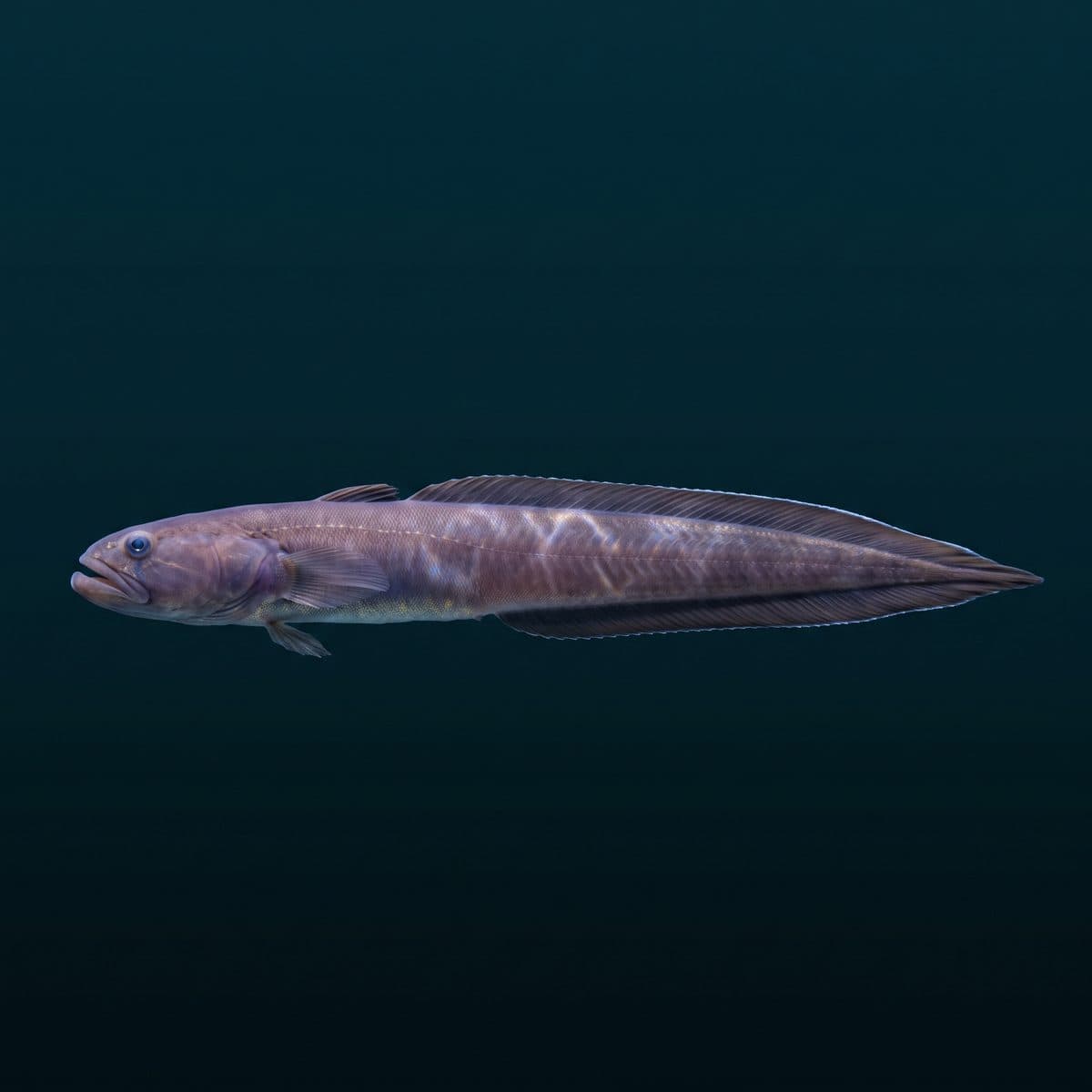
Dragon Goby
Gobioides broussonnetii
à partir de 41,40 €Get a quote
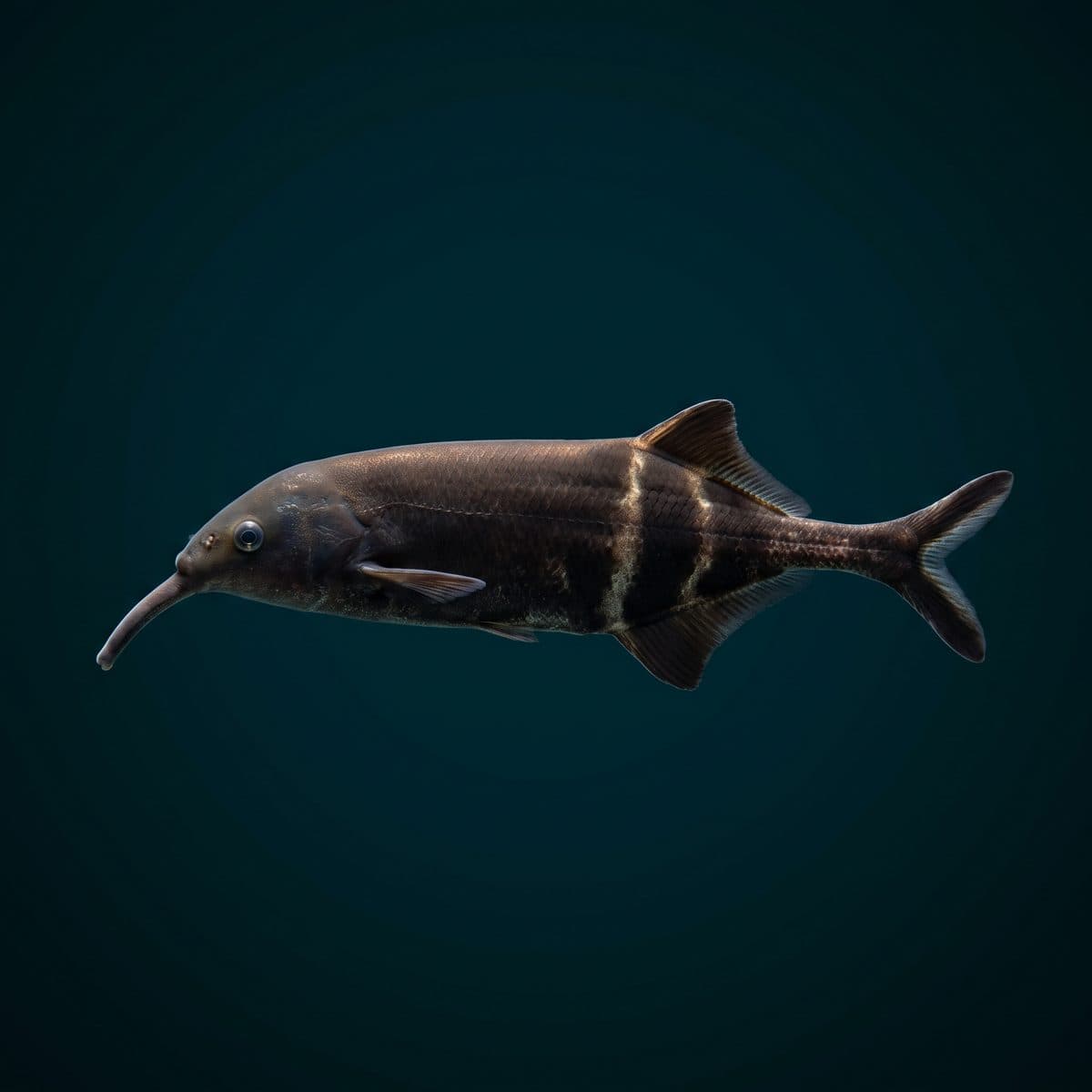
Gnathonemus petersii
The Elephantnose Fish is one of the most intellectually fascinating freshwater species available to aquarists, possessing a specialized electroreception organ that allows it to navigate, communicate, and hunt in complete darkness. Gnathonemus petersii belongs to the family Mormyridae, a group of weakly electric fish native to the murky, slow-moving rivers and floodplains of Central and West Africa. The elongated, trunk-like extension of its lower jaw — the feature that gives the fish its common name — is densely packed with electroreceptors that function like a biological radar system, detecting minute electrical fields generated by prey items buried in substrate.
Insulated, oxygen-packed transit · live-arrival guaranteed
Tank size
50+ gallons
Tempérament
Peaceful but territorial with conspecifics
Alimentation
Carnivore
Water
72–82°F · pH 6–7.5
Tell us what you're dreaming of — we'll reply with a price tailored to you.
Not sure if this fish is right for you?
Our team will happily help you choose.
The Elephantnose Fish is one of the most intellectually fascinating freshwater species available to aquarists, possessing a specialized electroreception organ that allows it to navigate, communicate, and hunt in complete darkness. Gnathonemus petersii belongs to the family Mormyridae, a group of weakly electric fish native to the murky, slow-moving rivers and floodplains of Central and West Africa. The elongated, trunk-like extension of its lower jaw — the feature that gives the fish its common name — is densely packed with electroreceptors that function like a biological radar system, detecting minute electrical fields generated by prey items buried in substrate.
At The Fish Collection, we source our Elephantnose Fish from established importers who work directly with collectors in the Niger and Congo river drainages. Each specimen is quarantined and transitioned onto frozen bloodworms and tubifex before being offered for sale. This is a critical step, as wild-caught individuals can be reluctant feeders if not properly acclimated.
Housing an Elephantnose Fish requires a thoughtful setup. A minimum 50-gallon aquarium with fine sand substrate is essential — coarse gravel can damage the sensitive proboscis. Dim lighting, dense planting, and plenty of hiding spots created from driftwood and caves replicate the shadowy environments this species prefers. They are nocturnal by nature and will spend most daylight hours tucked into a favored retreat. Water should be soft to moderately hard, with temperatures between 72 and 82 degrees Fahrenheit and a pH range of 6.0 to 7.5. Excellent filtration is mandatory, but flow should remain gentle.
Temperament is peaceful toward dissimilar species but can be territorial with conspecifics unless the tank is large enough to support multiple territories. Best kept singly or in groups of five or more to disperse aggression. Compatible tankmates include Congo Tetras, Corydoras, and other peaceful species that will not outcompete the Elephantnose for food. Feeding should occur after lights-out using sinking frozen or live foods — bloodworms, blackworms, and brine shrimp are readily accepted. This species rarely takes dry food, so a commitment to frozen and live feeding is necessary.
With a lifespan of 6 to 10 years and a maximum size around 9 inches, the Elephantnose Fish is a rewarding long-term resident for the advanced aquarist who values behavioral complexity over flashy coloration.
Questions courantes
Ressources d'experts
Vous pourriez aussi aimer
à partir de 32,20 €
Indicative price