Advanced
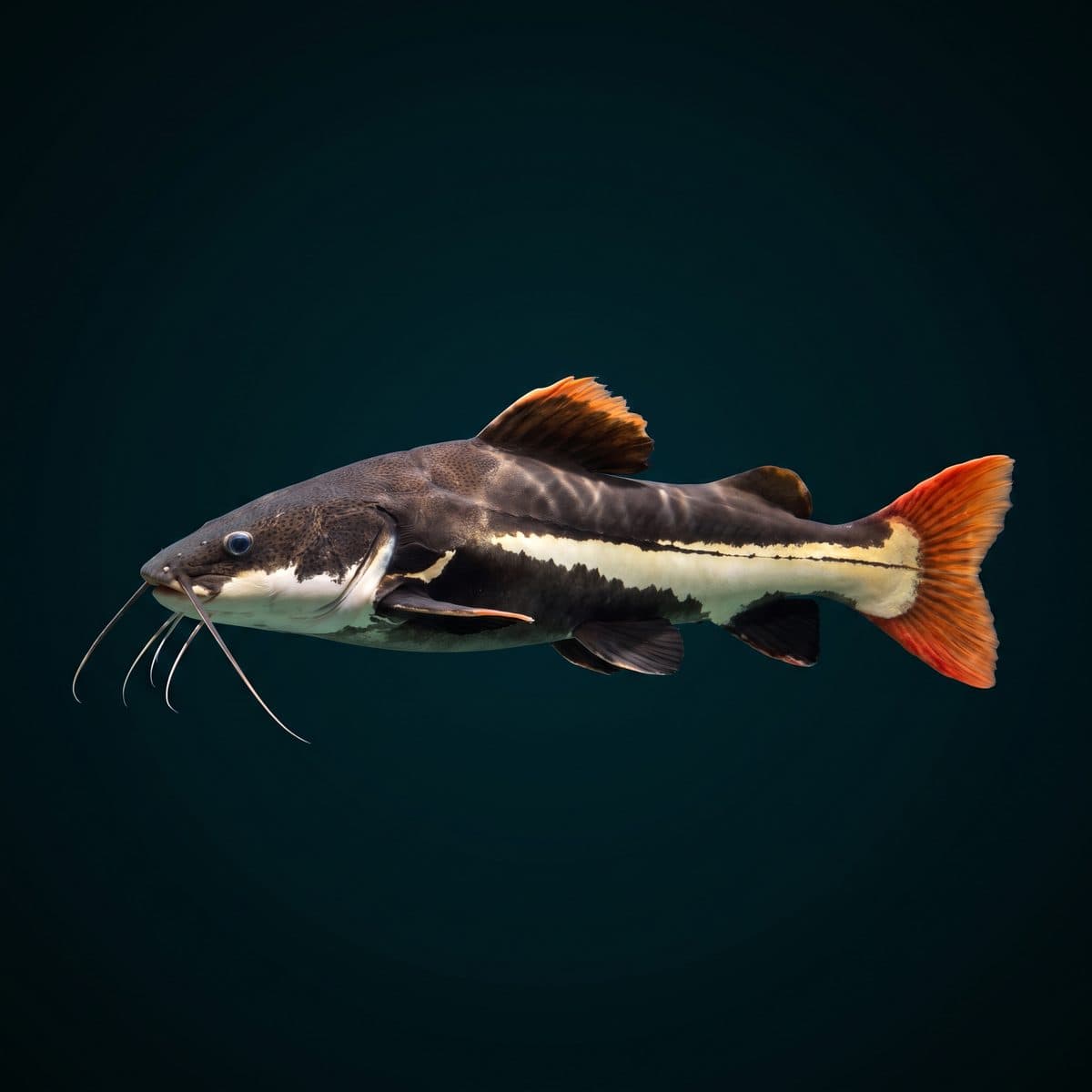
Red Tail Catfish
Phractocephalus hemioliopterus
165,60 €Get a quote
From the majestic Red Tail Catfish to elusive species found only in remote Amazonian tributaries, our catfish collection spans the full spectrum of this diverse order. Each specimen is hand-selected for health, colouration, and temperament. 7 in stock now.
Showing 7 pesce gatto
Phractocephalus hemioliopterus
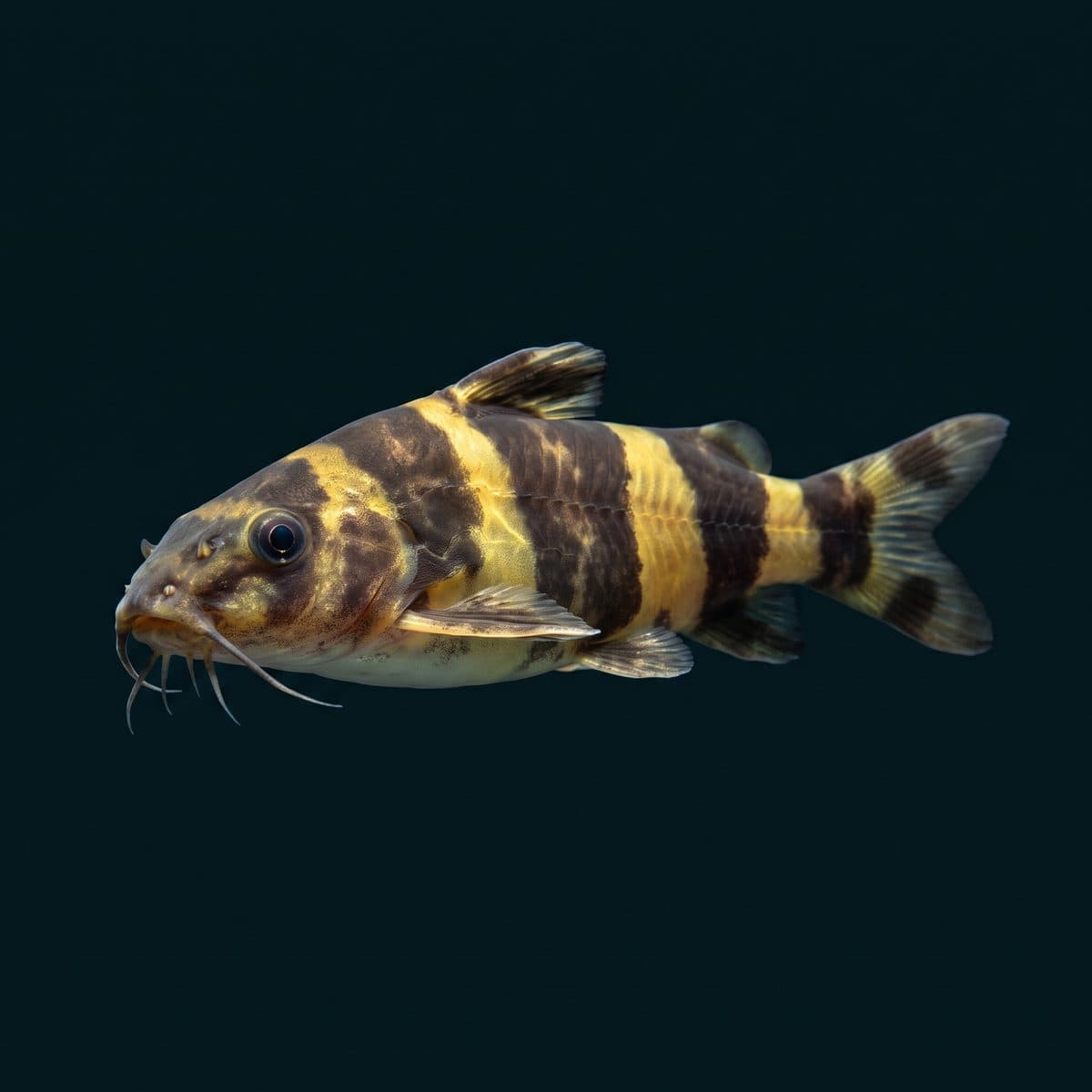
Pseudopimelodus bufonius
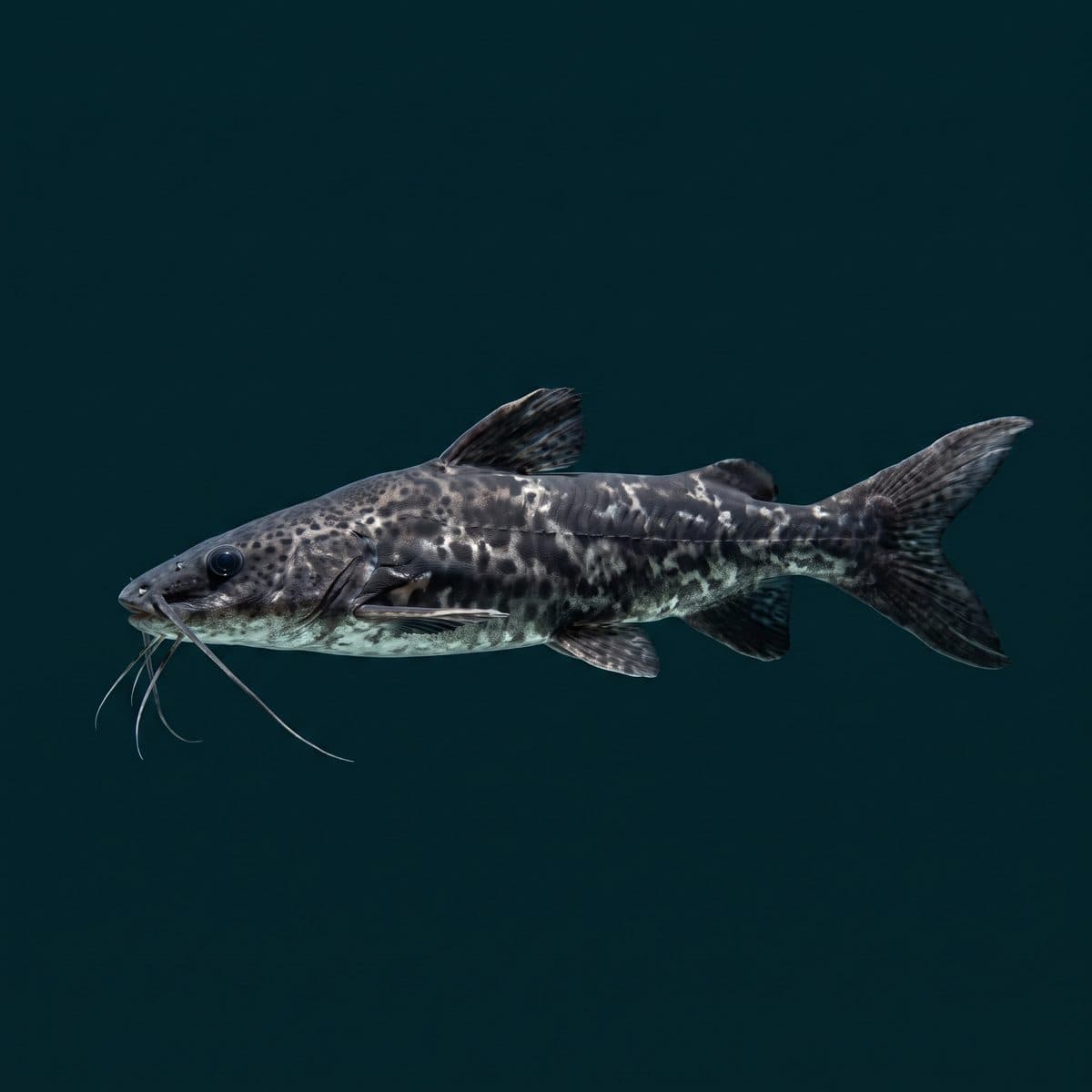
Leiarius marmoratus
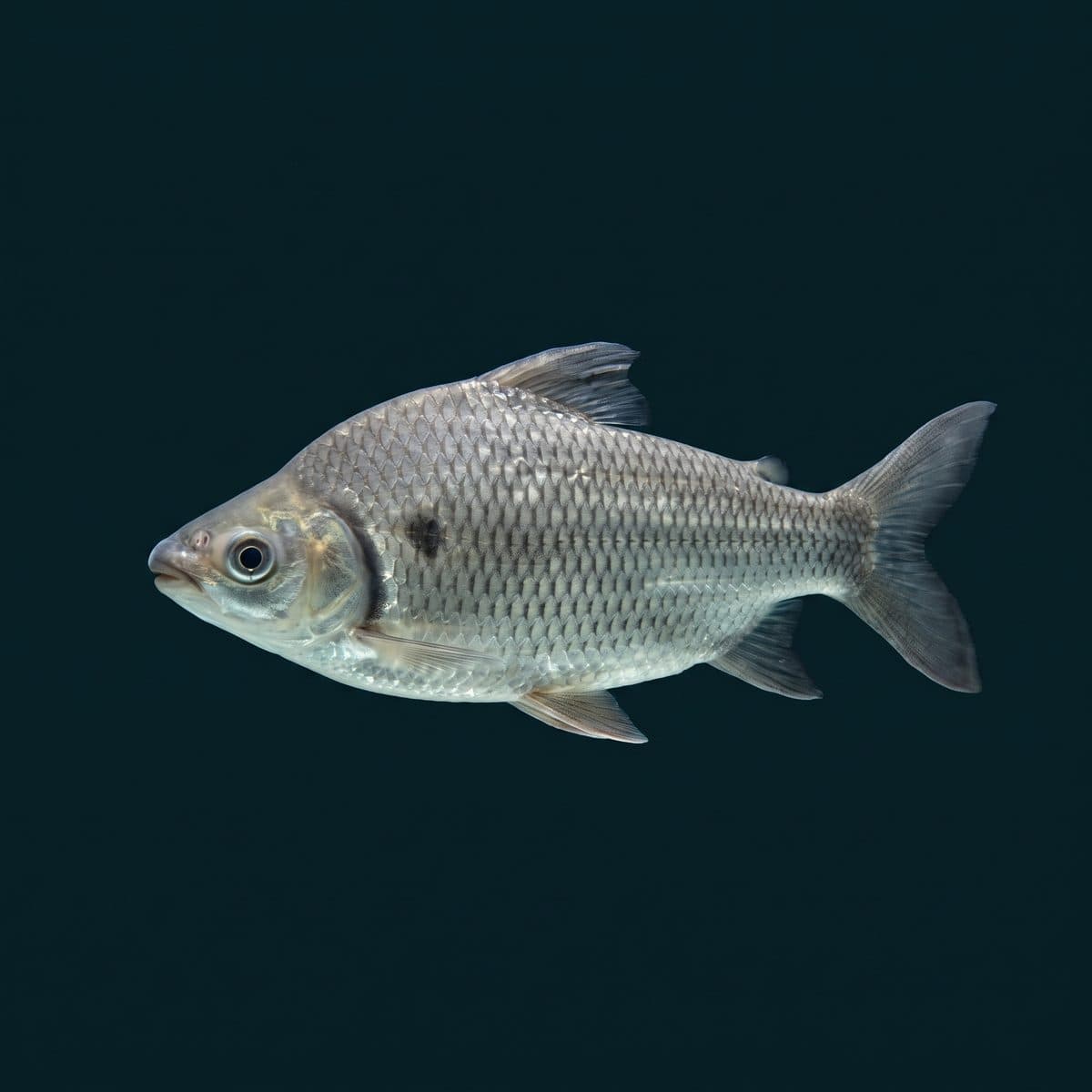
Prochilodus lineatus
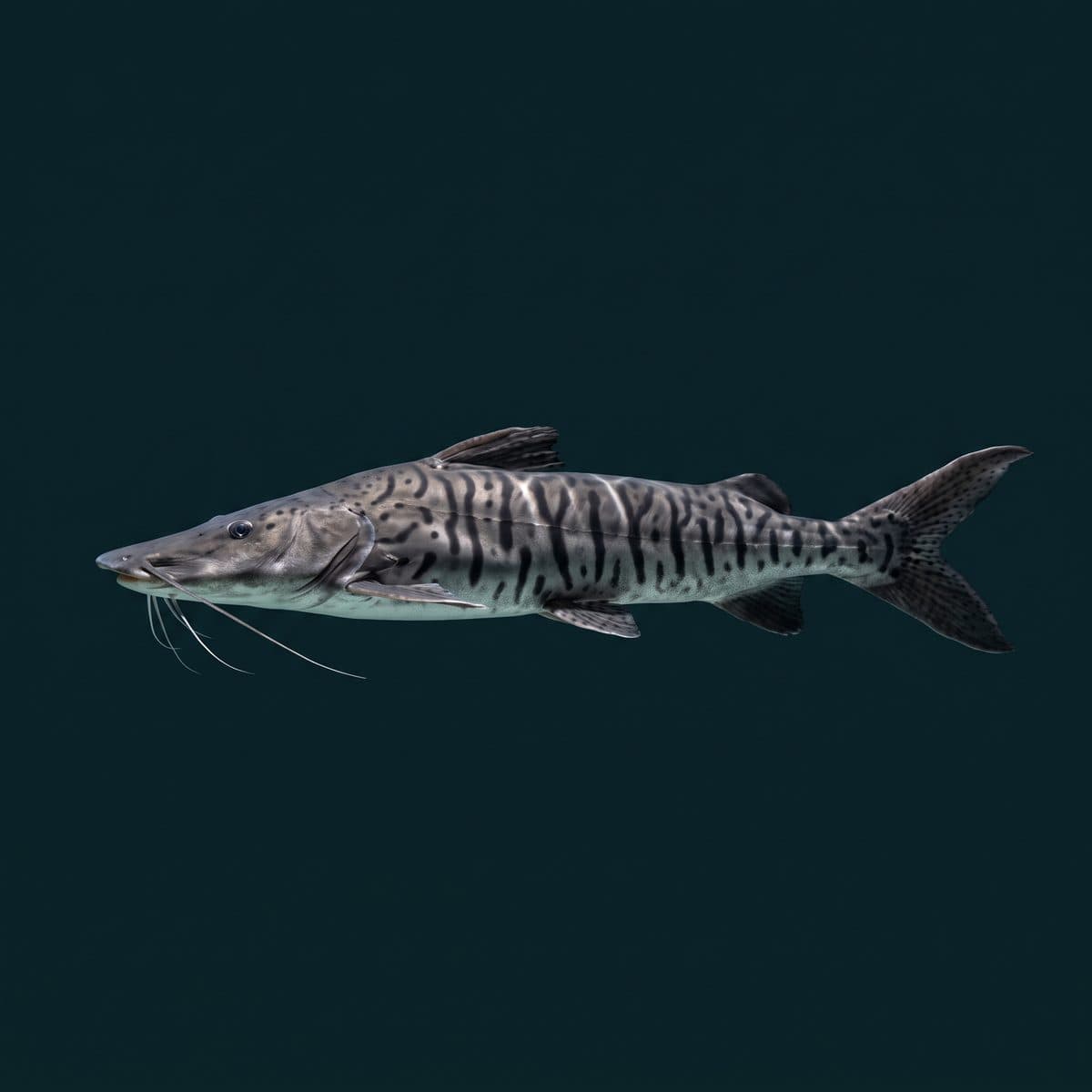
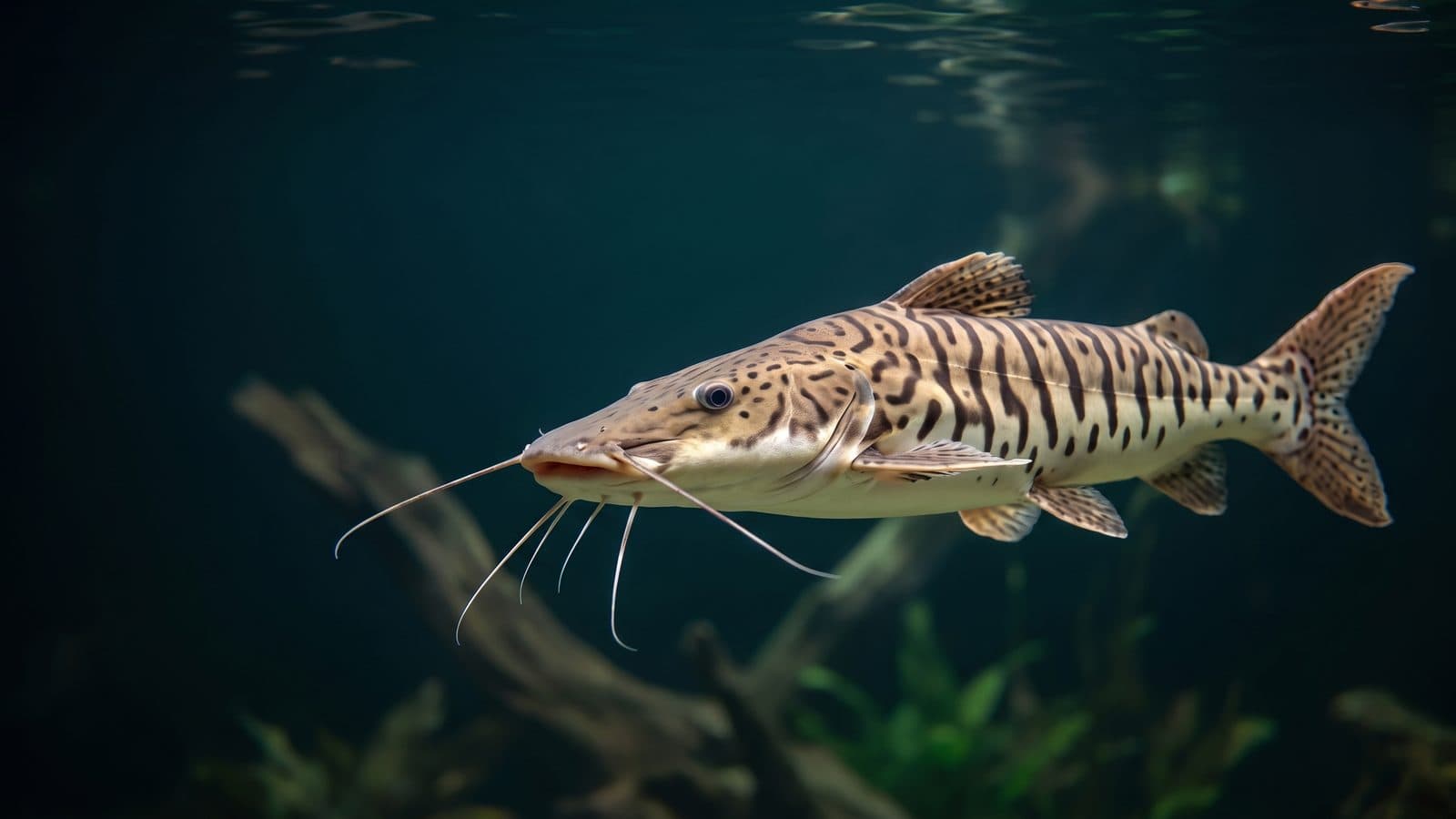
Pseudoplatystoma tigrinum
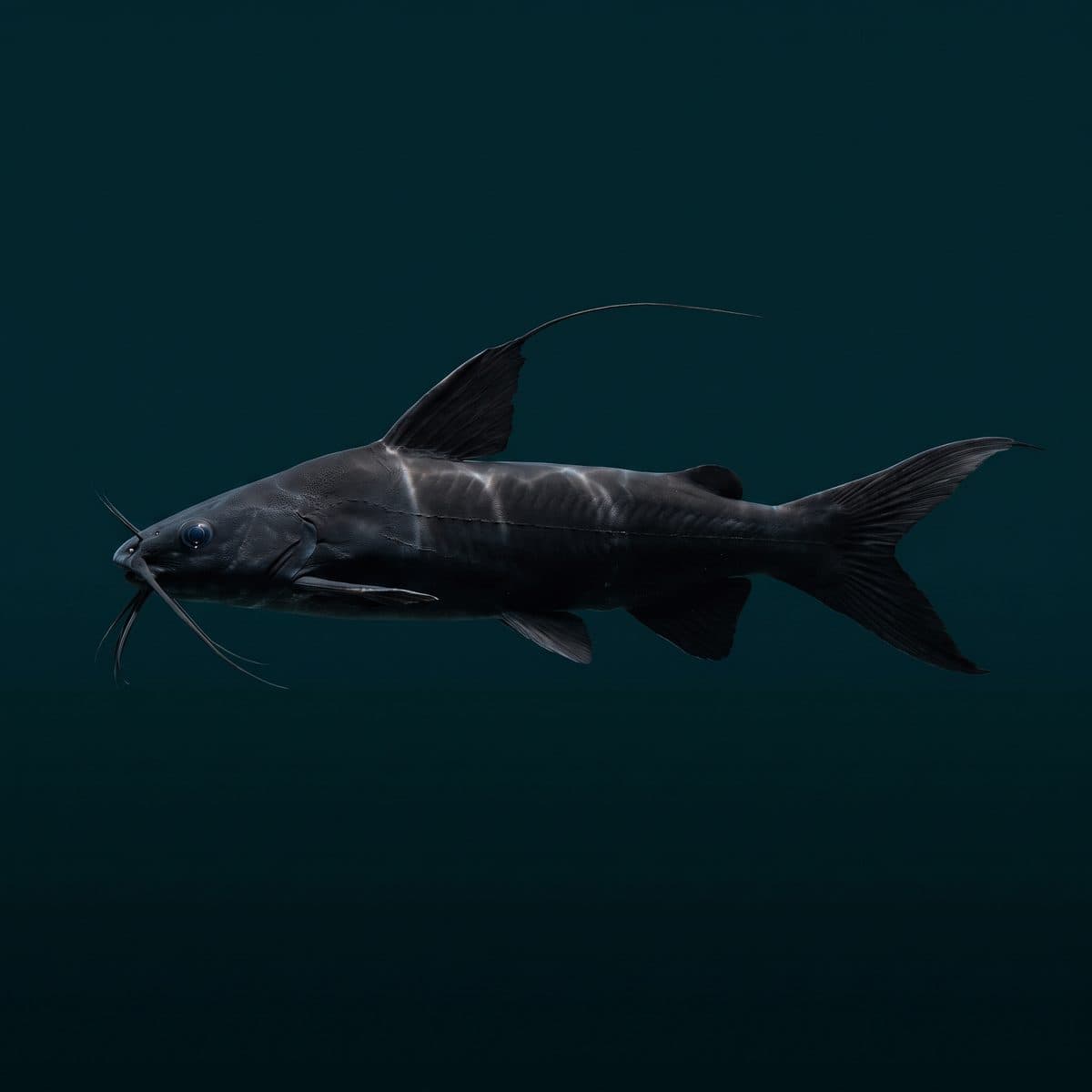
Bagrichthys macracanthus
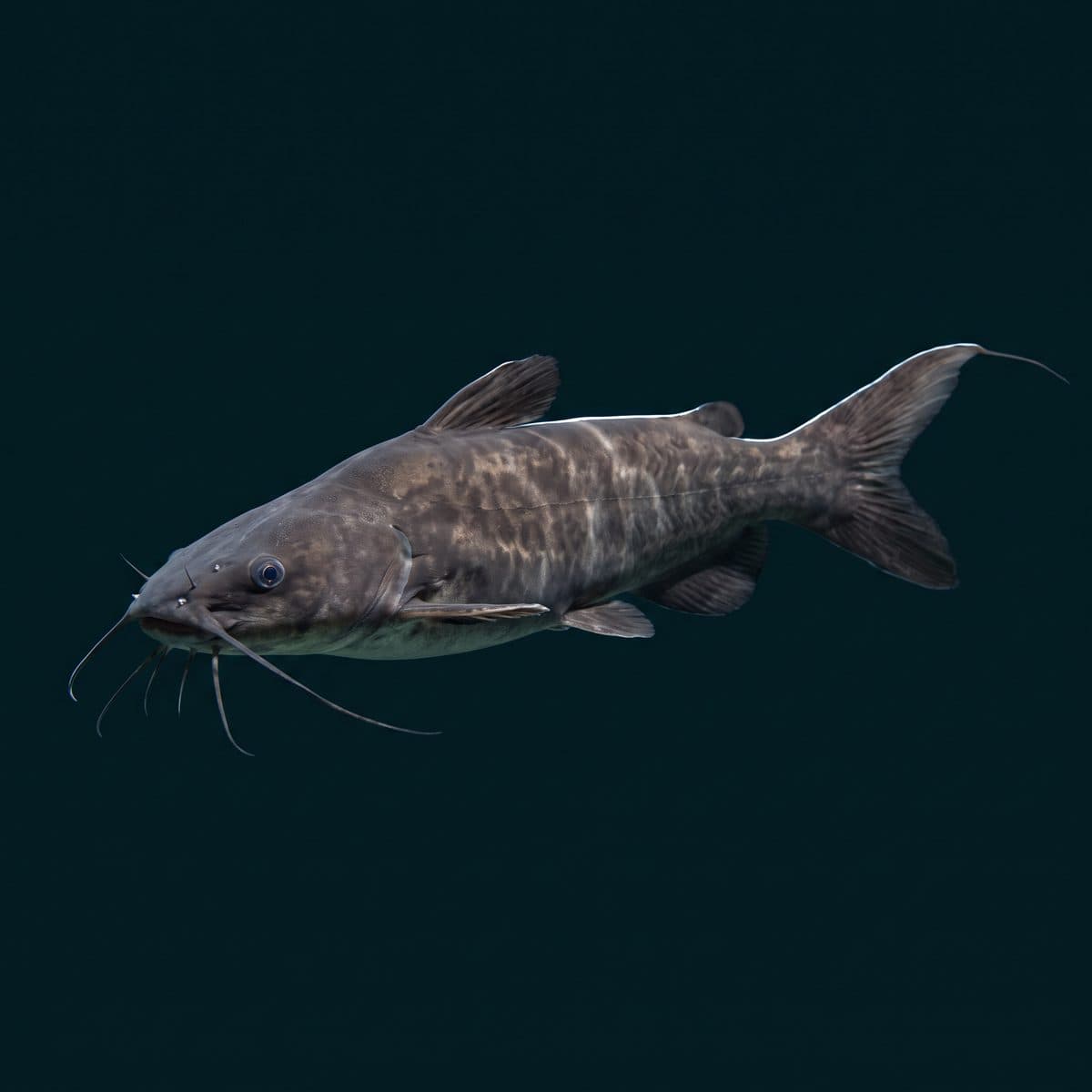
Paulicea lutkeni
The order Siluriformes encompasses over 3,000 species, making catfish one of the most diverse groups of fish on the planet. For aquarists, this diversity translates into an extraordinary range of options — from the gentle, algae-grazing Corydoras that fit in a 20-gallon tank to the massive Red Tail Catfish that can exceed four feet in captivity. If you are looking for catfish fish for sale, the key is matching the right species to your setup, experience level, and long-term commitment.
Exotic catfish fall into several broad categories that appeal to different types of aquarists. Predatory species like the Tiger Shovelnose and Red Tail Catfish are the showpiece monsters of large aquarium systems, growing rapidly and requiring hundreds of gallons of swimming space. Armoured catfish such as plecos and Corydoras occupy the bottom tier of community tanks, providing both utility and visual interest. Then there are the oddities — the upside-down catfish, the electric catfish, the delicate glass catfish — that attract hobbyists who value the unusual above all else.
Healthy catfish should have intact barbels — these whisker-like sensory organs are critical to how catfish navigate and find food. Eroded or missing barbels often indicate poor substrate conditions or bacterial infection. Check for clear eyes (not cloudy), smooth skin without white patches or red streaks, and an active feeding response. Catfish that sit listlessly at the bottom and refuse food are likely stressed or ill. For armoured species, inspect the plating for damage or discoloration.
Care requirements vary enormously across the catfish spectrum. Small species like Corydoras thrive in groups of six or more in tanks as small as 30 gallons with soft sand substrate. Large predatory species need 300-gallon-plus systems with robust filtration rated for two to three times the tank volume. Most catfish prefer slightly acidic to neutral water (pH 6.5-7.5) and temperatures between 74-82 degrees Fahrenheit. Nearly all catfish are nocturnal or crepuscular, so provide caves, driftwood, or PVC pipe for daytime shelter.
Our catfish are sourced from established breeding programmes and vetted wild-collection operations that prioritise sustainability. Every specimen undergoes a quarantine period with prophylactic treatment before being listed for sale. We provide detailed species-specific care sheets with every order, and our aquatic biologists are available post-purchase to help you through acclimation and long-term husbandry. When you buy catfish from The Fish Collection, you are getting professionally conditioned animals backed by our live arrival guarantee and free insulated shipping.
Risorse Specialistiche
Guida alla Specie
Pseudoplatystoma tigrinum
The Shovelnose Tiger Catfish (Pseudoplatystoma tigrinum) is a large, strikingly patterned pimelodid catfish from the Amazon and Orinoco river systems. Known for its flattened, shovel-shaped head and bold dark vertical barring against a silver-white body, this species can exceed 100 cm in the wild and regularly reaches 90 cm in captivity. It is a powerful nocturnal predator that demands a very large aquarium, heavy filtration, and a keeper who understands the long-term commitment of housing a metre-long catfish. This guide provides comprehensive care information including tank dimensions, diet protocols, water chemistry, and the critical distinction between this species and frequently confused Pseudoplatystoma hybrids.
Leggi la Guida →Guida alla Specie
Paulicea lutkeni
The Irwini Catfish (Paulicea lutkeni, formerly Brachyplatystoma juruense in some literature) is one of South America's most impressive large pimelodid catfish, reaching over 120 cm in the wild and 80–100 cm in captivity. Distinguished by its muscular body, flattened head, and attractive dark barred patterning, the Irwini is a nocturnal apex predator from the major river systems of the Amazon and Paraná basins. This species is suitable only for dedicated monster fish keepers with custom aquarium installations of 500+ gallons. This guide provides the specialist care information needed to maintain this rare and demanding catfish responsibly.
Leggi la Guida →Guida alla Specie
Phractocephalus hemioliopterus
The Red Tail Catfish (Phractocephalus hemioliopterus) is perhaps the most iconic — and most commonly abandoned — monster catfish in the aquarium hobby. Native to the Amazon, Orinoco, and Essequibo river systems, this pimelodid catfish reaches 130 cm (over 4 feet) in captivity and is instantly recognisable by its striking tricolour pattern: a dark grey-black dorsum, a crisp white lateral band, and a vivid orange-red caudal fin. It is a spectacularly beautiful fish that is also spectacularly demanding, requiring infrastructure that exceeds what 99% of home aquarists can provide. This guide provides unfiltered, expert-level information on what Red Tail Catfish ownership actually entails.
Leggi la Guida →Guida alla Cura
An honest care guide for the Red Tail Catfish — one of the most commonly impulse-purchased and subsequently rehomed large fish in the hobby — covering the realistic tank requirements, growth rate, feeding, water parameters, temperament, and the commitment required for this magnificent but demanding species.
Leggi la Guida →Continua a Esplorare