Intermediate
3마리 남음
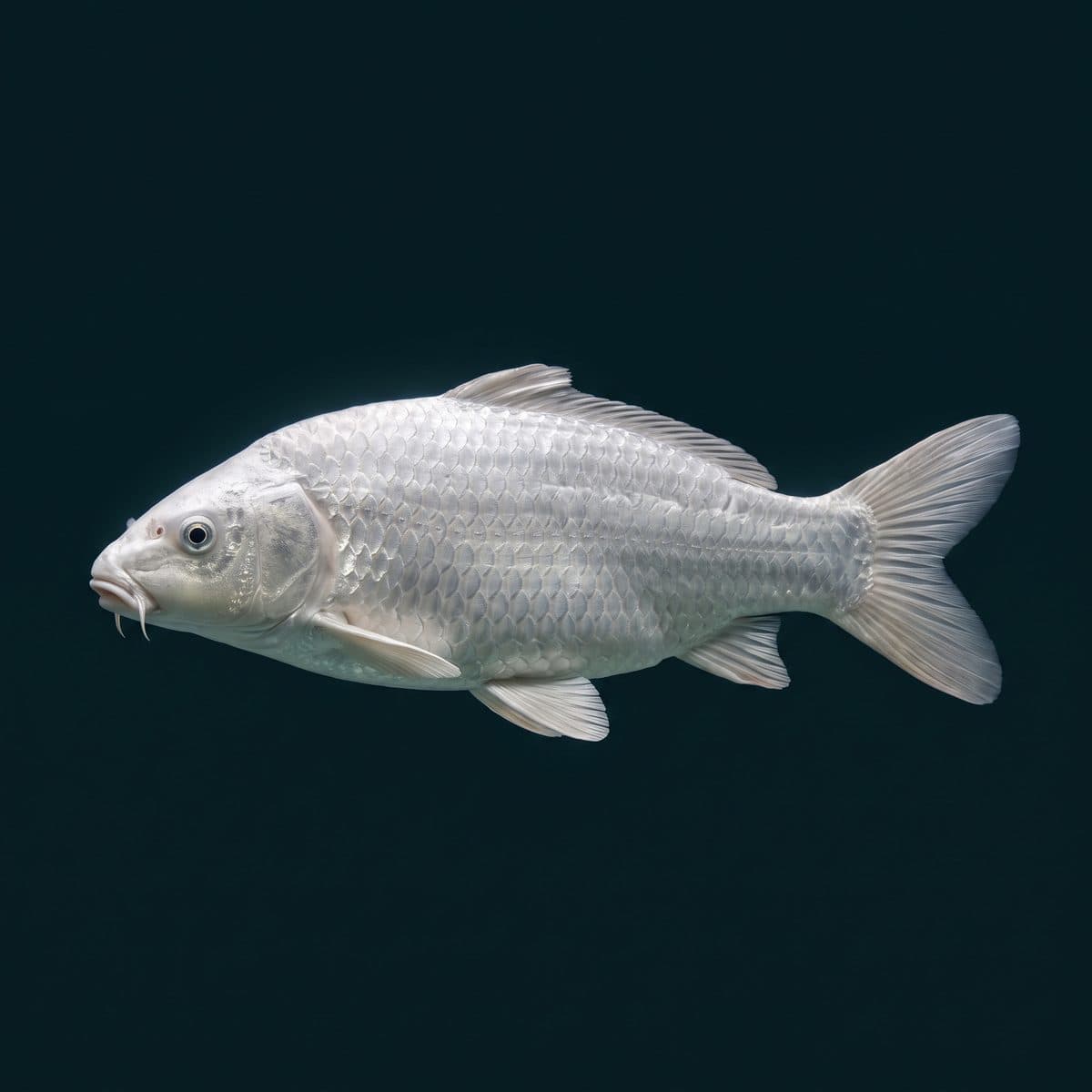
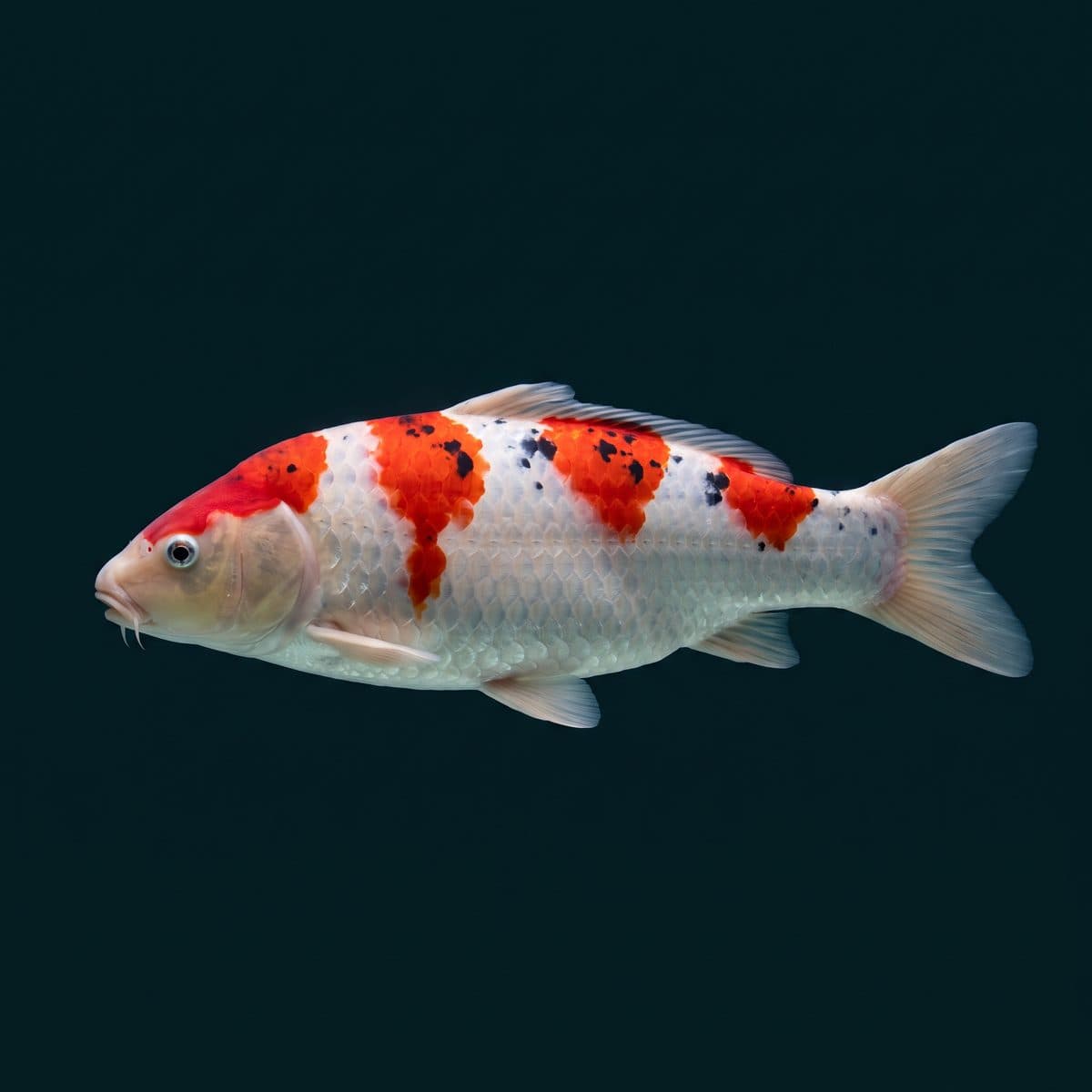
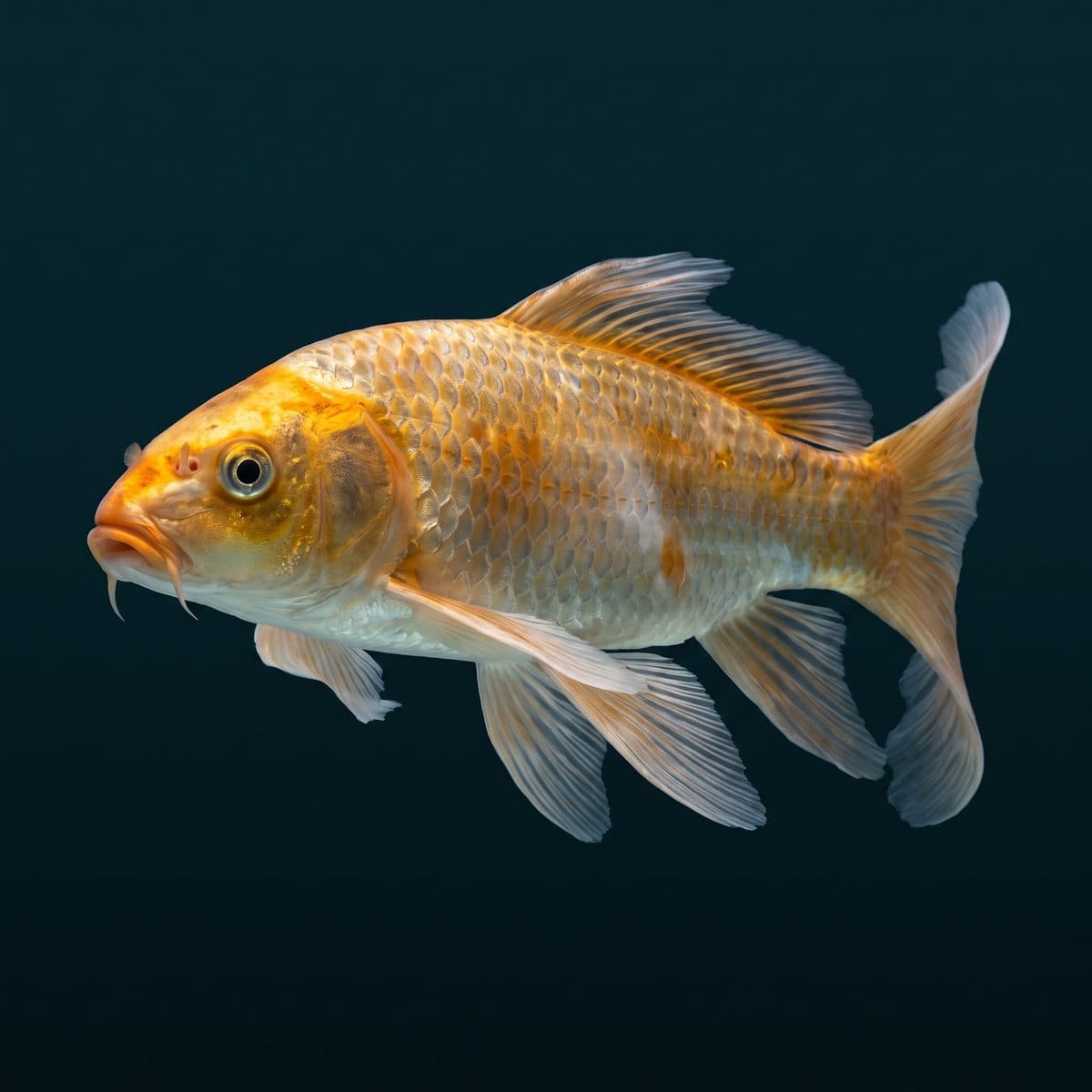
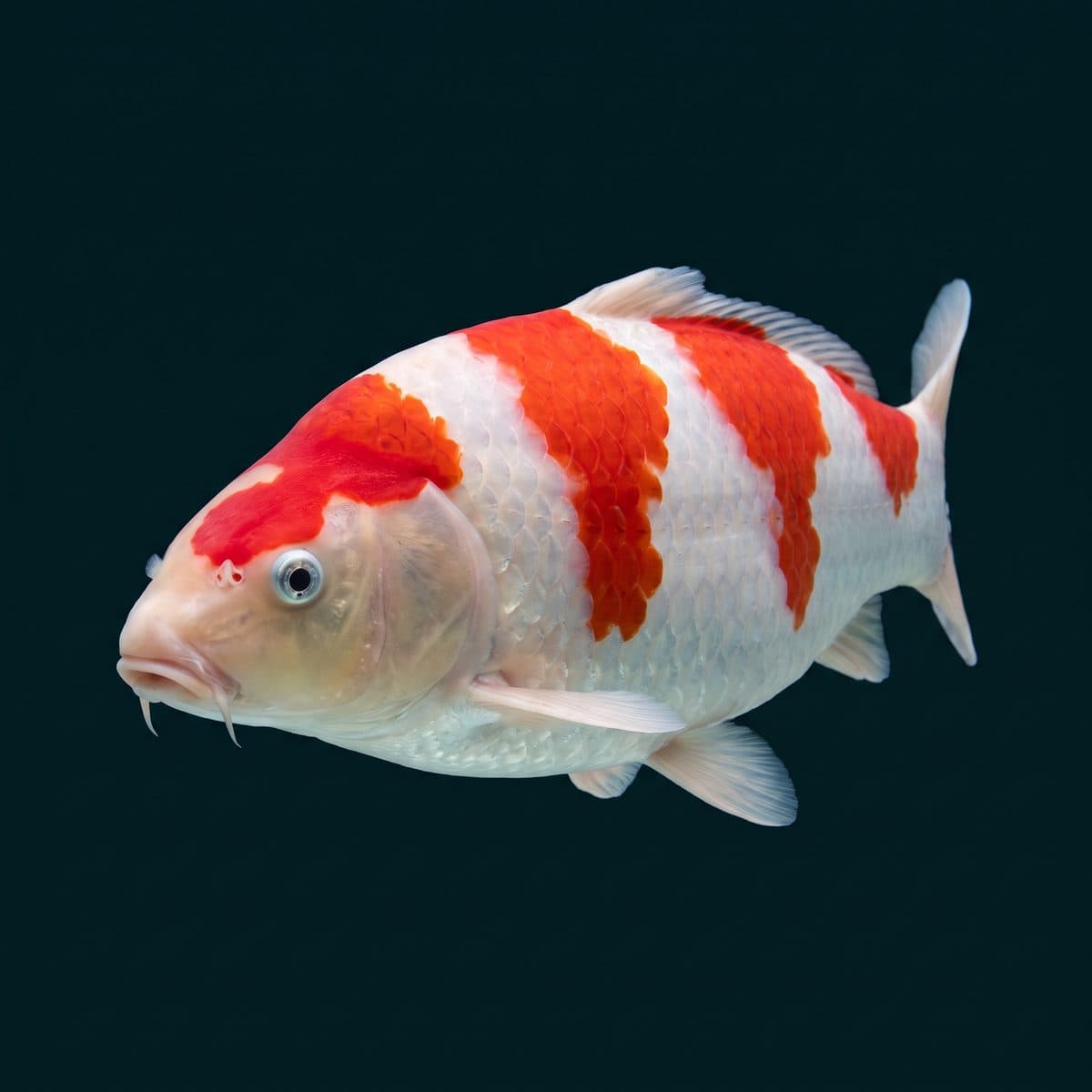
Kohaku Koi
Cyprinus rubrofuscus
₩462,000~Get a quote
Cyprinus rubrofuscus
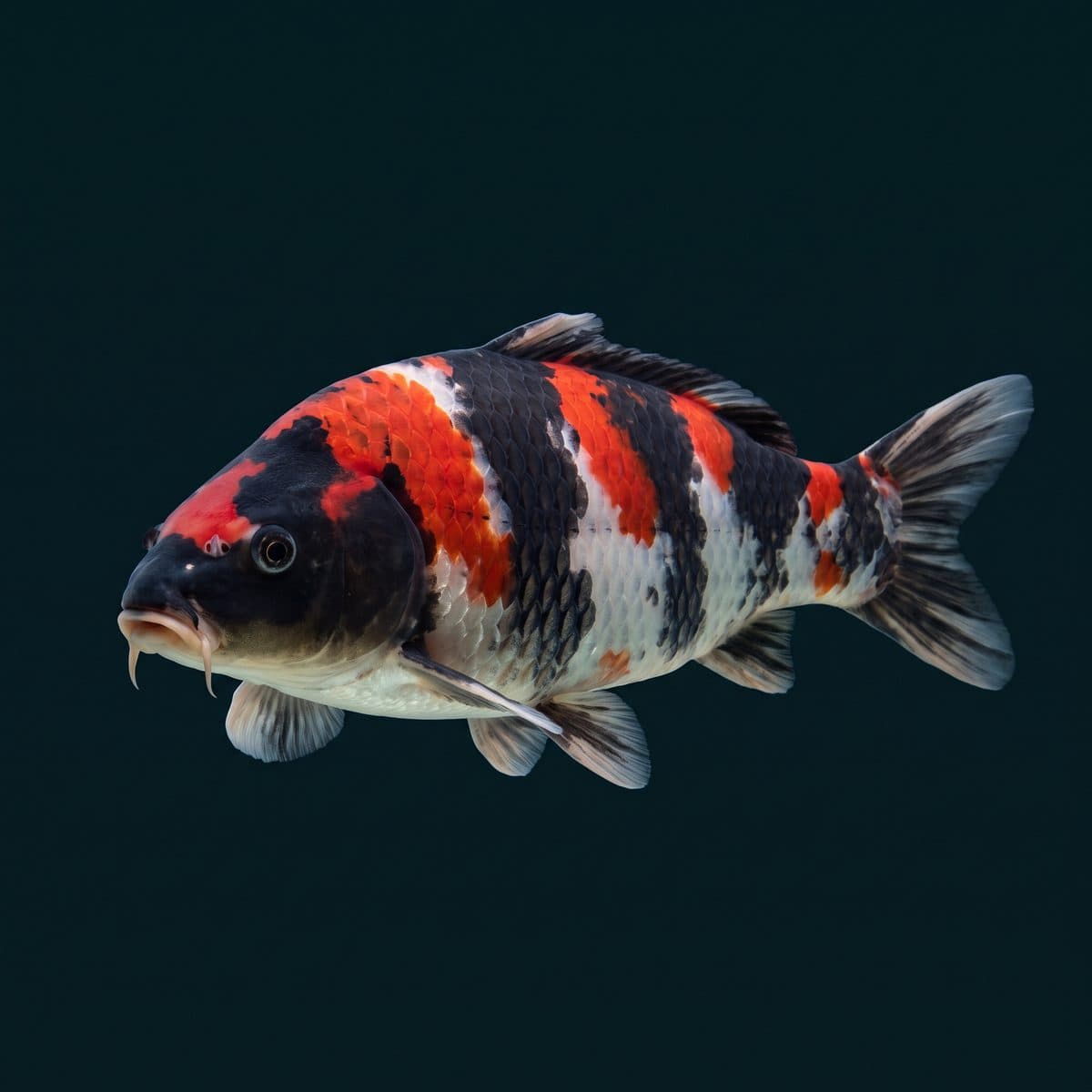
The Showa — formally Showa Sanshoku — completes the "Big Three" trilogy of koi varieties and is arguably the most dramatic and visually powerful of the three. Where the Kohaku is elegant simplicity and the Sanke is refined complexity, the Showa is bold, high-contrast artistry. Its defining characteristic is a black (sumi) base colour overlaid with sweeping patches of red (hi) and white (shiroji) that wrap around the body in a pattern of striking intensity. A great Showa commands the eye in a way that no other koi variety can — it is the variety that most often elicits genuine astonishment from first-time viewers. The Fish Collection imports our Showa from the most respected breeding houses in Niigata Prefecture, where the variety has been refined from its relatively rough origins in the early twentieth century into the magnificent fish it is today.
Insulated, oxygen-packed transit · live-arrival guaranteed
Tank size
1000+ gallons
성격
Peaceful
먹이
Omnivore
Water
65–75°F · pH 7–8.6
Tell us what you're dreaming of — we'll reply with a price tailored to you.
Happy together
Not sure if this fish is right for you?
Our team will happily help you choose.
The Showa — formally Showa Sanshoku — completes the "Big Three" trilogy of koi varieties and is arguably the most dramatic and visually powerful of the three. Where the Kohaku is elegant simplicity and the Sanke is refined complexity, the Showa is bold, high-contrast artistry. Its defining characteristic is a black (sumi) base colour overlaid with sweeping patches of red (hi) and white (shiroji) that wrap around the body in a pattern of striking intensity. A great Showa commands the eye in a way that no other koi variety can — it is the variety that most often elicits genuine astonishment from first-time viewers. The Fish Collection imports our Showa from the most respected breeding houses in Niigata Prefecture, where the variety has been refined from its relatively rough origins in the early twentieth century into the magnificent fish it is today.
The Showa was first exhibited in 1927 during the Showa era of Japanese imperial history, hence its name. Early Showa were heavy, dark fish with minimal white and muddy red — a far cry from the explosive beauty of modern specimens. Decades of selective breeding transformed the variety, particularly through the work of legendary breeders who introduced stronger red bloodlines and refined the sumi pattern into the bold, wrapping bands that define today's competition Showa. The modern ideal features large, dramatic blocks of all three colours in roughly equal proportion, with the sumi extending from the head (a critical feature — head sumi is essential in Showa) down the body in a pattern that suggests movement and power.
Evaluating a Showa requires understanding how the three colours interact as a composition. The sumi should be deep, lacquer-black — not grey or faded — with clearly defined edges. Red hi should be the same deep, uniform crimson demanded in Kohaku and Sanke. White should be clean and bright, providing contrast that makes the other two colours pop. The pattern should be balanced but not symmetrical — the aesthetic goal is dynamic tension rather than mirror-image regularity. Pectoral fins ideally show motoguro — solid black at the base that transitions to white at the tips — a feature considered highly desirable in quality Showa.
Our current Showa import measures 18 to 24 inches and displays the bold, high-contrast three-colour pattern that defines the variety at its best. The sumi is deep and stable, the hi is rich and uniform, and the white provides clean separation between the darker elements. This is a fish that will continue to develop and improve as it matures — Showa sumi in particular can deepen and sharpen dramatically over the next several years.
Pond requirements are standard for Nishikigoi: minimum 1,000 gallons, robust multi-stage filtration, water temperature between 65 and 75 degrees Fahrenheit, pH 7.0 to 8.6. Showa are hardy, vigorous fish with the same long lifespan potential as other koi varieties. A colour-enhancing diet with spirulina and astaxanthin benefits the hi markings, while cooler autumn temperatures promote sumi development — the same seasonal dynamics that Japanese breeders have leveraged for generations.
The Fish Collection ships all koi in insulated, oxygen-saturated containers with our live arrival guarantee and post-purchase support from our dedicated koi specialists.
일반적인 질문
전문가 자료
종 가이드
The Showa Sanshoku — commonly called Showa — completes the trio of Gosanke varieties alongside Kohaku and Sanke. Developed in the Showa era (1926–1989), the Showa is the boldest and most dramatic of the three, featuring a black body base (sumi) with striking red (hi) and white (shiroji) markings that create a powerful, high-contrast appearance. While early Showa were predominantly black with small patches of red and white, modern breeding has produced lighter, more balanced fish that rival Sanke in elegance while retaining the Showa's characteristic dramatic impact.
전체 가이드 읽기 →사육 가이드
A comprehensive guide to designing and building a koi pond, covering pond sizing, depth requirements, liner and construction options, multi-stage filtration, aeration, plumbing, aquatic plants, predator deterrents, and year-round seasonal maintenance.
사육 가이드 읽기 →이런 물고기도 좋아하실 수 있습니다
₩594,000~
Indicative price