Discus Compatibility Principles
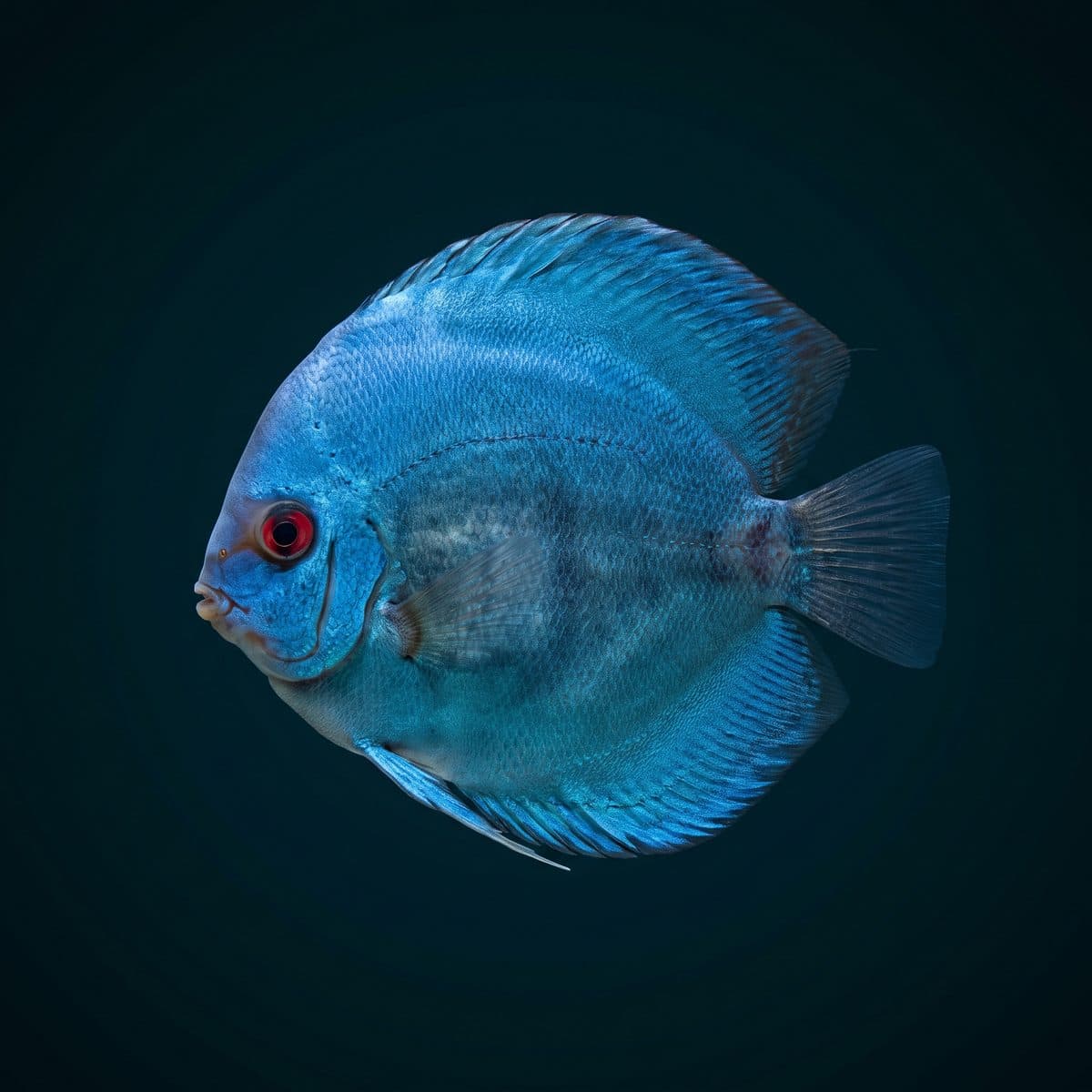
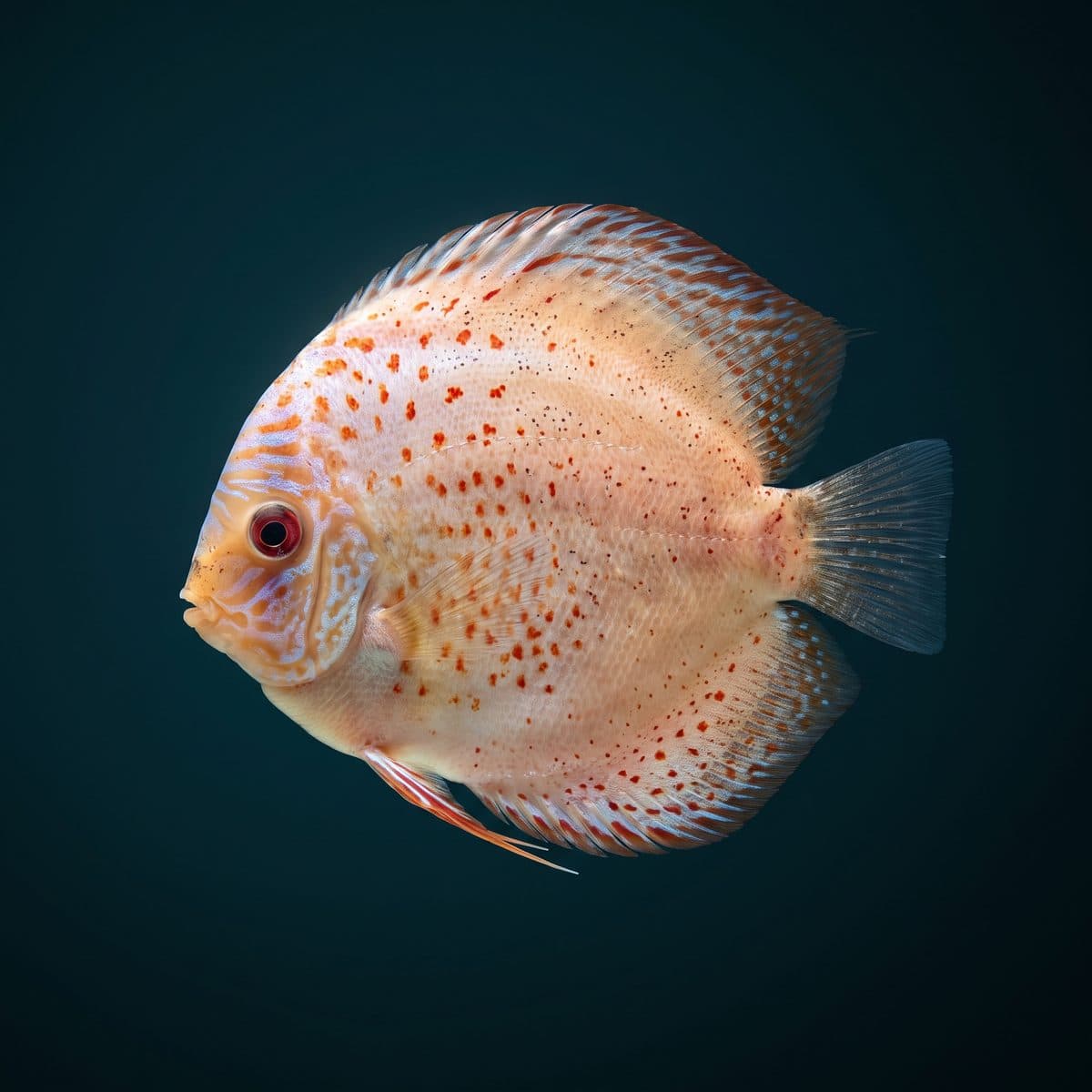
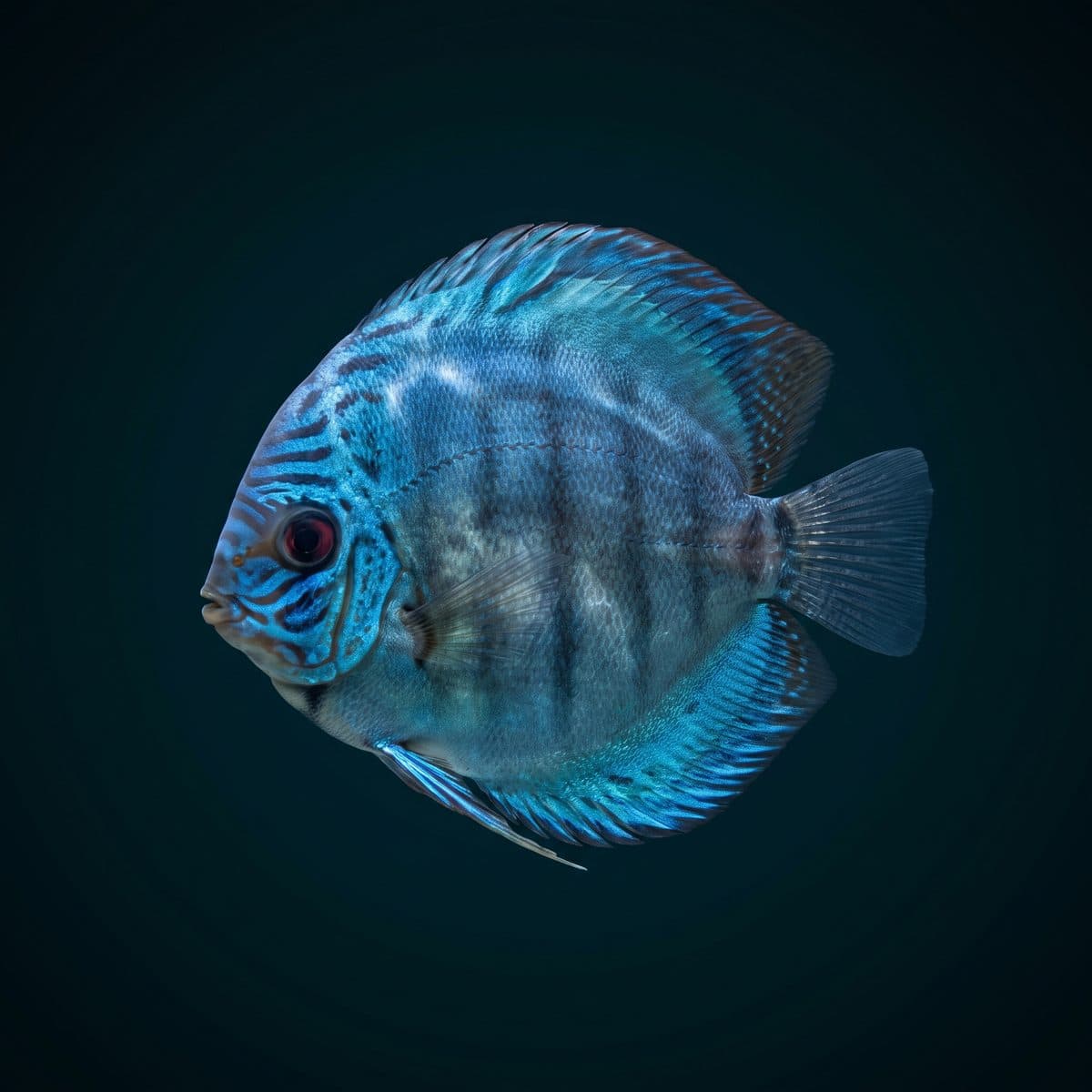
Discus are peaceful, slow-moving cichlids that inhabit warm, soft, acidic water. Any potential tank mate must pass three tests:
- Temperature tolerance: Discus require 28–30 °C — significantly warmer than the 24–26 °C range most tropical fish prefer. This single constraint eliminates the majority of common aquarium species.
- Peaceful temperament: Discus are easily stressed by aggressive, boisterous, or nippy tank mates. Any species that chases, nips fins, or dominates feeding areas is incompatible.
- Feeding compatibility: Discus are deliberate, slow feeders. Fast-moving fish that snatch food before Discus can react will outcompete them, leading to malnutrition. Tank mates should either feed in different zones (bottom-dwellers) or be slow enough that Discus can compete.
With these criteria in mind, the list of truly compatible species is shorter than many hobbyists expect. Quality over quantity is the rule — a few well-chosen companions enhance the display; a poorly chosen mix creates chronic stress.
The Temperature Constraint
The 28–30 °C requirement is the primary limiting factor. At this temperature:
- Most Corydoras species (except C. sterbai) are stressed — they prefer 22–26 °C.
- Many common tetras (Neon Tetras, Serpae Tetras) have reduced lifespans at sustained high temperatures.
- Coldwater species (White Cloud Mountain Minnows, Hillstream Loaches) are completely incompatible.
- Most Plecostomus species (except Bristlenose) prefer cooler water and higher oxygen levels than a Discus tank provides.
The compatible species listed below have been verified — through both scientific temperature tolerance data and extensive hobbyist experience — to thrive at 28–30 °C long-term.
Best Tetra Tank Mates
Cardinal Tetras
Paracheirodon axelris — the quintessential Discus companion. Cardinal Tetras are native to the same blackwater habitats as wild Discus (Rio Negro basin), naturally thriving at 27–30 °C in soft, acidic water. A school of 15–20 Cardinals creates a shimmering backdrop of neon blue and red that complements every Discus colour variety. They are peaceful, occupy the mid-water column, and are too small and fast to compete for food at the surface where Discus prefer to eat.
Keep in schools of 12 or more for natural behaviour and visual impact. In a 75-gallon Discus tank, 15–20 Cardinals is an ideal number.
Rummy-nose Tetras
Hemigrammus rhodostomus — another outstanding Discus tank mate. Rummy-nose Tetras school more tightly than almost any other tetra species, creating a disciplined, synchronised formation that provides visual movement without chaotic energy. Their red-tipped nose and striped tail are attractive without competing for attention with the Discus.
Rummy-nose Tetras are also excellent water quality indicators: their red nose colouration fades noticeably when water conditions deteriorate, providing an early visual warning before parameters reach levels that stress Discus.
Emperor Tetras
Nematobrycon palmeri — a less common but excellent choice. Emperor Tetras are calm, stately fish that tolerate 28–30 °C well. Males display iridescent purple-blue flanks and an extended central caudal fin ray. They are peaceful, occupy mid-water, and their subdued activity level complements the Discus's own calm swimming style.
Best Catfish Tank Mates
Corydoras sterbai
Corydoras sterbai is one of the very few Corydoras species that genuinely thrives at 28–30 °C. Native to the upper Guaporé River in Brazil, it inhabits warm, soft water naturally. Their orange pectoral fin spines and spotted patterning are attractive, and their bottom-dwelling habit means they clean up fallen food without competing with Discus at mid-water feeding zones.
Keep in groups of six or more. They are active, social bottom-dwellers that add movement to the lower tank zone without causing surface-level disruption.
Bristlenose Pleco
Ancistrus spp. — the best algae-eating companion for Discus tanks. Bristlenose Plecos stay small (12–15 cm), tolerate warm water, and effectively control algae on glass, driftwood, and plant surfaces. They are nocturnal and non-aggressive, occupying a completely different niche than Discus.
Avoid common Plecos (Pterygoplichthys spp.) — they grow to 30–45 cm, produce enormous waste, and have been known to rasp the slime coat of sleeping Discus. Bristlenose are the right size for the job.
Best Cichlid Tank Mates
German Blue Rams (Mikrogeophagus ramirezi) — share identical temperature (28–30 °C) and water chemistry preferences (soft, acidic). Males are brilliantly coloured with iridescent blue speckles over a golden body. Rams occupy the lower-middle water column and establish small territories around the substrate — they do not challenge Discus for space.
Keep in pairs. Rams can be mildly territorial during spawning but are no threat to Discus. Their small size (6–7 cm) means they are not food competitors.
Apistogramma spp. — dwarf cichlids that thrive in warm, soft water. A. cacatuoides, A. borellii, and A. agassizii are all compatible with Discus in 75+ gallon tanks. They are bottom-oriented and establish micro-territories around caves and driftwood. Keep in pairs or harems (one male, 2–3 females).
Other Compatible Species
- Otocinclus: Tiny algae eaters (3–4 cm) that tolerate warm water and are completely non-aggressive. Keep in groups of 6+. They are delicate and sensitive to water quality — only add to a well-established, stable Discus tank.
- Hatchetfish: Surface-dwelling fish that occupy a zone Discus rarely use intensively. Silver Hatchetfish (Gasteropelecus sternicla) and Marbled Hatchetfish (Carnegiella strigata) are both warm-water tolerant. A secure lid is mandatory — Hatchetfish jump.
- Clown Loaches: Tolerate 28–30 °C and are peaceful, but grow to 20–30 cm. Only suitable for Discus tanks of 125+ gallons. Keep in groups of 5+.
- Pencilfish: Nannostomus spp. are calm, small, warm-water tolerant, and occupy mid-to-upper water zones. Excellent but less commonly available.
Species to Avoid
- Tiger Barbs: Notorious fin nippers that will shred Discus fins and cause chronic stress.
- Neon Tetras: While closely related to Cardinals, Neon Tetras have shorter lifespans at 28–30 °C. Cardinals are the superior choice for Discus tanks.
- African Cichlids: Wrong water chemistry (they need hard, alkaline water) and aggressive temperament. Completely incompatible.
- Common Plecos: Grow too large, produce excessive waste, and may rasp Discus slime coat. Use Bristlenose instead.
- Angelfish: A common misconception. While Angelfish are South American cichlids, they are significantly more aggressive than Discus, compete for food, and can bully Discus. In smaller tanks (under 125 gallons), the combination frequently fails.
- Fast-moving surface feeders: Danios, Rainbowfish, and other active surface-oriented species will outcompete Discus at feeding time.
- Chinese Algae Eaters: Become aggressive as adults and attach to slow-moving fish to rasp mucus — a nightmare combination with Discus.
Stocking a Discus Community Tank
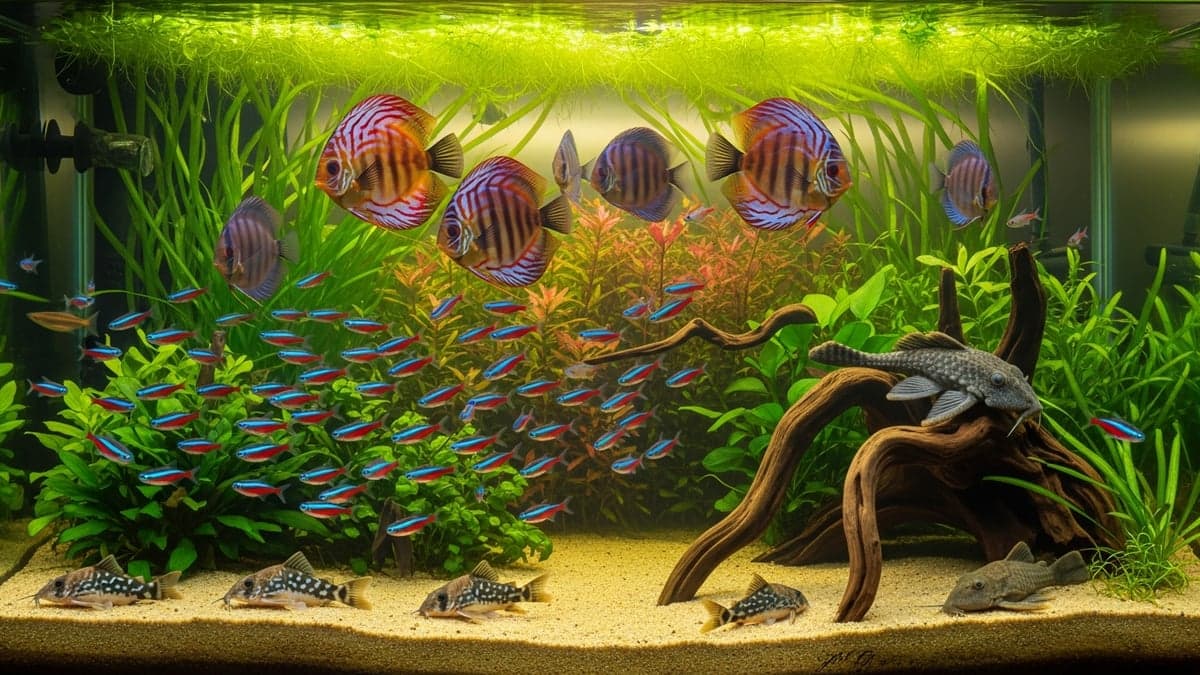
A well-stocked 75-gallon Discus community tank might include:
- 6 adult Discus (various colour varieties)
- 15–20 Cardinal Tetras
- 6–8 Corydoras sterbai
- 1 pair German Blue Rams
- 1–2 Bristlenose Plecos
This combination provides activity at every water level (Cardinals mid-water, Corydoras at the bottom, Discus everywhere, Rams near the substrate, Plecos on hardscape) while maintaining peaceful compatibility and shared temperature preferences.
Always add Discus last after all other species are established. This reduces territorial stress during introduction. Quarantine all new additions for 30 days before introducing to the display tank — Discus are highly susceptible to diseases carried by asymptomatic tank mates.
For tank sizing guidance, see our Discus tank size guide. For feeding, see the Discus feeding guide. Browse our Discus species profiles for available varieties at The Fish Collection.