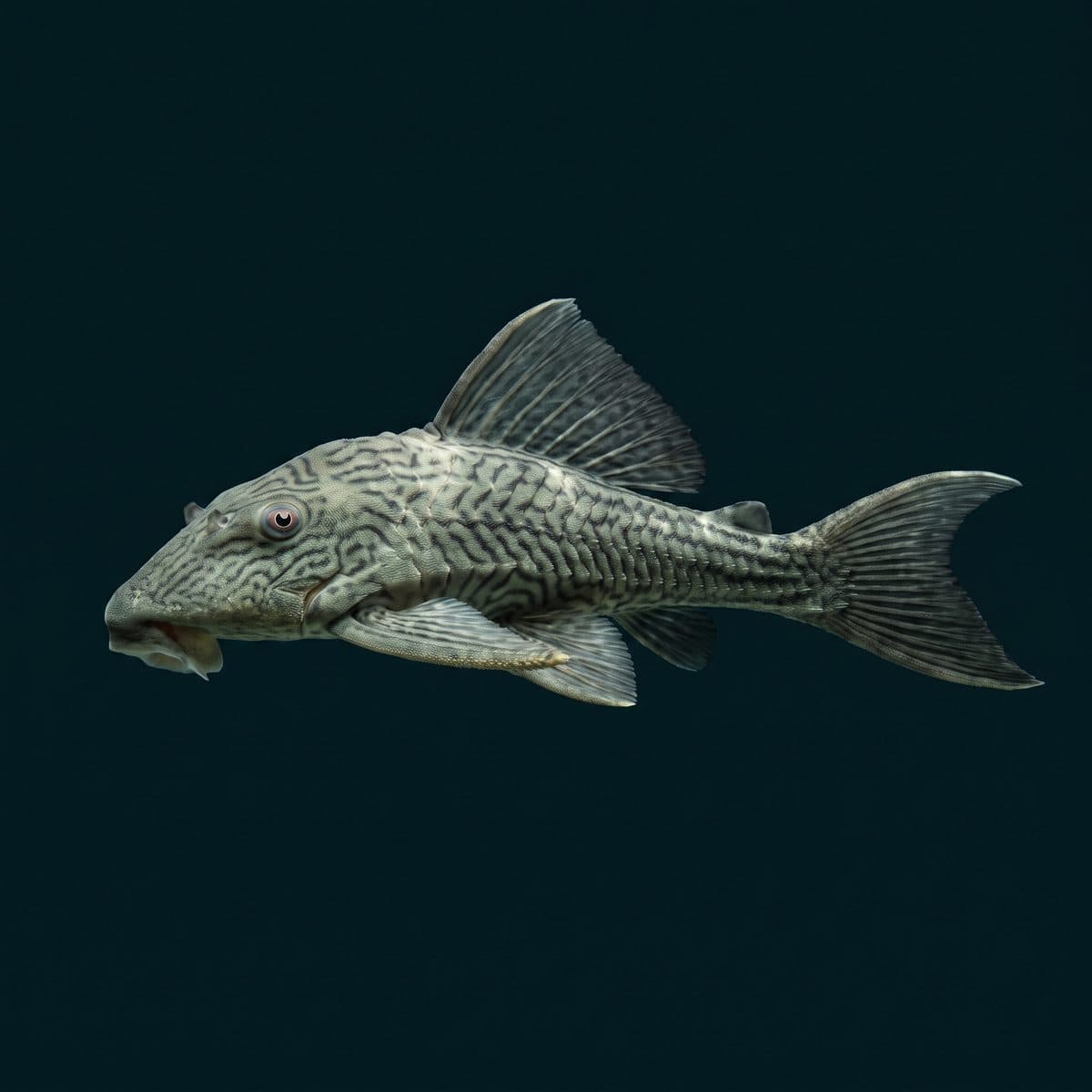
Advanced
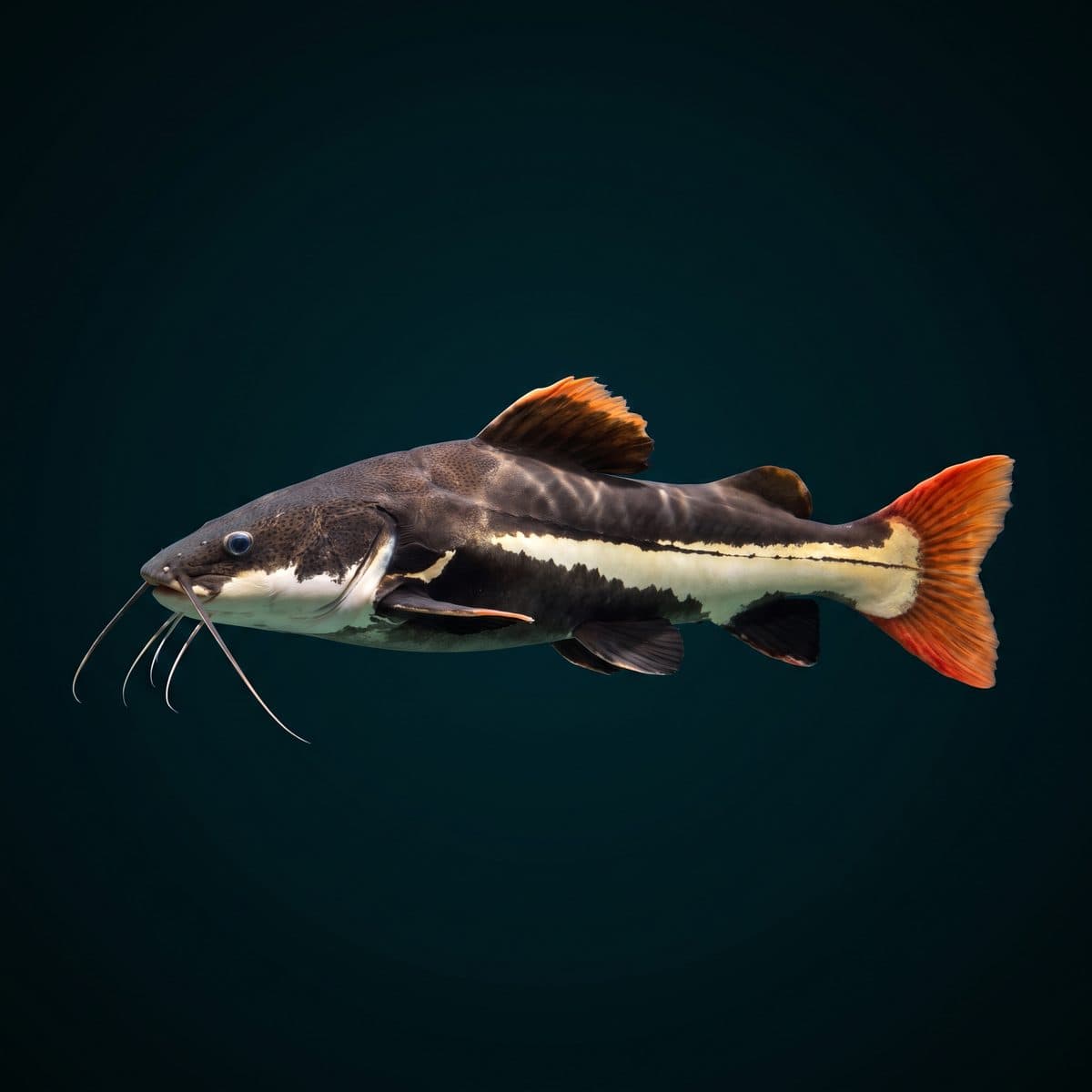
Red Tail Catfish
Phractocephalus hemioliopterus
vanaf € 165,60Get a quote
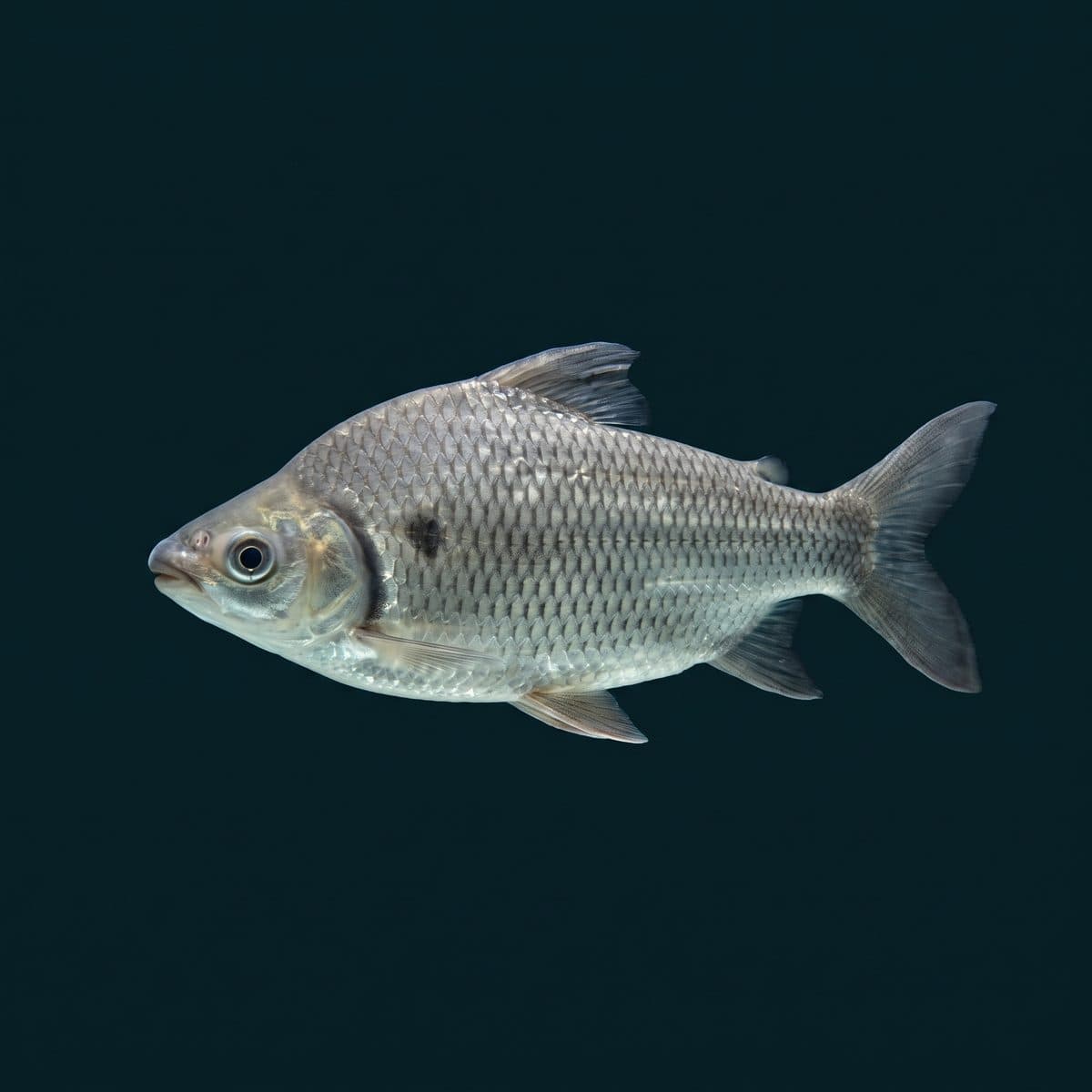
Prochilodus lineatus
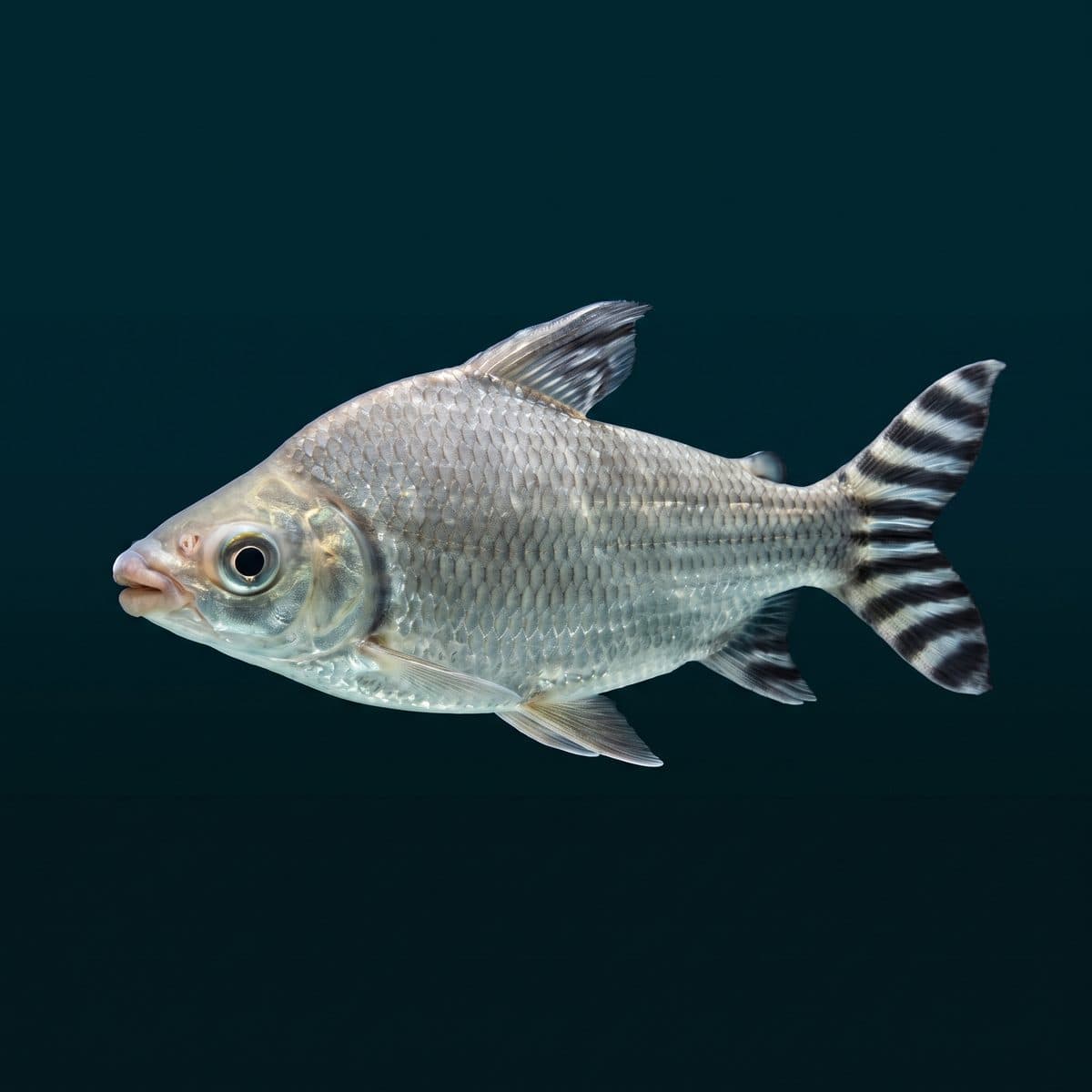
The Grass Cutter Catfish is a distinctive and often underappreciated South American species that brings a unique ecological niche to large freshwater aquariums. Prochilodus lineatus, sometimes called the Flannel-Mouth or Streaked Prochilodus, is native to the Rio de la Plata basin and surrounding river systems, where it forms massive migratory schools that play a critical role in riparian ecosystems. Unlike the vast majority of catfish offered in the predatory-fish hobby, the Grass Cutter is primarily an herbivore and detritivore — a biological lawnmower that grazes algae, biofilm, and decaying plant matter from submerged surfaces with its specialized sucker-like mouth.
Insulated, oxygen-packed transit · live-arrival guaranteed
Tank size
100+ gallons
Temperament
Peaceful
Voeding
Herbivore/Omnivore
Water
72–82°F · pH 6–7.5
Tell us what you're dreaming of — we'll reply with a price tailored to you.
Happy together
Not sure if this fish is right for you?
Our team will happily help you choose.
The Grass Cutter Catfish is a distinctive and often underappreciated South American species that brings a unique ecological niche to large freshwater aquariums. Prochilodus lineatus, sometimes called the Flannel-Mouth or Streaked Prochilodus, is native to the Rio de la Plata basin and surrounding river systems, where it forms massive migratory schools that play a critical role in riparian ecosystems. Unlike the vast majority of catfish offered in the predatory-fish hobby, the Grass Cutter is primarily an herbivore and detritivore — a biological lawnmower that grazes algae, biofilm, and decaying plant matter from submerged surfaces with its specialized sucker-like mouth.
At a maximum size of approximately 31 inches, the Grass Cutter is a substantial fish that demands a 100-gallon or larger aquarium. Its body is robust and laterally compressed, with silvery flanks marked by faint horizontal striping and fins edged in red or orange — subtle coloration that becomes increasingly attractive as the fish matures. The Grass Cutter is an active, open-water swimmer that appreciates ample horizontal swimming space and moderate to strong water flow that mimics its native riverine habitats.
What makes the Grass Cutter particularly valuable in a mixed-species setup is its dietary role. This fish is a tireless grazer that consumes algae and biofilm from every surface in the aquarium — glass, rocks, driftwood, and equipment alike. While it should not be relied upon as a sole algae-control strategy, a Grass Cutter significantly reduces organic buildup and contributes to overall tank cleanliness. In our facility, we feed a varied diet of blanched vegetables (zucchini, spinach, peas), spirulina-based pellets, algae wafers, and occasional frozen foods. The species accepts a wide range of prepared foods and is easy to feed in captivity.
Water parameters are undemanding: 72 to 82 degrees Fahrenheit, pH of 6.0 to 7.5, and soft to moderately hard water. The Grass Cutter is exceptionally hardy and adapts quickly to a range of aquarium conditions. Filtration should be adequate for the tank volume with weekly water changes of 20 to 30 percent. The species tolerates a broad temperature range and is less sensitive to minor parameter fluctuations than many tropical species.
Temperamentally, the Grass Cutter is one of the most peaceful large fish available. It coexists readily with virtually any tankmate it cannot eat — and since it is not predatory, that includes most community species. It is an excellent companion for large cichlids, Arowana, catfish, and other species in mixed predator-community setups. The Grass Cutter adds movement, visual interest, and practical utility to any large aquarium.
One important consideration is that Prochilodus lineatus is a powerful jumper, particularly when startled. A well-fitted, secure lid is essential. In the wild, these fish are known for their spectacular leaping behavior during upstream migrations, and this instinct persists in captivity. With proper precautions and a lifespan of 10 to 15 years, the Grass Cutter Catfish is a rewarding and functional addition to any large freshwater system.
Veelgestelde vragen
Expertbronnen
Misschien vindt u dit ook leuk
vanaf € 59,80
Indicative price