Easy
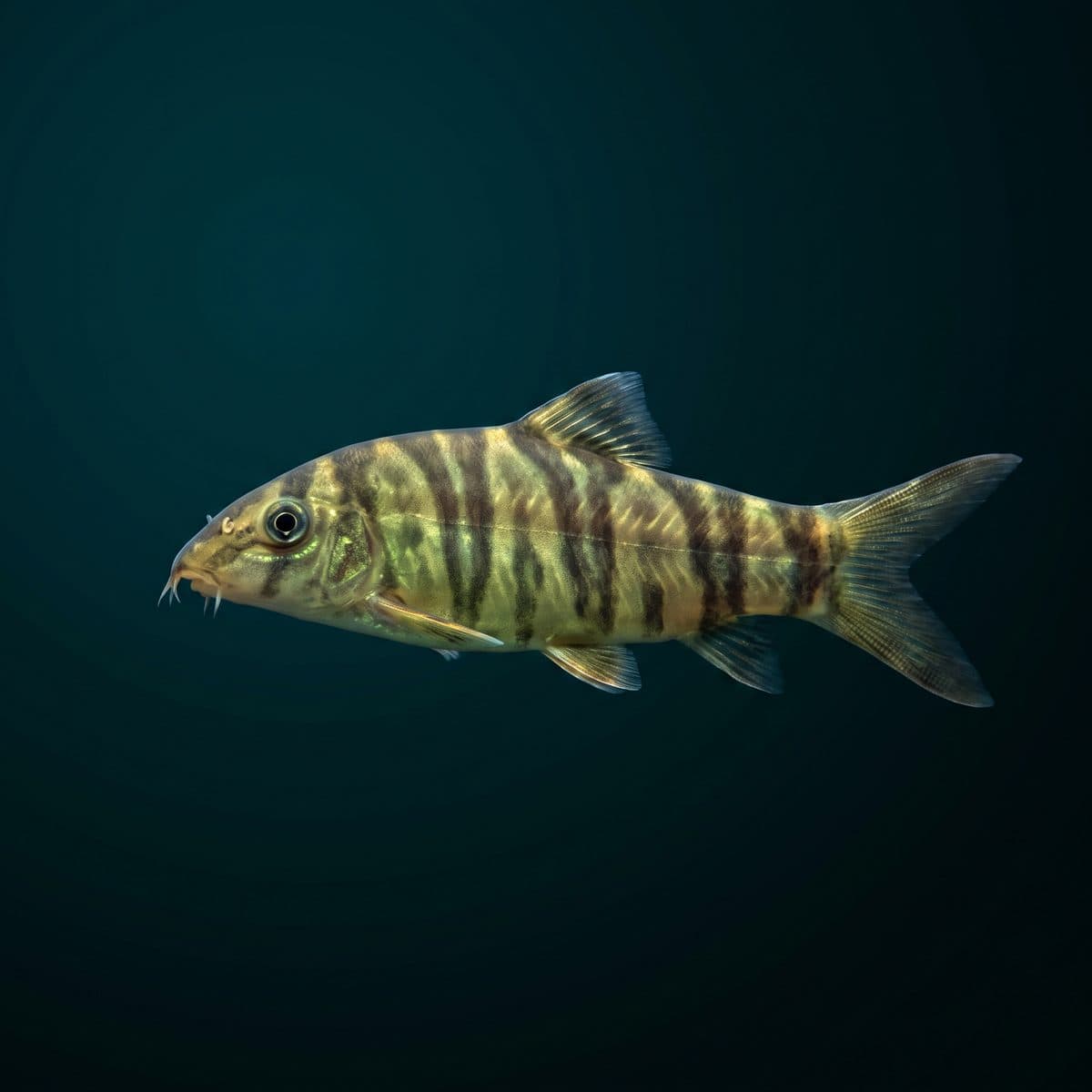
Zebra Loach
Botia striata
vanaf € 7,36Get a quote
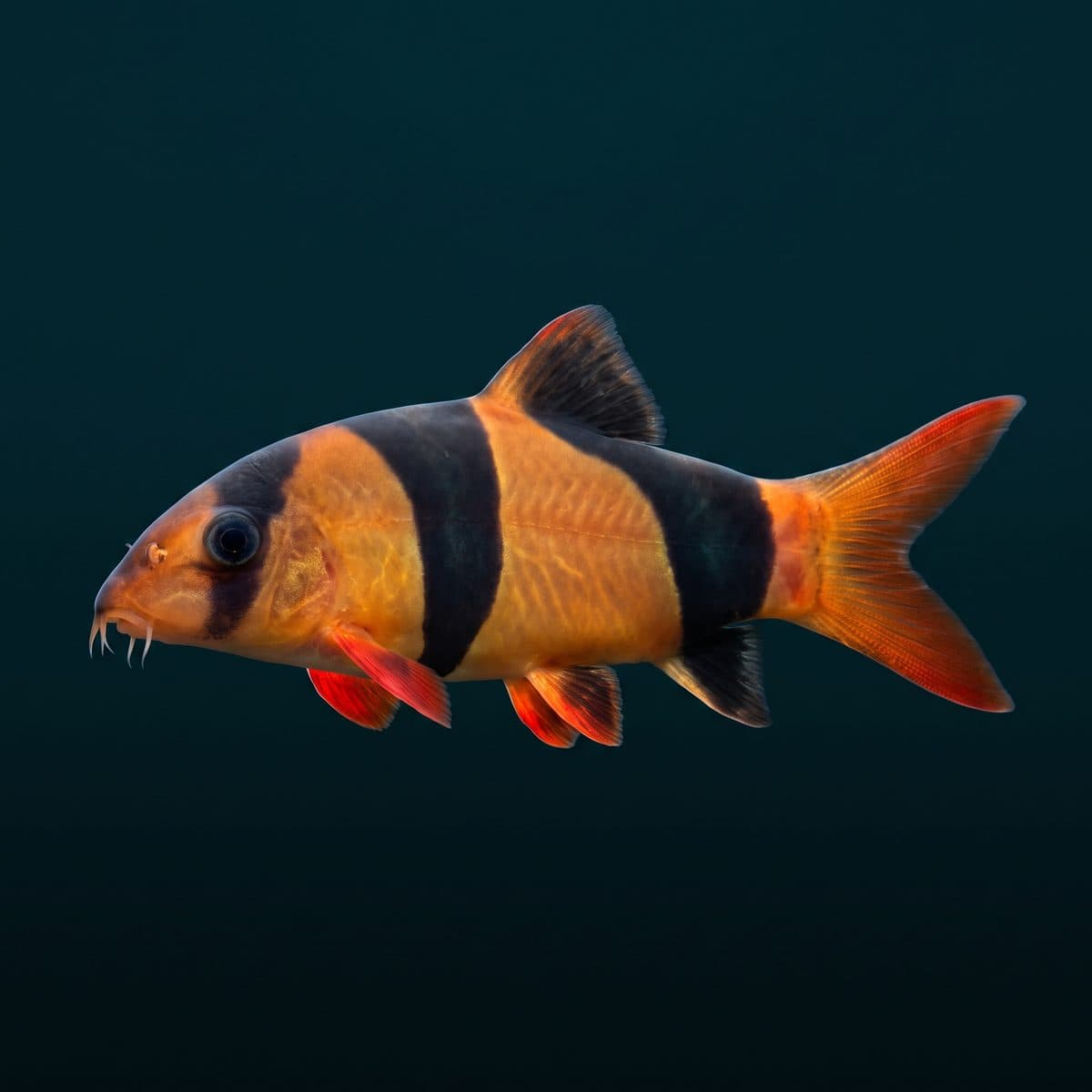
Chromobotia macracanthus
The Clown Loach is arguably the most beloved loach species in the freshwater aquarium hobby — a bold, sociable fish whose vivid orange-and-black banding and endearing behavioral quirks have earned it a devoted following among aquarists worldwide. Chromobotia macracanthus hails from the rivers and floodplains of Borneo and Sumatra, where it inhabits soft, acidic waterways rich in submerged wood and leaf litter. The Fish Collection sources our Clown Loaches from sustainable collection programs in Indonesia, selecting specimens that exhibit the deepest orange pigmentation and the sharpest black band definition — the visual hallmarks of a healthy, well-nourished fish.
Insulated, oxygen-packed transit · live-arrival guaranteed
Tank size
75+ gallons
Temperament
Peaceful
Voeding
Omnivore
Water
77–86°F · pH 6–7.5
Tell us what you're dreaming of — we'll reply with a price tailored to you.
Happy together
Not sure if this fish is right for you?
Our team will happily help you choose.
The Clown Loach is arguably the most beloved loach species in the freshwater aquarium hobby — a bold, sociable fish whose vivid orange-and-black banding and endearing behavioral quirks have earned it a devoted following among aquarists worldwide. Chromobotia macracanthus hails from the rivers and floodplains of Borneo and Sumatra, where it inhabits soft, acidic waterways rich in submerged wood and leaf litter. The Fish Collection sources our Clown Loaches from sustainable collection programs in Indonesia, selecting specimens that exhibit the deepest orange pigmentation and the sharpest black band definition — the visual hallmarks of a healthy, well-nourished fish.
What makes the Clown Loach such a compelling aquarium inhabitant goes far beyond its striking appearance. These are genuinely social fish that thrive in groups and display a repertoire of behaviors that keeps their keepers entertained for years. They play dead — lying motionless on their sides in a way that sends panicked new owners rushing to forums. They click audibly when excited or agitated, producing sounds with their pharyngeal teeth that are clearly audible outside the tank. They wedge themselves into impossibly tight spaces to sleep, stacking on top of one another in communal resting spots. Every Clown Loach keeper has a story about discovering their fish in some improbable location within the tank.
We strongly recommend keeping Clown Loaches in groups of five or more. Solitary specimens become reclusive and stressed, losing their color and spending excessive time hidden. In a properly sized group, the fish establish a loose social hierarchy and spend the majority of their active hours foraging together across the tank bottom. The minimum tank size for a group of juveniles is 75 gallons, but this must be upgraded as the fish grow. Clown Loaches are slow growers by tropical fish standards, but they ultimately reach 10 to 12 inches in captivity, necessitating a 150-gallon or larger tank for an adult group. Plan for the long term — these fish can live over 20 years.
Water parameters should mirror the species' Bornean origins. Temperature between 77 and 86 degrees Fahrenheit, pH between 6.0 and 7.5, and soft to moderately soft water provide ideal conditions. Clown Loaches are notoriously susceptible to ich (white spot disease), especially after transport or sudden temperature drops. We quarantine all our specimens and treat prophylactically before sale, but new owners should maintain stable temperatures and avoid sudden parameter swings during the critical first few weeks after arrival.
Diet is omnivorous and easy to satisfy. Clown Loaches are enthusiastic bottom feeders that accept sinking pellets, wafers, frozen bloodworms, brine shrimp, blanched vegetables, and — famously — snails. If you have a snail problem in any of your aquariums, a group of Clown Loaches will solve it with remarkable efficiency. Our specimens ship in insulated, oxygen-enriched bags with our standard live arrival guarantee.
Veelgestelde vragen
Expertbronnen
Soortgids
The Clown Loach (Chromobotia macracanthus) is one of the most beloved freshwater aquarium fish worldwide, cherished for its vivid orange-and-black banding, playful social behaviour, and impressive potential size of 30 cm or more. Native to the rivers of Borneo and Sumatra in Indonesia, this long-lived species demands a spacious tank, a social group of conspecifics, and careful attention to water quality. This guide covers every aspect of Clown Loach care — from tank setup and water chemistry to diet, breeding challenges, and disease prevention — informed by The Fish Collection's years of experience sourcing and maintaining these iconic fish.
Lees de volledige gids →Verzorgingsgids
A care guide covering the most popular loach species — clown loach, kuhli loach, dojo/weather loach, and yoyo loach. Covers their strong social needs, substrate requirements, feeding strategies for bottom-dwelling fish, and common health issues including ich susceptibility.
Lees verzorgingsgids →Misschien vindt u dit ook leuk
vanaf € 16,56
Indicative price