Advanced
3 left
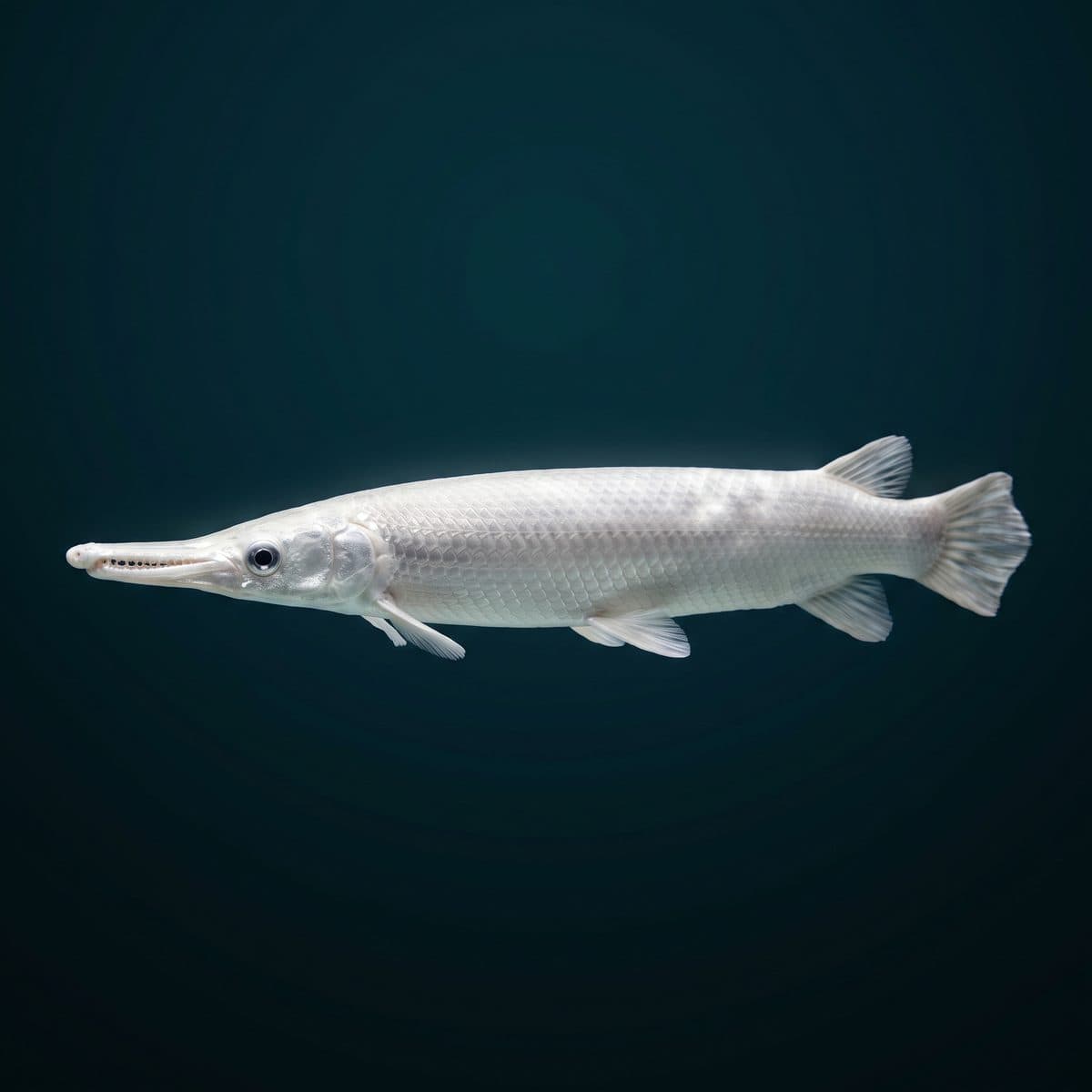
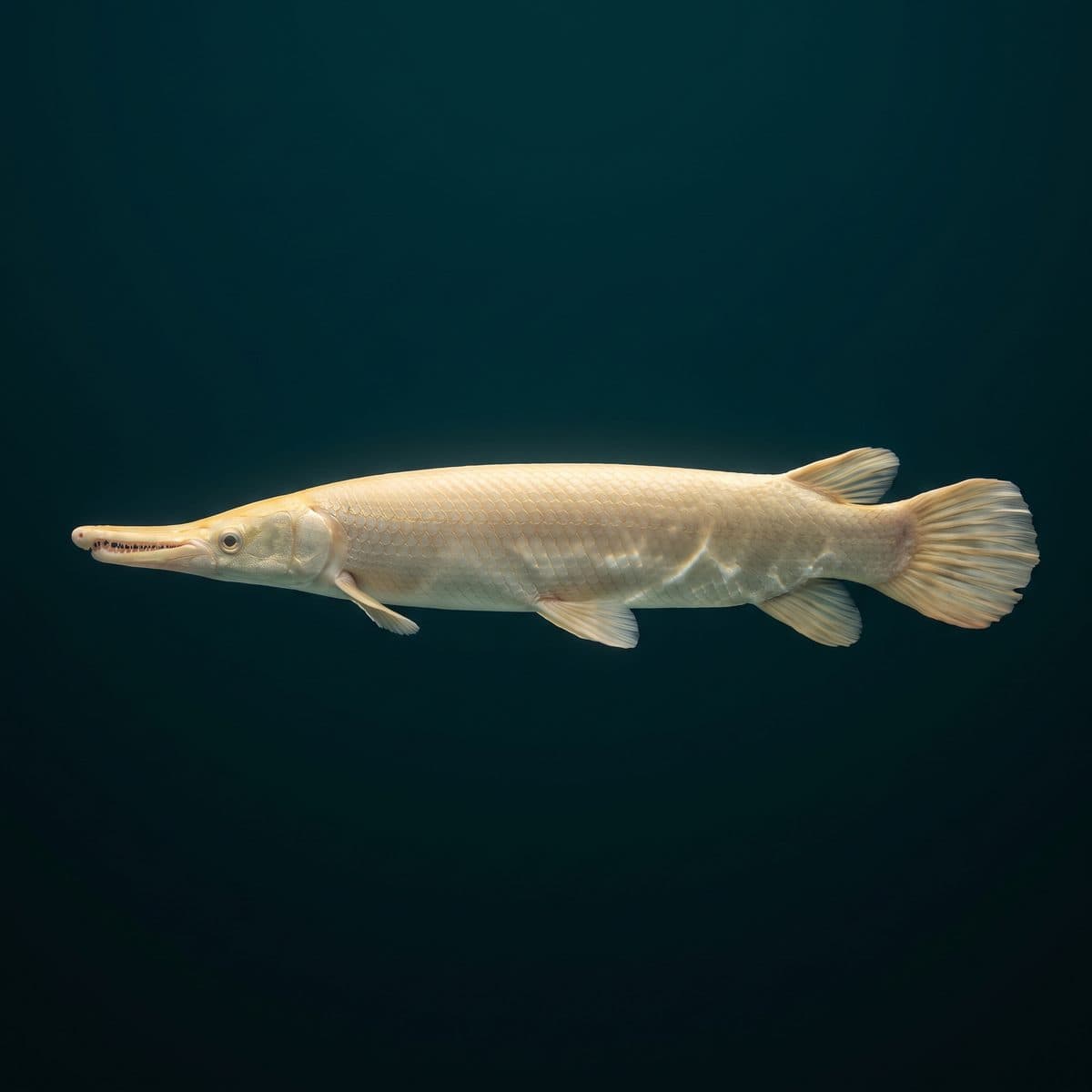
Albino Alligator Gar
Atractosteus spatula
R$ 8.946,00Get a quote
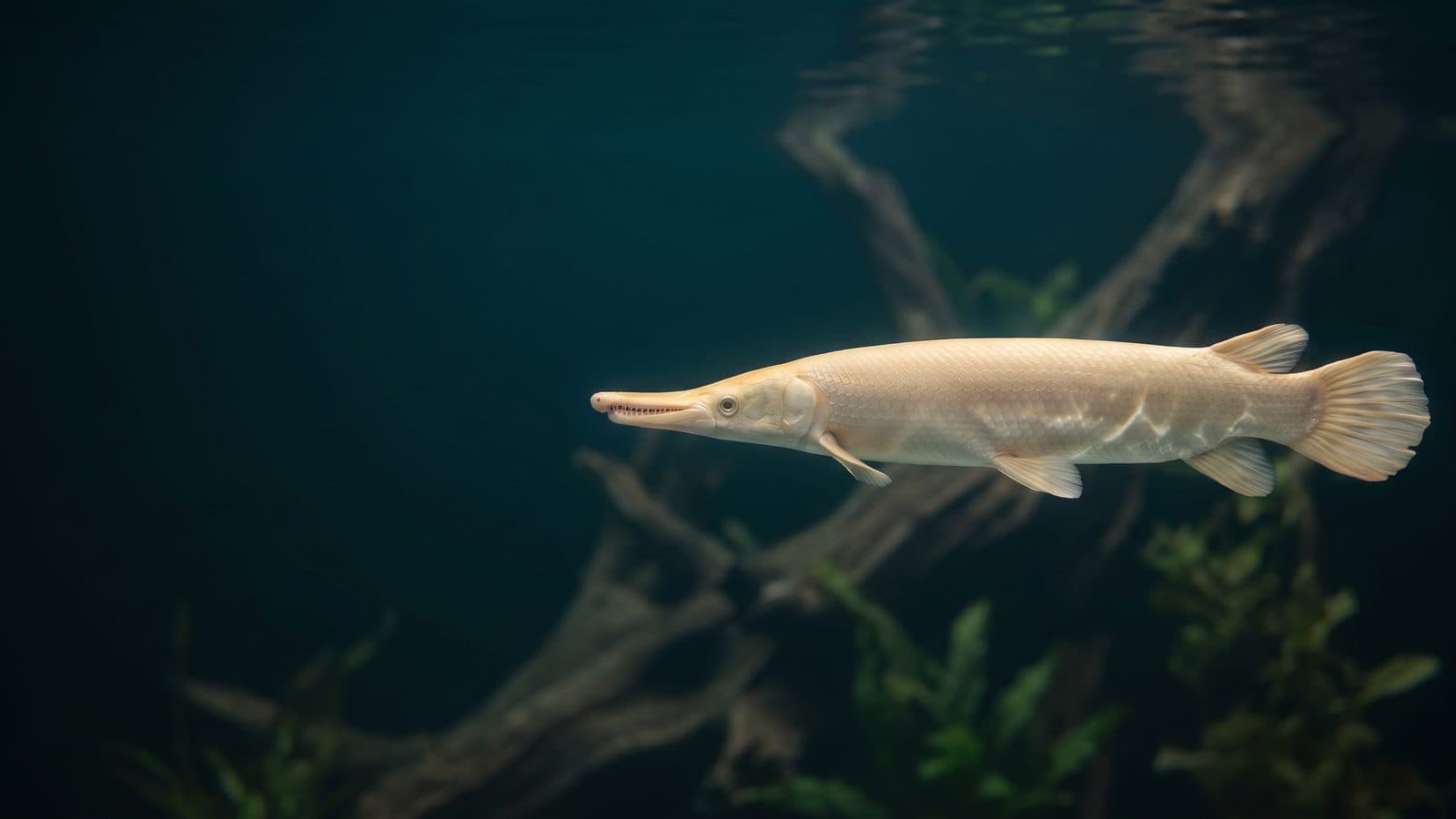
Living fossils that have remained virtually unchanged for 100 million years. Gar species command attention with their armoured scales and predatory elegance. 3 in stock now.
Gar are the aquarium hobby's truest living fossils. Their lineage stretches back over 100 million years to the Cretaceous period, and their ganoid scales — diamond-shaped, interlocking plates of enamel-like material — are virtually identical to those found in the fossil record. Keeping gar means maintaining a piece of evolutionary history in your home. For those searching for gar fish for sale, these prehistoric predators offer a profoundly different fishkeeping experience from anything else available.
The family Lepisosteidae comprises seven living species, all native to North and Central America. The most commonly kept aquarium species include the Spotted Gar (Lepisosteus oculatus), Florida Gar (Lepisosteus platyrhincus), Shortnose Gar (Lepisosteus platostomus), and the legendary Alligator Gar (Atractosteus spatula) — the largest freshwater fish in North America, capable of exceeding 8 feet and 300 pounds in the wild. In aquariums, even "smaller" species like the Spotted Gar reach 2-3 feet, and Alligator Gar commonly reach 4-6 feet in captivity. The extremely rare Albino Alligator Gar, with its ghost-white body and red eyes, is one of the most sought-after specimens in the entire hobby.
Gar are armoured fish, so external health assessment focuses on different indicators than with typical species. Check the snout for alignment — a bent or crooked snout can indicate prior injury and may affect feeding. Scales should be intact and tightly fitted without gaps, discoloration, or raised edges. Healthy gar hover near the surface with slow, deliberate movements and will snap at food with speed and precision. Avoid specimens with cloudy eyes, laboured breathing, or difficulty maintaining buoyancy. Since gar are air breathers with a vascularised swim bladder, they will periodically gulp air at the surface — this is normal, not a sign of distress.
Gar need long, wide aquariums that accommodate their elongated bodies. A juvenile Spotted Gar can start in a 125-gallon tank, but adults require 300 gallons or more. Alligator Gar are realistically suited only for custom-built tanks, indoor ponds, or public aquarium settings, as they need thousands of gallons at maturity. Water conditions are flexible — gar tolerate a wide pH range (6.5-8.0) and temperatures from 60-82 degrees Fahrenheit, reflecting their broad native distribution. Filtration should be powerful, and a secure lid is mandatory, as gar can jump and their bony snout can crack glass if startled against it.
Our gar are captive-bred specimens from dedicated breeding programmes, not wild-caught animals stripped from native ecosystems. Every fish is raised on a diet of quality frozen and live foods, quarantined, and health-assessed before being offered for sale. We provide honest guidance on the long-term space requirements for each species — if your setup is not adequate, we will tell you before you buy. Our Albino Alligator Gar specimens are among the rarest offerings in our entire catalogue, sourced from a single breeding facility with verified albino genetics. Free insulated shipping and live arrival guarantee are standard on every order.
Recursos Especializados
Guia da Espécie
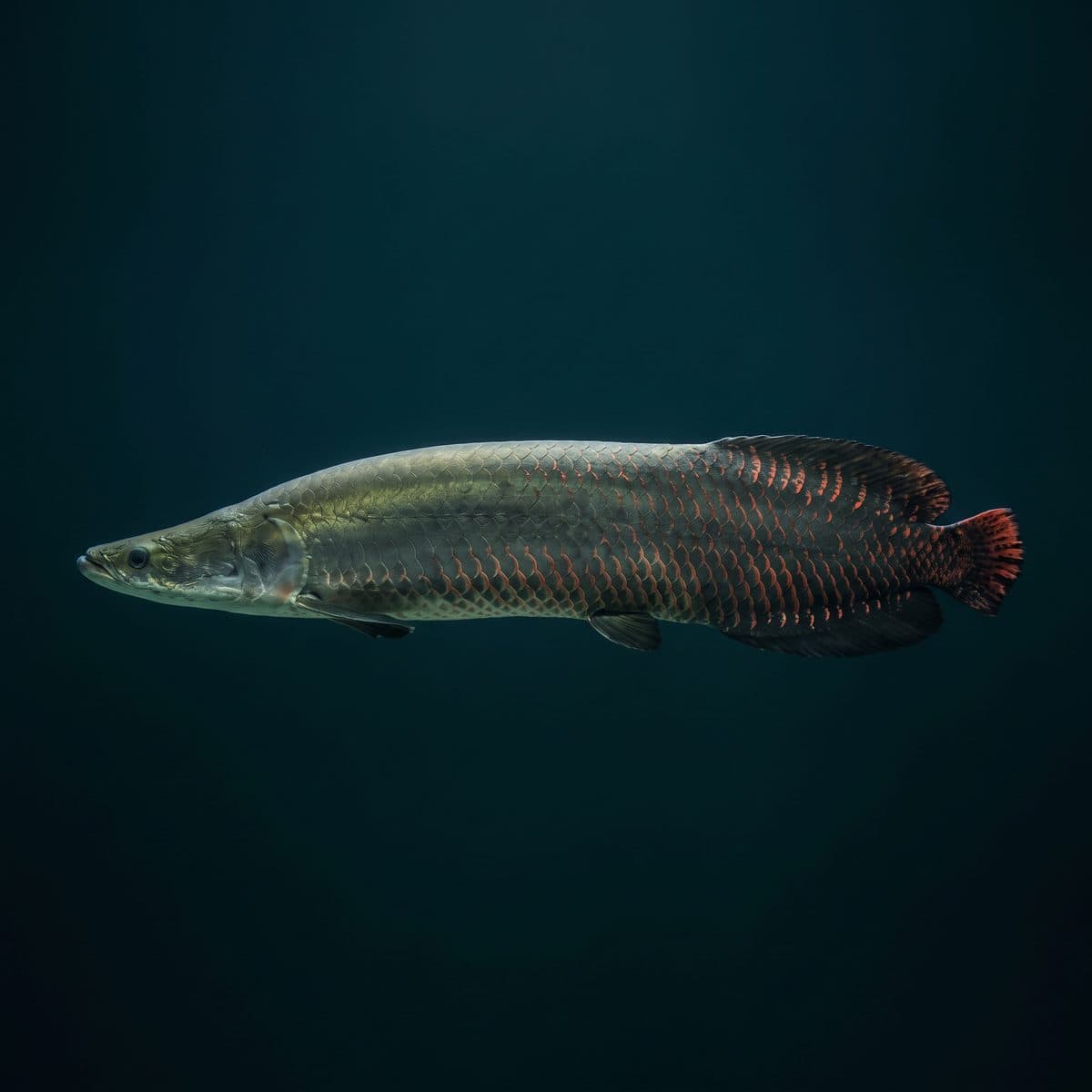
Arapaima gigas
The Arapaima (Arapaima gigas) is the largest scaled freshwater fish on Earth, with wild specimens exceeding 3 metres and 200 kg. A living fossil whose lineage predates the breakup of Gondwana, it is an obligate air breather that surfaces every 10–20 minutes to gulp atmospheric air through a modified swim bladder. For the ultrarare private aquarist with the resources to maintain a heated indoor pond, the Arapaima is the ultimate display specimen — a prehistoric leviathan that eats from the hand and recognises its keeper. This The Fish Collection guide covers the full spectrum of Arapaima husbandry, from legal compliance and pond construction to diet protocols and disease prevention, drawing on our consultation work with private collectors and public aquaria across three continents.
Leia o Guia →Guia da Espécie
Atractosteus spatula
The Alligator Gar (Atractosteus spatula) is the largest species in the gar family and one of the largest freshwater fish in North America, capable of exceeding 3 metres (10 feet) in length and 140 kg (300 lb) in the wild. Named for its broad, alligator-like snout and double row of upper teeth, this prehistoric predator belongs to a lineage dating back over 100 million years. While their ancient lineage and imposing appearance make them fascinating aquarium subjects, their extreme adult size means they are only suitable for keepers with custom-built facilities. This guide covers the species' biology, care requirements, legal considerations, and realistic expectations for private keeping.
Leia o Guia →Guia da Espécie
Lepisosteus spp.
The term "Platinum Gar" refers to leucistic, xanthic, or albino colour variants of various gar species — most commonly the Florida Gar (Lepisosteus platyrhincus), Spotted Gar (Lepisosteus oculatus), or Shortnose Gar (Lepisosteus platostomus). These colour morphs produce striking silver-white, cream, or gold-toned fish that contrast dramatically with the typical dark olive-and-spotted wild-type appearance. Highly prized by collectors and monster-fish enthusiasts, Platinum Gar command premium prices and are among the most sought-after colour morphs in the predatory fish hobby.
Leia o Guia →Guia de Cuidados
A care guide for gar species (family Lepisosteidae) in the home aquarium and pond, covering alligator gar, spotted gar, longnose gar, and Florida gar. These prehistoric predators require enormous tanks, specialised feeding, and decades of commitment.
Leia o Guia →Continue Explorando