Compatibility Overview
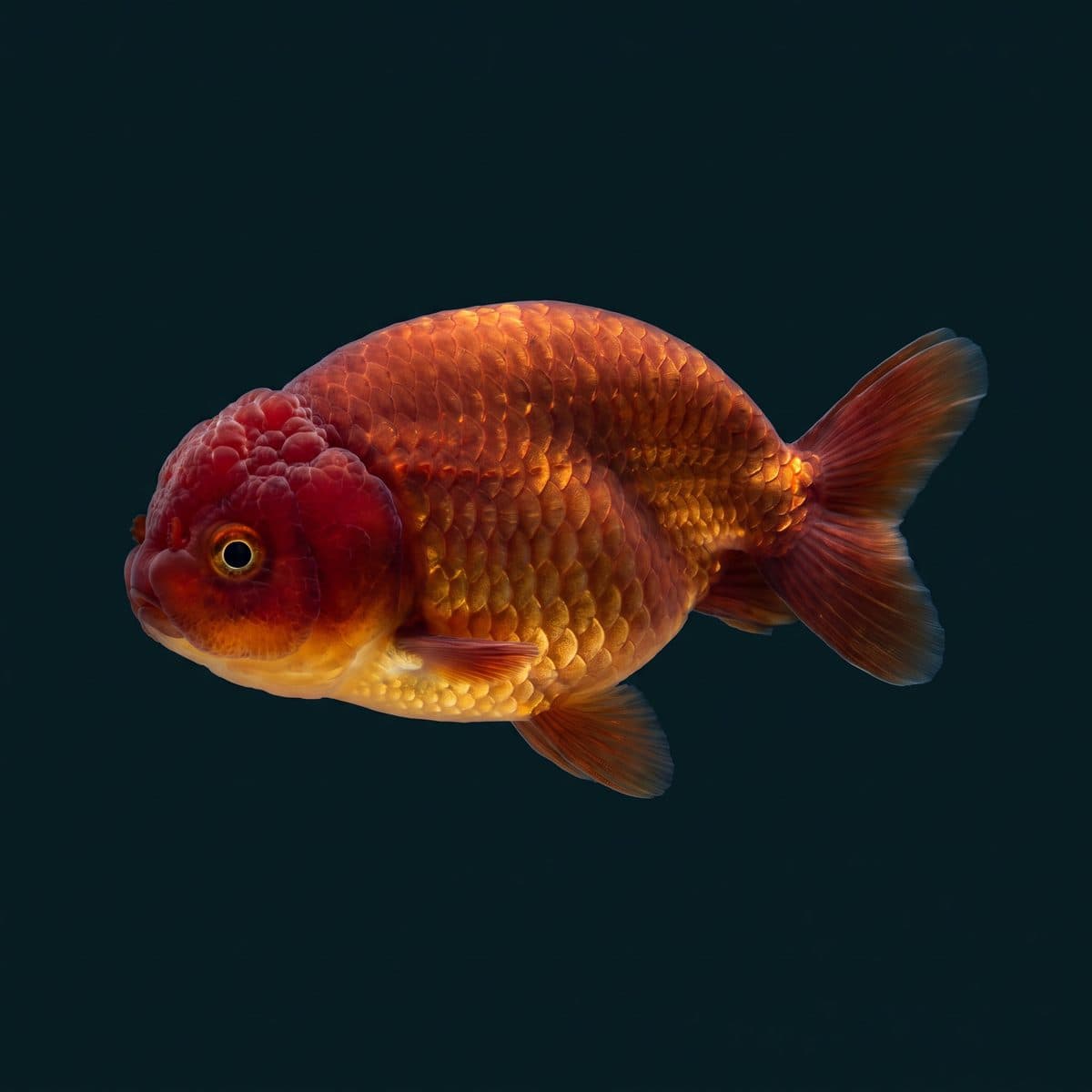
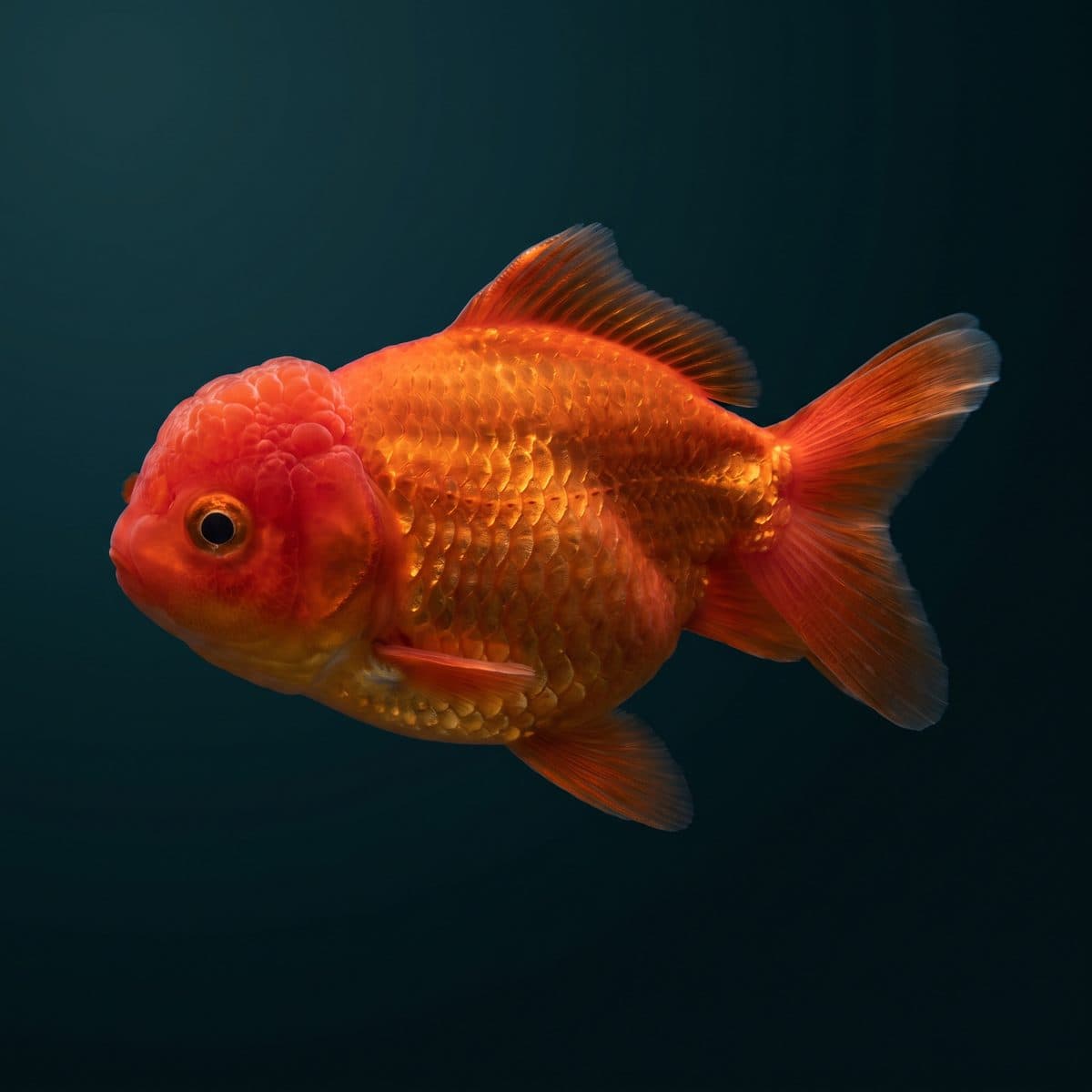
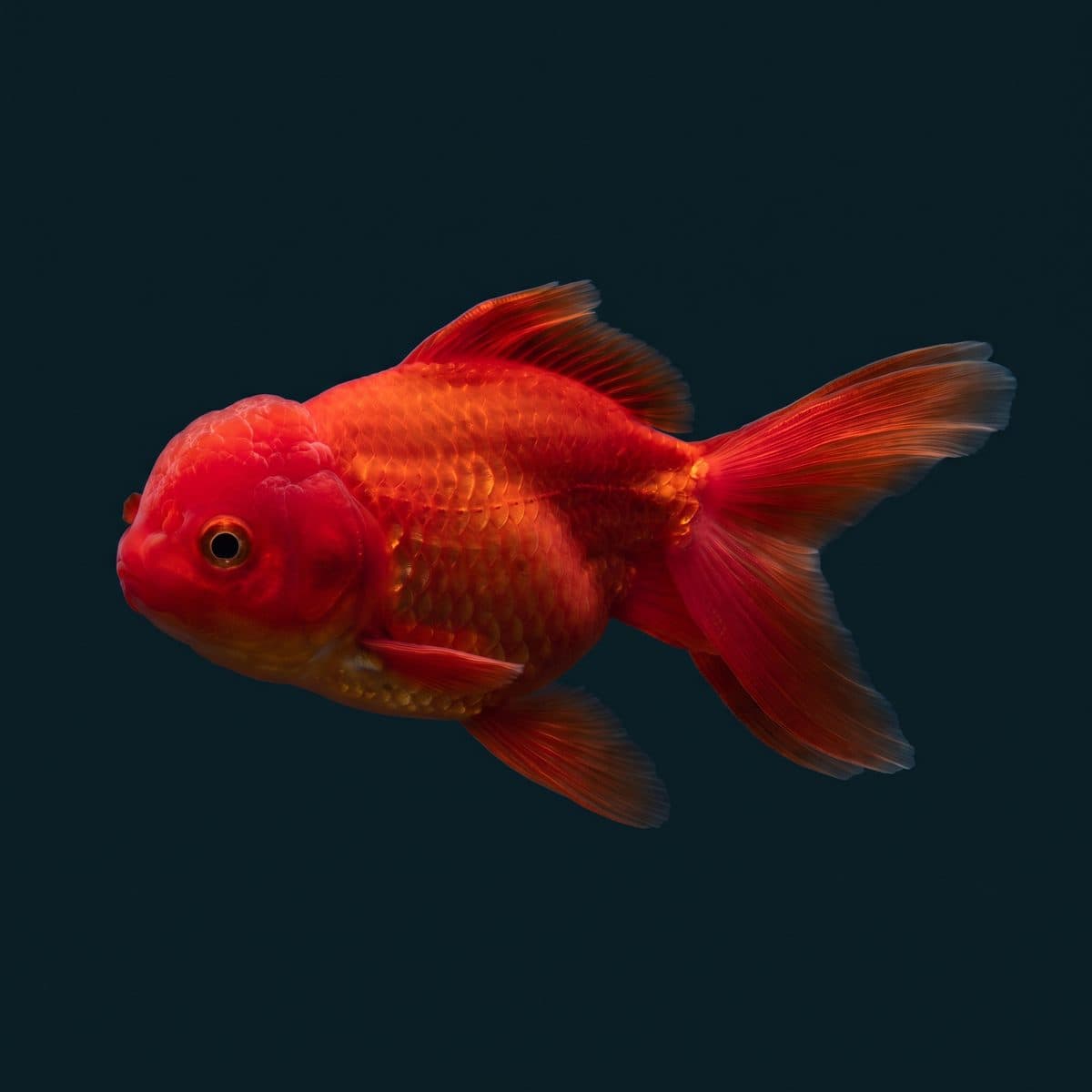
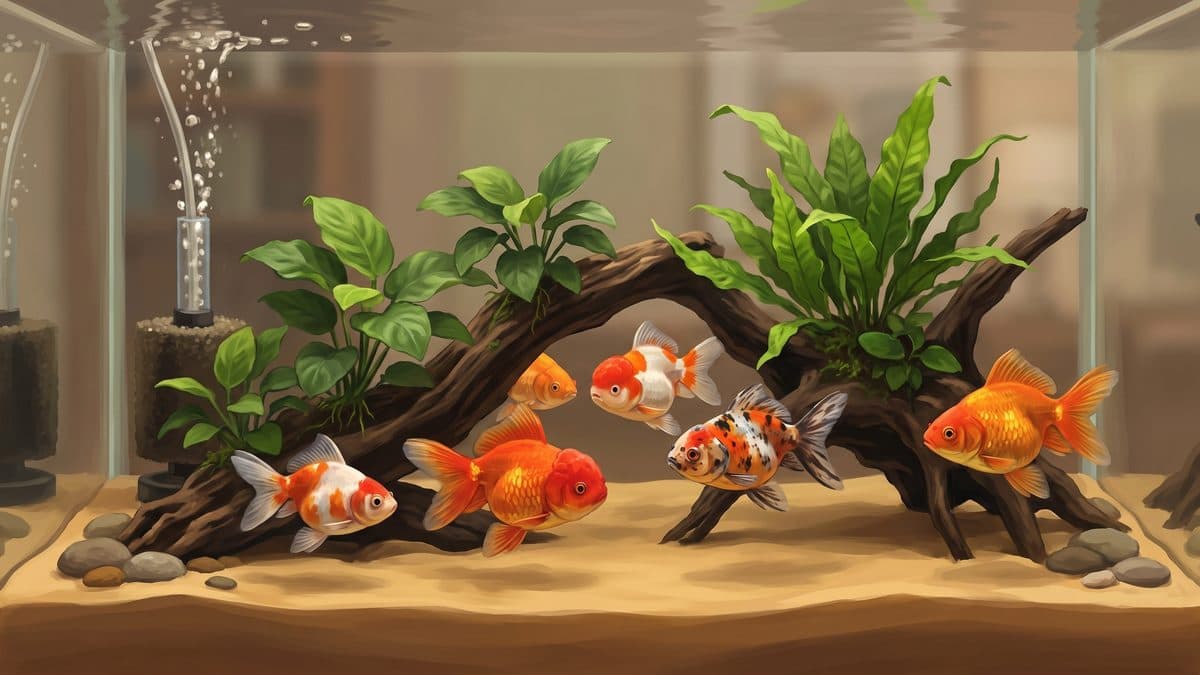
Goldfish compatibility is defined by two factors: temperature and swimming ability. Goldfish need cold water (65–72 °F), ruling out most tropical species. Fancy goldfish are slow, clumsy swimmers that cannot compete with fast fish for food. The cardinal rule: never mix fancy goldfish (ranchu, oranda, telescope) with single-tail goldfish (comet, shubunkin) — the single-tails will outcompete fancies for food and may bully them.
Best Tank Mates for Fancy Goldfish
- Other fancy goldfish — the safest and most recommended option
- Dojo/Weather Loach (Misgurnus anguillicaudatus) — cold-tolerant, peaceful, playful bottom-dweller
- Bristlenose Pleco — can work in setups kept at 68 °F+ (their lower comfort zone). Provides algae control.
- White Cloud Mountain Minnows — cold-water schooling fish, fast enough to avoid being eaten once adult-sized
- Rosy Barbs — cold-tolerant (down to 64 °F), active, and too deep-bodied for goldfish to eat
Best Tank Mates for Single-Tail Goldfish
- Other single-tail goldfish (comets, shubunkins)
- Koi — in ponds. Same temperature, compatible temperament. May hybridise.
- Dojo Loach — works in both tank and pond settings
- Rosy Barbs — fast and cold-tolerant
Species to Avoid
- Tropical fish (bettas, tetras, angels) — wrong temperature range
- Plecos (except Bristlenose) — Common Plecos grow too large and may rasp on goldfish slime coat
- Cichlids — too aggressive, wrong temperature
- Small shrimp (cherry shrimp, amano) — goldfish will eat them
- Corydoras — often suggested but need warmer water (72–79 °F) than goldfish prefer
Snails and Invertebrates
Nerite Snails are the best invertebrate companions — cold-tolerant, excellent algae grazers, and their eggs won't hatch in freshwater. Mystery Snails work but goldfish may nip their antennae. Japanese Trapdoor Snails are cold-hardy and pond-compatible. Avoid small snails (ramshorn, bladder) — goldfish will eat them enthusiastically.
Temperature — The Deal-Breaker
Nearly every failed goldfish pairing traces back to one number. Goldfish belong at 65–72 °F; most tropical fish belong at 75–82 °F. At a "compromise" of 74 °F, nobody is actually comfortable — the goldfish runs a chronically elevated metabolism (shortening its lifespan and multiplying its waste output) while the tropical fish sits at the cold edge of its tolerance with a suppressed immune system. Both survive. Neither thrives. And you'll watch it happen in slow motion, as vague ill-health over months rather than any dramatic failure.
| Candidate | Preferred Range | Verdict with Goldfish |
|---|---|---|
| White Cloud Mountain Minnow | 60–72 °F | Yes — full overlap |
| Dojo Loach | 60–75 °F | Yes — ideal match |
| Rosy Barb | 64–72 °F | Yes, in groups of 6+ |
| Bristlenose Pleco | 68–80 °F | Borderline — hold the tank at 68–72 °F |
| Peppered Corydoras | 68–78 °F | Compromise — workable, not ideal |
| Betta, tetras, most tropicals | 75–82 °F | No — the ranges barely touch |
When in doubt, run the overlap test: if a candidate's happy range doesn't share at least 4 degrees with 65–72 °F, it's not a goldfish tank mate — whatever the store label implies.
Bioload Math Before You Add Anything
Goldfish produce more waste than nearly any aquarium fish their size — stomachless grazing machines that process food all day. That's why tank mate planning starts with an honest stocking audit, not a wish list.
Work it in this order:
- House the goldfish first: 30 gallons for the first fancy plus 10 per additional fancy (40 plus 20 each for single-tails). Already at those numbers? Your tank is fully stocked — full stop.
- Add headroom for company: a school of 8 White Clouds or a Dojo Loach needs another 10–15 gallons of genuine capacity beyond the goldfish baseline.
- Check filtration honestly: 10× turnover is the goldfish standard. If your filter is rated lower, upgrade it before adding a single fish.
- Watch the nitrate trend for a month after any addition. If weekly readings creep upward despite your normal water changes, the bioload has outrun the system — that's a stop sign, not a phase.
A practical example: a 40-gallon breeder with two young fancies has room for one school of White Clouds and a Nerite or two. That's it. The dream community of loaches, barbs, plecos, and goldfish "in a 55" needs to actually be a 75–90 gallon tank.
Quarantine Every New Tank Mate
The uncomfortable truth about adding "just a few minnows": every new fish is a potential disease delivery system, and goldfish — farmed at enormous densities — have little resistance to novel parasites. Ich, gill flukes, and costia routinely arrive on healthy-looking newcomers.
The insurance policy is cheap and simple:
- A 10–20 gallon tank with a cycled sponge filter, a lid, and no substrate. Under 100 dollars, reusable forever.
- Hold every new fish 3–4 weeks. Watch for flashing (scratching against objects), white spots, clamped fins, stringy faeces, and weight loss.
- Wild-caught or pond-raised fish — Dojo Loaches especially — deserve a prophylactic praziquantel course during the stay; flukes are near-universal in loaches from open systems.
- Use separate nets and buckets for the quarantine tank, or you've quarantined nothing.
Three weeks of patience versus medicating a 55-gallon display full of stressed goldfish — it's not a close call.
Introductions and What to Watch
Once quarantine clears, add new tank mates on a water-change day with the lights dimmed, and feed everyone immediately — distracted fish make peaceful neighbours. Then monitor deliberately for the first two weeks:
- Nipping runs both directions. Rosy Barbs in too-small groups will test flowing fancy fins; goldfish will harass anything slow enough to catch. Fin damage that appears overnight has a culprit — watch at feeding time to identify it.
- Count who actually eats. Fancies are the slowest feeders in any mixed tank. If the White Clouds strip the surface before your Oranda arrives, switch to sinking gel food delivered at opposite corners.
- Shield the delicate varieties. Telescopes, Bubble Eyes, and Celestials are poor candidates for any company beyond their own kind — protruding eyes and fluid sacs invite investigation and injury.
- Reassess as everyone grows. A pairing that worked at 2 inches can fail at 6 — a large adult goldfish can and will eat a full-grown White Cloud on the wrong day. Nothing under about 1.5 inches belongs with adult goldfish.
And keep perspective: a goldfish-only tank isn't a failure state. Goldfish are social with their own kind and endlessly watchable, and most additions bring more risk than richness. Add tank mates because you genuinely want those species — not because the tank looks "empty" between feedings.