Overview
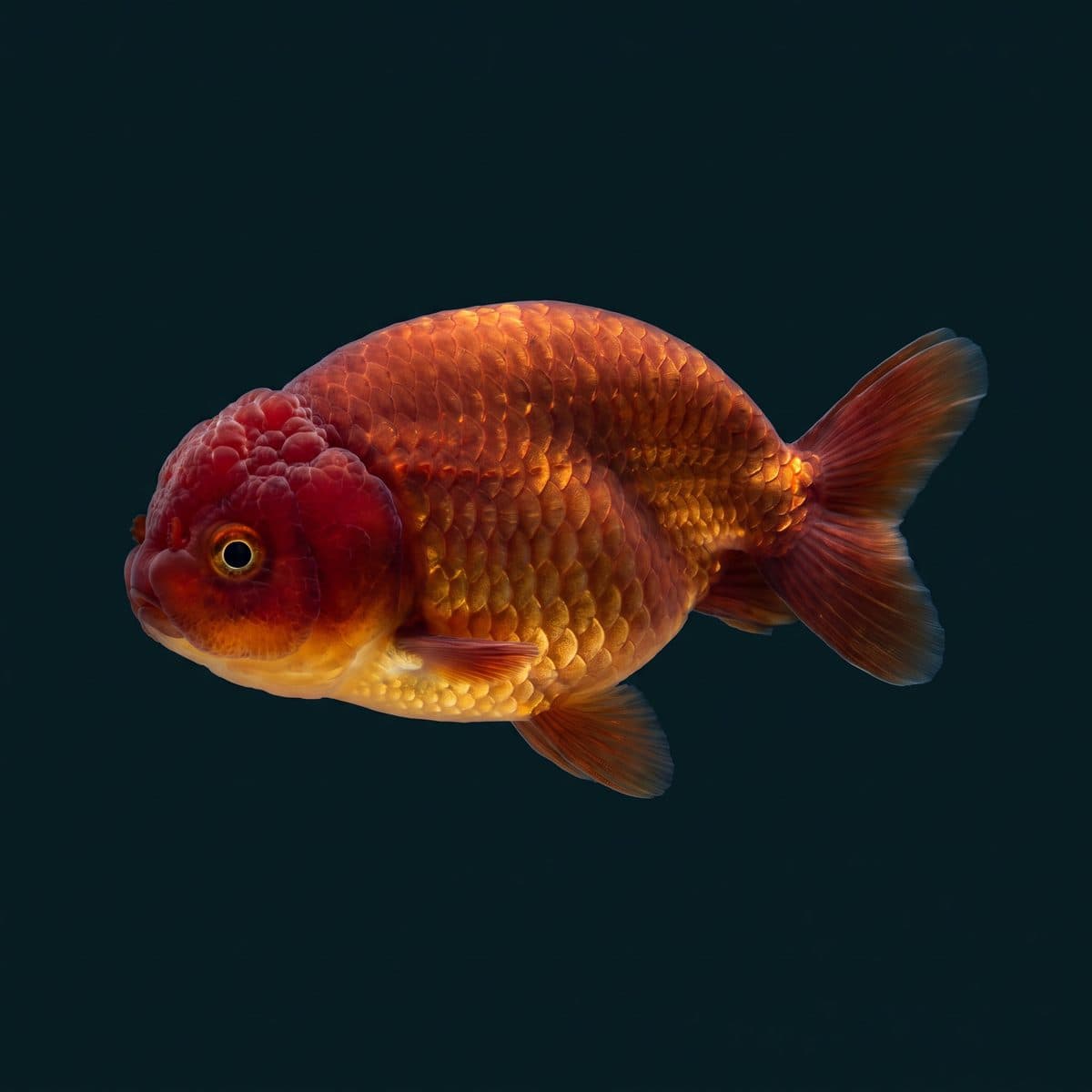
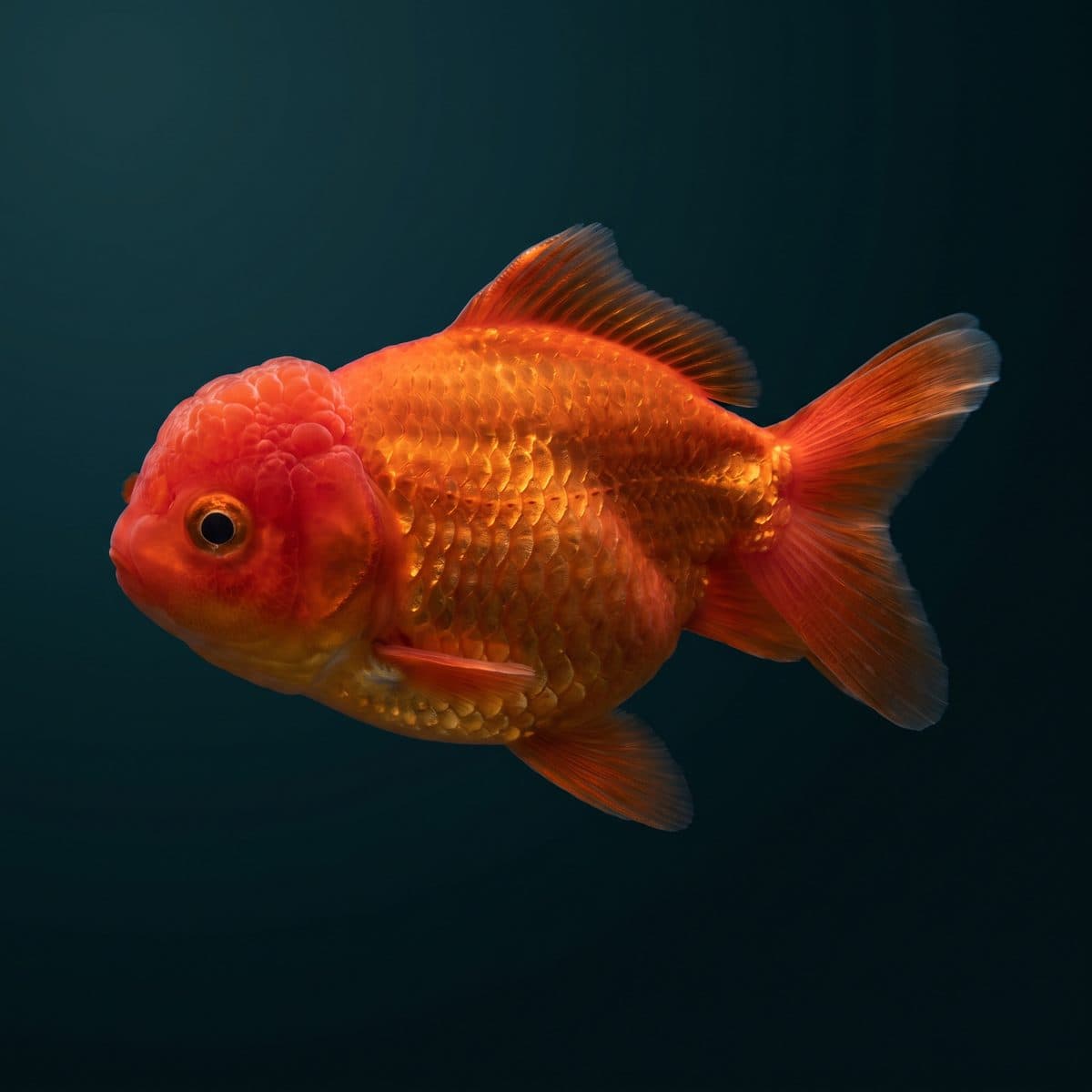
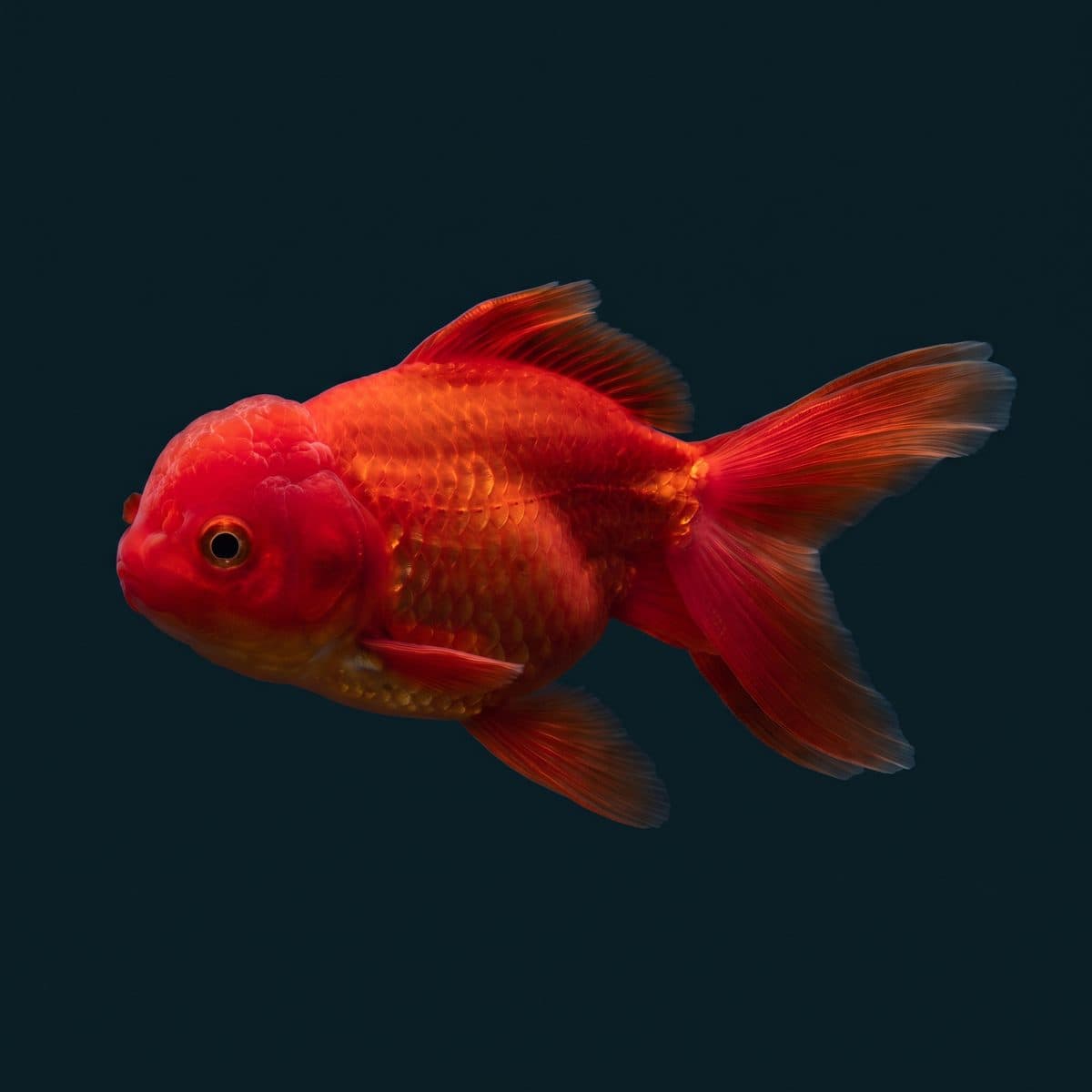
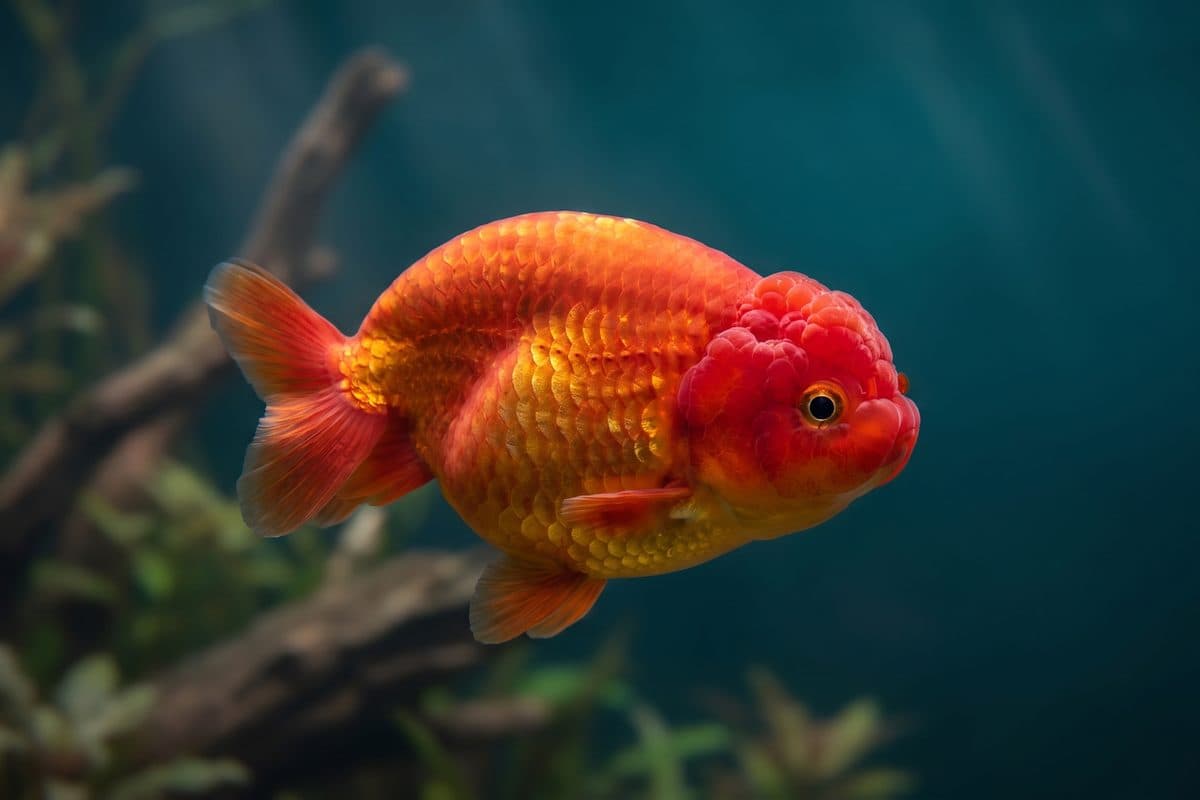
The Ranchu (Carassius auratus, Ranchu variety) stands at the apex of Japanese goldfish culture — a living testament to centuries of selective breeding in pursuit of an exacting aesthetic ideal. Unlike Western fancy goldfish varieties that prioritise flamboyant finnage or exotic colour patterns, the Ranchu is judged on structural perfection: the curvature of its dorsalless back, the fullness and symmetry of its head growth (wen), the tuck of its tail, and the dignified, unhurried quality of its swimming gait.
In Japan, Ranchu keeping is a serious pursuit with a formalised competitive circuit, regional judging associations, and lineage records that trace prize-winning bloodlines across decades. The most prestigious events — such as the All Japan Ranchu Show — attract breeders who have dedicated their lives to perfecting specific traits. A single top-grade show Ranchu from a renowned breeder can sell for ¥500,000–¥2,000,000 (£2,500–£10,000) and occasionally far more.
At The Fish Collection, we import Ranchu directly from established Japanese breeders as well as the increasingly respected Thai and Chinese breeding programmes. This guide is written for keepers who want to understand and provide for this variety at the highest level — whether your goal is competitive showing, breeding, or simply keeping one of the most beautiful freshwater fish ever developed.
History & Origins
The Ranchu's lineage traces to the Maruko, an early dorsalless goldfish variety developed in China during the late Ming Dynasty (16th–17th century). Chinese Maruko were introduced to Japan in the early Edo period, where Japanese breeders — particularly in Osaka and later Tokyo — began a centuries-long programme of selective refinement that would produce the modern Ranchu.
The name "Ranchu" itself is believed to derive from a corruption of the Chinese word for the variety, though the etymology is debated. What is not debated is the Japanese contribution to the breed: by the Meiji era (1868–1912), the Ranchu had been refined into a distinctly Japanese form that bore little resemblance to its Chinese ancestors. The formation of the Japanese Ranchu Association in 1958 formalised judging standards and established the competitive framework that persists today.
The Chinese equivalent — the Lionhead — shares a common ancestor with the Ranchu but has diverged significantly. Lionheads typically have a straighter back profile, less tightly tucked tail, and more voluminous wen growth, particularly around the gill plates. While both varieties are dorsalless with prominent head growth, experienced hobbyists can distinguish them immediately by silhouette alone.
Body Conformation & Judging Standards
Japanese Ranchu judging evaluates four primary categories, each weighted approximately equally:
- Back curvature (funtan): The ideal Ranchu back forms a smooth, unbroken arch from the base of the skull to the tail tuck, with no flat spots, bumps, or angular breaks. When viewed from above (top-view, the traditional Japanese judging perspective), the back should be broad and evenly convex. This smooth curve is perhaps the single most difficult trait to breed consistently.
- Wen (head growth): The wen should be symmetrical, firmly textured, and well-proportioned to the body. It should cover the cranial region and extend to the cheeks (called "funtan" when the cheek growth is particularly prominent) without obstructing the eyes or gills. Excessive wen growth that covers the eyes — while visually impressive to casual observers — is actually penalised in Japanese judging because it impairs the fish's quality of life.
- Tail tuck and peduncle: The caudal peduncle should angle sharply downward (approximately 45 degrees from the back line), and the tail fins should be held at a clean angle without drooping or twisting. When viewed from above, the tail should be symmetrical and spread evenly. The junction between the peduncle and the tail fin — the "tuck" — is a critical detail that separates show-quality fish from pet-grade specimens.
- Swimming gait and overall impression: A top Ranchu moves with a characteristic waddling gait — dignified, unhurried, and balanced. Fish that list to one side, swim nose-down, or move erratically are penalised regardless of their structural merits. The overall impression should convey power, balance, and composure.
Colour is appreciated but secondary to form in traditional Japanese judging. Red-and-white (sarasa) patterns are classic, but solid red, solid white, calico, and even chocolate/brown specimens compete on equal structural footing. The Thai and Chinese competitive circuits place somewhat more emphasis on colour intensity and pattern balance.
Tank Requirements
Ranchu are not strong swimmers, and their dorsalless, round body makes them vulnerable to current, sharp decorations, and boisterous tank mates. A minimum 30-gallon (115 L) tank is required for a single adult, with 10–15 additional gallons per extra fish. A 55-gallon (210 L) tank comfortably houses three adults.
Japanese breeders traditionally keep Ranchu in shallow, wide tubs or ponds — often concrete or fibreglass vessels 30–40 cm deep with maximum floor space. This top-view orientation not only matches the traditional judging perspective but also provides the ideal environment for the fish: ample horizontal swimming space with minimal depth. For indoor aquarium keepers, a standard rectangular tank (not a tall or bow-front design) is best.
Substrate should be fine sand or bare bottom. Gravel poses an impaction risk, as Ranchu are inveterate substrate foragers. Decorations should be smooth and rounded — no sharp driftwood, rough rocks, or plastic plants that could tear the delicate wen tissue. Smooth river stones, silk plants, and simple terracotta pots are safe choices.
Filtration must be robust yet gentle. Ranchu produce significant waste relative to their body size (as do all goldfish), demanding strong biological filtration. However, the output must be baffled to avoid creating currents that fatigue these weak swimmers. A sponge filter combined with a canister filter (spray bar directed along the back glass) is an effective combination for tanks up to 75 gallons. For larger systems, a sump with a low-flow return is ideal.
Water Parameters
Ranchu are temperate fish that thrive in cooler water than most tropical species:
- Temperature: 18–22 °C (65–72 °F) for maintenance. Brief periods at 24 °C (75 °F) are tolerable but not ideal for long-term keeping. For breeding conditioning, a winter cool-down to 12–15 °C (54–59 °F) for 6–8 weeks is beneficial.
- pH: 7.0–8.0. Goldfish prefer neutral-to-slightly-alkaline conditions. Most municipal tap water, once dechlorinated, falls within this range.
- General Hardness (GH): 6–16 dGH. Moderate hardness supports scale integrity and wen development.
- Ammonia / Nitrite: 0 ppm — always. Goldfish are heavy waste producers; the biological filter must be mature and adequately sized.
- Nitrate: Below 20 ppm. Weekly water changes of 30–50% are typical for stocked Ranchu tanks. Many serious breeders perform 50–80% daily water changes in grow-out tubs to maximise growth rate and wen development.
Water change discipline is arguably the single most important factor in Ranchu keeping. Japanese breeders are famous for their near-obsessive water change regimes, and the correlation between water quality and fish quality is direct and unmistakable. If you are serious about Ranchu, invest in a Python-style water changer or an automatic drip system that makes large, frequent water changes effortless.
Diet & Feeding
Ranchu are omnivores with a digestive system that favours plant matter and small invertebrates over high-protein diets. Unlike predatory species, goldfish have no true stomach — food passes directly into the intestine, making them prone to digestive issues when fed inappropriate foods.
A balanced Ranchu diet includes:
- Sinking pellets: High-quality goldfish pellets (Hikari Lionhead, Saki-Hikari Fancy Goldfish, or Northfin Goldfish Formula) should form the dietary staple. Sinking pellets are preferred over floating varieties to reduce air ingestion, which contributes to swim bladder issues in round-bodied goldfish.
- Gel food: Repashy Super Gold or homemade gel food blends provide excellent nutrition in a form that goldfish find highly palatable. Gel foods can be customised with spirulina, garlic, and vitamin supplements.
- Vegetables: Blanched peas (shelled), spinach, zucchini, and cucumber provide fibre that supports digestive health. Peas are particularly valuable as a digestive aid — many experienced keepers feed shelled peas exclusively one day per week.
- Protein treats (2–3 times per week): Bloodworms, brine shrimp, daphnia, and chopped earthworms. These should supplement, not replace, the plant-based staple.
Feed two to three times daily in small portions that are consumed within two minutes. Overfeeding is the leading dietary error and contributes directly to swim bladder disorder, fatty liver disease, and water quality degradation. Fasting one day per week supports digestive health.
Wen Development
The wen — the fleshy head growth that defines the Ranchu's appearance — is a genetically determined trait whose full expression depends on environmental conditions. Genetics set the ceiling; husbandry determines how close the fish reaches it.
Key factors that promote wen development:
- Water quality: Pristine water with near-zero nitrate. Japanese breeders performing 50–80% daily water changes in grow-out tubs consistently produce fish with superior wen development compared to those maintained on weekly change schedules.
- Diet: A protein-rich diet during the juvenile growth phase (6–18 months) supports wen growth. Bloodworms, brine shrimp, and high-protein gel foods are emphasised during this period, with a gradual shift toward a more plant-based maintenance diet after the fish reaches maturity.
- Temperature: Moderate warmth (20–24 °C) during the growth phase accelerates wen development. Some breeders maintain grow-out tanks at the higher end of the safe range specifically to push wen growth.
- Genetics: No amount of perfect husbandry will produce a champion wen on a fish with mediocre genetics. Source breeding stock from reputable breeders with proven lineages.
Wen growth typically becomes visible at 3–6 months of age and continues developing until the fish is 2–3 years old, after which it stabilises. The wen requires periodic inspection for bacterial or fungal infection, as the folds can trap debris and pathogens. Gently swabbing the wen with a cotton bud dipped in clean tank water during routine handling can help keep the tissue healthy.
Breeding
Ranchu breeding is a numbers game that demands patience, space, and the willingness to cull aggressively. From a single spawning of 1,000–3,000 eggs, a Japanese breeder may retain only 20–50 fish after the first cull at 4–6 weeks, and ultimately select just 3–5 specimens as potential show or breeding stock from the entire season's production.
Breeding condition is triggered by a winter rest period: reduce the temperature to 12–15 °C (54–59 °F) for 6–8 weeks, feeding sparingly. As temperatures rise to 18–20 °C in spring, condition the pair with protein-rich foods. Males develop breeding tubercles (small white spots on the gill plates and pectoral fin rays) that distinguish them from females. Spawning occurs in the early morning; the male chases the female vigorously, and she releases adhesive eggs onto spawning mops or dense plant material.
Remove the parents immediately after spawning. Eggs hatch in 4–7 days at 20 °C. Fry require infusoria or liquid fry food for the first week, graduating to freshly hatched brine shrimp by day 7–10. The first cull occurs at 4–6 weeks: remove any fry with dorsal fin remnants, severely kinked spines, or grossly asymmetrical tails. Subsequent culls at 8 weeks and 12 weeks refine the selection further. This culling process is integral to Ranchu breeding and is practiced universally by serious breeders — retaining all offspring would result in generations of declining quality.
Common Health Issues
Swim bladder disorder is the most prevalent health issue in Ranchu and all round-bodied fancy goldfish. The compressed body shape displaces the swim bladder, making these fish inherently prone to buoyancy problems. Symptoms include floating at the surface, sinking to the bottom, or swimming at an angle. Mild cases are often resolved by fasting for 48 hours followed by feeding shelled, blanched peas. Chronic swim bladder disorder may require a permanently lowered water level and dietary management. Avoid floating foods, which encourage air ingestion.
Dropsy (ascites) presents as a dramatically swollen body with raised, pinecone-like scales. It is not a disease itself but a symptom of organ failure — typically kidney or liver — caused by bacterial infection (often Aeromonas or Pseudomonas), parasites, or environmental stress. By the time scales are visibly raised, the prognosis is poor. Epsom salt baths (1 tablespoon per 20 litres), broad-spectrum antibiotic food (kanamycin or metronidazole), and pristine water offer the best chance, but survival rates are low.
Wen infections manifest as white patches, redness, or ulceration on the head growth. The wen's folded, porous texture makes it vulnerable to bacterial and fungal colonisation, particularly in warm or dirty water. Mild cases respond to salt baths and improved water quality. Severe infections may require topical application of povidone-iodine (Betadine) diluted 1:10 with tank water, applied directly to the affected area with a cotton swab.
Fin rot — progressive erosion of the tail and pectoral fins — is almost always a water quality issue. Improve filtration, increase water change frequency, and treat with aquarium salt (1 tablespoon per 20 litres) for mild cases. Persistent or severe fin rot may require antibiotic treatment.