Easy
Leucistic Axolotl
Ambystoma mexicanum
41,40 €Get a quote
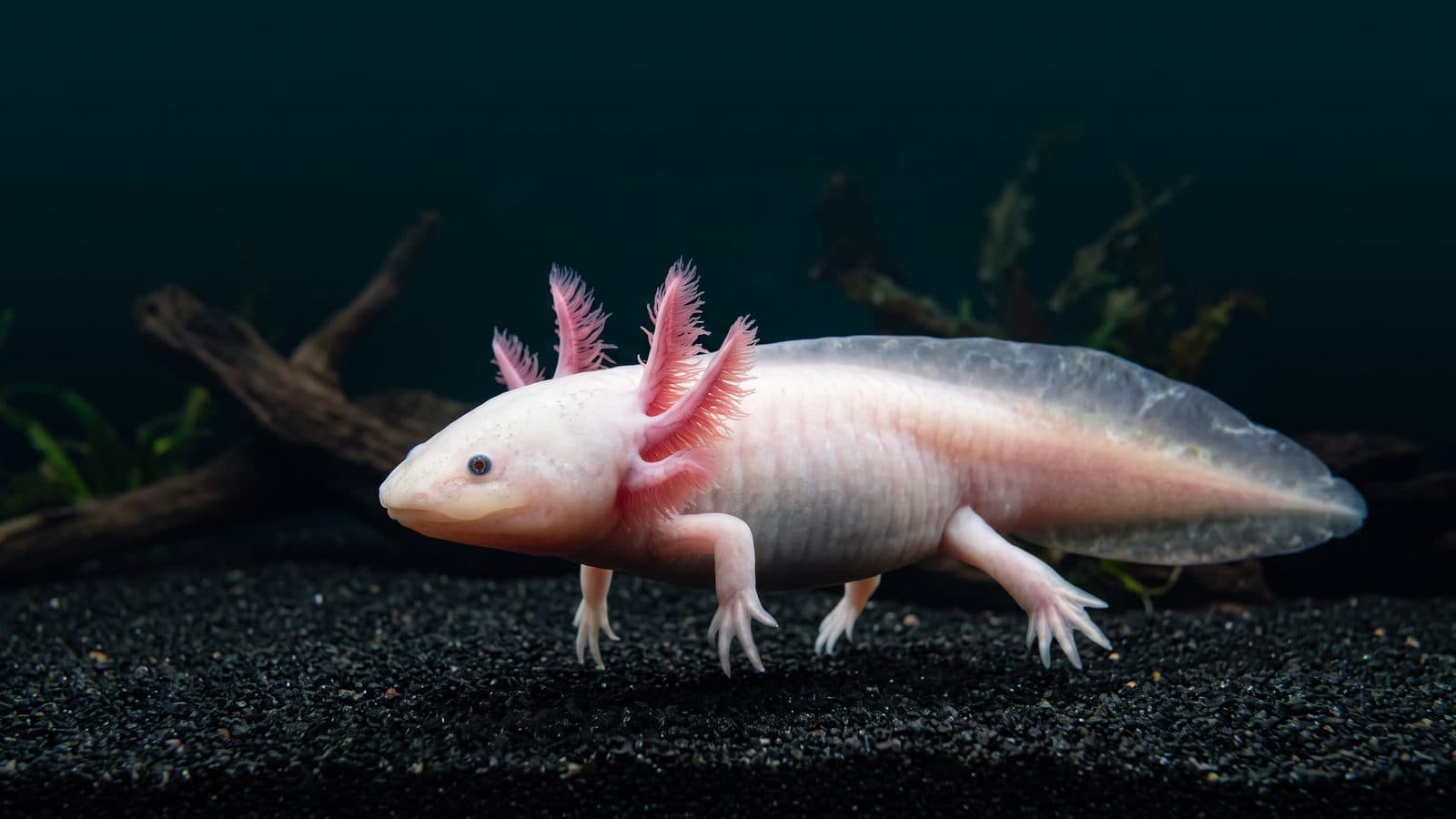
The axolotl is nature's most extraordinary amphibian — a permanently aquatic salamander capable of regenerating entire limbs, prized by collectors worldwide. The Fish Collection offers hand-selected specimens in Leucistic, Wild-Type, Golden Albino, and rare GFP varieties. 4 in stock now.
The axolotl (Ambystoma mexicanum) has captivated scientists, collectors, and exotic pet enthusiasts for centuries — and for good reason. This permanently aquatic salamander, native to the ancient lake systems of Mexico City, defies biological convention by retaining its larval features throughout its entire life, a phenomenon known as neoteny. With their feathery external gills, wide perpetual smile, and an almost supernatural ability to regenerate lost limbs, axolotls have surged in popularity as luxury exotic pets. If you are searching for axolotl for sale, understanding the nuances of morph selection, habitat requirements, and long-term care is essential to providing these remarkable creatures with the life they deserve.
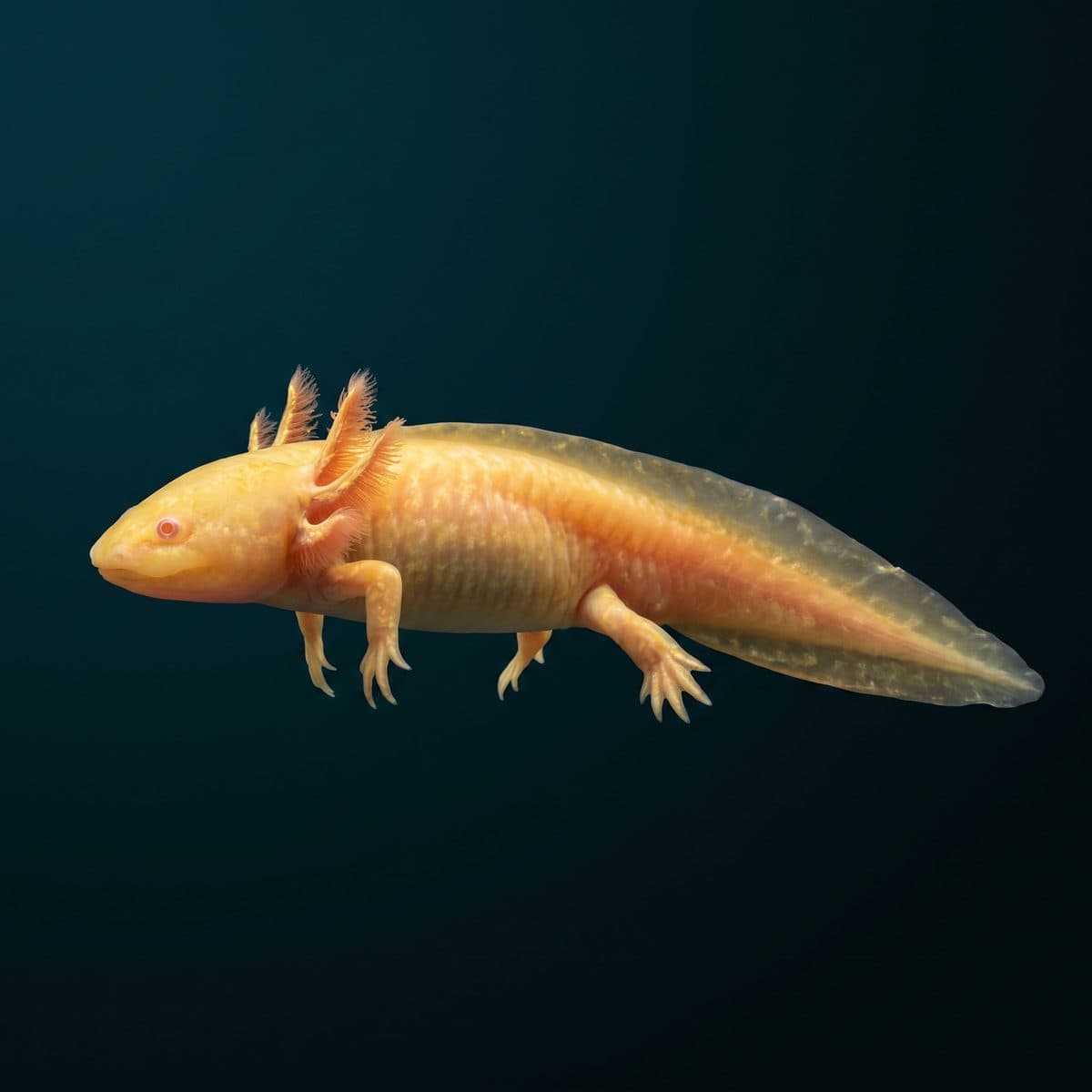
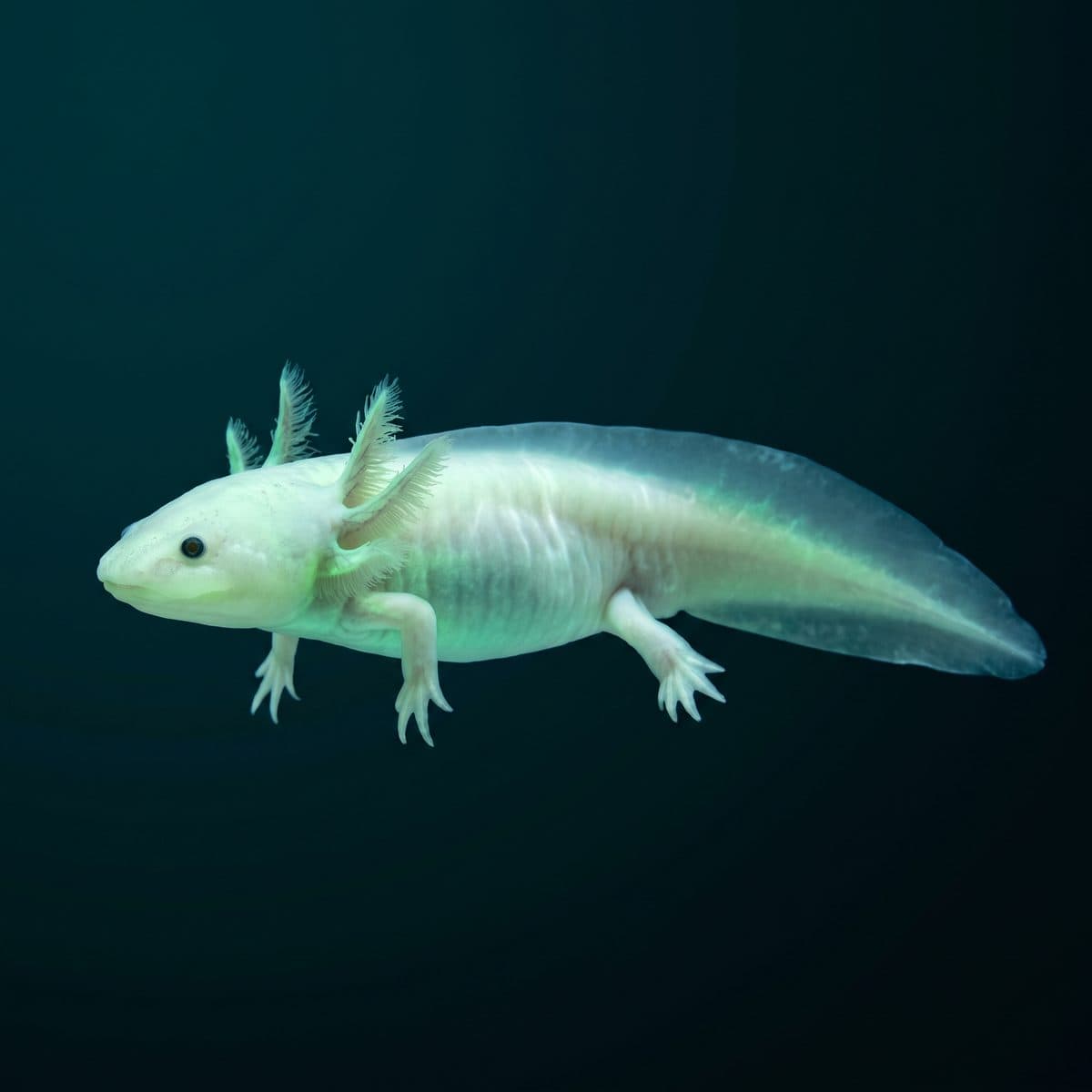
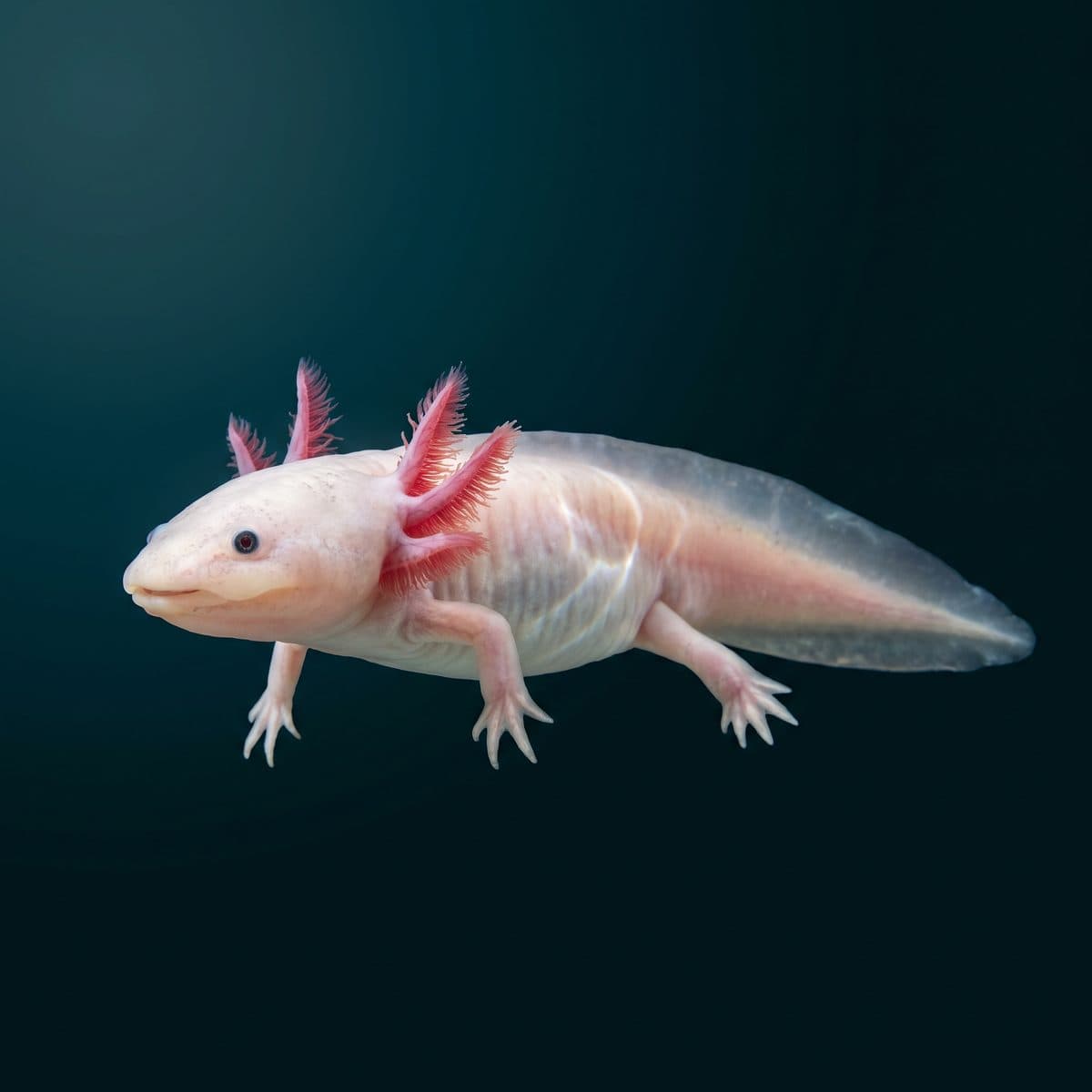
Selective breeding has produced a stunning array of axolotl colour morphs, each with its own visual appeal and collector value. The Leucistic (Lucy) axolotl — pale pink-white body with dark eyes — is the most iconic and recognisable morph, embodying the classic axolotl aesthetic that dominates social media. Wild-Type axolotls display the natural dark olive-brown colouration with golden speckles, offering a direct connection to the species' ancestral appearance. Golden Albino axolotls feature a warm golden-yellow body with clear, reflective eyes and iridescent gill filaments that shimmer under aquarium lighting. Perhaps the most extraordinary morph is the GFP (Green Fluorescent Protein) axolotl, which carries a jellyfish gene that causes the animal to glow vivid green under blue or ultraviolet light — a living intersection of genetic science and exotic pet keeping. Melanoid axolotls, lacking iridophores, present a deep solid black that appeals to collectors who favour bold, dramatic colouration.
Axolotls are cold-water animals with specific environmental needs that differ fundamentally from tropical fish. A single axolotl requires a minimum of 20 gallons, with 10 additional gallons recommended for each additional animal. Water temperature is critical and must be maintained between 60-68 degrees Fahrenheit (15-20 degrees Celsius) — temperatures above 72 degrees Fahrenheit cause chronic stress, suppressed immune function, and eventually fatal fungal infections. Many keepers use aquarium chillers or position tanks in cool rooms to maintain appropriate temperatures year-round. The pH should remain between 6.5-8.0, with moderate water hardness. Substrate is a significant safety consideration: fine sand or bare-bottom setups are mandatory, as gravel and small pebbles are commonly ingested by axolotls and can cause fatal intestinal impactions. Filtration should be gentle — axolotls are sensitive to strong currents, which stress their delicate gill filaments — so sponge filters are the preferred choice among experienced keepers.
Axolotls are carnivorous ambush predators that feed primarily by suction. The ideal staple diet consists of earthworms (nightcrawlers), which provide excellent nutrition and are readily accepted. High-quality sinking salamander or axolotl pellets serve as a convenient supplemental food. Frozen bloodworms are suitable for juveniles but lack the nutritional completeness needed as a sole diet for adults. Avoid feeding live fish, as they carry parasites and can injure axolotls by nipping at their gills. Juveniles should be fed daily, while adults thrive on feedings every two to three days. With proper care, axolotls are remarkably long-lived — healthy specimens routinely reach 10-15 years in captivity, with some documented cases exceeding 20 years. Their celebrated regenerative ability extends to limbs, gill filaments, portions of the heart and brain, and even sections of the spinal cord — a capacity that has made them invaluable to medical research and endlessly fascinating to their keepers.
Before purchasing an axolotl, buyers must verify legality in their jurisdiction. Axolotls are illegal to own in California, Maine, New Jersey, Virginia, and Washington D.C., among other locations, due to concerns about non-native species introduction. Some states require permits. Regulations vary and change periodically, so always confirm current laws with your state wildlife agency before ordering. The Fish Collection verifies legality at the time of purchase and will not ship axolotls to restricted jurisdictions.
Every axolotl offered through The Fish Collection is captive-bred from healthy, genetically diverse stock — we never sell wild-caught specimens of this critically endangered species. Our axolotls are raised in chilled, filtered water systems that mirror optimal husbandry conditions from hatching. Each animal is individually assessed for morph quality, gill health, body condition, and feeding response before being listed for sale. We provide detailed care guides covering tank setup, temperature management, diet, and common health issues with every order. Our packaging protocol for axolotls includes insulated containers with cold packs to maintain appropriate temperatures during insulated transit. Live arrival guaranteed, always — because when you purchase an axolotl from The Fish Collection, you are acquiring a healthy, thriving animal from the hobby's most trusted source.
Experten-Ressourcen
Artenleitfaden
Ambystoma mexicanum
The axolotl (<em>Ambystoma mexicanum</em>) is a fully aquatic neotenic salamander that has captivated hobbyists and scientists alike with its extraordinary regenerative abilities and endearing appearance. Critically endangered in its native Lake Xochimilco in Mexico City, the axolotl thrives in captivity when provided with cool, clean water and a protein-rich diet. This guide covers every aspect of axolotl husbandry — from tank setup and water chemistry to morph identification, breeding protocols, and common health concerns — drawing on The Fish Collection's years of experience sourcing and shipping healthy specimens worldwide.
Ratgeber lesen →Pflegeratgeber
A specification-driven guide to building the optimal cold-water habitat for axolotls, covering tank dimensions, temperature control, filtration, safe substrates, lighting, live plants, cycling, and décor.
Ratgeber lesen →Pflegeratgeber
A comprehensive feeding guide for axolotls covering staple diet, supplemental foods, feeding frequency by life stage, tong-feeding technique, foods to avoid, and nutritional requirements.
Ratgeber lesen →Pflegeratgeber
A detailed guide to breeding axolotls in captivity, covering conditioning, the cooling trigger, spermatophore-based fertilisation, egg collection and incubation, larval feeding, grow-out, and managing large spawns responsibly.
Ratgeber lesen →Weiter entdecken